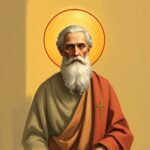
Saint Augustine of Hippo — Doctor of Grace and Theologian | Life and Legacy
Saint Augustine of Hippo — Doctor of Grace and Theologian | Life and Legacy
Saints and Martyrs · doctores
Saint Augustine of Hippo — Doctor of Grace and Theologian | Life and Legacy
August 28
doctores Saint Augustine of Hippo
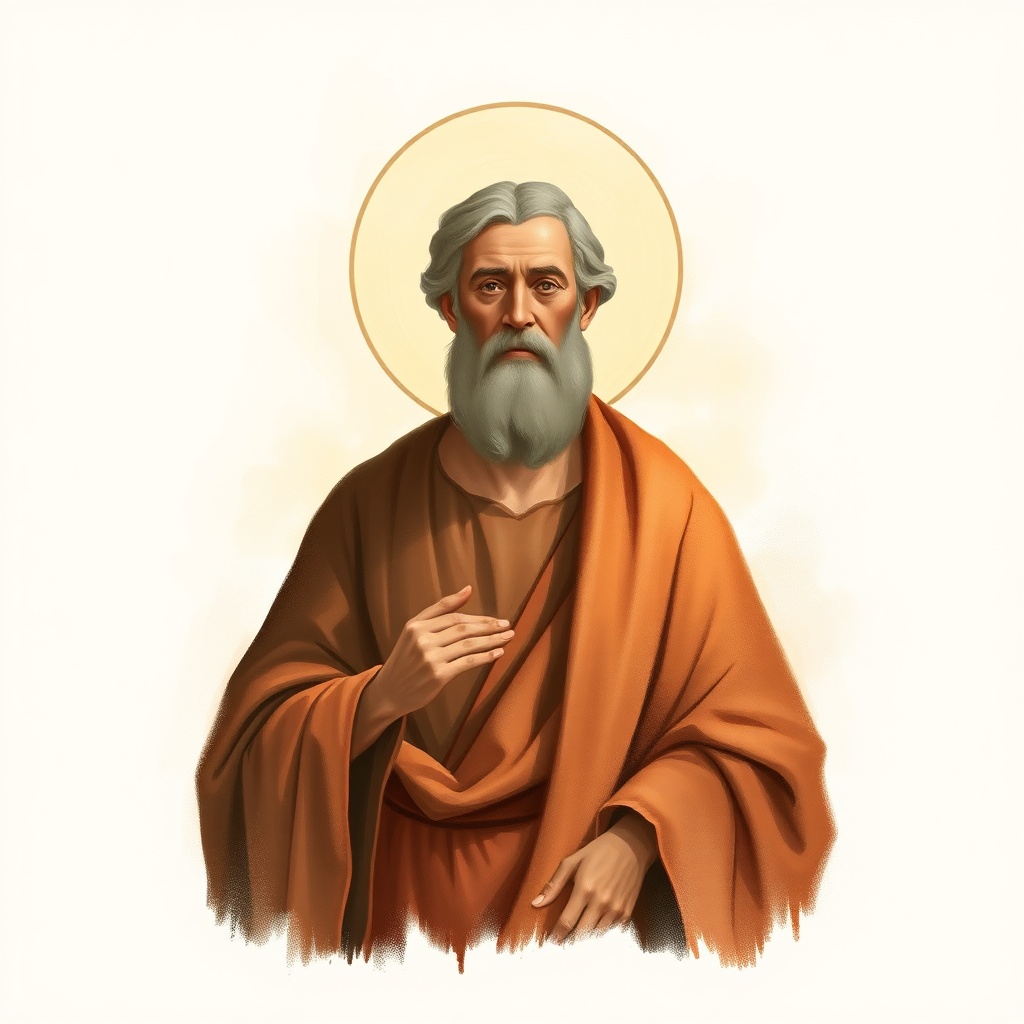
Saint Augustine of Hippo was a Christian theologian and philosopher who lived in North Africa during the late 4th and early 5th centuries. Born in Tagaste (present-day Souk Ahras, Algeria), he led a tumultuous early life before converting to Christianity and becoming a bishop. His writings, especially 'Confessions' and 'The City of God,' have significantly shaped Western Christian thought. He is venerated as one of the greatest saints and doctrinal teachers in the Catholic Church.
The name Augustine derives from the Latin 'Augustinus,' meaning 'esteemed' or 'venerable.' It is rooted in the word 'Augustus,' signifying majesty and reverence, reflecting the high regard in which he is held. His name signifies dignity and respect, fitting for a saint known for his profound spiritual influence and scholarly legacy.
Feast Day
August 28
Related Bible Verses
Romans 5:8
But God demonstrates his love for us in this: While we were still sinners, Christ died for us.
This verse highlights God's infinite mercy and love, central themes in Saint Augustine's theology of grace and redemption.
John 6:37
All those the Father gives me will come to me, and whoever comes to me I will never drive away.
Reflecting Augustine's teaching on divine predestination and the irresistible nature of God's grace.
Ephesians 2:8-9
For it is by grace you have been saved, through faith—and this is not from yourselves, it is the gift of God.
A foundational verse supporting Augustine's doctrine on salvation by grace, not by works.
Martyrdom and Canonization
Saint Augustine is recognized as a Doctor of the Church and a saint who exemplified heroic virtue through his conversion and lifelong pursuit of truth. He died around 430 AD during the fall of Hippo, with his cause for sainthood initiated shortly after his death. The Church officially canonized him, acknowledging his writings as inspired by divine grace, and he was declared a Doctor of the Church by Pope Boniface VIII in 1298. Throughout history, numerous miracles—including healings and conversions—have been attributed to his intercession, confirming his status as a saint of immense spiritual power. His death marked a heroic witness to the faith, inspiring countless Christians to seek truth and divine grace.
Miracles and Apparitions
Miracles associated with Saint Augustine include miraculous healings and conversions attributed to his intercession, particularly in the early Middle Ages. Pilgrims have reported visions and healing prayers at sites associated with him, especially in Hippo and subsequent shrines. Official Church documentation records these miracles, affirming his role as an intercessor. Apparitions of Saint Augustine are rare but revered, especially among those seeking wisdom and forgiveness. These miracles serve as a testament to his enduring spiritual influence and sanctity.
Prayer and Devotion
Devotees often pray the 'Prayer to Saint Augustine' seeking wisdom, grace, and conversion. Novenas and special Masses are offered in his honor, especially on his feast day. Medals and scapulars bearing his image are common, believed to invoke his intercession. Churches and shrines dedicated to him attract many pilgrims who seek his guidance in difficult times. The faithful invoke Saint Augustine’s intercession for grace, conversion, and deeper understanding of divine mysteries.
Saint Augustine's vast library of writings, including over 100 treatises, sermons, and letters, are often depicted with a manuscript and a quill symbolizing his scholarly work. His remains are believed to reside in Hippo, but relics and statues honoring him are found in churches worldwide, reflecting his enduring cultural and spiritual influence across centuries.
Frequently Asked Questions
Why is Saint Augustine considered a Doctor of the Church?
Because his theological writings and teachings have profoundly shaped Christian doctrine, and he was officially declared a Doctor of the Church by Pope Boniface VIII in 1298.
What is the significance of Saint Augustine’s conversion story?
His conversion from a life of worldly pleasures and philosophical skepticism to faith demonstrates the transformative power of divine grace and serves as an example of hope and redemption.
How did Saint Augustine influence Western Christianity?
His teachings on grace, original sin, and the nature of the Church have deeply influenced Catholic theology, Western philosophy, and Christian doctrine for centuries.