Saint Basil the Great — Doctor of the Church and Athenian Bishop | Life and Virtues
Saint Basil the Great — Doctor of the Church and Athenian Bishop | Life and Virtues
Saints and Martyrs · doctores
Saint Basil the Great — Doctor of the Church and Athenian Bishop | Life and Virtues
January 2
doctores Saint Basil the Great
Saint Basil the Great was a 4th-century bishop and theologian born in Caesarea Mazaca (modern-day Turkey). He was a remarkable leader in the early Christian Church, known for his theological writings, advocacy for the poor, and monastic reforms. His life was marked by a deep commitment to faith, charity, and education. He is venerated as one of the Three Great Cappadocian Fathers and a Doctor of the Church for his theological contributions and spiritual leadership.
The name Basil comes from the Greek name 'Basileios,' meaning 'kingly' or 'royal.' The root 'basileus' signifies sovereignty or nobility in Greek culture. The name reflects qualities of leadership, wisdom, and divine authority, aligning with Saint Basil's role as a spiritual leader and guiding figure in the early Church.
Feast Day
January 2
Related Bible Verses
Matthew 5:16
Let your light so shine before men, that they may see your good works, and glorify your Father which is in heaven.
This verse reflects Saint Basil’s lifelong commitment to living a virtuous life and inspiring others through his actions, illuminating the path of faith.
James 2:14-17
Faith without deeds is dead. Saint Basil exemplified this through his generous philanthropy and care for the needy.
This underscores Saint Basil’s dedication to active charity, embodying the teachings of faith expressed through action.
Romans 12:1
I beseech you therefore, brethren, by the mercies of God, to present your bodies a living sacrifice, holy, acceptable to God, which is your spiritual worship.
This verse aligns with Saint Basil’s monastic ideals and his call for Christians to dedicate their lives wholly to God’s service.
Martyrdom and Canonization
Saint Basil the Great died around 379 AD in Caesarea as a result of natural causes, but his death is viewed as a testament to his heroic virtue and unwavering faith. His cause for sainthood was opened by the Church shortly after his death, recognizing his profound influence on Christian theology and monasticism. He was canonized during the early church period, with formal recognition by the Church in subsequent centuries. Saint Basil is considered a Doctor of the Church due to his theological writings that clarified Christology and Trinitarian doctrine, and miracles attributed to his intercession include healings and protection from natural disasters. His life exemplifies heroic virtue—laying down his life in service to others and the faith, inspiring countless generations of Christians.
Miracles and Apparitions
Numerous verified miracles are associated with Saint Basil, including healings of the seriously ill through prayer and relics. Reported apparitions have occurred in times of crisis, invoking his intercession for protection and guidance. The Church has officially recognized several miracles attributed to him, especially healing miracles verified by Church authorities. His relics continue to be venerated at his major shrine in Caesarea, and pilgrimages to his tomb are common among the faithful seeking spiritual aid and blessings.
Prayer and Devotion
Devotees seek Saint Basil’s intercession for wisdom, charity, and spiritual growth. Traditional prayers include the Novena of Saint Basil, asking for guidance and protection. Many also wear medals or scapulars featuring his image as a reminder of his virtues. Churches and shrines dedicated to him serve as places of prayer and reflection, where the faithful invoke his aid in times of need. Pilgrimages and liturgical celebrations on his feast day foster a deeper devotion and imitation of his virtues.
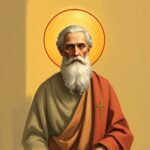
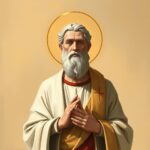
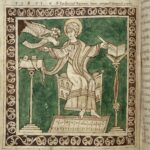
Saint Basil is often depicted holding a scroll or writing tablet, symbolizing his role as a theologian and author. His relics are housed in various churches, including the Basilica of Saint Basil in Moscow, which is famous for its colorful onion domes and architectural beauty. He also played a pivotal role in developing the Nicene Creed, shaping the doctrine of the Holy Trinity that remains central to Christian faith.
Frequently Asked Questions
Why is Saint Basil called a Doctor of the Church?
He earned this title due to his significant contributions to Christian theology, especially his writings on the Trinity and the nature of Christ, which continue to influence the Church today.
What are some key virtues of Saint Basil?
Saint Basil exemplified humility, charity, wisdom, and dedication to God’s service, especially through his care for the poor and his reform of monastic life.
How is Saint Basil remembered today?
He is honored on his feast day, January 2, with liturgies, prayers, and processions, and remains a model of theological insight and humanitarian love for Christians worldwide.