The Wise Women of Israel: Biblical Examples of Wisdom and Courage
The Wise Women of Israel: Biblical Examples of Wisdom and Courage
Old Testament Women | Symbolic Figures
The Wise Women of Israel: Biblical Examples of Wisdom and Courage
📅 Ancient Israel, 11th-10th century BCE · 📜 In Hebrew, 'Chochmot' means 'wisdom' or 'cunning'; while the term 'wise women' emphasizes their knowledge, discernment, and authority in their communities.
WisdomWomen's LeadershipBiblical Women
And the wise woman of Abel responded, 'Well, let your servant speak to my lord the king; I and my family are peaceful, and I have Ethan the Ezrahite to witness for me.'— 2 Samuel 20:16
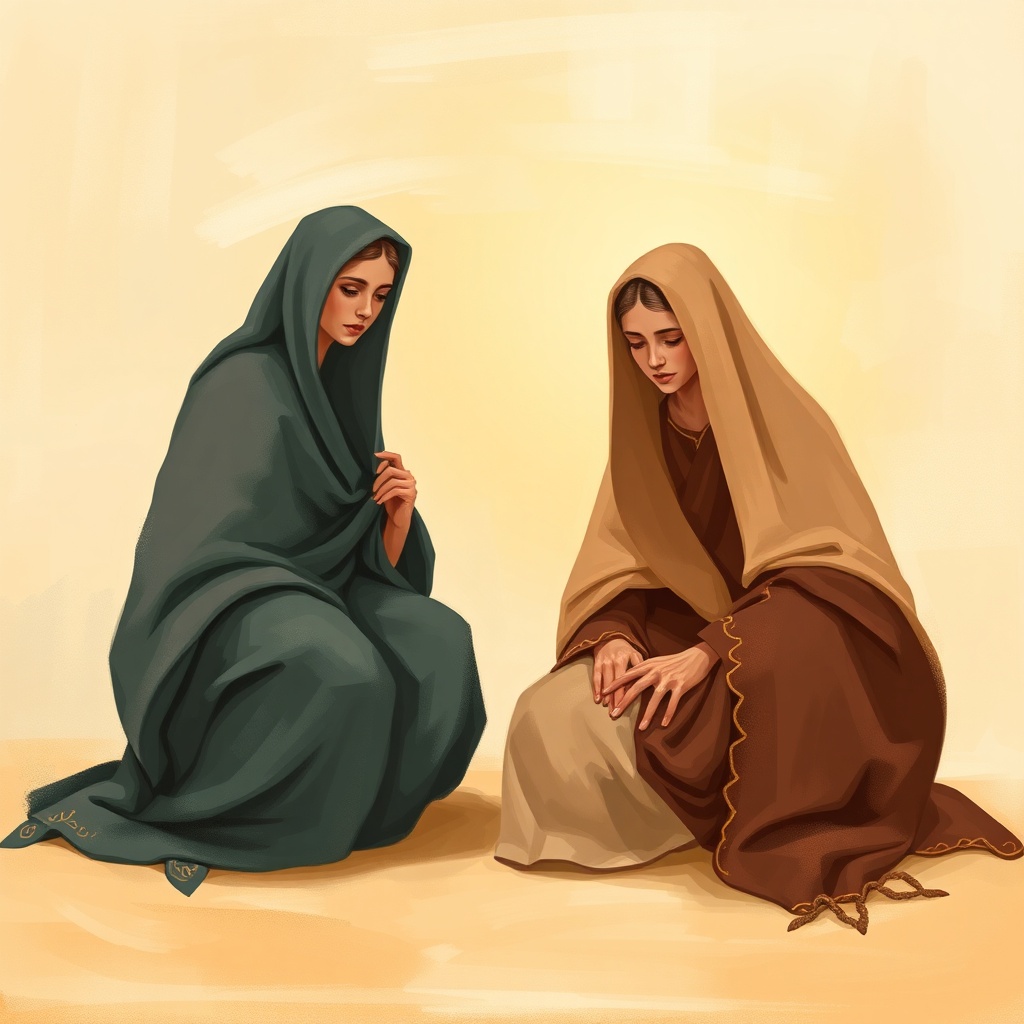
The Wise Women of Israel were respected figures known for their wisdom, discernment, and leadership within their communities. Notably, the woman of Abel Beth Maacah intervened to prevent bloodshed during a political crisis, appealing to King David’s sense of justice and mercy (2 Samuel 20). Similarly, another wise woman from Tekoa persuaded David to reconcile with his son Absalom, showcasing the power of wise counsel (2 Samuel 14). Their stories highlight how women exercised influence beyond traditional boundaries, acting as peacemakers, mediators, and moral voices. These women exemplify courage, wisdom, and a commitment to justice, serving as model leaders who shaped their societies through tact and faith. Their narratives affirm that wisdom in biblical times was a divine gift accessible to women who sought justice and peace, transcending cultural limitations.
🏛️ Cultural & Historical Context
In ancient Israel, women’s roles were generally centered around the family and household; however, wise women held crucial societal functions as advisors, mediators, and community leaders. Their authority stemmed from perceived divine insight or moral integrity, granting them influence in critical situations. These women often used their wisdom to prevent violence, resolve conflicts, and uphold justice, challenging the idea that leadership was exclusively male. Their actions reflect a recognition of women's spiritual and moral authority within the community, showcasing a cultural dimension where wisdom and moral discernment elevated their societal standing. This context highlights that, despite societal constraints, women could exercise significant influence through their intellect and faith.
👨👩👧 Family Connections
The Wise Woman of Abel Beth Maacah is unnamed; she is a community leader. Other wise women appear contextually within narratives involving King David’s era, with no explicit familial ties recorded.
The Wise Women of Israel embody divine wisdom and the active role women can play in God's plan of salvation. Their stories exemplify God's empowerment of women to act morally and ethically in pivotal moments, emphasizing that wisdom is a divine gift accessible beyond gender boundaries. They serve as symbols of peacemaking, justice, and moral authority, illustrating that God's wisdom works through all people to uphold righteousness. Their narratives challenge cultural limitations and affirm that leadership rooted in divine wisdom is integral to God's covenant community. In salvation history, they represent the often-overlooked feminine voice of wisdom, pointing toward Christ, the ultimate embodiment of divine wisdom and mediator of peace.
📖 Lessons for Today
📖 Lesson 1
Wisdom and discernment are vital qualities that enable women and men to lead effectively in times of crisis. Seeking divine guidance can bring peace and resolution to conflicts.
Courageous advocacy for justice and peace is rooted in faith and moral conviction. Women have historically played pivotal roles in promoting righteousness when society needed it most.
📖 Lesson 3
Valuing the voice of wisdom, regardless of societal expectations, can foster reconciliation and uphold moral integrity in any community.
The Wise Women of Israel connect with figures like Deborah, the prophetess-judge, and Esther, the queen and savior of her people, as women devoted to justice and divine guidance. Unlike those who held formal leadership roles, these wise women exercised influence through counsel and moral authority. They contrast with women like Jezebel or Delilah, whose narratives depict manipulation and deception, emphasizing that wisdom and righteousness define true influence. Together, these women highlight the diverse ways women shape biblical history—some through leadership, others through wisdom, and still others as moral anchors—offering a rich tapestry of feminine strength and faith-based authority.
📜 Scripture References
Reference
1 Samuel 25:14-31
2 Samuel 14:1-20
❓ Frequently Asked Questions
Who was the Wise Woman of Abel Beth Maacah?
She was an unnamed prophetic figure who intervened to prevent bloodshed during a political crisis by appealing to King David, exemplifying wisdom and peacemaking (2 Samuel 20).
What role did wise women play in biblical society?
Wise women served as mediators, counselors, and community leaders, often guiding their communities through moral and spiritual wisdom, especially in conflicts or crises.
Are the stories of wise women still relevant today?
Yes, their stories inspire modern women to lead with wisdom, advocate for justice, and serve as peacemakers, demonstrating that moral discernment is timeless.
✨ Did You Know?
The term 'wise women' in biblical times often referred to women who wielded spiritual authority and moral influence outside formal religious hierarchy. Archaeological evidence suggests that women held roles of spiritual counsel and leadership in some ancient Near Eastern cultures, aligning with biblical accounts of wise women serving as moral anchors and mediators.










Leave a Reply