The Witch of Endor: Unveiling the Woman Behind the Spirit Medium in the Bible
The Witch of Endor: Unveiling the Woman Behind the Spirit Medium in the Bible
Old Testament Women | Symbolic Figures
The Witch of Endor: Unveiling the Woman Behind the Spirit Medium in the Bible
📅 11th century BCE (during the reign of King Saul) · 📜 Endor likely means 'Fountain of Darkness' or 'Spring of Darkness' in Hebrew, reflecting its ancient origins and possibly the spiritual connotations of the town’s landscape.
Endorprophecyspiritualitybiblical women
Then Saul disguised himself, putting on other garments and on them went, he and two men with him, and they came to the woman by night: and he said, 'Please divine for me by the familiar spirit, and bring me him up, whom I shall name unto thee.'— 1 Samuel 28:8
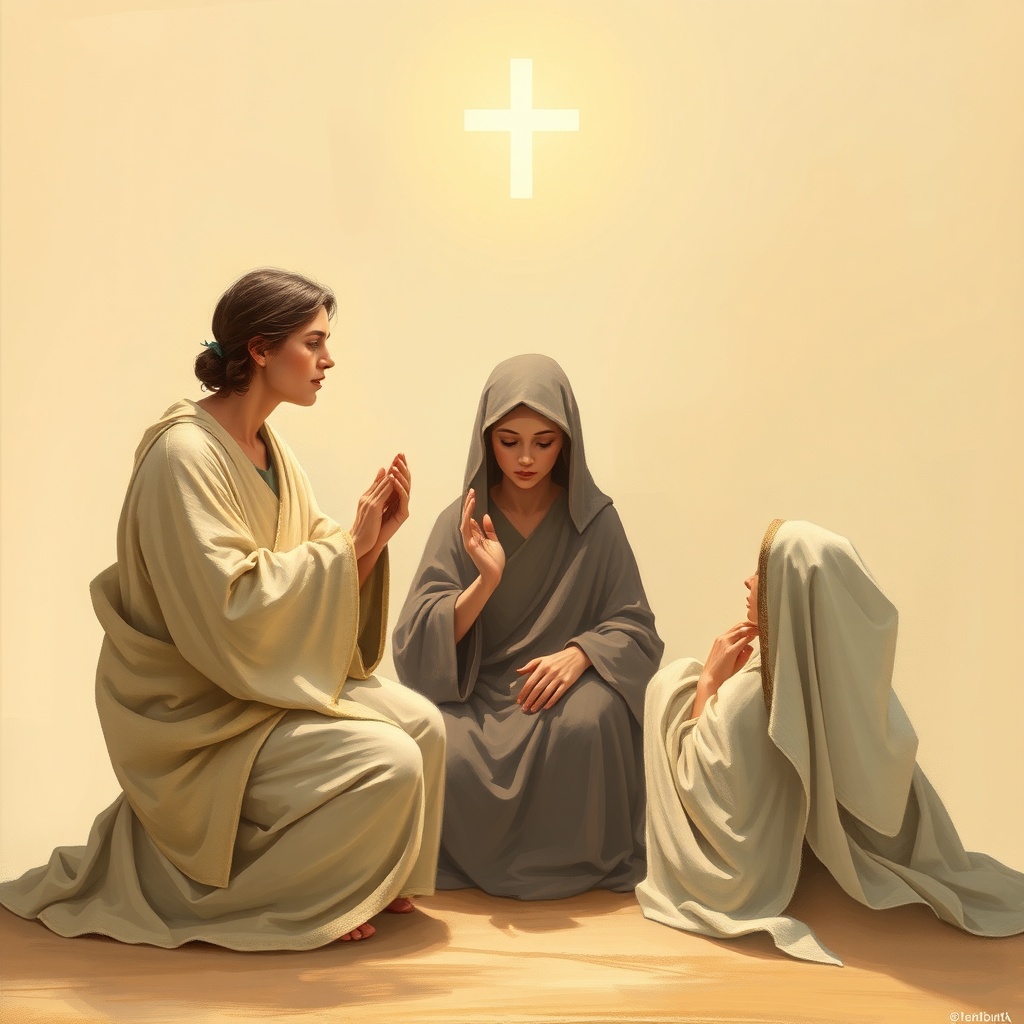
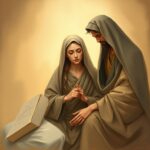
The Witch of Endor is a mysterious figure who appears in 1 Samuel 28. Her story unfolds during a desperate time for King Saul, who fears defeat by the Philistines and seeks out her necromantic skills to summon the prophet Samuel’s spirit. Disguised and uncertain, Saul ventures to her with covert intentions, violating Mosaic laws that prohibited necromancy. The medium, skilled in communicating with spirits, is startled to conjure Samuel’s apparition, which delivers a prophetic warning about Saul’s doomed fate. Her role underscores the tension between divine commandments and human desperation, illustrating how marginalized figures like her operated on the fringes of society, often misunderstood. Her encounter highlights themes of disobedience, supernatural power, and the tragic consequences of shunning divine guidance, making her a symbol of spiritual failure and the dangers of turning away from God’s law.
🏛️ Cultural & Historical Context
Living in ancient Israel under kingship, women’s roles were predominantly domestic, yet some, especially diviners or magicians, occupied marginalized spiritual niches. necromancy was forbidden by Law, but such women operated clandestinely, often feared and stigmatized. The societal view of women involved a delicate balance: revered in domestic spheres but condemned if linked to forbidden arts. Endor’s geographical location and its association with spiritual practices reflect a complex intertwining of local beliefs and religious laws. Women like the Witch of Endor navigated these tensions, embodying the shadowy intersection between authorized prophecy and forbidden spiritual practices, which was often driven by societal fears and spiritual uncertainties in times of crisis.
👨👩👧 Family Connections
Her specific familial details are not mentioned; she appears as a woman living in Endor, possibly with family or community ties typical of that era.
ResourcefulCunningFearfulReverent (toward the prophetic)
⛪ Theological Significance
The Witch of Endor’s story highlights the danger of turning away from divine authority and seeking knowledge outside God's commandments. Her encounter with Saul serves as a cautionary tale about disobedience and the consequences of practicing forbidden arts. The narrative underscores God's sovereignty over life and death, emphasizing that true prophecy and divine guidance come from God alone. Her story also raises questions about morality, repentance, and the means by which individuals seek divine insight, fostering reflection on divine justice and mercy in salvation history. Ultimately, she symbolizes the tragic outcomes of disobedience and the importance of trusting God's plan.
📖 Lessons for Today
📖 Lesson 1
Seeking spiritual guidance should align with biblical teachings; turning to forbidden arts can lead to spiritual peril.
Unlike other biblical women such as Abigail or Deborah, who are celebrated for wisdom and leadership, the Witch of Endor represents the marginalized women involved in spiritual practices forbidden by God. She contrasts with women of faith who follow divine law, highlighting societal and spiritual consequences of deviating from God's commandments. Her story prompts reflection on how women’s roles varied—from trusted leaders to those operating on the spiritual fringes—depending on societal context and divine approval.
📜 Scripture References
Reference
1 Samuel 28:3-25
1 Samuel 28:3-25
❓ Frequently Asked Questions
Was the Witch of Endor a prophet or a magician?
She was a medium who practiced necromancy, which was forbidden by God. The biblical account does not portray her as a prophet but as someone who summoned spirits using forbidden arts, as seen in 1 Samuel 28.
Did God approve of her actions?
No, God's law forbade necromancy and consulting spirits (Deuteronomy 18:10-12). Her actions were considered sinful, and her story serves as a warning against such practices.
What is her significance in biblical history?
She symbolizes the dangers of disobedience and turning away from divine guidance. Her story underscores God's sovereignty and the tragic consequences of seeking forbidden knowledge.
✨ Did You Know?
The name 'Endor' appears only once in the Bible and may derive from ancient roots meaning 'fountain of darkness,' emphasizing its mystical connotations. Interestingly, some scholars believe the story reflects early tensions between biblical law and popular spiritual practices in ancient Israel.




Leave a Reply