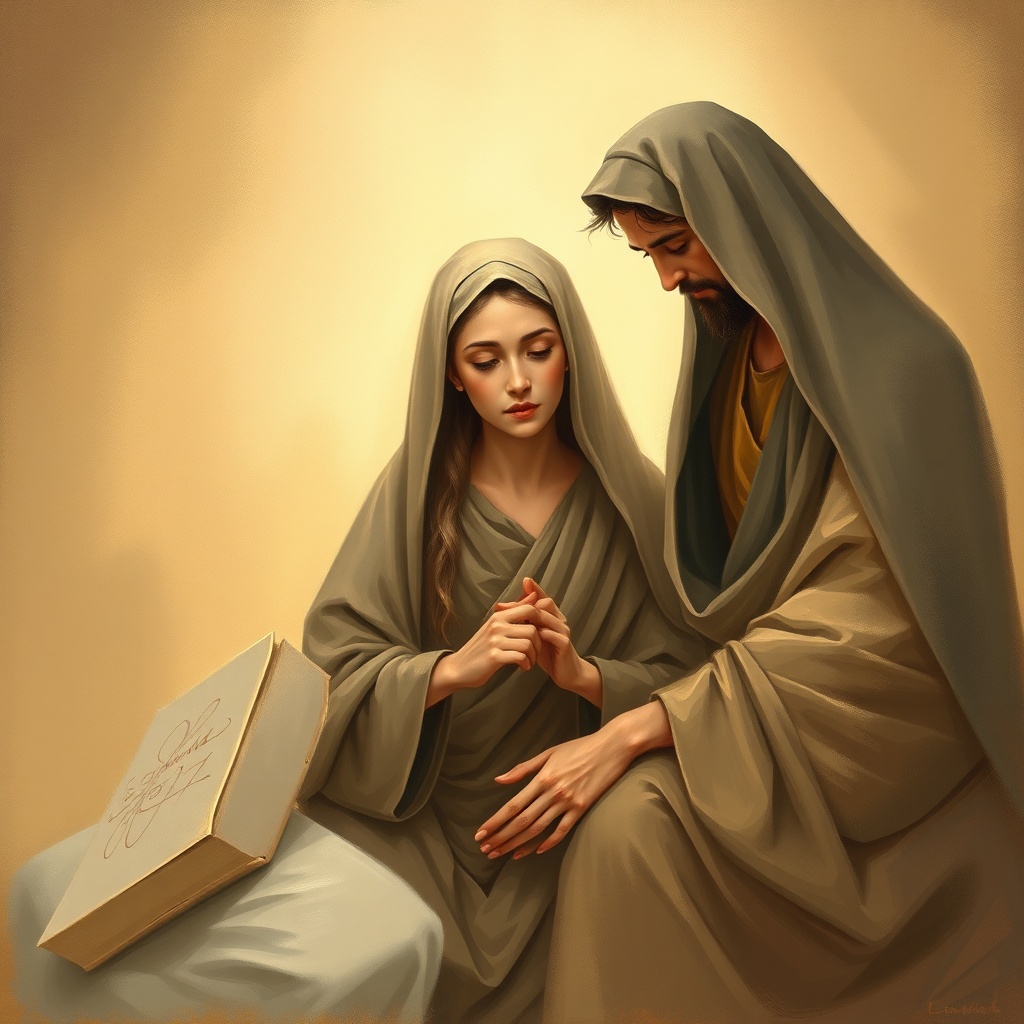
Rizpah: The Woman of Faith and Devotion in the Bible
📅 11th century BCE, during the reign of King David · 📜 In Hebrew, 'Rizpah' may mean 'wild goose' or 'hot-tempered,' symbolizing her passionate and unwavering nature.
RizpahOld Testamentfaithmourningloyalty
Rizpah 'kept watch under the garments of her dead sons from the beginning of harvest until the rain poured down from the heavens upon them.' (2 Samuel 21:10, ESV)— 2 Samuel 21:10
Rizpah’s story is a poignant tale of loyalty, mourning, and faith. After King Saul’s sons, including her sons Armoni and Mephibosheth, were executed by the Gibeonites to atone for Saul’s earlier actions, they were hung in Gibeon. Rizpah, grieving deeply for her sons, refused to abandon their bodies, tending to them daily and safeguarding them from scavengers through her vigil. Her steadfastness drew the attention of David, who was moved by her devotion and ordered the bodies to be given proper burial. Rizpah’s act of mourning signified her immense love and unwavering commitment, highlighting themes of maternal loyalty, justice, and human resilience in the face of tragedy. Her story exemplifies sacrificial devotion and the power of mourning as a form of protest and faith.
🏛️ Cultural & Historical Context
In ancient Israelite society, women’s roles were primarily domestic, yet women like Rizpah demonstrated profound strength and loyalty beyond traditional expectations. Mourning rituals were significant, and public acts of grief could influence societal justice. Women’s mourning was often seen as a powerful act of witness and moral stance. Rizpah’s vigil reflects the importance of maternal devotion and the social weight of grief in a patriarchal culture, emphasizing that women could serve as symbols of justice and faith through their personal sacrifices during turbulent times.
Rizpah was a concubine of King Saul and the mother of two of his sons, Armoni and Mephibosheth. She was the widow of Saul’s son, and her story is linked to her sons' fate and her loyalty to them.
✨ Character Traits
LoyaltyDevotionCourageResilience
⛪ Theological Significance
Rizpah’s story underscores themes of faithfulness, sacrifice, and divine justice. Her unwavering mourning exemplifies human devotion that resonates with God's compassion, illustrating that acts of loyalty and grief are valued in God’s eyes. Her vigil symbolizes the hope for redemption and the belief that justice and mercy are intertwined. In salvation history, Rizpah’s faithfulness points to the broader biblical narrative of God's care for the oppressed and the importance of righteousness amidst suffering, serving as a model of steadfastness that foreshadows Christ's sacrificial love and divine compassion.
📖 Lessons for Today
📖 Lesson 1
Loyalty and faithfulness are powerful virtues that can inspire social justice and moral action.
📖 Lesson 2
Expressing grief and mourning can serve as a form of protest and stand for justice, demonstrating strength in vulnerability.
📖 Lesson 3
Perseverance in difficult circumstances reflects deep faith and trust in God’s providence.
🔗 Connections to Other Biblical Women
Rizpah’s steadfast mourning contrasts with women like Hannah, who prayed for a child, highlighting different responses to suffering—active mourning versus hopeful prayer. Like Ruth’s loyalty or Esther’s courage, Rizpah exemplifies women’s active roles in faith and justice, yet she also reflects the silent strength found in mourning and perseverance that complements these stories. Both her and women like Miriam or Deborah highlight women’s pivotal roles beyond traditional expectations, symbolizing resilience, advocacy, and unwavering faith in challenging circumstances.
Why is Rizpah considered an important biblical figure?
Rizpah is significant for her unwavering loyalty and faithfulness in mourning her sons’ deaths, demonstrating profound maternal devotion and standing as a symbol of justice and perseverance in difficult times (2 Samuel 21:1-14).
What lessons can we learn from Rizpah’s story?
Her story teaches us the importance of faithfulness, perseverance, and standing up for justice, even when it demands personal sacrifice. It reminds us that mourning and loyalty are powerful acts of moral witness in our communities.
How does Rizpah’s story inspire women today?
Rizpah’s example encourages women to remain steadfast in their values, advocate for justice, and express their devotion through courageous acts of faith and resilience in the face of adversity.
✨ Did You Know?
Historically, Rizpah’s vigil was so powerful that it influenced King David’s decision to rebury Saul’s remains and his descendants, underlining her spiritual impact. Linguistically, her name’s possible connection to 'hot-tempered' or 'wild goose' reflects her passionate and relentless nature, making her a symbol of fiery dedication in biblical tradition.

 Por Mario Acevedo