12 Disciples Names: Complete List of Jesus’ Apostles with Descriptions
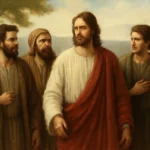
In the New Testament, a distinctive band of followers known as the Twelve Apostles formed the core of Jesus’ early ministry. These men came from different backgrounds—fishermen, a former tax collector, a zealot, and more—but they shared a common calling to learn from Jesus and to carry his message into the world after his death and resurrection. After the betrayal by Judas Iscariot, the early Christian community selected Matthias to replace him, restoring the number to twelve. This article presents the standard list of the twelve who are most often identified as Jesus’ apostles and provides concise descriptions of who they were, what they are known for, and how they are remembered in tradition and Scripture. To reflect the diversity of names and languages found in the biblical record, you’ll see variations and epithets noted where relevant, such as Nathanael (Bartholomew) or Didymus (Thomas).
Complete List of the Twelve Apostles (as commonly enumerated after Matthias’ selection)
Peter (Simon Peter) — Often described as the leader among the Twelve, Peter is a fisherman called by Jesus to a mission beyond catching fish. In the Gospels, he is portrayed as bold, impetuous, and deeply devoted, the one to whom Jesus famously says, “you are Peter, and on this rock I will build my church” (a reference to the name Cephas, meaning Rock). In the book of Acts, Peter emerges as a key preacher and organizer in the early church, guiding the apostolic witness after the Ascension. Tradition associates him with a martyr’s death in Rome, though the exact details are debated. The figure of Peter looms large in Christian art, liturgy, and theology as the archetypal apostle and the first pope in Roman Catholic tradition.
Jamesthe son of Zebedee — Referred to in Scripture as one of the “inner circle” together with his brother John, this James the Greater is distinguished from other James in the apostolic roster. James is a son of Zebedee and a fisherman by trade who became a prominent figure among the early Christian community. The Acts of the Apostles records his martyrdom by Herod Agrippa I, making him one of the earliest apostles to pay the ultimate price for his faith. In Christian memory, James embodies steadfast leadership and fidelity under pressure, often depicted alongside John in accounts of Jesus’ closest companions.
Johnthe son of Zebedee — The other member of the inner circle with James, John is traditionally known as the Beloved Disciple. He is traditionally credited with contributing several New Testament writings—the Gospel of John, the three Epistles of John, and the book of Revelation (though scholarly views vary on authorship). In the Gospels, John is portrayed as close to Jesus during key moments, such as the Transfiguration and the Passion. The Christian imagination often remembers him as the apostle who leaned on Jesus at the Last Supper and who witnessed pivotal early Christian testimony and teaching.
Andrew — Andrew is the brother of Peter and a former disciple of John the Baptist who first encounters Jesus and immediately follows him. Early tradition portrays Andrew as a missionary who brought others to Christ, including the boy with the loaves and fishes and, in some traditions, as a guide for others in the spread of the gospel beyond Galilee. Known for a spirit of invitation, Andrew is remembered as a steadfast follower who helped lay the groundwork for the church’s outreach to fellow Jews and Gentiles alike.
Philip — Philip is associated in the Gospel of John with questions and invitations to encounter Jesus more deeply. He is the one who introduces Nathanael to Jesus, saying, “We have found him of whom Moses in the Law and the prophets wrote” (John 1). Traditionally, Philip is viewed as an evangelist who carried the message into various regions, and in some traditions he is connected with ministry in Asia Minor. In the apostolic circle, Philip embodies a practical faith that seeks clear revelations from Jesus and a willingness to share him with others.
Bartholomew — The apostle commonly identified with Nathanael appears in the Gospel of John when Philip introduces him to Jesus. The pairing of Bartholomew and Nathanael reflects how two different names refer to the same figure in different gospel traditions. While not as prominent in the Acts narrative, Bartholomew is celebrated in tradition for his missionary zeal, and he is often associated with evangelistic travels and martyrdom in various regional legends.
Thomas — Also known as Didymus (the Twin), Thomas is famous for his initial doubt about Jesus’ Resurrection and for his subsequent profession of faith, “My Lord and my God” upon seeing the risen Christ. The epithet Didymus signals the tradition of his being a twin, and in many Christian communities he remains the emblem of honest doubt transformed into belief. Beyond the gospel accounts, Thomas is associated in later tradition with missionary activity in India in some strands of Christian lore.
Matthew — The Tax Collector turned apostle, Matthew is also identified with Levi in the Synoptic Gospels. As the author of the Gospel of Matthew, he offers a distinctive Gospel perspective that emphasizes Jesus’ teachings and his fulfillment of Old Testament prophecy. The transformation from a government collector to a disciple who proclaims the kingdom of heaven is a signature narrative about Matthew, illustrating how Jesus calls people from diverse walks of life into his mission.
Jamesson of Alphaeus — Referred to in several lists as James the Less or James the Minor, this apostle is less spotlighted in the New Testament narratives, yet his inclusion rounds out the core group of the Twelve. Tradition places him among the early church elders and missionaries, and he is often viewed as one of the more understated but steady presences among the apostles. The identity and activities of James, son of Alphaeus, have inspired varied interpretations in Christian history, underscoring the diversity of roles within the Twelve.
Simonthe Zealot — Also described as Simon the Cananean or Simon the Zealot, this apostle represents a political and religious commitment that, in some traditions, is read symbolically as a zeal for God’s kingdom. The label Zealot signals his potential to identify with active, passionate faithfulness, and he is often paired in lists with other apostles as a reminder of the breadth of backgrounds among Jesus’ followers.
JudasThaddaeus — Also known as Jude or Lebbaeus (depending on the manuscript), this apostle is known in Scripture as Judas Thaddaeus to distinguish him from the traitor Judas Iscariot. Traditions about Judas Thaddaeus emphasize his preaching and missionary efforts in various regions, with legends often highlighting his role in fostering peace and reconciliation through the gospel. The name variations reflect the diverse textual traditions that accompany the Twelve.
Matthias — The apostle chosen to replace Judas Iscariot after the latter’s betrayal, Matthias is introduced in the Book of Acts as a faithful witness who was with Jesus from John’s baptism to the Ascension. By casting lots, the remaining disciples selected him to restore the number of apostles to twelve. Although less is known about his individual acts recorded in the canonical text, Matthias is celebrated as a faithful guard of the early Jesus movement and a vital link in the apostolic chain that carried the gospel forward from Jerusalem outward.
Variations and Epithets: Names That Appear Across Texts
Across the biblical record and later Christian tradition, the Twelve are known by a range of alternate names and descriptors. These variations help readers recognize the same person in different gospel accounts and in later church writings. The following notes highlight common variations you may encounter in study materials, translations, and medieval paintings or liturgies:
Peter — Also Simon Peter, and in Aramaic/Greek sources, Cephas (the rock). The idea of Jesus choosing Peter as a foundational figure is echoed in several gospel passages.
Bartholomew — Often identified with Nathanael in the Gospel of John, reflecting two different naming traditions for the same apostle.
Thomas — Also known as Didymus (the Twin), used in some translations to indicate his alternative name.
Matthew — Also called Levi in the Synoptic Gospels, reflecting his prior occupation as a tax collector before following Jesus.
James, son of Alphaeus — Often distinguished as James the Less in some lists to differentiate him from James, son of Zebedee.
Simon — Referred to as the Zealot or the Cananean in various manuscripts, underscoring his identity in the early Jesus movement.
JudasThaddaeus — Sometimes called Jude or Lebbaeus in different traditions; clearly distinguished from Judas Iscariot.
Matthias — The replacement for Judas Iscariot, sometimes called Matthaios in Greek manuscripts, highlighting the continuity of the apostolic witness.
Brief Biographies: A Short Portrait of Each Apostle
Peter (Simon Peter)
As the most prominently named disciple in the Gospels, Peter is often described as the bold, sometimes impulsive fisherman who becomes a leading voice among the apostles. Jesus calls him to a mission that extends beyond ordinary fishermen’s nets, calling him a foundational figure of the church. In the Acts of the Apostles, Peter’s leadership is evident in his preaching at Pentecost, his role in early church decisions, and his pastoral care for the earliest Christian communities. The image of Peter as “the rock” has carried rich theological meanings in Christian tradition, symbolizing steadfast faith, invitation to repentance, and the possibility of renewal even after failure.
Legacy: first gospel-writer in the sense of leadership in the early church; model of repentance and perseverance.
Jamesthe son of Zebedee
James stands out as one of Jesus’ closest companions—part of the inner circle with his brother John. His martyrdom is documented in Acts, and his memory anchors the tradition of early Christian courage in the face of oppression. While not as prominent in the Acts narrative as Peter, James’ presence signals a distinct and influential apostolic witness within the first generation of Christians.
Role: leader among the apostles; martyr.
Legacy: emblem of faithful witness and early church leadership.
Johnthe son of Zebedee — the Beloved Disciple
John contributes two of the most theologically significant writings in the New Testament—the Gospel of John and the Johannine epistles. Tradition also associates him with the Revelation to John, though scholarly opinions vary on authorship. In the gospel narrative, John is portrayed as especially intimate with Jesus and a compassionate witness to Jesus’ life, death, and resurrection. His writings emphasize love, divine fellowship, and the identity of Christ as the Son of God.
Andrew
Andrew embodies the spirit of invitation and missionary zeal. As Peter’s brother, he often appears as a bridge from the old routines of fishing to the new calling of following Jesus. Tradition holds that Andrew played a role in spreading the gospel beyond Galilee, contributing to the early church’s reach into diverse regions. His example invites readers to see discipleship as a process of bringing others into contact with Christ.
Philip
Philip invites others to encounter Jesus with clarity and directness. The Gospel of John presents him as a practical seeker who asks Jesus for revelation and then facilitates another encounter—most notably by bringing Nathanael to Jesus. In broader tradition, Philip is associated with preaching and mission, reflecting a faith that seeks understanding and a generous sharing of the good news with neighbors and communities beyond the immediate circle of Jesus’ early followers.
Bartholomew, identified in John’s Gospel with Nathanael, is remembered for his initial skepticism turning into confession of faith at Jesus’ invitation. While the New Testament provides limited detail about his personal ministry, later tradition places him in a broad mission field, spreading the gospel in distant regions and enduring martyrdom in various legends. He represents the humble, faithful disciple who grows in trust through encounters with Christ.
ThomasDidymus — the Twin
Thomas is known for the famous moment when he doubts the resurrection until seeing Christ with his own eyes. This has earned him the enduring epithet Doubting Thomas in popular memory, which scholars sometimes interpret as a reminder that faith matures through examination and encounter. Beyond doubt, Thomas is part of the apostolic witness who proclaims the risen Jesus and participates in the mission to spread the good news to other communities and regions.
MatthewLevi — the Tax Collector
Matthew brings a distinctive voice to the Twelve as the author traditionally associated with the Gospel that bears his name. A former tax collector, he illustrates a transformation from social outsiders to emboldened proclaimers of the kingdom. His Gospel emphasizes Jesus’ fulfillment of scripture, righteousness, and the call to repentance for all people. Matthew’s life story underscores the inclusive reach of Jesus’ invitation and the broad scope of the apostolic mission.
Jamesson of Alphaeus — James the Less
James, son of Alphaeus, is often called James the Less in contrast to James the son of Zebedee. Though less spotlighted in the biblical narratives, his inclusion completes the canonical twelve and points to the diversity of gifts within the group. In church tradition, he is remembered as a steady, faithful presence in the early movement and an example of humble service within the community of believers.
Simonthe Zealot — Simon Cananite
Simon is identified as the Zealot, indicating a vigorous, principled devotion to God that likely shaped his approach to following Jesus. The designation Cananite (or Cananean) reflects a geographical or rhetorical label used in some lists to designate his background. As with several of the Twelve, details about his missionary work are gleaned from tradition rather than a full biographical account in the canonical text, yet his example contributes to the tapestry of ministries represented among the Twelve.
Judas Thaddaeus (often called Jude or Lebbaeus) is a name that appears with multiple epithets across scriptural and liturgical sources. He is not to be confused with Judas Iscariot, the betrayer of Jesus. In tradition, Thaddaeus is associated with teaching and missionary work in different regions, sometimes linked with epistles or encounters that underscore the appeal of the gospel to diverse audiences. The varying names highlight how early Christians remembered and transmitted the identity of this apostle in different communities.
Matthias — Replacing Jude
Matthias enters the apostolic circle as the replacement for Judas Iscariot after the Resurrection. In Acts 1, the remaining eleven apostolic leaders choose him by casting lots, ensuring that the Twelve remain a symbolic and spiritual foundation for the church’s mission. Although the biblical record is concise about his personal acts, Matthias stands as a witness to continuity, fidelity, and the fidelity of the early church in choosing faithful leaders. His inclusion completes the canonical roster of the Twelve as they are commonly enumerated in Acts and later Christian tradition.
In sum, the twelve named apostles—Peter, James the Greater, John, Andrew, Philip, Bartholomew, Thomas, Matthew, James the Less, Simon the Zealot, Judas Thaddaeus, and Matthias—represent a broad spectrum of backgrounds and gifts. Their stories convey themes of calling, transformation, courage, and steadfast witness to the message of Jesus. While the biblical record emphasizes some figures more than others, the collective memory of these twelve spans early preaching, missionary effort, and foundational leadership that helped shape the trajectory of the Christian movement in its first generations. Their names endure not only as historical markers but as symbolically rich reminders of the diversity and unity that characterize the earliest Christian communities.







Leave a Reply