Baptism in the Jordan River Tours: History, Sites & Practical Tips
The rivers of the Holy Land carry layered meanings for travelers, pilgrims, and curious readers alike. When people talk about baptism in the Jordan River, they often refer to a journey that blends sacred history, landscape, and contemporary travel. This article offers a comprehensive guide to how Jordan River baptism tours operate, what you can expect at major baptismal sites, and practical advice to plan a responsible, enriching experience. Whether you are seeking a symbolic immersion, a devotional voyage, or a cultural adventure, you will find useful context and concrete tips below.
The historical and religious roots of baptism along the Jordan River
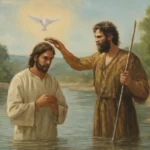
The Jordan River has held symbolic power across the centuries. In Christian tradition, the river is inseparable from the life of Jesus, who is described in the Gospels as being baptized by John the Baptist in the Jordan near the place where the river runs toward the Dead Sea. That single event has reverberated through time, giving birth to a long-standing practice of pilgrimage and ritual immersion along the river’s banks. For many believers, a journey to the Jordan region is a way to connect with early Christian memory and to reflect on themes of repentance, rebirth, and spiritual renewal. For others, the experience is rooted in cultural heritage and the chance to walk the same landscapes that shaped biblical narratives.
Over the centuries, Christians and other visitors have used the Jordan River as a setting for baptismal rites, often in holds that blend local customs with liturgical tradition. In the medieval and Crusader periods, pilgrims visited popular sites associated with biblical events, and later generations established formalized locations that could accommodate visitors, clergy, and laypeople alike. In modern times, the display of baptismal sites became an organized aspect of religious tourism and ecotourism, with clear access points, interpretive information, and facilities designed to manage large groups while preserving the dignity of the rite and the sanctity of the landscape.
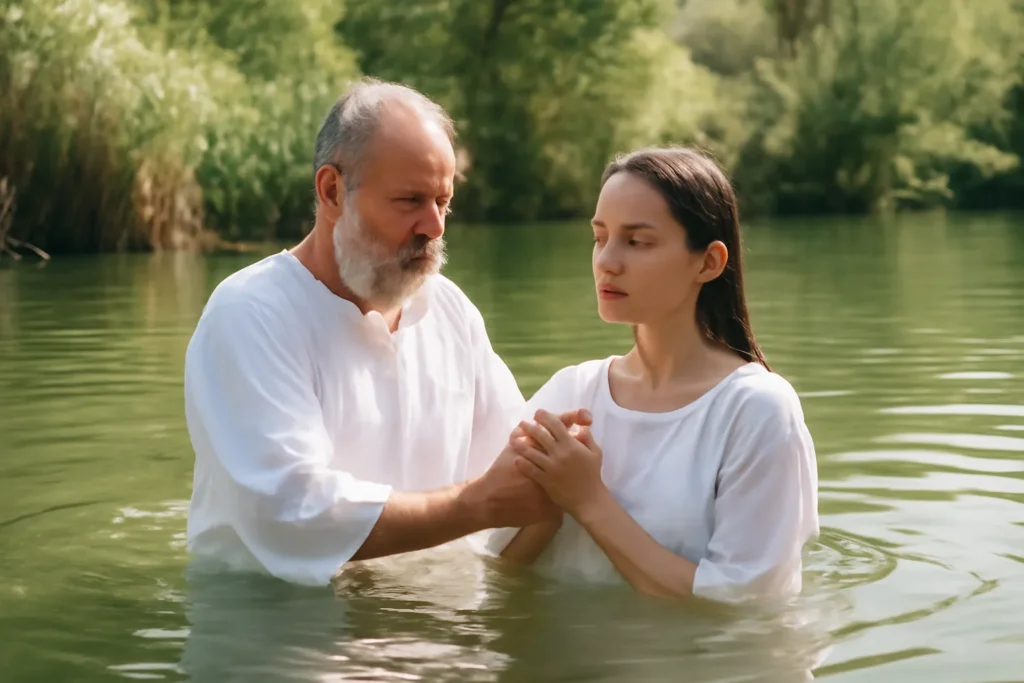
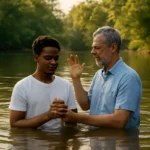
As you embark on baptism tours in the Jordan River, it is helpful to remember that the act of immersion is often optional and is interpreted differently by different denominations. Some participants seek a personal moment of prayer as they dip into the cool waters, while others participate in a baptismal ceremony conducted by a clergy member. In all cases, the journey emphasizes humility, reflection, and respect for sacred spaces. The river’s relatively shallow, flowing waters and the broad riverbank habitats contribute to a sense of quiet, even in the company of other visitors and pilgrims.
Iconic sites for Jordan River baptism tours and what to expect at each
Yardenit Baptism Site (Israel, near the Sea of Galilee)
One of the most recognizable anchors for baptism along the Jordan River is Yardenit, a purpose-built baptism site located near the northern shore of the Sea of Galilee. Opened in the late 20th century, Yardenit presents a pedestrian-friendly riverside setting with landscaped banks, calm currents, and facilities designed to accommodate pilgrims from many backgrounds. It’s a popular stop for group tours as well as individual travelers who want a clear, well-marked space to participate or observe a baptism.
Facilities: changing rooms, restrooms, and shaded areas; baptism pools and a river access point with a gentle entry.
Ritual options: many visitors opt for a private moment of prayer at the water’s edge, while others participate in small symbolic immersions led by clergy from participating denominations.
Timing: mornings and late afternoons tend to be cooler and less crowded. The site is generally open year-round, though weather can influence comfort outdoors.
Accessibility: designed to be accessible to families and individuals with limited mobility, though certain river access points involve stairs or graded paths.
Visiting Yardenit is often included in itineraries that circle the Galilee region, making it a convenient inclusion for baptism tours in the Jordan River that also cover other sacred sites around Tiberias, Nazareth, and the surrounding countryside. The site’s design tends to emphasize clarity and practicality, which makes it an excellent educational entry point for first-time visitors curious about the practice and symbolism of baptism.
Qasr al-Yahud Baptism Site (West Bank/Jerusalem area)
Known historically as a traditional site associated with Jesus’ baptism, Qasr al-Yahud sits along a section of the Jordan River in the Jordan Valley, near the area that has seen careful infrastructure development in recent decades. This site is widely referenced in travel literature and pilgrimage planning as a location that emphasizes historical continuity with biblical narratives. For many travelers, a stop at Qasr al-Yahud provides a sense of stepping into a living memory—where the river’s water continues to carry spiritual resonance for contemporary worshipers as well as scholars and curious observers.
Layout: a series of leveled riverfront platforms and steps that descend toward the water, balanced with contemplative spaces and congregational areas.
Access: entry is generally organized through established routes that can accommodate groups with varying levels of mobility; guides may explain the historical context and rites associated with baptism.
Photographic etiquette: visitors are typically encouraged to be mindful of religious sensitivities and the experiences of others on-site; always check with your guide about when and where photography is appropriate.
When planning to include baptism at Qasr al-Yahud, travelers should consider cross-border logistics and how to integrate border controls and local permits into their overall itinerary. Some tours combine this site with experiences in the Jerusalem area, the Judean wilderness, or the broader Jordan Valley landscape, offering a powerful continuity between ancient memory and modern travel infrastructure.
Bethany Beyond the Jordan (Al-Maghtas) – Jordan side
Across the river from the traditional sites of the Judean hillside is the Jordanian landscape of Bethany Beyond the Jordan, commonly known as Al-Maghtas. Recognized by UNESCO as a World Heritage site, Al-Maghtas represents the broader historical complex that includes baptismal pools, early Christian churches, and a landscape that extends along the river’s edge. For many Jordan River baptism tours, Al-Maghtas is the centerpiece, offering a tangible sense of where baptismal rites likely occurred in antiquity and where later generations built memorials and pilgrimage infrastructure.
Why visit: this site offers a more expansive sense of the baptism narrative, with ruins, monasteries, and a sense of being on the ancient pathway that linked pilgrimage routes with river crossings.
Facilities: modern visitor centers, interpretive panels, and organized transport between key locations; some sites offer baptisms in designated pools or shallow river sections.
Tips: combine a visit to Al-Maghtas with a stop at the Dead Sea or the cliffs and canyons that define the Jordan Valley for a broader understanding of the region’s geography and spirituality.
Other sites and lesser-known possibilities for Jordan River baptism tours
A handful of smaller churches, monasteries, and private properties line portions of the Jordan River and its tributaries. While not all are formal baptism sites, many offer ceremonial immersion opportunities or symbolic baptisms during special feast days or missionary-led events. If you are pursuing a baptismal tour along the Jordan River with a specific tradition in mind, your guide or operator can often arrange a visit to a private site or a church that hosts a ritual immersion for their parishioners. These experiences can broaden your sense of how different Christian communities interpret baptism and how local landscapes support spiritual practices.
The evolution of baptism along the Jordan River: from ancient rites to modern tours
The concept of baptism along the Jordan River has evolved in tandem with religious and cultural shifts. In the earliest Christian period, baptism was a private or semi-public rite administered within local communities. As Christian centers grew and pilgrim networks expanded, designated river sites began to host larger groups and more formalized practices. In the medieval era, pilgrims often followed routes associated with biblical events, and monastic and church authorities played a central role in guiding rituals, marshaling resources, and preserving sacred spaces along the river.
The modern era brought a structured tourism framework to baptism tours in the Jordan River. Operators now coordinate cross-border logistics, security and safety protocols, and interpretive programming that helps visitors understand the river’s geography, hydrology, and history. Inclusive approaches have emerged, highlighting not only the spiritual dimensions of baptism but also the river’s ecological importance, water stewardship, and the livelihoods of people who depend on the river for agriculture, tourism, and daily life. By presenting a holistic view, contemporary Jordan River tours invite travelers to engage with history, faith, and the natural environment in a respectful, informed way.
As you browse possible itineraries for baptism in the Jordan River tours, you will notice a spectrum of experiences—from quiet, personal immersion moments to large, organized ceremonies led by clergy from multiple denominations. While each tour has its own rhythm, the underlying thread remains universal: an encounter with a place that has shaped memory, faith, and landscape for generations. Visitors often report a sense of reverence, awe, and gratitude as they step into the water or stand along the riverbank to listen to readings and reflections. The setting—sunlight on the water, the surrounding hills, and the distant sounds of birds or city life—contributes to a mood that many describe as transformative or gently enlightening.
Practical tips for planning a respectful and rewarding Jordan River baptism tour
Whether you call it a baptism tour in the Jordan River or a journey to specific baptismal sites along the Jordan River, preparation matters. Here is a practical toolkit to help you plan effectively and respectfully.
Choose the right operator: Look for reputable tour companies with clear itineraries, transparent pricing, and experience coordinating cross-border logistics if you intend to visit multiple countries (Israel, Jordan, and territories in between). Read traveler reviews and ask about how they handle sensitive religious sites and respect for local communities.
Define your goals: Are you seeking a personal moment of renewal, a historical understanding of biblical geography, or a family-friendly experience that educates children about faith and geography? Clarity will guide site selection and pacing.
Season and timing: Spring and autumn typically offer mild weather for outdoor activities and riverbank walks. Summer can be hot near the water, while winter mornings can feel cool. Plan to be flexible if you want to combine river immersion with other outdoor activities or archaeological visits.
What to wear: Wear comfortable, modest clothing appropriate for religious sites. For water immersion, bring quick-dry garments, a change of clothes, a towel, and a small bag to keep belongings dry. Some sites provide modest swimwear guidelines or rental options; check in advance.
What to bring: Sunscreen, a hat, water, a light rain jacket if there is a chance of showers, and a secure way to store valuables. If you intend to photograph close-ups of the rite, carry extra batteries or a waterproof camera case as needed.
Ritual etiquette: Be mindful of the sacred nature of the rite. Follow the guidance of clergy or site staff, keep voices respectful, and avoid disrupting ceremonies or private moments of prayer. Dress modestly, remove hats if requested, and observe any gender-specific guidelines if present at the site.
Photography and media: Some sites restrict photography during the actual immersion. Always ask before filming or taking close-up images of participants during a baptism; respect any requests from clergy or site managers.
Cross-border considerations: If your itinerary includes both Israel and Jordan, anticipate border crossings, visa requirements, and a possible need to join a single operator for seamless logistics. Confirm whether your guide can provide any required documentation for entry or exit and how to handle customs if you carry religious items or media equipment.
Health and safety: The water can be cool and the riverbed uneven. Move slowly, stay with your group, and avoid slippery rocks. If you have medical needs or mobility concerns, share them with your operator in advance so arrangements can be adapted.
Respect for local communities: Support local guides and businesses, and follow practices that support river conservation and cultural sensitivity. Pick operators who emphasize environmental stewardship and community engagement, and take care not to litter or disturb wildlife along the riverbank.
Cultural sensitivity, environmental stewardship, and the Jordan River experience
The Jordan River region sits at the intersection of sacred narratives, diverse communities, and delicate ecosystems. When planning baptism tours in the Jordan River, travelers have a responsibility to approach the experience with cultural humility and environmental awareness. Simple steps—using reusable water bottles, minimizing waste, staying on marked paths, and following posted guidelines—help protect water quality and preserve the river’s natural beauty for future visitors and for the communities that rely on it for daily life and livelihoods.
Additionally, many sites are working to tell the historical and spiritual stories in inclusive ways. This means listening to local guides, acknowledging different religious traditions that honor the river, and recognizing that access to sacred spaces can be deeply meaningful for some and meaningful yet different for others. Responsible travelers will honor these differences, ask questions respectfully, and choose experiences that align with their values while supporting the integrity of the sites themselves.
A typical itinerary for baptism in the Jordan River tours might blend sacred site visits with broader cultural experiences. Expect a mix of walking on riverbanks, short drives through scenic valleys, and opportunities to hear interpretive talks about the river’s hydrology, geography, and history. If you participate in an immersion ritual, you may find a calm tempo—allowing time for prayer, reflection, and personal quiet moments. For groups, a guide often reads a short meditation or biblical text, followed by a moment of individual contemplation or a shared blessing.
In many itineraries, you will have the chance to compare different sites—seeing how each location interprets baptism, landscape, and history. The experience can be especially meaningful when you experience more than one site: for instance, combining an immersion moment near the Sea of Galilee with a visit to Al-Maghtas in Jordan and a ceremonial reading at Qasr al-Yahud near Jerusalem. This broadens understanding of the Jordan River as a living landscape where ancient memory and modern life meet.
Common questions about baptism in the Jordan River tours
Is baptism at these sites mandatory or open to all faiths? Most sites welcome visitors from many backgrounds. Immersions are typically voluntary and offered as ceremonial opportunities. Denominational guidelines and local customs may influence whether a particular rite is performed during your visit, but all sites emphasize respect and inclusive hospitality.
Do I need to be baptized to join a Jordan River baptism tour? No. These tours are educational and devotional experiences that cater to curious travelers as well as those seeking a religious rite. You can participate in the educational aspects, attend ceremonies, or opt to take part in the immersion if you wish.
How long do typical ceremonies or immersions last? Immersions are usually brief, often just a few minutes, but the surrounding rituals, music, or prayer readings can extend the experience. Plan extra time in your itinerary to accommodate variability in schedules and group dynamics.
Are there safety or health concerns I should know about? Water temperatures can be chilly, and river bottoms can be slippery. Always follow guide instructions, stay with the group, wear appropriate footwear, and avoid entering restricted areas. If you have medical conditions, discuss plans with your operator beforehand.
What about dress codes for sites along the Jordan River? Modest dress is typically requested, with shoulders and knees covered, especially at religious sites. Some locations may have stricter requirements for entry or participation in rites. Always check ahead with your guide and site staff.
Can families and children participate? Many sites welcome families. Check with your tour operator about age guidelines for immersions and ensure safety considerations are met for younger participants.
What should I do if I want to combine a baptism tour with other discoveries in the region? Coordinate with your operator about travel logistics, visa requirements, and travel time between Israel, the West Bank, and Jordan. Many itineraries are designed to pair sacred sites with archaeological parks, markets, and natural attractions.
Plan a thoughtful and inclusive Jordan River baptism journey
When you approach baptism tours in the Jordan River with curiosity, respect, and careful planning, you create space for a meaningful encounter with landscape, history, and faith. The experience can be both personal and collective: a quiet moment beside the water, a shared moment of reflection with your group, and an opportunity to learn about how different communities read the biblical narrative and steward the river today. Whether you are drawn to the ritually rich environment of Bethany Beyond the Jordan in Jordan, the pilgrim-focused atmosphere of Qasr al-Yahud near Jerusalem, or the accessible immersion experience at Yardenit, you will encounter a river that continues to shape memory, identity, and travel in the region.
To make the most of your baptism in the Jordan River tours, approach planning with a flexible mindset and a readiness to learn. The landscape and the rites you encounter are as diverse as the people who visit them. By combining historical insight with practical preparation, you can enjoy a journey that is informative, moving, and respectful of sacred spaces and living traditions alike.





Leave a Reply