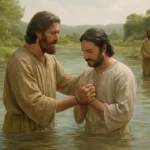
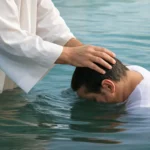
A river baptism is a public, ceremonial act that takes place in flowing water, often in a natural river or an accessible stream. It is chosen not just as a dramatic backdrop, but because water in motion symbolizes transformation, cleansing, and renewal. In many traditions, the river offers a powerful metaphor for movement—from old life toward new life, from sin toward grace, from isolation to incorporation within a faith community. When a person steps into the flowing current and emerges from it, the scene becomes a vivid narrative about death and resurrection in a spiritual sense, a profound expression of conversion, covenant, and accountability to others.
The phrase river baptism is a way to describe the setting, but the deeper meaning lives in the symbolism of immersion, identification with Christ, and witness to the public. In biblical language, immersion in water is often presented as a rite that joins the believer to Christ’s own death and resurrection—dying to an old self and rising to a new life. This is not merely a private moment; it is a communal event that invites the gathered community to witness, affirm, and support the journey of faith.
The practice can be understood through several core significances that are common across denominations:
Profession of faith and a public declaration of trust in Jesus Christ.
Entrance into the church or Christian community as a member in good standing, often with a ceremony of welcome.
Symbolic cleansing from sin and the start of a life oriented toward spiritual growth.
Union with Christ in a spiritual sense, echoed by the baptismal rite in scripture’s language of burial and new life.
While the specifics of river baptism can vary, the essential idea remains: the water points to a transition—an intentional turning toward faith that is both personal and communal. The river setting, with its natural beauty and its continuous motion, can heighten the sense that faith is a journey, not a static moment.
Historical Background and Theological Context
The practice of baptism in water is deeply rooted in the biblical narrative and has been shaped by centuries of church life. When we speak of baptisms in rivers, we are often thinking of a form of baptism that emphasizes believer’s baptism, public profession, and the use of natural water as a scripturally resonant medium.
Origins in Christ's Ministry and Early Church
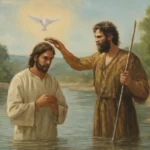
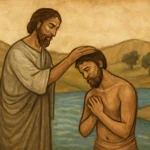
The earliest baptisms recorded in the New Testament occur after a calling to repentance and faith. The baptism of Jesus himself by John the Baptist in the Jordan River is a foundational moment, marking the inauguration of Jesus’ public ministry and illustrating the theological significance of identifying with the divine plan. The river, in this sense, is not incidental; it is a vivid backdrop for recognizing the end of one era and the dawn of another.
In the early Christian communities, baptism tended to be closely associated with confession and immersion. Some passages describe baptism as a dipping into water that mirrors the believer’s union with Christ—crucial for young churches seeking to define themselves and distinguish the new faith from competing religious currents. Over time, different theological streams shaped baptism differently: some emphasized infant baptism, others emphasized adult conversion and immersion, and many communities preserved the ritual as an act of obedience in the name of the Father, the Son, and the Holy Spirit.
Development Through the Ages
Across the medieval and Reformation periods, baptism in natural waters continued to be significant for many communities. In rural settings, baptism in rivers or streams offered a practical and symbolic way to enact the faith within the surrounding landscape. The reformation era, in particular, brought a renewed focus on believer’s baptism and deliberate confession of faith, which in practice often took place in rivers for those communities that preferred immersion and public testimony.
Variants of the river baptism tradition appeared in different regions and denominations:
Baptist and Anabaptist traditions, with an emphasis on full immersion and personal profession of faith, often occurring in rivers or other natural bodies of water.
Evangelical and Pentecostal circles, which may use rivers or shallow streams for baptism as a sign of the Spirit’s work and public proclamation.
Orthodox and Catholic communities, where baptism ordinarily occurs in church font or pool, but historical and occasional river baptisms can be found in missionary or frontier contexts, reflecting the practical and symbolic appeal of water as a cleansing symbol.
Today, the river continues to function symbolically as a natural sacrament in many communities. The choice of water as the medium is not merely a tradition; it resonates with themes of creation, renewal, and the movement of the Holy Spirit. When conducted with pastoral care, the river baptism can be a compelling rite that connects the ancient church’s meanings to contemporary faith journeys.
Different Traditions and the Practice of River Baptism
Baptists and Anabaptists
The biotic core of river-based baptism for many Baptists and Anabaptists is the conviction that baptism follows a conscious decision of faith. In these communities, immersion is typically understood as a full submersion under the water, symbolizing death to the old life and resurrection to new life in Christ. When they choose river immersion, it highlights the humility of the participant and the vulnerability of publicly confessing faith before a gathered community and God.
Practical aspects include:
Acquiring public consent from guardians when minors are involved.
Ensuring the candidate is old enough to articulate a personal faith commitment.
Providing a space for testimony before the submersion, often with the pastor or elder guiding the order of service.
Roman Catholic and Orthodox Perspectives
In Roman Catholic tradition, baptism is generally administered in a church setting, symbolizing entry into the body of Christ within the liturgical context. In remote or frontier regions, or for humanitarian reasons, baptism by immersion in a river may occur as a practical alternative, especially when a church facility is unavailable. In the Orthodox tradition, baptism is typically by immersion, but the standard practice is within a baptismal font in the church. However, the spiritual symbolism of water as a cleansing and life-giving force translates well to river settings when pastoral discretion allows.
Protestant and Evangelical Traditions
Many Protestant communities emphasize the symbolic dimension of baptism as an outward sign of an inward faith. River baptism fits well with a narrative of natural revelation—God’s gift of creation and grace expressed through a natural setting. In these circles, the river becomes a witness to individuals who have chosen to follow Christ, and the public nature of the act serves as accountability and encouragement for the wider faith family.
Pentecostal and Charismatic Practices
In some Pentecostal and charismatic contexts, river baptism is celebrated as a visible sign of the transformative work of the Holy Spirit. The emphasis may be on the immediacy of conversion, the power of public declaration, and the experiential aspect of faith. It is not uncommon for these ceremonies to be celebratory, with singing, prayer, and testimonies accompanying the immersion or pouring (depending on local practice).
A successful river baptism begins long before the moment of submersion. The site selection should consider flow rate, depth, water temperature, currents, accessibility, and safety. The organizers typically choose a stretch of river that is wide enough for a small audience, with a calm area suitable for safe immersion or pouring. Environmental concerns are essential; organizers should avoid polluted or restricted areas and protect local wildlife and ecosystems.
Pre-Baptism Instructions and Counseling
Before the ceremony, candidates often participate in baptism preparation or counseling. This may include a time of testimony, a confession of faith, and instruction about the meaning and commitments involved in the rite. The preparation period helps ensure that participants understand the symbolism of the act and its implications for their life in the faith community.
Modes of Baptism: Immersion, Pouring, and Variants
While immersion in flowing water is the most vivid form in a river setting, some traditions may opt for pouring baptism if the depths of the river are insufficient. When salt or clean water is used for symbolic reasons, or when safety requires, pouring can serve as a legitimate alternative. In all cases, theological interpretation, church guidance, and the candidate’s conscience should guide the method.
The Baptismal Experience: Order of Service
A typical river baptism order includes:
Public welcome and opening songs by the gathering community.
Brief exhortation or reading from scripture about faith, forgiveness, and new life.
Testimony by the candidate describing their faith journey (optional but common).
Formal declaration of the baptismal vows or confession of faith.
The actual immersion or pouring, performed by the designated pastor or minister, often accompanied by a blessing or prayer.
Post-baptism celebration with gratitude and encouragement from the community.
Post-Baptism: Witnesses, Documentation, and Records
After the rite, many traditions record the baptism in church records. This documentation helps affirm the individual’s membership and provides a lasting record for the faith community. Some groups also provide a brief testimony for publication in church bulletins or on digital platforms, reinforcing the collective memory of the event.
River settings demand careful safety planning. Lifeguards or designated safety stewards may be present. The organizers should have a plan for weather changes, sudden currents, and emergencies. Accessibility considerations ensure that participants with mobility challenges can engage meaningfully, whether through riverbank steps or alternative arrangements that preserve the sacred character of the rite.
Planning and Conducting a River Baptism
Practical Preparations
Planning a river baptism involves coordinating with landowners or authorities if a public waterway is involved, obtaining any necessary permits, and arranging logistics for guests, photographers, and sound if used. It also means preparing the candidate spiritually and emotionally for the moment, ensuring family and sponsors understand their roles, and arranging for post-ceremony hospitality.
Sample Step-by-Step Plan
Define the purpose, date, and time of the ceremony, aligning with the church calendar and weather patterns.
Choose a river location that balances symbolism, safety, and accessibility.
Assemble a team: a pastor or minister, safety stewards, a witness or testifier, and volunteers for logistics.
Prepare the candidate’s testimony and private counseling notes, ensuring consent for public sharing.
Coordinate with photographers or videographers, if desired, and obtain consent for recording.
Prepare the baptismal order of service, including songs, prayers, scripture readings, and the blessing.
Carry out the ceremony with a clear sequence, ensuring safety and reverence throughout.
After the rite, provide space for testimony, reflection, and fellowship, with a plan for follow-up discipleship.
Sample Order of Service (River Setting)
This sample outlines a flexible framework that can be adapted to many contexts:
Opening song or hymn, led by worship team or soloist.
Scripture reading relevant to baptism and faith (for example, Romans 6:3-4).
Pastoral welcome and brief exhortation about the meaning of baptism in the Christian life.
Candidate’s testimony or a short reflection by a church member who can speak to the candidate’s faith journey.
Immersion or pouring, conducted with a blessing and prayer for the candidate.
Closing remarks, benediction, and a time of communal celebration.
Environmental Stewardship and Respect for Creation
Because river settings are part of the natural world, it is important to practice environmental stewardship during the ceremony. This may include avoiding disruption of wildlife, using biodegradable materials for non-consumables, and cleaning up thoroughly after the service. Respect for the river, its locals, and other water users should guide every aspect of the planning and execution.
Symbolism and Theological Reflections
The river baptism embodies a multi-layered symbolism that can enrich reflection before, during, and after the rite. Here are some of the most meaningful facets:
Identification with Christ: The act of going under and rising up mirrors how Christians identify with Jesus’ death and resurrection.
Cleansing and renewal: Water is a symbol of purification, representing the washing away of sin and the start of a transformed life.
Public witness: The presence of witnesses, including the faith community, signifies accountability and mutual encouragement in the Christian journey.
Death to the old self, life in the Spirit: The ritual language emphasizes turning from old patterns to new life in Christ, aided by the Holy Spirit’s ongoing presence.
The theology of immersion is not a single formula; it engages with diverse biblical images—rebirth, belonging to the body of Christ, and participation in the ongoing mission of the church in the world. A river baptism in particular invites believers to contemplate horizons beyond the church walls: creation, the rhythm of seasons, and the currents of history that converge in a single moment of faith.
While not a doctrinal rule book, scripture offers guiding images for the practice:
Matthew 3:13-17: Jesus’ own baptism by John, a model for humility and obedience.
Romans 6:3-4: The symbolic death and new life that baptism represents.
Colossians 2:12: Being buried with Christ in baptism and raised with Him through faith.
Acts 8:38: Demonstration of belief before baptism in some New Testament contexts.
Practical Considerations and FAQs
Common Questions about River Baptism
River-based baptism can raise practical questions about authenticity, safety, and community reception. Here are some commonly asked questions and concise responses:
Is river baptism legitimate for all denominations? It depends on tradition and local practice. In many traditions, baptism in any suitable body of water is recognized when it aligns with doctrinal understandings of baptism’s meaning and mode.
What if the river is too cold or currents are strong? The safety plan should anticipate adverse conditions. When conditions are unsafe, postponement or an alternative method (such as a temporary baptismal pool) is appropriate.
Can children or non-adult participants be baptized in a river? Many communities require a clear personal confession of faith, which often means a readiness and understanding appropriate for the participant’s age and maturity.
How do we protect the privacy and dignity of the candidate? Structure the ceremony with reverence, limit unnecessary spectatorship, and provide private moments for prayer and reflection as needed.
River baptismal ceremonies should strive for inclusivity. This includes providing ramps or accessible pathways for participants and guests, offering accommodations for people with disabilities, and ensuring that the ceremony is meaningful for families and friends of diverse backgrounds.
Post-Ceremony Care and Follow-Up
After a river baptism, congregations often emphasize discipleship and community support. This can include a formal follow-up plan, mentorship relationships, and spiritual formation opportunities that help new believers integrate into the life of the church.







Leave a Reply