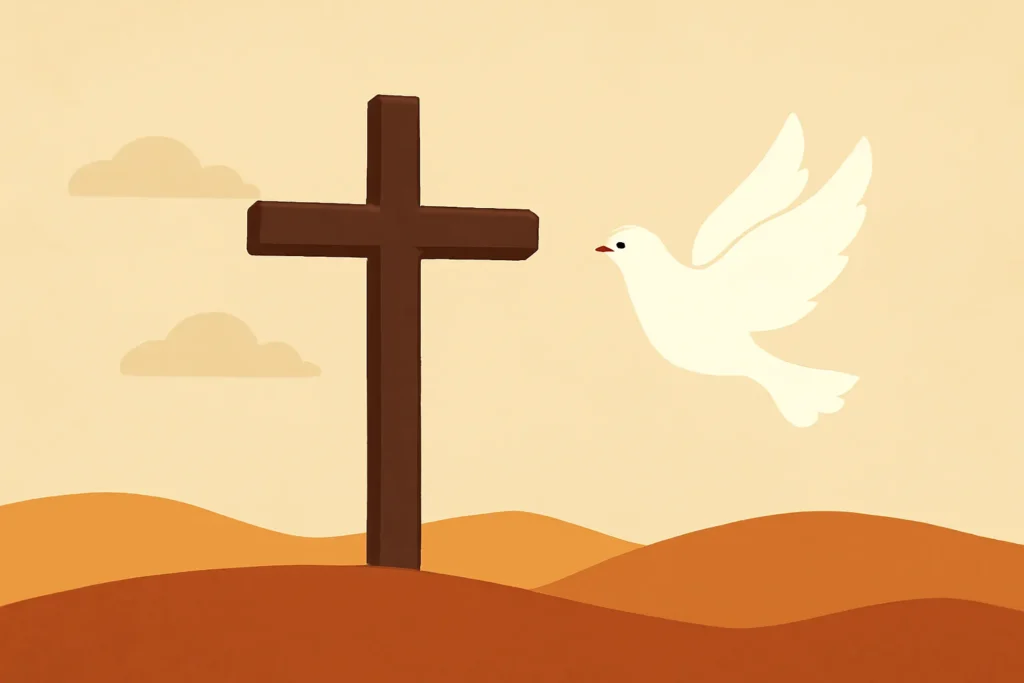
At the heart of Christian faith is the declaration that there is one God who reveals Himself in distinct ways that are united in a single divine essence. This is expressed in the doctrine of the Trinity, which holds that God exists as three coequal, coeternal persons—the Father, the Son, and the Holy Spirit—yet there is only one God, not three gods. Christians confess that these three persons share the same divine nature, so that to know one is to encounter the living God who relates to creation in diverse, purposeful ways.
This understanding shapes how believers speak about God: as a personal, intelligent, and holy being who is both transcendent and immanent. The Father is often understood as the source and origin of all things, the Son as the Word made flesh who reveals God to humanity, and the Spirit as the living presence who dwells within and among believers. Across Christian traditions, the Trinity remains a central framework for articulating how God acts in creation, in the history of Israel, and in the life of the church.
In daily life, this belief translates into the conviction that God desires relationship with human beings, that He is trustworthy and compassionate, and that His salvation plan is personal and communal. It also means that Christian worship typically honors each person of the Trinity, acknowledging the distinct roles they play in creation, redemption, and ongoing renewal of the world.
The Person and Work of Jesus Christ
Jesus as the incarnate Son of God
Central to Christian faith is the conviction that Jesus Christ is the eternally begotten Son of God, who became fully human while remaining fully divine. This is the doctrine of the incarnation. Through His life, He reveals the character of God, embodies perfect obedience, and models what it means to live in relationship with the Creator. Christians affirm that Jesus’ birth, life, and ministry inaugurate God’s kingdom and invite people into a transforming encounter with love, justice, and mercy.
Life, crucifixion, and death as atonement
Christ’s ministry culminates in His crucifixion, where He bears the weight of human sin and defeat, offering Himself as a substitute for sinners. This act is understood as the atonement, a divine rescue that reconciles humanity to God. Different Christian traditions emphasize various facets of the atonement, but the common heartbeat is that Jesus willingly gave His life to remove the barrier between God and people and to satisfy the moral and cosmic demands of justice.
Resurrection, ascension, and lordship
Christ’s bodily resurrection from the dead defeats death and signals the opening of new life for all who trust Him. The resurrection confirms Jesus’ divine identity, validates His teaching, and inaugurates the hope of lasting transformation. After appearing to His followers, Jesus ascends to the right hand of the Father, where He continues as Lord of all, reigning with authority and interceding for believers. The risen Christ has already begun the final restoration of all things, a work that will be completed at the end of the age.
Second coming and present kingly rule
Many Christian traditions teach that Jesus will return in glory to judge the world and to renew creation. This future event is not merely a distant hope; it shapes ethics, mission, and perseverance in faith. Jesus’ return will bring the fullness of God’s kingdom, gathering believers, vindicating the righteous, and transforming creation into harmony with God’s design.
The Holy Spirit and Life in the Spirit
The Holy Spirit is the third person of the Trinity, active in creation, conviction, regeneration, and empowerment. Christians affirm that the Spirit is sent by the Father and the Son to dwell within the faithful, guiding them into truth and producing spiritual fruit. The Spirit’s work includes regeneration (new birth), illumination (understanding Scripture), and the steady empowerment of believers for holy living and effective witness.
Gifts, fruit, and ongoing formation
Within many Christian communities, the Holy Spirit equips believers with diverse spiritual gifts—abilities for teaching, healing, service, proclamation, and more—that build up the church and serve the common good. The presence of the Spirit is also described as fruitful transformation, with growth in love, joy, peace, patience, kindness, faithfulness, gentleness, and self-control. This ongoing work of the Spirit enables Christians to live in a manner that reflects the character of Christ in daily decisions, relationships, and work.
Church life and Spirit-led mission
Believers understand that the Spirit not only energizes individual life but also unites communities. The Spirit fosters unity in diversity, guides discernment in community life, and equips congregations to participate in God’s mission. In short, the Spirit empowers both worship and service and sustains the church as it seeks to imitate Jesus in a complex world.
Christians hold that the Bible—composed of the Old and New Testaments—is the inspired and authoritative revelation from God for faith and life. While Christians disagree about certain interpretive methods, the conviction that Scripture communicates God’s will remains central. The Bible is regarded as a trustworthy guide for understanding who God is, who humans are, and how God desires people to live.
Canon, inspiration, and interpretation
The collection of books recognized as authoritative—the canon—is believed to be inspired by God so that its message is reliable for forming belief and informing conduct. Diverse Christian traditions approach interpretation with respect for historical context, literary genre, and the overarching story of Scripture. Yet across traditions, there is a shared conviction that Scripture points beyond itself to Jesus Christ and provides the criteria for evaluating faith and practice.
Tradition and reason in balance
Many Christian communities also honor tradition and use reason as part of the process of discerning God’s will. The phrase Scripture, tradition, and reason captures a broad approach to understanding doctrine: Scripture as the primary source, tradition as the lived memory of the church, and reason as the tool for careful interpretation in changing cultural contexts. Together they help the church apply biblical truth to contemporary life without compromising core commitments.
Humanity, Creation, Sin, and the Plan for Redemption
Christians begin with the belief that humanity, like the rest of creation, is the result of God’s intentional design. Human beings are described as created in the image of God, endowed with dignity, moral responsibility, and the capacity for relationships with God and others. However, humanity’s freedom was exercised in disobedience, an act commonly termed the fall, which introduced brokenness, suffering, and moral ambiguity into the world.
Sin, guilt, and consequences
Sin is presented as anything that falls short of God’s will or harms neighbor and self. It creates a barrier between people and God and disrupts the harmony of creation. The consequences of sin are profound, including spiritual deadness, alienation, and the need for reconciliation. The Christian story centers on God’s plan to address sin through forgiveness, transformation, and restoration.
Creation’s restoration and the hope of renewal
Rather than leaving humanity in despair, Christians believe that God’s redemption plan unfolds through Christ and the Spirit, culminating in the renewal of all things. This includes personal salvation for individuals, communal transformation in the church, and the ultimate restoration of creation to its intended harmony with God. The narrative of Scripture thus moves from creation to fall, from redemption to consummation, inviting believers to participate in God’s ongoing work in the world.
Salvation: How Humans Are Made Right with God
Central to Christian belief is the idea that salvation is a gracious gift from God, received by faith, and evidenced in transformed life. This salvation is not earned by human merit or works alone but is made effective through God’s grace and faith in Jesus Christ. Within this framework, several interrelated aspects explain how Christians understand being made right with God.
Grace, faith, and justification
Grace refers to God’s unmerited favor toward sinners. It is the source of salvation, not something humans achieve by their own effort. Faith is the human response that trusts in Christ and receives the gift of salvation. The doctrine of justification emphasizes that, through faith, a person is declared righteous in the sight of God because Jesus has borne the penalty for sin. This is not a claim about perfect moral performance but about a right standing before God secured by Christ’s work.
Beyond forgiveness, God adopts believers as His children, giving them a share in His life. The Spirit brings regeneration, a spiritual birth that makes new life possible. This new life is characterized by ongoing sanctification, a growth in holiness as believers become more like Christ in love, pattern of thinking, and conduct.
Sanctification, perseverance, and the future hope
Sanctification is both a divine work and a human cooperation in growing in righteousness. Believers strive to live in obedience to God’s commands, empowered by the Spirit. The journey of faith often includes testing and growth, yet many Christians hold that true believers are kept by God’s faithfulness and are eventually brought to completion in eternal life. This process culminates in the future hope of resurrection and the restoration of all things.
Sacraments and Ordinances: Practices that Unite Belief and Life
Across Christian traditions, certain practices are viewed as outward signs of inward grace and as aid to faithful living. While terminology varies, the interpretive emphasis remains on the integrity of the gospel and the symbol’s role in forming community and devotion.
Baptism
Baptism is commonly understood as a rite of initiation that signals entry into the people of God. It depicts the believer’s identification with the death and resurrection of Christ, symbolized by immersion in water or other water rites, depending on tradition. Baptism is often associated with repentance, faith, and belonging to the church community. For many Christians, it is an important public profession of faith and an acceptance of inclusion into the life of the church.
The Lord’s Supper (also called Eucharist or Communion) honors the memory of Jesus’ last supper with His disciples. Depending on tradition, the elements are understood as symbols or as effectively conveying grace in some manner. What remains central is the communal aspect: sharing the meal together as a reminder of Jesus’ sacrificial love, His ongoing presence, and the unity of the church as one body in Christ.
The Church: A Community for Worship, Instruction, and Mission
The church is understood as the gathered community of people who trust in Christ, receive the Spirit, and commit themselves to Christ’s mission. It is not merely a human club or organization but a living body animated by the Spirit. The church serves several integral purposes: worship of God, teaching and formation in faith, mutual care for members, and participation in God’s mission to the world.
Worship centers on God’s glory, Christ’s saving work, and the Spirit’s presence. Teaching and preaching ground belief in a biblically faithful way, while fellowship and mutual care cultivate accountability, encouragement, and love within the community. Believers are encouraged to use their gifts to serve others, reflecting the unity of the body of Christ across cultural and social differences.
Mission and service
The church is sent into the world to proclaim good news, demonstrate compassion, and work for justice and peace. This includes caring for the poor, defending human dignity, pursuing reconciliation, and seeking to relieve suffering in a way that reflects the love of Christ. In this sense, the church’s life is both a witness to the present reality of God’s kingdom and a foretaste of the coming restoration of all things.
Escthology: Hopeful Outlook on the End Times and Creation
Christian belief includes a hopeful perspective about the future. The Bible teaches that history is moving toward a decisive end when God will fully reveal His purposes, judge the world justly, and bring about a new creation. This eschatological hope shapes how Christians live today, offering courage in suffering, integrity in the face of difficulty, and a confidence that God’s plan will prevail.
Many traditions hold that Jesus will return in glory to establish His reign in a complete and undeniable way. The final judgment will summon all people to account for their actions, beliefs, and loyalties. The standard in this reckoning is the truth of Christ and His gospel, and the result will be the sorting of humanity into eternal life and separation, based on response to God’s grace in Christ.
Heaven, hell, and new creation
Christian hope includes the belief that believers will enjoy the eternal life of joyful communion with God. Some traditions speak of a conscious existence after death immediately with God, while others emphasize the intermediate state until the resurrection. In all versions, the final state is a new creation, where pain, sorrow, and death are vanquished, and God’s healing presence fills the world.
Ethics, Commandments, and the Moral Life
Christian belief is inseparable from a life shaped by love for God and neighbor. The law of Christ is understood as a call to righteousness, compassion, and justice that flows from faith and gratitude rather than mere obligation. The greatest commandments center on loving God with all one’s heart, soul, mind, and strength, and loving one’s neighbor as oneself. This ethical framework informs personal conduct, family life, work, and social engagement, including issues of truth-telling, integrity, generosity, mercy, forgiveness, and peacemaking.
Love as the guiding principle
Across Christian teaching, love is the fundamental criterion for moral discernment. Believers aim to emulate Christ’s self-giving love, even when the path requires costly sacrifice. Love in action often manifests as service to the vulnerable, hospitality to strangers, and advocacy for justice. Though opinions may differ on specific applications, the underlying motive remains a devotion to God and concern for neighbors’ well-being.
Historical Diversity and Core Unity
Christianity is not a monolith. Over two millennia, diverse traditions—including Roman Catholic, Eastern Orthodox, and various Protestant families—have interpreted Scripture, tradition, and experience in ways that reflect cultural context and theological emphasis. Yet beneath these differences lies a shared core: belief in God’s revelation in Jesus Christ, the work of the Spirit, the authority of Scripture, the grace of salvation, and the call to live as a community of witnesses to the world.
Common ground across traditions
Jesus Christ is the central figure of faith.
The Trinity describes the one God in three persons.
Scripture is the primary guide for faith and life.
Salvation is by grace through faith, not by human merit.
The church is a community called to worship, teach, and serve.
Points of variation
Some differences include the proper mode of baptism, the number and meaning of sacraments, the precise nature of the atonement, views on the millennial timeline, and the precise structure of church authority. These variations are not dismissed as insignificant; rather, they reflect honest inquiry into how best to follow Christ in a given era and culture. The important thing is that Christians remain faithful to the gospel, honor the authority of Scripture, and pursue unity in essential beliefs while allowing for constructive diversity in nonessential matters.
Putting Belief into Practice: Living Out the Christian Faith
Knowing these core beliefs is meant to stir devotion, discipleship, and mission. The practical outworking of Christianity involves regular worship, personal devotion, community life, service, and witness. Believers seek to apply biblical truths to everyday life—whether at home, at work, in school, or in public life—so that faith becomes visible in actions that reflect God’s love and truth.
Prayer, worship, and spiritual disciplines
Prayer is a core practice that enables believers to relate to God, seek guidance, confess sins, and give thanks. Worship expresses adoration for God and is often shaped by Scripture, song, liturgy, and sacramental life. Spiritual disciplines—such as Bible reading, fasting, study, contemplation, and service—help Christians remain rooted in God’s truth and responsive to the Spirit’s leading.
Community life and mission
Christian faith flourishes within a community that practices hospitality, mutual care, and accountability. Churches and small groups become spaces for teaching, encouraging one another, and sharing resources to meet needs. The missionary impulse—from making disciples to serving the marginalized—flows naturally from the conviction that God loves the world and invites people into friendship with Him.





Leave a Reply