How to Become Ordained in Virginia: A Step-by-Step Guide
How to Become Ordained in Virginia: A Step-by-Step Guide
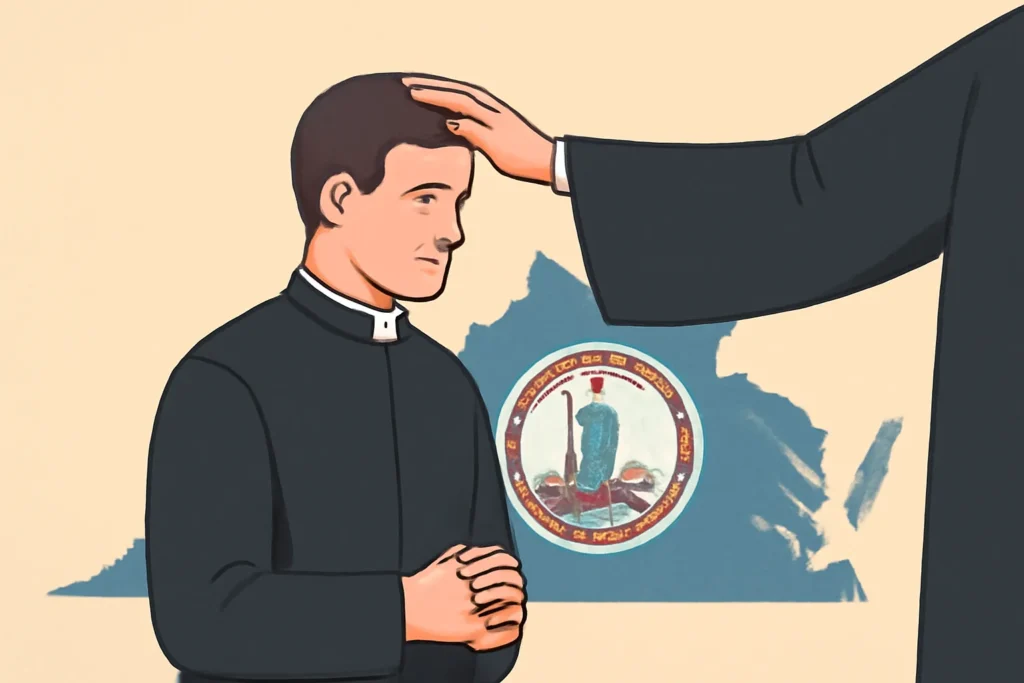
If you have ever felt drawn to officiating weddings, performing ceremonies, or serving as a spiritual guide in Virginia, you may be asking yourself: how can I become ordained in Virginia? This article is a comprehensive, practical guide designed to walk you through the steps, discuss the legal landscape, and help you prepare to officiate with confidence. Whether you are seeking traditional ordination through a church, pursuing a non-denominational online ordination, or simply exploring your options for a legal ceremony in the Commonwealth, you’ll find clear guidance here.
Understanding the Virginia framework for ordination and wedding officiants
Before diving into the steps, it’s helpful to understand the high-level landscape. In Virginia, the authority to perform marriages commonly rests with ordained clergy and other individuals who have been authorized by law or by their religious body to solemnize marriages. The usual path is to join a recognized religious organization and obtain a formal certificate of ordination or letters of authorization from that church or denomination.
The legality of a wedding ceremony in Virginia rests on two intertwined threads: the religious authorization of the officiant and the civil recording of the marriage license. In practice, most couples rely on a clergy member who is clearly empowered by their faith community. However, Virginia law also has provisions for individuals who are authorized under statute to perform marriages. Because local practices can vary by county, it is sensible to verify with the county’s Circuit Court clerk in the jurisdiction where you plan to officiate.
If you are exploring how to become ordained in Virginia for the sake of a future wedding or a broader ministry, this guide will offer a step-by-step pathway, common questions, and practical tips to help you navigate the process smoothly.
Step 1: Clarify your goals and determine the best path to ordination
The first step in your journey is to clarify what you intend to do with your ordination. The path you choose can affect your authority to perform weddings and the kinds of responsibilities you may assume.
Pastoral or ministerial calling: If you want to serve as a regular clergy member who presides over weddings, baptisms, funerals, and other rites, you’ll typically pursue traditional ordination through a recognized church or denomination.
Non-denominational or online ordination: If you are exploring a flexible path or if you want to officiate weddings without joining a traditional church, you may consider an online or non-denominational ordination. In Virginia, many online ordinations are recognized when the ordaining body is a bona fide religious organization and the officiant is authorized to perform marriages by that organization. Always confirm acceptance with the local clerk or the church you affiliate with.
Special circumstances: If your goal is to officiate weddings for a specific community or family—such as interfaith ceremonies or small private gatherings—you might look for an organization that specializes in those ceremonies and offers a clear path to ordination and authorization.
Across these options, you will encounter variations of the phrase become ordained in Virginia. The important thing is to ensure your chosen path grants you clear authority to perform marriages in the Commonwealth and aligns with your spiritual and personal goals.
Step 2: Select an ordaining path and complete preliminary research
With your goal in mind, choose the ordination route that best fits your beliefs, schedule, and responsibilities. Here are common paths and what they typically involve.
Traditional ordination through a recognized church or denomination
Affiliation: Become a member of a church or denomination that ordains ministers or clergy and lists wedding ceremonies as part of your duties.
Candidacy and formation: Complete any required theological study, spiritual formation, and supervised ministry experiences.
Ordination ceremony: Receive formal ordination when your religious body determines you are ready to serve as a clergy member and can perform weddings consistent with church doctrine.
Apostolic or ecclesial authority: Your ordination is typically recognized within your faith community and carries the authority to perform rites and sacraments, including marriages.
Online or non-denominational ordination
Accredited or recognized ordaining body: Choose a reputable organization that ordains individuals to perform weddings and provides you with documentation of ordination, such as a certificate or letters of good standing.
Documentation: Obtain your ordination papers and any supplementary materials offered (e.g., officiant guides, ceremony templates, vows, or registry forms).
Affirmation of legitimacy: Some counties or counties’ clerks may ask for confirmation that the ordaining body is a legitimate religious organization; keep copies of the organization’s mission, bylaws, and contact information.
Regardless of the route you choose, keep in mind that the goal is to have credible authority to stand before a couple and confer their marriage under Virginia law. You should be able to demonstrate that you are officially ordained and that your ordination is valid within your faith community or the organization you joined.
Step 3: Complete the ordination process and obtain your official credentials
Once you have selected a path, proceed to complete the formal steps to obtain your credentials. In all cases, you should end up with a verifiable form of documentation that confirms your status as an authorized officiant.
Documentation you may receive
Certificate of ordination or official ministerial credential.
Letters of authorization or a formal letter from your church or ordaining body granting you the right to perform marriages.
A guide to officiating ceremonies, including sample vows and ceremony structure.
Contact information for your supervising church leader or denominational authority for accountability and ongoing formation.
It is good practice to obtain several copies of your credentials and keep digital copies in a secure location. You may be asked to present your ordination document before performing a ceremony, so having ready access helps ensure a smooth process.
Step 4: Verify how to legally perform weddings in Virginia
The key legal question is how Virginia recognizes an officiant for weddings. In practice, the Commonwealth expects that a marriage ceremony is performed by someone who has the authority to officiate, either through religious affiliation or by legal authorization. Here are the practical steps to ensure you can legally solemnize marriages in Virginia.
Affiliation with a religious body: If your ordination comes through a recognized church, your church will typically authorize you to perform weddings within the church’s guidelines. This is the most common route for Virginia weddings.
Civil or statutory authorization: If you are pursuing a non-religious path or a non-traditional route, check with the local Circuit Court clerk about what the state requires for your particular situation. Some counties may request additional confirmation or documentation.
Documentation readiness: Have your ordination certificate, letters of authorization, or equivalent documentation ready to present as needed during the ceremony or when filing paperwork.
Filing and recording: After the ceremony, the completed marriage license is returned to the clerk by the officiant or the couple, and Virginia records the marriage with the court. Ensure you follow any local filing requirements so the license is properly recorded.
It is important to recognize that local practice can vary by county. To avoid surprises, contact the clerk’s office in the jurisdiction where you plan to officiate and ask:
Do you require any special registration for an online ordinal officiant or a non-denominational minister?
Is a certificate of ordination sufficient, or do you need additional documentation?
Are there specific templates or language you must use or avoid in Virginia ceremonies?
By asking these questions ahead of time, you can avoid common delays and ensure your ceremony complies with Virginia law.
Step 5: Prepare to officiate your first Virginia wedding
With credentials in hand and permissions confirmed, you are ready to prepare for real-world ceremonies. The following steps help ensure a polished, respectful, and legally compliant experience.
Practice and ceremony design
Consult with the couple: Understand their beliefs, preferences, and any interfaith or intercultural considerations.
Co-create the ceremony: Draft a ceremony flow, including opening remarks, vows, readings, and pronouncement. Offer alternatives for couples who want different tones (traditional, contemporary, casual, sacred, or secular).
Customize vows: If the couple requests, help draft or customize vows that reflect their values; ensure they are appropriate and compliant with the couple’s religious or secular preferences.
Music and readings: Choose or coordinate readings, poetry, or songs that align with the couple’s vision.
Logistics: Confirm the time, location, seating, sound equipment, transportation, and contingency plans for weather or other interruptions.
Legal language: Include the required language for marriage under Virginia law (delivery of the marriage by the officiant and the signing of the license), ensuring accuracy and compliance with record-keeping requirements.
Practical tips for your first ceremonies
Arrive early to check the venue, rehearse with the couple, and handle last-minute adjustments.
Dress appropriately for the ceremony style and venue, maintaining a professional appearance that respects the couple and the setting.
Be mindful of inclusivity: Respect diverse beliefs, family structures, and identities; craft ceremonies that honor all participants.
Prepare backups: Have printed copies of your ceremony script, extra vows, and a backup plan for technical issues or delays.
Document and record: After the ceremony, ensure the license is properly completed and filed per local requirements.
Step 6: Maintain your credentials and engage in ongoing preparation
Once you are ordained and actively performing weddings, ongoing development helps you stay current, connected, and effective as an officiant.
Stay in good standing with your religious organization or ordaining body by meeting annual or periodic requirements (education, clergy meetings, or spiritual oversight).
Participate in ceremonies regularly to refine your delivery, timing, and presence.
Attend workshops on ceremony design, inclusivity, and cultural competence to better serve diverse couples.
Maintain contact information with the couple, venue, and any supervising church to ensure you are reachable for ceremonies and potential inquiries.
Step 7: Understand the practical limitations and legal boundaries
Even with official ordination, there are practical boundaries to be aware of. Knowing what you can and cannot do helps you manage expectations and protect yourself and the couples you serve.
Scope of duties: Your role typically covers the wedding ceremony itself, not legal advice, family disputes, or other legal matters outside the ceremony.
Ceremony types: Some organizations require you to perform weddings within a certain doctrinal or liturgical framework; others allow broader flexibility. Always respect the beliefs and boundaries set by the couple and the religious body that authorized your ordination.
Venue and jurisdiction: Some venues or counties may have restrictions on who can officiate or require specific documentation. Verify ahead of time.
Record-keeping: The couple bears the responsibility to file the license; the officiant should ensure the form is properly signed and delivered to the issuing clerk in a timely manner.
Step 8: Common questions and myths about becoming ordained in Virginia
To help you cut through confusion, here are answers to frequently asked questions and common misconceptions about becoming ordained in Virginia and performing weddings.
Is online ordination valid in Virginia?
In many cases, yes, an online ordination is recognized if the ordaining body is a legitimate religious organization and if you have the proper credentials to perform weddings. However, always confirm with the local circuit court clerk and your ordaining institution to ensure acceptance for ceremonies within the jurisdiction where you will officiate.
Do I need to register with the county to officiate?
Most officiants do not need to register with the county to perform weddings in Virginia. However, some counties may have specific procedures or preferences. It is prudent to check with the local Circuit Court clerk for the exact requirements in your area.
Can a non-clergy person marry people in Virginia?
Virginia commonly recognizes ministers and other officials authorized by their religious body to perform marriages. Some non-clergy may obtain authorization under certain state provisions or through their church. Confirm with the clerk and your religious organization to ensure you are compliant.
What about interfaith or non-traditional ceremonies?
Interfaith and non-traditional ceremonies are increasingly common. The guiding principle is that the officiant holds legitimate authority to solemnize marriages and that the ceremony is respectful and lawful. If your ordination path supports such ceremonies, you can design meaningful experiences for couples while staying within legal bounds.
Step 9: Useful resources, templates, and templates to help you succeed
Below are practical resources to support your journey toward ordained status and successful officiating in Virginia.
Official ordination certificates and letters of authorization from your religious organization or online ordaining body.
Ceremony templates and sample vows to tailor for different couples (traditional, modern, interfaith).
Checklists for wedding day preparations, including ceremony flow, equipment needs, and contingency plans.
Sample documentation for presenting your credentials to venues or county clerks if needed.
Guidebooks on Virginia marriage law basics and best practices for officiants.
Contact directories for Virginia circuit court clerks by county, useful for confirming local requirements.
In addition, many spiritual and ministerial organizations offer onboarding guides, mentorship programs, and continuing education opportunities that can help you stay informed about changes in best practices and the evolving needs of couples.
Putting it all together: your plan to become ordained in Virginia and serve couples with confidence
Embarking on the journey to become ordained in Virginia is a meaningful process that blends faith, service, and law. By following the steps outlined in this guide, you can select an appropriate path, secure the necessary credentials, and prepare for the responsibilities of officiating weddings. Whether you aim for traditional pastoral ordination, or you pursue a flexible online route, the core objective remains the same: to honor the couple, celebrate their commitment, and conduct a ceremony in accordance with Virginia law.
If you would like, you can use the following quick-start plan as a compact reference:
Clarify your goals and decide on the ordination path (traditional vs online).
Join or affiliate with a religious body or ordaining organization and begin the credentialing process.
Obtain a formal certificate of ordination or equivalent authorization.
Verify with the local county clerk that your credentials are recognized for performing marriages in the intended jurisdiction.
Prepare for the first ceremony with a documented ceremony outline, personalized vows, and logistical planning.
Maintain ongoing professional development and compliance with all applicable rules and expectations.
Finally, remember that laws and administrative practices can evolve. For the most accurate guidance, contact your local Circuit Court clerk in the county where you expect to officiate and consult with your faith community or ordaining organization. With careful preparation and a clear commitment to service, you can confidently move from curiosity about how to become ordained in Virginia to actively serving couples in their most important moments.





Leave a Reply