Overview: Bible Dolls, Biblical Figures, and Faith-Based Toys
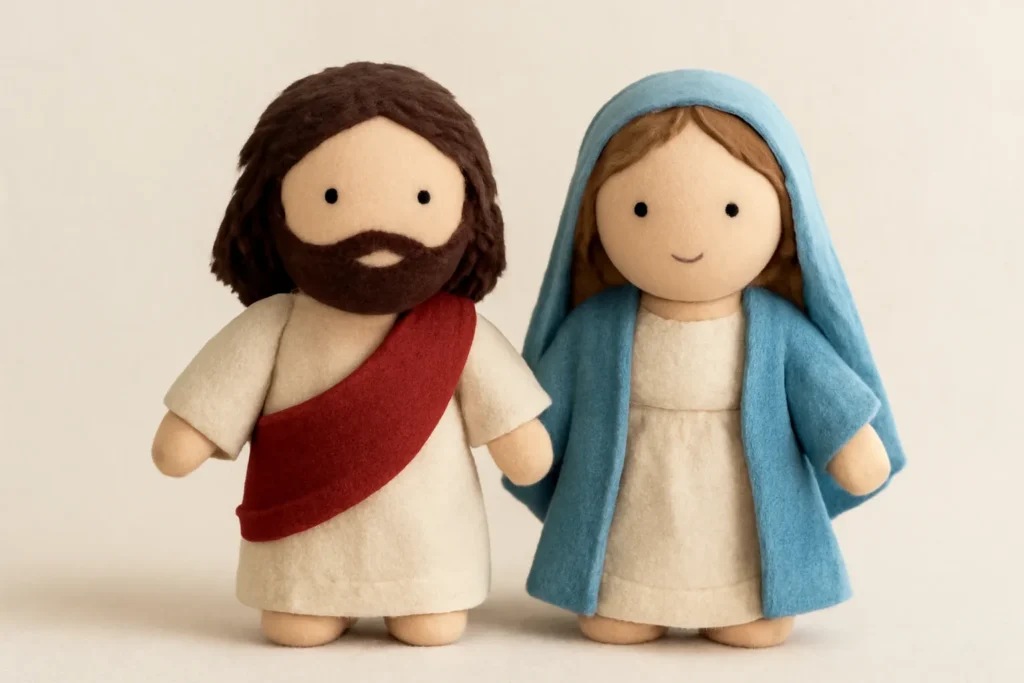
Bible dolls and their many relatives—often described as biblical dolls, scripture dolls, or Christian dolls—represent a unique niche in the world of children’s toys. They blend storytelling with moral imagination, offering young readers and players a way to engage with stories from sacred texts while practicing empathy, dialogue, and recall. This article provides a comprehensive guide to the history, varieties, and safety considerations of these toys, with practical advice for parents, educators, and guardians who want to introduce them in a thoughtful and developmentally appropriate way.
Throughout the discussion, you will encounter variations of the term Bible dolls—including biblical figurines, scripture characters, and faith-based figurines. While the styles and materials may differ, the core aim remains the same: to spark imagination while anchoring play in stories of faith, virtue, and community.
History and Cultural Context of Bible Dolls
Origins in devotional objects and domestic prayer life
The concept of using physical representations to teach stories and values has deep roots in many religious traditions. In Christian households, early devotional aids often took the form of printed pictures, figurines, or simple handmade crafts used during family worship. Over time, as printing, mass production, and toy manufacturing advanced, these devotional objects increasingly took on the shape of small, durable story-based dolls designed for kids. The shift from purely household items to marketable children’s toys reflected a broader trend toward portable, educationally oriented playthings that could travel with families and fit into daily routines.
Industrialization, classroom use, and the rise of play-based learning
The late 19th and early 20th centuries saw a surge in the availability of packaged educational toys, including figures that depicted biblical scenes or characters. Sunday schools and Christian academies began incorporating these figures into curricula, reinforcing memory work and retelling of stories through hands-on activities. As museums, libraries, and schools broadened access to diverse audiences, publishers and toy manufacturers experimented with different scales, materials, and denominations. This period laid the groundwork for today’s varied landscape of Bible character dolls and related products.
Mid-century shifts: ecumenism, youth culture, and safe, secular-adjacent markets
In the mid- to late-20th century, attention to safety standards, ethical production, and inclusive representation began shaping how bible figurines were designed and marketed. Publishers and manufacturers started to align with consumer product safety guidelines, emphasizing non-toxic finishes, durable joints, and designs that could withstand classroom usage. At the same time, a broader audience emerged: parents who were seeking faith-informed play experiences that respected multiple denominations while remaining accessible to children with varied backgrounds.
Contemporary landscape: digital ages, cross-cultural storytelling, and diverse modalities
Today’s faith-based toys include a spectrum—from classic cloth dolls and resin figurines to digitally augmented play sets and classroom kits. Many manufacturers release denomination-specific lines (e.g., Catholic, Protestant, and Orthodox variants) while others offer universal storytelling figures designed to prompt discussion about compassion, courage, forgiveness, and service. The modern era also emphasizes ethical manufacturing practices, recyclable packaging, and community-focused supply chains, making Bible doll collections a topic of interest not only for families, but for schools, libraries, and faith-based organizations.
Types, Variants, and Practical Uses of Bible Dolls
Home play sets and individual figures
One of the most common formats is a home play set that includes several bible dolls or scripture dolls along with accessories—tent, boat, manger scene, or marketplace stalls. These kits encourage kitchen-table retellings of Bible stories and provide a tangible anchor for memory work.
Action sets that recreate scenes from Scripture to support dramatic play and role-play conversations.
Accessory packs with props like wells, staffs, loaves, and fish to deepen narrative possibilities.
Educational kits for Sunday school and classrooms
Schools and churches often use classroom-ready scrapbook kits or curriculum sets that pair figures with teacher guides, discussion prompts, and memory-work activities. These kits help instructors structure lessons around scripture-based learning while enabling students to visualize scenes from the narratives.
Curriculum-integrated figures that align with weekly Bible passages
Quotations, challenges, and reflection prompts included with each figure
Group activities that promote collaborative storytelling and moral reasoning
Denominational variants and regionally inspired designs
Some lines emphasize particular theological lenses or historical periods. For example, certain biblical figure dolls might depict saints, prophets, or apostles in attire and settings faithful to specific traditions. While these variants can enrich faith education, it is important to safeguard against stereotypes and ensure accurate representation. Parents and educators can use these products as conversation starters about the diversity of Christian practice across cultures.
Materials, Manufacturing Quality, and Safety Considerations
Non-toxic materials and finish standards
The safety of Bible dolls hinges largely on the materials and finishes used in production. Look for products certified to meet consumer safety standards relevant to your region (for example, ASTM F963 in the United States or EN71 in Europe). Favor lead-free, phthalate-free paints and finishes, and solid, non-detachable parts for younger children.
Size, choking hazards, and age recommendations
Parents should be mindful of age-appropriateness and choking risks when selecting Bible dolls. Small accessories can pose hazards for children under three, while larger, well-constructed figures can be appropriate for toddlers who are still mouthing objects but can handle chunky, rounded pieces safely.
Durability, joints, and repairability
Durable joints, secure outfits, and reinforced connection points extend the life of faith-based toys as learning tools. Check that joints are not brittle and that clothing is either sewn or securely fastened. Some manufacturers publish care guides to help families maintain the figures without compromising the materials.
Ethical sourcing and environmental considerations
Increasingly, families look for sustainably produced figurines and sets. This can include recycled or responsibly sourced materials, minimal plastic packaging, and transparent supply chains. Eco-conscious practices align with the broader values associated with many faith-based play traditions.
Educational Value, Faith Formation, and Developmental Benefits
Engaging with physical bible dolls helps children retell stories in their own words, connecting narrative details with characters and events. Visual and tactile cues reinforce memory, while prompts encourage children to recount motives, outcomes, and themes.
Empathy, perspective-taking, and moral reasoning
By stepping into the roles of biblical figures, children practice empathy and learn to articulate motives and feelings from different viewpoints. Educators and caregivers can guide this exploration with questions about courage, mercy, forgiveness, and justice, turning play into meaningful dialogue about values.
Literacy and language development
Dialogue-heavy play, storytelling prompts, and accompanying storybooks or script cards support vocabulary growth and narrative sequencing. When figures are paired with simple scripts or word cards, children rehearse language in a low-pressure setting.
Multimodal learning and cultural literacy
Bible dolls invite cross-disciplinary exploration: history, art, geography, and ethics. Family or classroom discussions can extend to regional dress, ancient crafts, and the historical contexts of sacred texts. This multimodal approach helps children connect stories to the world around them in a respectful and curious manner.
Ethical Considerations and Respectful Representation
Accurate portrayal and avoidance of stereotypes
When choosing scripture dolls or biblical figure figures, prioritize items that depict characters with dignity and authenticity. Avoid over-simplified or exaggerated features that reduce complex figures to caricatures. Parents can use this as an opportunity to discuss historical contexts, religious symbolism, and the difference between sacred narratives and popular culture.
Inclusivity and denominational sensitivity
The market offers a range of lines from different Christian traditions, and some families may appreciate a combined set that highlights shared values across denominations. It’s helpful to emphasize common themes—charity, perseverance, faith, and service—while avoiding doctrinal disputes during playtime with children.
Consent, boundaries, and family values
Discuss with families how to integrate faith-based toys into broader family conversations about beliefs, questions, and personal devotional practices. Some households prefer a quiet, reflective tone around sacred figures, while others encourage active storytelling and debate as part of spiritual growth. The key is clear boundaries and consistency with household guidelines.
How to Choose Bible Dolls for Your Child: A Practical Guide
Assess age and development: Choose doll scales and accessory complexity appropriate for the child’s age. For toddlers, opt for larger, chunkier figures with fewer detachable parts. For older children, more detailed characters and narrative props can be engaging.
Define aims and interests: Decide whether the focus is on storytelling, moral discussions, or scripture memorization. Some families prioritize user-friendly play sets, while others lean toward more elaborate diorama kits that encourage scene-building.
Consider denomination and representation: If you want to reflect a specific tradition, look for lines that align with that tradition’s attire and contexts. If you want broader appeal, select universal or ecumenical sets that foreground shared stories and values.
Evaluate materials and safety: Read labels for non-toxic finishes, choking-risk warnings, and age recommendations. Check recycling or disposal guidelines if you’re environmentally conscious.
Check durability and repairability: Look for reinforced joints, washable fabrics, and replaceable outfits where possible. Durable design reduces waste and extends play life, making the purchase more economical over time.
Look for educational support: Some doll lines include storybooks, script cards, or teacher guides. These extras can extend learning beyond playtime and support caregivers who are guiding discussions about faith and ethics.
Seek ethical production: If possible, research the manufacturer’s sourcing practices, labor standards, and environmental commitments. This aligns toy choices with broader values you may want to model for children.
Practical buying tips
Visit a local shop to feel the weight, balance, and texture of figures before purchasing.
Ask about warranties or guarantees on joints and accessories.
Compare sets to see which one offers the best storytelling potential for your family’s routine.
Provide a dedicated storage solution to keep pieces organized and safe when not in use.
Care, Cleaning, and Longevity of Bible Dolls
Cleaning guidelines
Regular cleaning helps maintain hygiene as children handle the toys during play. Use mild soap and warm water for most materials. Avoid soaking fabric components unless the manufacturer’s instructions permit it. For painted surfaces, a soft cloth with water is often sufficient, followed by air drying.
Storage and protection
Store dolls in a dry, cool place away from direct sunlight to preserve paints and fabrics. If accessories are present, keep small parts in a labeled container to prevent loss and reduce choking hazards for younger siblings.
Repair and replacement
If a joint loosens or a garment tears, consult the brand’s repair guide or contact customer service. Some lines offer replacement parts or affordable repair services, which can extend the life of a beloved set.
Have children pick a character and retell a chosen passage using the doll as a physical prompt. For younger kids, guide them with sentence starters like “In this scene, _____ learns that _____.” For older children, invite them to summarize motivation and consequences from the narrative.
Create simple scenarios that prompt moral reasoning. For example: “If the group wants to hurry the mission, what choices show courage and trust in God?” Encourage children to articulate values while staying respectful of diverse beliefs.
Cross-curricular activities
Integrate geography and culture by placing dolls in settings that reflect historical contexts. Matching games, map activities, and seasonal or festival-based story retellings enrich understanding and curiosity.
Consider short family times where parents read a verse or story while children act out the scene with the appropriate Bible dolls. Follow with open questions about application to daily life and acts of kindness.
Carefully curating a collection
Encourage children to choose a few favorite figures and explain why those characters are meaningful to them. This fosters a personal connection to the stories and fosters reflective, personal faith expression.
Conclusion: Growing Faith, Fostering Safe Play with Bible Dolls
Bible dolls and their kin—whether labeled biblical dolls, scripture figurines, or faith-based toys—offer a distinctive pathway for children to engage with stories of courage, mercy, and faith. By understanding their history, recognizing the variety of available formats, and prioritizing safety and respectful representation, families and educators can turn playtime into meaningful exploration of beliefs and values. The goal is not merely to entertain, but to cultivate curiosity, empathy, and ethical reflection through responsible choices, thoughtful guidance, and age-appropriate activities. In this way, Bible dolls can become enduring companions in a child’s journey of faith and learning.
As with any toy that touches themes of sacred narratives and moral formation, ongoing dialogue matters. Encourage questions, celebrate discoveries, and model how to engage with stories in ways that honor both imagination and reverence. With careful selection, thoughtful use, and attentive care, bible dolls and their broader family of faith-based figurines can support safe, joyful, and meaningful play for years to come.











Leave a Reply