Characters From Christmas: Santa, Elves and Holiday Figures
Characters From Christmas: Santa, Elves and Holiday Figures
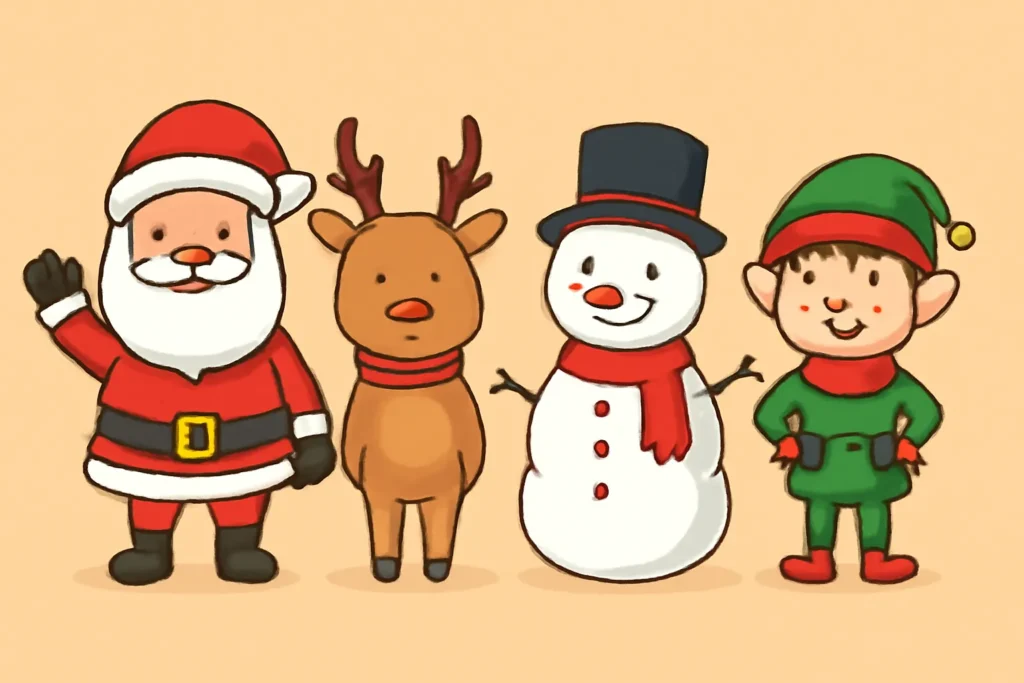
Characters From Christmas span a wide spectrum, from the iconic figure of Santa Claus to the tireless elves who keep toy production buzzing, and to a rich parade of regional holiday figures that reflect local customs and beliefs. This article takes a broad view of these characters, tracing their origins, the roles they play in stories and traditions, and how they have evolved in literature, film, and everyday life. While Santa and his workshop often take center stage, the real breadth of Christmas character lore includes saints, spirits, fairies, and winter guardians who appear in countless shapes around the world. Read on to discover the heritage, symbolism, and modern manifestations of these beloved figures.
The figure most people recognize when they think of Christmas gift-giving is Santa Claus. Yet Santa is not merely a single, unchanging character. He is a composite built from centuries of storytelling, migration of customs, and the creative forces of popular culture. In many places, Santa Claus is the American name for a figure whose origins are older and more variegated than a single country’s tradition.
The Many Names and Origins
To understand Santa, we begin with the historic Saint Nicholas, a 4th-century bishop renowned for generosity. The historical Saint Nicholas of Myra (in present-day Turkey) became the spiritual ancestor of modern gift-givers. Over centuries, his legend traveled across Europe, adapting to local cultures and languages. In Dutch culture, he was known as Sinterklaas, a dignified bishop who delivered gifts to children on the eve of Saint Nicholas Day. When Dutch settlers came to North America, Sinterklaas morphed into Santa Claus in the popular imagination, especially through poetry, literature, and illustrations.
You will also encounter other regional names that reflect local flavors: Father Christmas in the United Kingdom, Kris Kringle in some North American contexts (and in portions of Europe as a name for Santa), and St. Nick as a casual nickname in everyday speech. Each of these identities shares core traits—joy, generosity, and a magic of the winter season—yet they carry distinct stylistic elements that mirror their cultural homes.
The Modern Image: Appearance, Rituals, and Gift-Giving
The familiar modern depiction of Santa features a bearded, jolly man in a red suit trimmed with white fur, a sleigh pulled by a cadre of reindeer, and a visit to homes on Christmas Eve. This image was consolidated in large part by 19th- and 20th-century media, including popular poems, magazines, and later advertising campaigns. The transformation was not simply cosmetic; it reframed the myth into a narrative of anticipation, moral instruction for children, and a performative ritual of waiting for the magical delivery of gifts.
In many cultures, the timing and manner of gift-giving underlines deeper values. In some places, gifts appear on Christmas Eve; in others, on Christmas morning; in still others, on St. Nicholas Day or during New Year’s celebrations. The method of delivery can involve supernatural helpers, secret routes, or communal rituals that emphasize family, community, and a sense of shared wonder.
Santa’s Workshop and the Helpers
A central motif in Santa lore is the North Pole workshop, a bustling place where toys are designed, tested, and prepared for delivery. This workshop is populated not only by Santa himself but by a cadre of skilled helpers—most famously the elves. These helpers are depicted as diminutive, industrious, and cheerful, with varied roles from toy-making to logistics and care for reindeer. The idea of elves as workshop assistants has deep roots in folklore and has grown into a symbol of meticulous craftsmanship and cheerful teamwork in modern storytelling.
In addition to the typical elf workforce, many narratives include figures such as a friendly household matriarch—commonly referred to as Mrs. Claus—who supports Santa, helps manage the homefront, and often embodies warmth, hospitality, and care for children. The pair represents a larger theme in Christmas storytelling: the domestic, loving, and collaborative dimension of holiday magic.
Reindeer: The Flying Team
A distinctive element of Santa lore is the team of reindeer that pulls the sleigh. The canonical roster includes:
Dasher
Dancer
Prancer
Vixen
Comet
Cupid
Donner
Blitzen
A later addition, Rudolph, the red-nosed reindeer, came from a 20th-century American story and quickly became a symbol of resilience and the ability to light the way through darkness. In lore, Rudolph’s glowing nose helps guide Santa’s sleigh through fog and night, turning a potential obstacle into a beacon of hope.
Santa in Popular Culture
Santa has appeared in countless books, films, songs, and stage performances, each adding texture to his personality and backstory. In some narratives, Santa is a paternal mentor who teaches children about generosity and gratitude; in others, he is a playful figure who engages in adventures around the world. Across media, Santa remains a figure who embodies the spirit of giving, joy, and a sense of wonder that transcends language and culture.
If Santa is the symbol of winter generosity, the elf is the practical guardian of that generosity. Elves have long been associated with the magical labor of making toys, maintaining the machinery of sleighs and dreams, and ensuring that the spirit of Christmas stays bright in the hearts of children and grown-ups alike.
Role in Santa’s World
In most modern tellings, elves work tirelessly in Santa’s workshop, converting imagination into tangible gifts. They are often portrayed as clever, friendly, and tireless, possessing specialized crafts such as woodwork, sewing, painting, and mechanics. Their presence underscores the value of craftsmanship, collaboration, and attention to detail—traits celebrated in many cultures during the holiday season.
Different Kinds of Elves
The concept of elves has diversified in contemporary storytelling. Some narratives depict:
Toy-making elves who design and assemble the seasonal lineup.
Workshop technicians who manage logistics, inventory, and delivery schedules (especially in stories that emphasize the science of time zones and navigation).
Surveying elves who test toys, ensure safety, and provide feedback to improve products for children.
Caretaker elves who help with orchestra-like coordination and morale of the workshop staff.
Beyond the workshop, elves appear in regional folklore as magical helpers to farmers, shepherds, or household spirits, often associated with fertility, harvests, and protective magic. The transition from farm or folk magic to a modern toy-making setting reflects how folklore adapts to changing economies and technologies while preserving core ideas about kindness, generosity, and communal effort.
The Myth vs. Modern Depictions
Traditional traditions sometimes describe elves as shy, hidden beings who reside in remote landscapes. In contrast, modern media often presents them as expressive, bustling characters who appear in bright costumes and speak in playful, rhythmic dialogue. Both framings emphasize wonder, mischief, and the belief that a world of small miracles helps children grow into compassionate adults.
Notable Elf Names in Literature and Media
Across books and film, you will encounter a host of named elves who carry memorable personalities. Some examples include:
Jingle and Twinkle, the tinkering duo who fix toys after a long night.
Flit and Flutter, the nimble couriers who handle delicate deliveries.
Elves who mentor new workers, teaching craftsmanship and patience.
While specific names vary by story, the archetype remains a cheerful, industrious helper who embodies the communal effort that makes Christmas possible.
Mrs. Claus and Other Household Figures
Beyond Santa and the elves, Christmas storytelling often features a constellation of household figures who mirror the warmth and routine of holiday life. Among them, Mrs. Claus stands as a kindly partner, often imagined as a practical organizer who manages hospitality, family rituals, and the emotional well-being of those who await Santa’s arrival.
Mrs. Claus: A Gentle Power
Mrs. Claus is frequently portrayed as the heart of domestic hospitality, offering cookies, hot beverages, and comforting conversations to children and adults alike. She helps in the kitchen, oversees charity efforts, and sometimes acts as a bridge between the magical and the everyday. Her presence emphasizes that Christmas is as much about home, family, and kindness as it is about mystery and wonder.
In different cultural circles, you may encounter figures who perform similar roles in the domestic sphere. These can include:
Local gift-bringers who appear in family traditions and community celebrations.
Winter guardians who protect households and farms during the darkest days of the year.
Household spirits or fairies who ensure that the home remains a place of safety and joy.
Global Variations: A World of Christmas Figures
The Christmas season is celebrated in myriad ways around the world, and with it comes a spectrum of characters who bring gifts, wisdom, and seasonal magic. Here we explore a sampling of prominent figures from different traditions.
Père Noël and Le Père Noël
In France, the figure often known as Père Noël embodies the warmth and generosity associated with Santa in many Western narratives. In some regions, children write letters or prepare a Christmas tree with ornaments that symbolize family unity and the desire to share. The French-influenced tradition emphasizes charity and the communal act of giving, sometimes incorporating a giving spirit that extends to neighbors and the vulnerable.
Sinterklaas: The Dutch and Belgian Gift-Bringer
The Dutch and Belgian traditions celebrate Sinterklaas in late autumn and early December. He arrives by steamboat from Spain and is accompanied by helpers known as Pieten in many communities. The gift-giving ritual is rich with poetry, riddles, and clues that lead to surprises hidden around the home. Sinterklaas is characterized as a dignified elder figure who embodies grace and generosity, and his celebration blends religious, folkloric, and festive elements.
Saint Nick, Christkind, and Germany’s Christmas Customs
In the German-speaking world and parts of Central Europe, you encounter diverse gift-bringers and baby-like figures. The Christkind—the Christ Child—appears in some regions as the gift-bringer on Christmas Eve, delivering presents and blessing households with light. A parallel tradition honors Weihnachtsmann (the Christmas Man) or Klaus types that echo Santa’s role, while Krampus and Black Peter serve as counterpoints, challenging behavior and reminding children of consequences. These figures illustrate a tapestry of winter folklore in which joy, discipline, and wonder coexist.
Ded Moroz and the Snow Maiden
In Russia and parts of Eastern Europe, the legendary Ded Moroz (Grandfather Frost) travels with his granddaughter, the Snow Maiden, delivering gifts for the New Year rather than Christmas. The imagery blends winter magic with a sense of formal ceremony and seasonal renewal. Ded Moroz’s long blue cloak and majestic carriage evoke the cold beauty of winter, while Snegurochka (Snow Maiden) represents innocence and the promise of spring.
Babbo Natale, La Befana, and the Italian Traditions
In Italy, Babbo Natale is the closest analogue to Santa, but the country also has a distinctive Epiphany figure, La Befana, a kind witch who delivers gifts on January 6. Befana’s story resonates with themes of awakening, generosity, and the belief that kindness can come from unexpected places. Both Babbo Natale and Befana reflect a continuity of gift-giving through the holiday season that extends beyond Christmas Day.
Julenisse, Tomte, and Nordic Folklore
In Scandinavia, the Julenisse (also known as Tomte or Nisse in various Nordic languages) is a small protective household spirit seen as a guardian of farms, animals, and children. In many modern celebrations, these myths merge with Christmas gift-giving traditions, placing emphasis on neighborliness, gratitude, and harmony with the rural landscape that shapes winter life.
Krampus and Other Coexisting Figures
Central Europe’s festive folklore is famous for Krampus, a horned, frightening figure who accompanies Saint Nicholas in some regions to admonish misbehaving children. The dynamic between Krampus and gentler gift-bringers reveals a broader moral economy in which reward and consequence are balanced to teach children about behavior, empathy, and responsibility.
The Biblical and Mythic Layer: Angels and the Christ Child
For many Christian communities, angels and the Christ Child appear in the nativity story as symbols of divine presence, blessing, and hope. In some traditions, angelic figures accompany gift-bringers or herald the season’s arrival. While less commercial in tone, these figures anchor Christmas in its spiritual and religious roots, reminding communities of the season’s deeper meanings.
Across these various figures, several recurring themes shape their meaning in cultural life. Understanding these themes helps explain why these characters endure and adapt with each generation.
Gift-Giving as an Ethos
The central thread is the practice of giving. Gift-giving, whether lavish or modest, becomes a language of care, solidarity, and memory-making. Santa and his companions model generosity, while regional figures emphasize listening, attention to behavior, and the joy of surprise.
Winter as a Time of Wonder and Renewal
The seasonal setting—long nights, cold weather, the glow of hearths—lends itself to stories about light, warmth, and hope. The characters we have explored embody that light: a guiding nose, a luminous workshop, a protective farm spirit, or an angelic blessing. This symbolism keeps the narrative alive in modern life, inviting children and families to imagine the possibilities of kindness and wonder.
Education, Morality, and Family Values
Many Christmas figures function as moral tutors: they reward good behavior, encourage generosity, and remind audiences of the importance of family, community, and helping those in need. In a broader sense, these legends encourage young readers and listeners to cultivate empathy, to share resources, and to see the value of sacrifice for others.
Evolution in Modern Media
The way these characters appear in modern media—books, films, advertising, music, and social media—continues to adapt while preserving their core messages. Contemporary storytelling adds layers of diversity, inclusivity, and accessibility to familiar figures, expanding who gets to participate in the magic.
Literature and Film
In books and movies, Santa is often depicted with adventures that reveal his inner compass—humility, patience, and joy at others’ happiness. The elves can become a diverse team with unique voices, reflecting contemporary values about collaboration and equality. International figures like Sinterklaas, Ded Moroz, and Christkind appear in localized narratives that celebrate regional customs while inviting global audiences to learn about different ways of sharing the season’s spirit.
Advertising, Fashion, and Digital Culture
Advertising campaigns have helped solidify the image of Santa as a universal emissary of generosity, while fashion and design reimagine elves, reindeer, and winter guardians for a modern audience. Digital media brings interactive storytelling, augmented reality experiences, and online communities that encourage children to explore myths in a friendly, age-appropriate way. As technology reshapes how families consume media, these characters remain anchors for traditions, learning, and imagination.
Practical Ways to Explore Christmas Characters With Your Family
If you’re looking to build a themed holiday experience around these figures, here are some practical ideas:
Read a mix of traditional tales and contemporary retellings about Santa, elves, and regional gift-bringers.
Host a storytelling night where each family member shares a short legend about a Christmas figure from their heritage.
Create a “North Pole” craft station with elf-making stations, toy-testing activities, and a simulated workshop for kids to design simple gifts.
Explore cultural variations by researching how different countries celebrate the season and which figures lead the gift-giving ritual.
Watch age-appropriate films or short animations that feature well-known characters and discuss their values—generosity, kindness, courage, and community.
Conclusion
The world of Christmas characters is a tapestry woven from centuries of myth, folklore, religious tradition, and modern storytelling. From the beloved, globally recognizable Santa Claus to the diligent elves who populate his workshop, and from the venerable saints and regional gift-bringers to the winter spirits of Nordic folklore, these figures offer more than entertainment. They embody values—generosity, hope, kindness, family, and the joy of giving—that resonate across cultures and generations. By exploring the origins, variations, and contemporary expressions of these characters, we gain a richer understanding of how Christmas is celebrated around the world, and how the season can continue to teach and inspire future generations.








Leave a Reply