Bible Verse About You Reap What You Sow: Meaning, Context, and Practical Takeaways
Bible Verse About You Reap What You Sow: Meaning, Context, and Practical Takeaways
The idea that you reap what you sow is one of the most recognizable moral maxims in the Bible. It appears in several passages, expressed in varying words, yet always pointing to a consistent truth: our choices, actions, and habits produce outcomes that reflect their nature. This article explores bible verses about you reap what you sow from multiple angles—meaning, context, and practical takeaways—so readers can understand not just the language, but the life-application behind the metaphor.
Throughout Scripture, the sowing-and-reaping motif is deployed to remind people that life operates with a certain moral rhythm. It’s not merely a political or social slogan; it is a spiritual principle embedded in God’s governance of the world. The harvest comes in its own time, and seeds planted today become the crops of tomorrow. With that in mind, let us dive into the depths of this biblical principle and consider how it can guide everyday living, character formation, and community life.
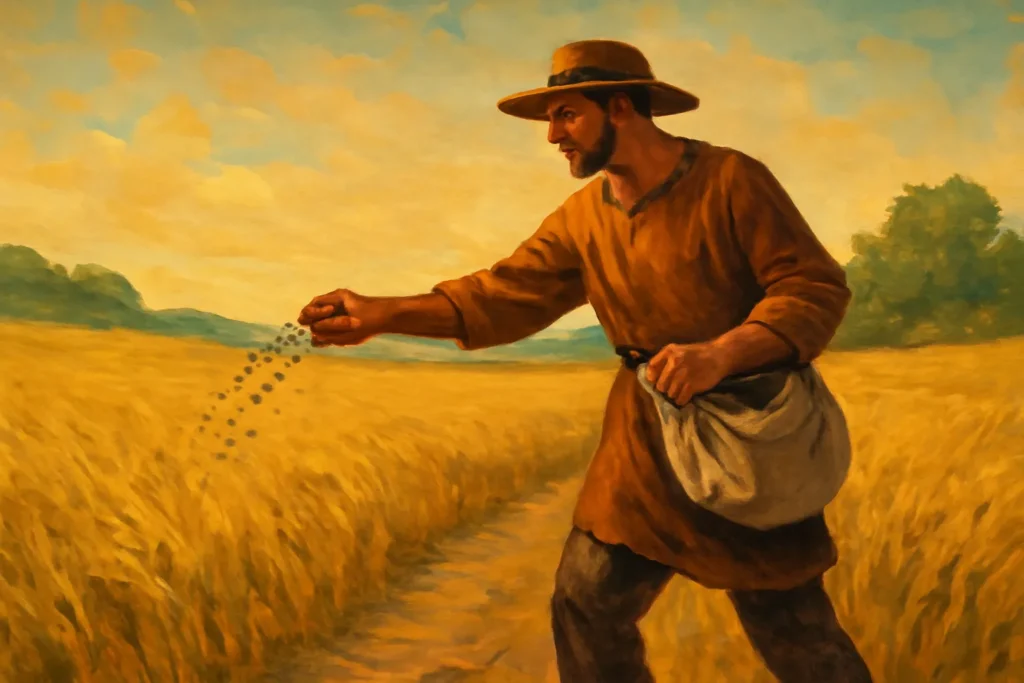
At its core, the message is about cause and effect in moral action. The imagery of sowing seed and reaping harvests is simple and universal: you plant seeds; time passes; you gather a crop that reflects what you planted. In biblical language, this translates into two interwoven strands: personal responsibility and divine accountability.
Several layers of meaning unfold when we unpack the phrase:
Intentional investment matters. What you sow is often the fruit of deliberate choices—habits, words, and patterns you repeat. When you invest in things like integrity, generosity, and perseverance, you tend to reap positive outcomes.
Small seeds become large harvests. The biblical pattern emphasizes consistency. Tiny, faithful actions—prayer, patient service, honest labor—accumulate over time into meaningful results.
Consequences are not only personal. The seeds we sow can affect others—family, neighbors, coworkers, and communities. This widens the circle of responsibility beyond the self.
Time is a factor. The harvest often arrives after a period of waiting. The principle can teach patience and endurance, not fatalistic determinism.
God’s justice and mercy coexist. The principle is true in one sense and nuanced in another. While the law of sowing and reaping describes a consistent moral order, the Bible also speaks of God’s grace, mercy, and transformative power that can alter outcomes or empower repair after failure.
In the simplest form, many readers recognize a direct form of the statement: what you sow is what you reap. But the biblical framing often adds layers—such as warnings, encouragements to generosity, or cautions against sowing seeds of harm. The variations of the phrase across Scripture likewise remind us that the moral law is flexible in expression yet steady in principle.
Two quick clarifications help prevent misapplication:
Not every hardship is punitive. Suffering and difficulty do not automatically equate to personal punishment for past misdeeds. The Bible sometimes uses hardship as a training ground for character or as a reality of living in a fallen world.
God’s grace can reframe outcomes. Even when seeds yield painful harvests, God’s mercy can restore, redeem, or transform circumstances in unforeseen ways. The principle remains valid, but its application is not a simple formula for every situation.
With these caveats in view, the practical upshot remains: the quality and direction of our actions shape the trajectory of our lives—and often influence others in the process.
Biblical occurrences and variations
The centerpiece of this teaching is found in Galatians 6:7-9, where the apostle Paul states a stern warning and a hopeful promise: "Do not be deceived: God cannot be mocked. A man reaps what he sows." The context emphasizes reaping in accordance with one’s deeds, with a particular focus on the moral seriousness of sowing to the Spirit versus sowing to the flesh. Translations vary in wording, but the core idea is consistent: there is a harvest corresponding to one’s life choices.
Other biblical voices echo this principle, sometimes with more specific applications or different imagery:
2 Corinthians 9:6 — “Whoever sows sparingly will also reap sparingly, and whoever sows generously will reap generously.” This verse ties sowing to stewardship and generosity, highlighting the reciprocal nature of giving and receiving within a spiritual economy.
Hosea 10:12 — “Sow righteousness for yourselves, reap steadfast love.” A prophetic call that links righteous living to the harvest of mercy, showing that moral choices shape covenantal outcomes.
Proverbs 11:18 — “The wicked earns deceptive wages, but the one who sows righteousness reaps a sure reward.” A wisdom tradition formulation that ties ethical behavior to dependable fruit.
Proverbs 22:8 — “Whoever sows injustice reaps trouble, and the rod of his fury will be destroyed.” A prudential warning about the consequences of oppression and cruelty.
Other variations — Phrases like “as you sow, so shall you reap,” “what you sow, you will reap,” and similar expressions appear in various translations and paraphrases, underscoring the same moral argument in accessible language.
Across these passages, readers encounter a spectrum of applications: from personal ethics and generosity to social justice and communal responsibility. The variations in wording are not contradictory but complementary, inviting readers to see the principle from multiple angles—personal discipline, relational stewardship, and cosmic justice under God.
Historical and literary context matters here. The sowing-and-reaping image is deeply agricultural, which would have been familiar to ancient readers. Jesus’ Parable of the Sower, for example, expands the idea of seeds and outcomes to the receptivity of human hearts. While the parable focuses on hearing and response to the word of God, it shares with the sowing/harvest motif an interest in how soil, environment, and choice determine what life yields.
In sum, the biblical witness presents a cohesive picture: our actions plant seeds that grow into harvests, either of blessing or hardship, within the larger framework of God’s justice and mercy. The phrase “you reap what you sow” thus functions as a moral compass, a reminder of accountability, and a call to intentional living.
Context: historical, cultural, and theological considerations
To fully appreciate the teaching, it helps to situate it in its broader biblical context and consider how it has been read and used across time. The agricultural metaphor would have been instantly meaningful in the ancient world, where harvests dictated livelihoods, seasons, and family welfare. Yet the principle speaks to universal human experience: the consequences of repeated choices, not just singular acts.
While the exact phrase “you reap what you sow” is more common in the New Testament, the Old Testament contains many related ideas about sowing, reaping, and divine justice. Hosea’s call to sow righteousness is a good example: righteous seeds yield steadfast love. The prophets frequently link moral behavior with social outcomes, suggesting that personal fidelity to God has communal ripple effects.
New Testament development
In Galatians and Corinthians, the authors frame sowing in the context of divine grace and generosity. The Galatian warning underscores that God cannot be deceived or mocked; the harvest aligns with the nature of one’s acts and their heart’s orientation toward God. Paul’s teaching in 2 Corinthians 9 adds a volitional and cheerful dimension to sowing—generosity is not only a duty but a spiritual practice that yields personal and communal blessing.
Sanctification and growth: sowing to the Spirit grows in believers a character that resembles Christ, producing peace, patience, and fruit of the Spirit as harvests.
Justice and mercy: the principle is not merely individualistic; it informs social ethics, encouraging fair dealing, generosity to the vulnerable, and pursuit of justice—seeds that yield communal flourishing.
Hope and restraint: believers are cautioned against simplistic cause-and-effect thinking that might become fatalistic or punitive toward others. The Christian narrative foregrounds grace and resurrection hope, recognizing that outcomes may be delayed or transformed by God’s redemptive work.
Practical takeaways: applying the harvest principle today
What does it look like to live with the awareness that your choices cultivate your future? Below are practical ways to translate the principle into everyday life, personal growth, and community impact.
In personal life
Choose seeds carefully: invest in habits that reflect integrity, perseverance, kindness, and truth-telling. These are seeds that tend to yield trust, stability, and inner peace.
Practice consistency: long-term harvests come from daily, ordinary steps. Small, steady acts of discipline compound over time.
Avoid impulsive sowing: beware of seeds sown in anger, envy, or deceit, which often lead to complicated, painful harvests.
In relationships
Invest in others: acts of generosity, listening, and support sow relational trust and mutual benefit.
Forgive and seek reconciliation: releasing bitterness can break cycles of harm and invite healthier, restorative outcomes.
Speak with honesty and grace: words are powerful seeds that can either reconcile or wound; aim to sow encouragement and truth-telling with compassion.
In finances and work
Practice stewardship: wise use of resources, disciplined budgeting, and fair dealing reflect sowing for long-term provision and community welfare.
Give generously: in 2 Corinthians 9, generous sowing is linked to a return that is both tangible and spiritual. Generosity often cultivates gratitude, freedom, and broader impact.
Work with integrity: diligent, honest labor yields dependable outcomes and earns the respect and trust of others.
In society and community life
Sow justice and mercy: policies, advocacy, and everyday actions that protect the vulnerable contribute to healthier, more flourishing communities.
Plant seeds for future generations: education, mentorship, and inclusive practices invest in a harvest that outlives us.
Address harm proactively: when harm is done, seeking repair and accountability can transform a negative harvest into a pathway to restoration.
These practical takeaways emphasize the ethics of daily living rather than abstract theory. The goal is to cultivate a life where good seeds—love, generosity, justice, patience—lead to a harvest that blesses both self and others.
As with any biblical teaching, readers often ask how the sowing-and-reaping principle should shape their outlook in challenging circumstances. Here are some common questions and nuanced responses.
Does this mean I am punished for others’ sins? No. The biblical image focuses on personal responsibility and communal impact, not a simplistic ledger of individual punishment. It emphasizes that choices have consequences, while also affirming God’s grace and sovereignty in redeeming situations.
What about unavoidable trials? Some hardships are not tied to personal sowing but to living in a broken world, spiritual testing, or the consequences of systemic injustice. The harvest principle coexists with the reality that God can work through trials to shape character and bring about eventual good (Romans 8:28, for example).
Can a negative harvest be reversed? Yes. Sowing differently in the present can yield new harvests in the future. Repentance, restitution, and renewed disciplines can redirect outcomes over time.
How does this relate to grace? The principle describes a moral order, but God’s grace can nurture growth, heal wounds, and reframe outcomes. Grace does not erase cause and effect; it renews them, often in surprising ways.
Let’s summarize: a balanced approach to sowing and reaping
Ultimately, the biblical teaching on sowing and reaping invites readers to cultivate a conscious, virtue-driven life. It acknowledges that habits shape destinies, while also recognizing the complexity of life under God’s sovereignty. The most helpful approach is to:
Identify your seeds—the daily choices that form your character and shape your future.
Prepare for the harvest—practice patience and expect staggered outcomes, not instant gratification.
Choose deliberate, hopeful seeds—engage in acts of love, generosity, justice, and ethical conduct, knowing they will produce a righteous harvest in due season.
Invite God into the process—pray for wisdom, strength, and opportunities to sow well, and welcome God’s transformative work in your life.
In this way, the timeless message remains relevant: your choices today will shape tomorrow’s reality, and God invites you to participate in a life-grounded harvest that honors Him and blesses others.
Conclusion: living under the principle with wisdom and hope
From its agricultural imagery to its theological depth, the idea that you reap what you sow offers both a warning and a promise. It warns against sowing harm or indifference, reminding us that we will face the consequences of our actions. It promises that sowing righteousness, generosity, and love will yield a harvest of blessing—both in our lives and in the lives of others. As you walk this path, hold the balance between personal responsibility and trust in God’s grace. The harvest is real; the seeds you sow today become the story you tell tomorrow. May you sow wisely, tend faithfully, and reap with gratitude for the grace that sustains you along the way.
Note: The discussions here intentionally reflect a broad biblical perspective and aim to respect different Christian interpretations. Where verses are cited, they are presented to illuminate common understandings of the sowing-and-reaping motif and its implications for personal faith and practical living.










Leave a Reply