Introduction: Reading the Bible Through the Lenses of Darkness and Light
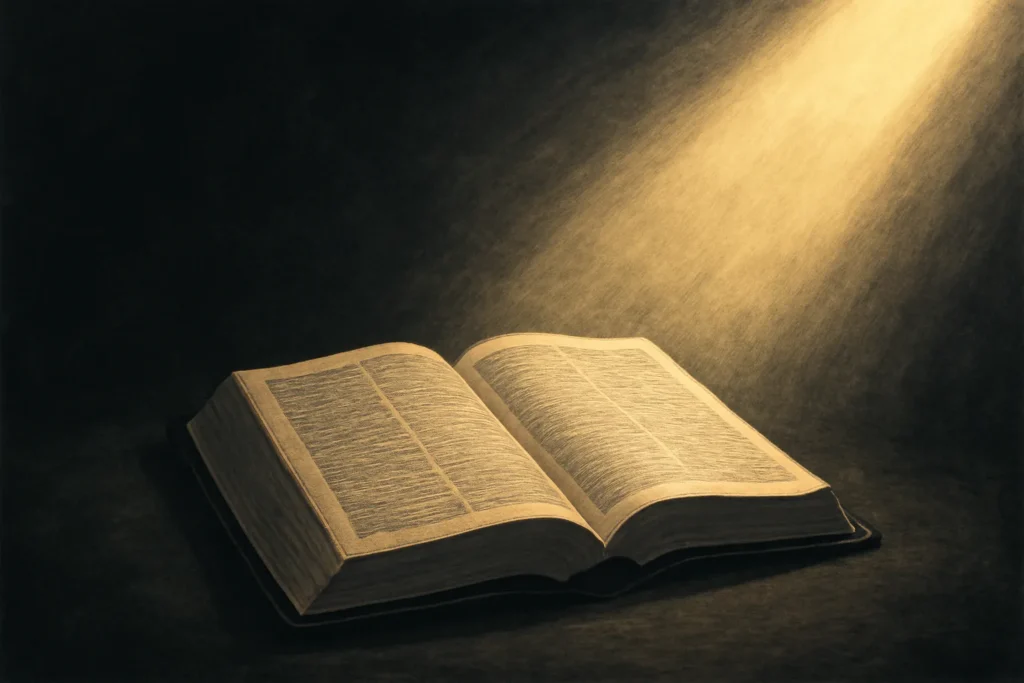
Across the biblical narrative, the motifs of darkness and light function as more than meteorological descriptions. They are moral, existential, and theological categories that help readers interpret reality, make choices, and imagine transformation. The phrase often spoken and written in various forms—darkness to light, walking in the light, or the light of Christ—serves as a map for personal discipleship and communal mission. This article surveys a broad landscape of scripture, noting how different passages frame the journey from spiritual darkness to divine light, and offering practical reflections for individuals and communities who seek to live consistently under illumination.
Biblical Imagery: Darkness and Light as Covenant Reality
The biblical use of darkness and light often aligns with core concerns about knowledge, ethical living, destiny, and the presence of God. In the opening chapters of the Bible, the creation account begins with God ordering chaos and saying let there be light, inaugurating a world where light distinguishes and defines what is good. Over the long arc of scripture, light becomes a metaphor for revelation, righteousness, and divine nearness, while darkness signals ignorance, estrangement, and moral failure. Yet even in passages that pronounce judgment on darkness, the biblical writers usually hold out hope that God can turn night into day, fear into courage, and exile into belonging.
A unifying thread in this body of literature is the idea that the people of God are not left in darkness but are moved toward clarity, purpose, and godly living by the work of God’s Word, Spirit, and Son. This movement from darkness to light is not simply a personal mood shift; it is a reorientation of identity, allegiance, and vocation.
Key Passages as Signposts: Verses That Trace the Move from Darkness to Light
John 8:12 — Jesus as the Light of the World
In this watershed statement, Jesus frames the human journey in terms of illumination. He invites people who are in spiritual darkness to follow him, promising that their lives will be characterized by light rather than shadow. The core takeaway is not merely that Jesus Scans the moral landscape with brightness; it is that following him reorients a person’s entire path. Theologically, this passage anchors the gospel as a message of enlightenment, revealing God’s will and providing reliable guidance through life’s complexities.
Key takeaway:Following the light yields a life of direction, truth, and meaningful purpose. It is a call to relinquish covert fear and embrace the visible way God intends for humans to live in harmony with heaven’s purposes.
John 1:4–5 and 1:9 — The Light as Life and Revelation
The prologue to the gospel presents the divine Word as the source of life, and as the light that shines in darkness. Even when darkness seems to oppose or obscure truth, the light persists and reveals reality in fullness. The theme here emphasizes that revelation comes from above and clarifies human existence by disclosing what is true, good, and beautiful. Several strands emerge: the divine origin of light, its capacity to illumine every person, and the ongoing conflict between darkness and revelation.
Key takeaway:Light refers to divine knowledge and relationship, not only bright conditions, and the invitation is to live in that clarified presence daily.
Isaiah 9:2 and Isaiah 60:1–3 — A Great Light on the Horizon
In prophetic literature, darkness appears as oppression or moral confusion, and a coming move of God brings a celebrated light for the nations. The imagery inspires hope for people who feel overwhelmed by fear, injustice, or moral ambiguity. The prophetic voice casts the surrounding world as one in need of illumination, with the expectation that God’s rays will reach beyond Israel, inviting all people into the grace and truth that God provides.
Key takeaway:Hope emerges when God’s light broadens reach, inviting wider communities into a transformed relationship with the divine purpose.
Psalm 27:1 and Psalm 36:9 — The Lord as My Light
Psalm literature often locates safety, courage, and life in the presence of God, who is the source of light that dispels fear. When believers declare that God is their light, they affirm a personal and communal dependence on a God who reveals himself, guides, and guards. The psalmist’s language makes spiritual confidence credible: light becomes a trusted companion for daily decisions and long-term commitments.
Key takeaway:Light as divine presence yields boldness, clarity for choices, and a steadfast sense of belonging in the community of faith.
1 John 1:5–7 and Ephesians 5:8 — Walking in the Light and Shining in the Lord
These New Testament passages link theology to daily life. God is described as light in whom there is no darkness at all, and the call is to walk in that light with honesty, confession, and mutual accountability. The imagery of walking implies ongoing practice: discernment in our relationships, honesty about struggles, and an intentional turning toward truth in community. For believers, being light in the Lord involves not just private piety but public integrity—displaying consistency between belief and behavior.
Key takeaway:Walking in light becomes a lifestyle of integrity, confession, and visible love within the church and beyond.
Colossians 1:12–13 and 2 Corinthians 4:6 — Transfer and Illumination
The imagery here centers on a dramatic act of spiritual relocation: God rescues people from darkness and places them into the kingdom of the beloved Son. Illumination then becomes the means by which the church understands its new identity and mission. In addition, the famous line about creation—where God speaks light into the world to shine in hearts—signals that transformation begins in the heart and manifests outwardly in life, community, and hope.
Key takeaway:Move from exile to belonging through divine deliverance, and live as witnesses to the new reality God has created.
1 Peter 2:9 and 2 Corinthians 5:17 — Identity as a People of Light
Scripture regularly places God’s people in a mission posture: a community chosen to declare the praises of the one who called them out of darkness into a luminous, living possibility. This is not merely a private change of mood; it is a corporate vocation to demonstrate God’s wisdom and grace, inviting others to discover the transformative power of living under light.
Key takeaway:Identity in the light becomes a platform for mission—sharing hope, justice, and reconciliation within a broken world.
Interpreting Darkness-to-Light: Theological Insights and Practical Wisdom
Reading these passages together reveals a few guiding principles about the shift from darkness to light:
Transformation begins with divine initiative: God acts first—bringing illumination, providing revelation, and enabling faith that responds to that light.
Knowledge and relationship go hand in hand: light represents not only information but intimate knowledge of God that renews the heart and guides behavior.
Light is communal as well as personal: living in the light occurs within the church, where confession, accountability, and love sustain spiritual growth.
Practical obedience is the path of light: ethical living, mercy, justice, and truth-telling illuminate the path for others to follow.
An essential nuance is that the journey from darkness to light is not a one-time event but a lifelong process. The biblical writers repeatedly call believers to persevere, to grow in discernment, and to anchor their identity in the person and work of Christ. This means that maturing in the faith involves daily disciplines that nurture sight—habits that train the heart to prefer truth, righteousness, and love over fear, manipulation, or complacency.
Practical Pathways: Ways to Move from Darkness toward God’s Light
Here are comprehensive, biblically informed practices that help individuals and faith communities live out the transition from darkness to light in tangible ways:
Engage Scripture with a listening heart: Read the biblical record with attention to how light operates as revelation, guidance, and life. Use devotional practices that invite prayerful reflection on what the text reveals about God’s will and your responsibilities toward others.
Invite honest confession and accountability: Walking in the light requires confessing failures and choosing integrity in relationships. Create safe spaces for confession, encouragement, and corrective care within your community.
Cultivate prayer as a light-bearing discipline: Prayer trains the heart to seek God’s guidance, respond to conviction, and align choices with truth. Regular prayer helps stabilize confidence in God’s oversight even in darkness.
Practice repentance as ongoing renewal: Turning away from destructive patterns and turning toward God’s ways reorients the entire life toward light-bearing habits—gentleness, patience, and mercy become visible.
Engage with a faith community for mutual illumination: The church is a space in which diverse gifts illuminate blind spots, encourage perseverance, and model how to live as children of light in a complex world.
Serve others as a form of radiating light: Acts of justice, mercy, and hospitality radiate the light of God into a broken world, inviting others to discover what it means to live in God’s presence.
Guard against spiritual gradualism and cynicism: Recognize that darkness can creep in through fear, apathy, or moral compromise. Adopt deliberate measures to remain vigilant—scripture, worship, and constructive critique keep the light bright.
These steps align with the various biblical shifts from darkness to light, showing that illumination is not a mere mental perception but a comprehensive reorientation of life. When you think about bible verse darkness light in a practical sense, you can see these verses functioning as a daily diagnostic: where is there fear, deceit, or despair? Where is there truth, mercy, and hope? The answers are often found along the path of walking in rhythm with God’s commands and God’s presence.
Living as Light: Identity, Community, and Mission
Beyond individual transformation, the biblical portrait of light places emphasis on identity and collective purpose. People who move from darkness into light are described as belonging to a community that embodies holiness, justice, and truth. This is why the language of light is so frequently tied to communal virtues like honesty, generosity, humility, and courage. When Christians act in ways that reflect their divine illumination, they provide a practical apologetic for the gospel: transformation that is observable, compelling, and lasting.
A helpful way to think about light in this broader sense is to connect it to two vital realms: first, the interior life—how a person’s heart and desires are aligned with God; second, the exterior life—how one engages with neighbors, institutions, and culture. The biblical call to be light includes both inward reform and outward impact. The scriptures invite believers to be a beacon of hope in families, workplaces, schools, and public life, inviting others to explore the source of that glow.
Common Questions about Darkness and Light in Scripture
Why does darkness seem so powerful at times? Darkness in the Bible often represents spiritual confusion, moral failure, fear, and estrangement from God. It is not a neutral condition but a condition that invites human beings to seek transformation and guidance from God who is light.
Is light simply knowledge, or is it a relationship? The most robust biblical understanding treats light as both knowledge and relationship—knowledge of God revealed through Christ and sustained by living in fellowship with him and with others.
What does “walking in the light” look like today? It involves honesty about failures, commitment to truth, humility in leadership, care for the vulnerable, and a life shaped by the values of the kingdom of God rather than the values of the darker world.
How can a person who feels surrounded by darkness experience light? Begin with open prayer, engage scripture with a listening posture, seek supportive community, and move toward acts of mercy and justice that reflect God’s care for all people.
Case Studies: How the Light Transforms Real-Life Situations
To ground these biblical reflections in lived experience, consider several illustrative cases where the language of darkness and light helps interpret and respond to real life:
Personal moral crisis: A person confronts a pattern of deceit. Through confession, accountability, and repentance, their life shifts toward integrity, becoming a testimony of the transforming power of light in daily decisions.
Family and community conflict: The light functions as a healing force as churchly love, forgiveness, and truth-telling foster reconciliation, restoration, and shared purpose.
Social injustice: A faith community steps into acts of mercy and advocacy, demonstrating that light addresses systemic issues and invites others to participate in God’s healing work.
Vocational discernment: Believers seek guidance from God’s Word and Spirit to pursue paths that align with divine purposes, even when the road is uncertain or costly.
Conclusion: Embracing the Journey from Darkness to Light
The Bible presents a dynamic, hopeful reality: humanity does not remain in foggy uncertainty nor in isolated despair. Through God’s action in creation, revelation, and redemption, people are invited into a journey from darkness toward the radiance of divine truth. This journey is anchored in the person of Christ, who serves as the definitive revelation of God and the indispensable source of spiritual illumination. The call to move from darkness to light encompasses belief, trust, and obedience, and it unfolds within the context of a community that embodies the light in tangible ways.
If you are exploring what it means to live under the light of Christ today, begin by inviting God to reveal any darkness in your heart, commit yourself to daily encounters with Scripture, and locate yourself within a faith community that practices honesty, accountability, and love. As you journey, remember that the Bible’s deep-seated wisdom about darkness and light is ultimately a story about illumination—God’s gracious invitation to see, know, and follow him with courage, hope, and joy.










Leave a Reply