
Bible Verse Hunger: 7 Verses About Spiritual and Physical Hunger
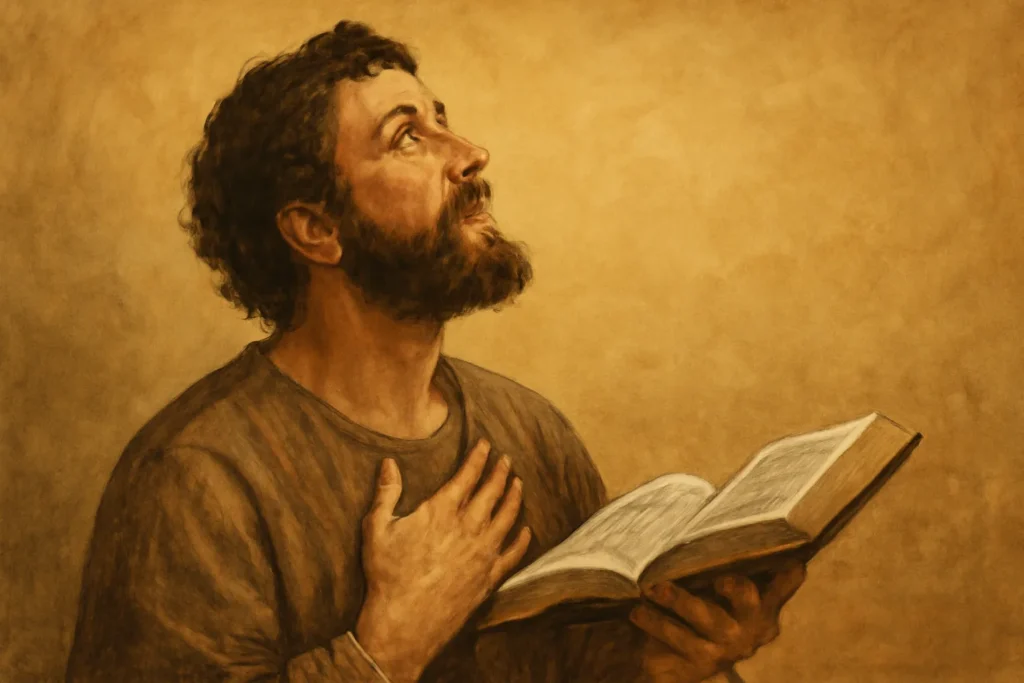
Bible Verse Hunger: 7 Verses About Spiritual and Physical Hunger explores how the Bible speaks to both the tangible need for food and the deeper longing for God. Throughout Scripture, hunger is used as a powerful metaphor and a real-life experience that God meets, teaches from, and transforms. In these seven verses, you will find a thread that connects our daily bread to our spiritual nourishment, showing that true fulfillment comes not only from physical sustenance but from a deeper, life-sustaining relationship with God. As you read, notice how the language shifts between longing, seeking, and satisfaction, and how each verse invites us to respond with faith, action, and gratitude. This article offers context, reflection questions, and practical applications to help you reflect on hunger in your own life, whether you are facing malnutrition, spiritual drought, or the quiet ache of longing for righteousness.
Verse 1: Matthew 5:6 — Hunger and thirst for righteousness
Text: “Blessed are those who hunger and thirst for righteousness, for they shall be satisfied.” (ESV)
In the opening portion of Jesus’ Sermon on the Mount, this verse frames the Christian life as a continual pilgrimage of longing—not for comfort, but for一种 deep alignment with God’s will. The imagery of hunger and thirst conjures a relentless pursuit that cannot be temporarily appeased by surface solutions. This is not a punitive image; it is a hopeful one. God honors a soul that earnestly seeks justice, mercy, and holy living, promising that such longing will be met with ultimate fulfillment. The beatitude invites readers to examine what they most deeply crave: Is it personal success, control, or status, or is it righteousness—the way of God that brings flourishing to self and others?
Context and themes
- Spiritual hunger as a virtue: The verse reframes desire as a noble motive when directed toward God’s standards.
- Promise of satisfaction: The time horizon is not only in heaven but also in daily living as God’s justice and mercy unfold.
- Call to action: Hunger for righteousness leads to acts of fairness, truth-telling, care for the marginalized, and integrity in daily decisions.
Reflection prompts
- What do you most long for in your life right now, and how does that align with God’s righteousness?
- When you face a difficult moral choice, how might your hunger for what is right guide your decision?
- In what practical ways can you cultivate a daily rhythm that “feeds” your spiritual hunger for justice?
Practical applications
- Commit to at least one act this week that demonstrates justice or mercy toward someone in need.
- Study a small section of Scripture that highlights ethical living (e.g., compassion to the poor or honest work) and meditate on it daily.
- Pray for a community-wide sense of righteousness that includes integrity in government, business, and personal relationships.
Verse 2: John 6:35 — I am the bread of life
Text: “Jesus said to them, I am the bread of life; whoever comes to me shall not hunger, and whoever believes in me shall never thirst.” (ESV)
John 6:35 places Jesus at the center of human need, transforming physical hunger into a sign pointing toward a deeper spiritual sustenance. When Jesus proclaims himself bread of life, he declares that true nourishment comes not from earthly fare alone but from a relationship with him. The statement is both comforting and challenging: it promises that those who come to him will not experience ultimate lack, yet it calls listeners to a path of belief, trust, and ongoing dependence. This verse invites us to consider how we approach our daily meals and spiritual intake alike—are we seeking food that satisfies for a moment or life that endures for eternity?
Context and themes
- Identity declaration: Jesus redefines nourishment by identifying himself as life-giving sustenance.
- Belief and trust: The invitation to “come to me” and “believe in me” emphasizes active faith as the channel of nourishment.
- Integrated hunger: The verse ties physical hunger to spiritual longing, reminding us that physical needs can point us to spiritual realities.
Reflection prompts
- What are the areas in your life where you experience hunger or emptiness, and how might Jesus’ identity as bread address them?
- How does daily eating ritual reflect your relationship with God—are you mindful that he sustains you beyond food?
- What does it mean to believe in Jesus as your daily bread in practical terms?
Practical applications
- Begin or end meals with a brief moment of prayer or gratitude, acknowledging God as the source of all nourishment.
- In your Bible study, read passages about God’s provision (like Psalm 23 or Philippians 4:19) and reflect on how provision points to God’s presence.
- Volunteer or contribute to a food pantry or meal program as a tangible expression of Jesus’ feeding ministry to the hungry.
Verse 3: Psalm 107:9 — He satisfies the longing soul
Text: “For he satisfies the longing soul, and the hungry soul he fills with good things.” (ESV)
The Psalms are filled with declarations about God’s care for those who are worn, wandering, or weary. Psalm 107:9 is a melodic reminder that longing is not a failure but a signal of deeper desire that God intends to meet. The verse presents two linked images: the longing soul and the hungry soul, each yearning for something more deeply satisfying than temporary comforts. God’s response—“fills with good things”—points to a generous, attentive Creator who knows our needs, weighs our heart’s desires, and acts with mercy. This is not a call to passivity but a call to trust that God’s fullness can meet the most sincere hunger of the heart.
Context and themes
- Divine satisfaction: God’s provision is not superficial; it nourishes the deepest desires of the soul.
- Holistic care: “Good things” can encompass spiritual wisdom, moral guidance, peace, and a sense of purpose.
- Responsive mercy: The verse depicts God as attentive to need, not distant or indifferent.
Reflection prompts
- What longings in your life feel most pressing right now, and how might God meet them in unexpected ways?
- When have you experienced “good things” as a sign of God’s mercy rather than your own achievement?
- How can you cultivate a posture of gratitude for God’s satisfying work in everyday moments?
Practical applications
- Keep a “gratitude journal” for a month focusing on moments when you sensed God’s provision in small or large ways.
- Practice fasting or intentional abstinence as a spiritual exercise to heighten awareness of God’s sufficiency when you feel longings intensify.
- Offer hospitality or share meals with someone in need as a lived expression of God’s satisfying generosity.
Verse 4: Deuteronomy 8:3 — Man does not live by bread alone
Text: “And he humbled you and let you hunger and fed you with manna, which you did not know, that he might make you know that man does not live by bread alone but man lives by every word that comes from the mouth of the Lord.” (ESV)
This verse narrates Israel’s wilderness experience, where God deliberately allowed hunger to teach dependence. The dramatic miracle of manna demonstrates God’s provision, while the deeper message exposes a spiritual axiom: bread alone cannot sustain the human life God intends. The “manna” was a daily reminder that sustenance comes as a gift from God and that true life is inseparably connected to divine revelation. Deuteronomy 8:3 invites readers to reframe hunger as a teacher rather than a tyrant—an instrument that fosters humility, trust, and an appetite for God’s words, commands, and presence.
Context and themes
- Educational hunger: The wilderness experience is designed to shape the people’s faith, memory, and dependence.
- God’s sovereignty: Hunger is allowed within God’s purpose and limited by God’s mercy and provision.
- Word-centered life: Sustenance extends beyond physical calories to the rhythm of daily hearing and obeying God’s voice.
Reflection prompts
- In what seasons have you experienced hardship that ultimately redirected you toward God’s word?
- How does the idea of “not living by bread alone” shape your approach to study, prayer, and obedience?
- What daily routines help you “eat” God’s word with the same regularity you eat physical meals?
Practical applications
- Set a daily Bible reading plan and pair it with a quick prayer asking God to nourish your inner life as you eat.
- Share a meal with someone who is hungry physically or spiritually, using the moment to reflect on God’s sustaining word.
- Consider memorizing Deuteronomy 8:3 for times when you feel tempted to rely solely on material provisions.
Verse 5: Luke 1:53 — He has filled the hungry with good things
Text: “He has filled the hungry with good things, and the rich he has sent away empty.” (ESV)
In Mary’s Magnificat, this line celebrates God’s reversals. The hungry are filled with good things while those who trust in status or wealth find their position humbled. This verse highlights God’s concern for people who experience need, scarcity, or marginalization, and it upholds a theological truth: God’s favors are not distributed according to human prestige but according to divine generosity and mercy. The hungry receiving good things is both a present reality in God’s care and a future hope that fullness will come when God’s kingdom is fully realized. This verse resonates with stories of provision, transformation, and social mercy, inviting believers to reflect on their own relationships with wealth, privilege, and the vulnerable.
Context and themes
- God’s counter-cultural generosity: The poor and hungry are recipients of God’s mercy.
- Social dimension: The verse invites readers to consider how wealth and status influence justice and hospitality.
- Fruitful reversal: It signals a shift from earthly accumulation to divine provision and blessing for those who lack.
Reflection prompts
- How do you respond when you see others who are hungry or neglected? Are you moved toward action or silence?
- In what ways might God be challenging your own reliance on wealth or status?
- What does it look like to share the “good things” you have with others who are in need?
Practical applications
- Engage in acts of mercy: donate food, time, or resources to a local food bank or shelter.
- Invite someone in need to share a meal with you and listen to their story with humility and respect.
- Budget with generosity in mind, setting aside funds for people who are less fortunate and praying for opportunities to bless them.
Verse 6: 1 Peter 2:2 — Like newborn infants, long for spiritual milk
Text: “Like newborn infants, long for the pure spiritual milk, so that by it you may grow up into salvation.” (ESV)
New Testament writers often describe spiritual growth in terms of appetite. 1 Peter 2:2 invites believers to cultivate a hunger for the pure spiritual milk, a metaphor for the basic, nourishing truths of the gospel that sustain faith and help believers mature. The image of infancy emphasizes dependence, trust, and continual nourishment. Just as infants cannot thrive without milk, Christians cannot mature without the consistent intake of God’s word, the gospel, and fellowship with Christ. This verse reframes hunger as a positive longing that fuels growth into salvation, reminding us that spiritual life thrives through ongoing nourishment, learning, and community.
Context and themes
- Spiritual infancy: The call to crave basic spiritual nourishment is a foundational step toward maturity.
- Growth and salvation: Nourishment leads to spiritual development and eventual fullness in Christ.
- Holiness through nourishment: Regular intake of truth cultivates godliness and resilience.
Reflection prompts
- What are the “spiritual milk” essentials that nourish your faith (Gospel basics, creedal truths, prayer, Scripture reading)?
- How might you cultivate daily habits that ensure steady spiritual growth rather than sporadic spiritual diets?
- Who can mentor or walk with you as you grow in your faith, providing nourishment and accountability?
Practical applications
- Establish a simple daily routine: read a short passage of Scripture, reflect on it, and record one insight or prayer.
- Join a small group or Bible study to receive and share “spiritual milk” with others, fostering mutual growth.
- Memorize a foundational Gospel verse each month to anchor your faith in core truths about salvation.
Verse 7: Mark 6:41–42 — They all ate and were satisfied
Text: “And taking the five loaves and the two fish, he looked up to heaven, and blessed and broke the loaves, and gave them to the disciples to set before the people. And he distributed them to them all. And they all ate and were satisfied.” (ESV)
In the miraculous feeding of the crowd, Mark 6:41–42 presents a vivid portrait of compassionate provision. Jesus takes what is available—five loaves and two fish—and, through prayer and blessing, multiplies it to feed a multitude. The phrase “they all ate and were satisfied” captures both immediate physical relief and a deeper sign of God’s care and presence. Hunger here is real, and Jesus meets it decisively. Beyond the miracle, the passage invites readers to consider how they respond to hunger in their communities: do they share what they have, trust Jesus to provide, and recognize God’s generosity at work in everyday life?
Context and themes
- Compassion in action: Jesus responds to real hunger with practical mercy.
- Divine abundance: God’s provision exceeds human expectations and limitations.
- Participation: The disciples' involvement in distribution emphasizes communal responsibility in meeting needs.
Reflection prompts
- How do you respond when you encounter someone who is hungry—physically, emotionally, or spiritually?
- What does it mean to trust Jesus to provide through your hands and resources?
- In what areas of your life is God inviting you to multiply what you have for the benefit of others?
Practical applications
- Volunteer at a food pantry, church kitchen, or community meal program to participate in God’s provision for others.
- Invite a neighbor or co-worker to share a meal and listen to their story, offering practical support if needed.
- Pray for opportunities to see daily bread as a doorway to encounter with God and to bless others in tangible ways.
Conclusion: Integrating hunger into a faithful life
Across these seven verses—Matthew 5:6, John 6:35, Psalm 107:9, Deuteronomy 8:3, Luke 1:53, 1 Peter 2:2, and Mark 6:41–42—the Bible invites us to view hunger not merely as a problem to be solved but as a spiritual posture to be cultivated. Whether our hunger is for righteousness, for the Bread of Life, for God’s words, for the reversal of injustice, for spiritual milk, or for practical mercy, God meets us in the ache and invites us to participate in his provision. Through this collection, you can see hunger as both a catalyst for deeper faith and a channel for compassionate action—reminding us that our daily nourishment is tied to our daily dependence on God and our willingness to share what we have with others. May your journey through these verses strengthen your appetite for God, deepen your understanding of what truly satisfies, and empower you to respond with generosity, resilience, and hopeful expectation for all that God desires to supply in your life and in your world.









Leave a Reply