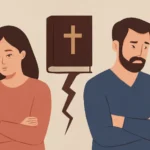
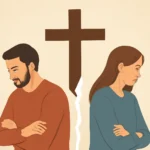
The question “can God forgive divorce?” sits at the intersection of faith, mercy, and human experience. For many believers, divorce is a painful chapter that raises questions about fidelity, failure, and the possibility of renewal. The answer, however, is not a single line written in stone. Across traditions and communities, the core conviction remains: God’s mercy is larger than any single mistake, and forgiveness is not a distant prize but a present invitation. This article explores forgiveness after divorce, the ways different faith communities understand divorce, and practical paths toward healing, reconciliation, and spiritual growth. We will look at how the phrase “Can God forgive divorce?” can be reframed as “How can I experience God’s forgiveness in the aftermath of divorce?” and why that question matters for faith, hope, and resilience.
What Do We Mean by Forgiveness?
Before addressing the theological question, it helps to clarify terms. Forgiveness is not merely forgetting a hurt or pretending it didn’t happen. It is a deliberate release of debt, grievance, or guilt, often accompanied by a recommitment to love and truth. In many faith traditions, forgiveness is inseparable from mercy—the patient, gracious empowerment to move forward in a way that honors God and neighbor. Related concepts include:
Mercy: God’s tender compassion toward those who are suffering or broken.
Grace: unearned love that helps transform a wounded life into a hopeful one.
Reconciliation: the restoration of relationships, when possible, which may require boundaries, time, and intentional effort.
Repentance or confession: acknowledging wrongdoing in order to receive grace and begin anew.
It is also important to distinguish forgiveness from consequences. Even when God forgives a person, earthly consequences of divorce—such as co-parenting, remarriage decisions, or social upheaval—may persist. Forgiveness does not automatically erase practical outcomes, but it can free a person from guilt that paralyzes spiritual growth. With this distinction in mind, many believers approach the question “is divorce forgivable by God?” as a matter of divine mercy offered to the repentant, not as a license to avoid accountability or responsibility.
Scriptural Foundations: What the Bible and Other Traditions Say
Across Christian traditions, Scripture and teaching emphasize God’s willingness to forgive and to renew. The way this plays out in the context of divorce varies, but the underlying message remains hopeful: divorce does not automatically disqualify a person from God’s grace.
Many Christians read the Bible through lenses that include mercy, justice, and fidelity. Some key themes include:
Marriage as a sacred covenant and the seriousness with which Scripture sometimes treats divorce, especially in passages where Jesus speaks about divorce and remarriage. Yet even in those passages, the emphasis on mercy and transformation is not absent.
Forgiveness offered through Christ: The New Testament presents forgiveness as available to all who repent and trust in God’s grace, including those who have experienced the pain of divorce.
The possibility of new life: The biblical picture of becoming “a new creation” suggests that broken stories can be redeemed and used for growth and compassion toward others.
Within Catholic teaching, marriage is a sacrament and a binding covenant. Civil divorce may be legally recognized, but the Catholic Church distinguishes between divorce and annulment, the latter declaring that a sacramental marriage never validly existed. In this framework, the possibility of forgiveness and healing remains, yet remarriage in the same sense as a first marriage is not permitted unless a valid annulment is granted. The emphasis is on reconciliation with God and guidance from spiritual authority, while continuing to offer pastoral care for all involved.
In many Protestant traditions, divorce may be permitted under certain circumstances (e.g., infidelity, abandonment, abuse), and remarriage is often allowed after appropriate discernment. The emphasis frequently centers on grace and second chances, with countless believers testifying to being welcomed back into the faith community and into a renewed relationship with God after divorce. In denominations such as Anglican, Lutheran, Methodist, and Presbyterian communities, the response is commonly measured by pastoral care, accountability, and a call to live in faithfulness to God’s will rather than by judgment alone.
Orthodox Christians acknowledge divorce as a reality in a fallen world while encouraging spiritual healing, repentance, and, in many cases, a measured pathway to remarriage after a period of penitence and pastoral counsel. The emphasis tends to be pastoral and merciful, with care for children and the integrity of the faith community guiding decisions about remarriage and church participation.
Other faiths and perspectives
Judaism: Divorce is regulated by Jewish law through the issuing of a get (divorce document). While divorce is permitted, the tradition places a high value on family stability and ethical conduct. Mercy and restoration are possible when communities provide support to those who experience divorce, and individuals may seek reconciliation in various forms.
Islam: Divorce (talaq) is permitted but discouraged, with a strong emphasis on reconciliation and peaceable resolution. Forgiveness is central in Islamic teaching, and God’s mercy abounds toward those who repent. Remarriage after divorce is allowed in most circumstances, with guidance from scholars and community leaders to ensure fairness and compassion.
Other traditions may emphasize forgiveness differently, but many share a common thread: God’s mercy can meet people wherever they are, including those who walk the long road after divorce.
Theology of Forgiveness and Mercy: Can God Forgive Divorce?
The heart of the question lies in who God is. Most Christian theologies affirm that God is merciful, patient, and eager to forgive. The conviction that God forgives sinners who turn toward Him provides a framework for understanding forgiveness after divorce. Several points deserve emphasis:
Divorce is not on its own described as an unforgivable sin in the core canon of Christian teaching. Rather, sins of the heart—such as hardness, pride, or unrepentant harm—are addressed in different ways. Divorce can involve broken promises, but forgiveness is not withheld because of the legal or social status of a marriage.
God’s forgiveness is offered to the contrite and to those who seek Him with honesty, humility, and a willingness to change. The Bible repeatedly expresses that God can heal the deepest wounds and renew a life marked by failure.
Grace transcends human failure. Even in cases of pain, betrayal, or complex family dynamics, grace can initiate healing, rebuild trust, and reframe a life toward hopeful service.
Repentance, confession, and faith are often described as gateways to restoration. For many believers, genuine repentance includes listening to victims, taking responsibility, and pursuing a path that respects the dignity of all involved, especially children.
It is also important to acknowledge that faith communities differ in how they articulate forgiveness in concrete terms, especially around remarriage, baptismal status, or pastoral leadership after divorce. Yet the unifying message is clear: God’s forgiveness remains available to those who seek Him, and the door to spiritual renewal remains open to all who trust in divine mercy.
Process of Healing: Steps Toward Reconciliation and Renewal
Forgiveness and healing after divorce are not instantaneous; they unfold over time. The following steps offer a practical path that many find helpful as they seek to experience divine forgiveness and rebuild life with intention and hope.
Acknowledge pain and naming the hurt is a courageous first step. It is normal to grieve the loss of the relationship, the dream you carried, and the shared life that once existed.
Seek spiritual guidance: pastoral counseling, spiritual direction, or mentorship can provide a safe space to process questions about God, forgiveness, and faith community belonging.
Practice confession and prayer in ways that feel authentic. This may involve private prayer, journaling, or guided confession with a trusted spiritual adviser. The goal is not self-flagellation but honest invitation for God to heal.
Extend forgiveness to others and yourself: forgiveness is often a two-way street. Extending mercy toward others, while also practicing self-compassion, creates space for growth and healthier relationships in the future.
Engage in restorative steps: repair relationships where possible and safe (e.g., with children, extended family), set healthy boundaries, and commit to living with integrity in all aspects of life.
Embrace a new identity: you are not defined by divorce. Embracing a renewed sense of purpose—whether through service, vocation, or healthy new relationships—helps you integrate the past into a hopeful future.
Join supportive communities: small groups, counseling circles, or faith communities that emphasize grace and accountability can be powerful catalysts for healing.
In this journey, a recurring refrain emerges: forgiveness is not denial of pain; it is a path to freedom. When people understand forgiveness as liberation from guilt and shame, they can pursue healthier relationships with themselves, God, and others.
Practical Guidance for People Facing Divorce or After Divorce
Real-life decisions during or after divorce require sensitivity to spiritual, emotional, and practical realities. The following guidance is designed to support pastoral care, family resilience, and spiritual growth.
Seek compassionate pastoral care: a trusted pastor, priest, rabbi, imam, or spiritual mentor can provide guidance, prayer, and perspective without judgment.
Prioritize the safety and well-being of children: if abuse is involved, safety is paramount. Maintain clear boundaries and seek professional support for parenting plans and emotional healing for kids.
Engage professional counseling: therapists, divorce recovery groups, and addiction specialists can offer tools to manage grief, anger, and trust issues in healthy ways.
Practice spiritual disciplines: establish routines of prayer, Scripture reading, worship, or meditation that anchor you during turbulent times.
Be honest with your faith community: communicate needs, boundaries, and hopes for ongoing church or synagogue/temple involvement in a way that fosters trust and accountability.
Build a practical plan for life after divorce: financial planning, housing, career development, and social support networks are essential pieces of a hopeful future.
Discern remarriage thoughtfully: if you consider remarriage, engage with your faith community and spiritual advisor. Many traditions require discernment processes, counseling, and time for healing before moving forward.
Most major faith traditions do not categorize divorce itself as an unforgivable sin. While some traditions treat divorce as a serious breach of covenant and may require certain pastoral steps, the prevailing view is that God’s mercy remains available to those who genuinely seek Him. A common refrain is that forgiveness is not earned by perfection but received through repentance, faith, and grace. If you have carried the burden of guilt, remember that the gospel repeatedly invites you to return to God with honesty and vulnerability, confident in divine compassion.
Can God forgive divorce even if I am remarried?
The answer to this question varies by tradition and community. In many settings, remarriage after divorce is permitted or recognized as a legitimate reality after appropriate discernment and healing. The underlying truth remains consistent: God’s forgiveness is not restricted by past marital status. People who have remarried may be welcomed into the faith community, encouraged to live with integrity, and invited to contribute to the wellbeing of their families and neighbors. Some communities may request acts of repentance or pastoral counseling, but the central message is one of grace and second chances.
What if my ex-spouse has remarried and we are still seeking healing?
Many find themselves navigating complex emotions when an ex-spouse remarries. The path toward healing often includes boundary setting, ongoing forgiveness, and careful attention to children’s needs. Communities that emphasize mercy encourage individuals to reconcile with truth and extend grace without compromising safety or personal growth. The key practice is to keep turning toward God’s mercy, while also honoring your own emotional and spiritual boundaries.
Do I need to confess my divorce to a religious leader to receive forgiveness?
Experiences vary. Some faith communities emphasize confession to God and personal spiritual direction, while others may provide formal opportunities for confession through a priest or pastor. In many traditions, God hears heart-felt remorse wherever it is poured out, and the essential ingredient is genuine repentance and faith in God’s grace. If you are unsure, speak with a trusted spiritual guide who can offer clarity aligned with your tradition.
Beyond Guilts and Labels: Living in Freedom
At its best, faith invites us to see divorce not as an end but as a place where God’s mercy can begin a new chapter. The journey from brokenness to restoration involves reconnecting with God’s love, rebuilding trust in self and others, and cultivating a life that reflects the values of compassion, honesty, and responsibility. Here are some guiding ideas for living with renewed faith after divorce:
Let grace redefine identity: you are a beloved child of God, not a label like “divorced person” or “failed partner.” Embrace your dignity and potential for good.
Embrace community: surround yourself with people who practice grace, accountability, and encouragement. Isolation often deepens pain; supportive communities can catalyze healing.
Channel pain into purpose: service, mentoring, spiritual formation, and creative expression can transform grief into constructive energy that blesses others.
Rebuild trust gradually: trust is rebuilt slowly through consistent actions, honesty, and mutual respect in new relationships and commitments.
Keep seeking God: prayer, Scripture, sacraments, and spiritual disciplines sustain hope and cultivate inner peace as you navigate ongoing life changes.
Turning Points: Stories of Hope and Renewal
Real-life stories illuminate how forgiveness and faith can work together after divorce. Consider narratives about individuals who, after the pain of separation, encountered a renewed sense of purpose, deeper compassion for others, and an expanded ability to love. In these lives, forgiveness was not a one-time event but a process built through prayer, honest conversations, time, and a community that reflected God’s mercy. While every story is unique, the common thread remains: God’s grace meets people in their brokenness and invites them into a hopeful future.
Conclusion: Can God Forgive Divorce? A Practical Summary
The answer, in short, is yes, in the sense that God’s forgiveness is available to those who seek Him with repentance and faith. The broader, richer takeaway is that forgiveness is not a hollow phrase but a living invitation to heal, to grow, and to love more deeply. While communities may differ on the exact handling of remarriage, sacraments, or church membership after divorce, the core Christian conviction remains: divorce does not disqualify you from God’s love, and your life can be renewed in grace through a sincere turn toward God. If you are walking this path, you are not alone. There are faith communities, spiritual mentors, counselors, and peers who can walk with you toward a future shaped by healing, responsibility, and a vibrant, hopeful faith.






Leave a Reply