Christian Divorce: A Practical Guide to Navigating Faith
Christian Divorce: A Practical Guide to Navigating Faith
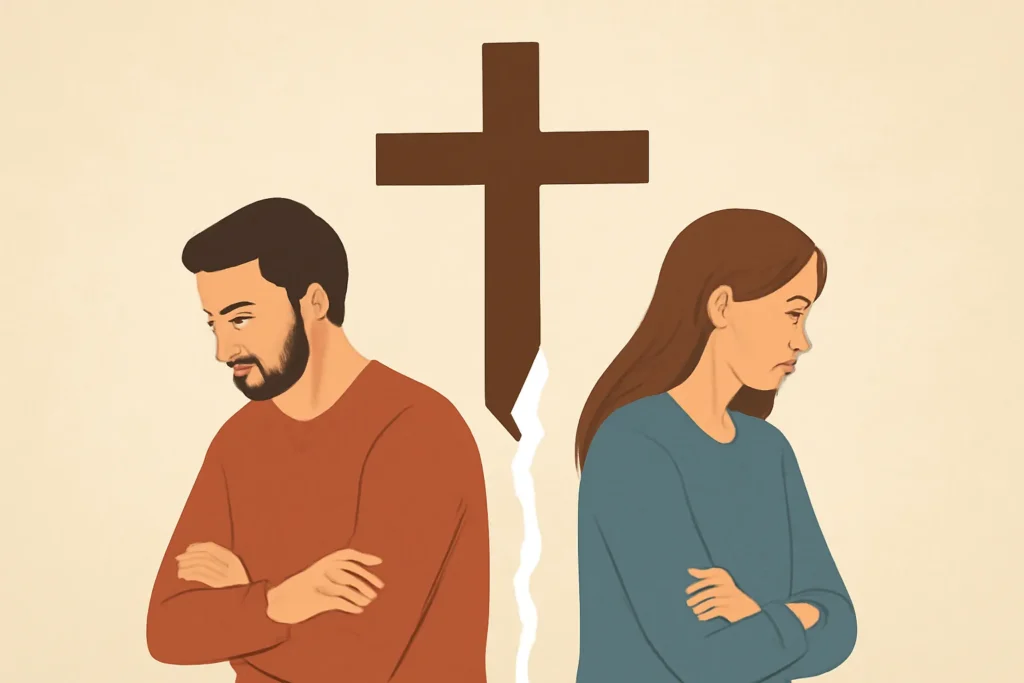
Christian divorce is a painful and complex journey that touches faith, family, and personal well-being. This guide is designed to provide practical steps for navigating divorce in Christian contexts, exploring biblical divorce and church interpretations while offering concrete resources for families and individuals. Whether you inhabit a Catholic, Orthodox, or Protestant tradition, or you are navigating a faith-informed path in a non-denominational setting, this article aims to illuminate the spiritual, emotional, and practical facets of marital dissolution within the Christian church.
Foundations for Understanding: Christian divorce in context
In Christian teaching, marriage is often described as a sacred covenant that reflects God’s relationship with creation. The language of biblical marriage conveys permanence, faithfulness, and mutual submission in ways that shape expectations for couples. Yet Christian communities also acknowledge the real and difficult situations that can lead to divorce in Christian life. The tension between an ideal of lifelong union and the hard realities people face requires thoughtful discernment, compassionate pastoral care, and careful attention to the safety and flourishing of all involved, especially children.
Three core themes recur across many Christian perspectives when considering divorce and separation:
Covenant and conscience: Marriage is a covenantal relationship, but individuals also carry conscience before God. Decisions about separation or divorce should be weighed with humility, prayer, and wise counsel.
Abuse and safety: The safety and protection of spouses and children matter deeply. When there is domestic violence or ongoing danger, pastoral guidance emphasizes safeguarding steps, legal protection, and supportive resources.
Faithful living after divorce: Many Christians seek a path that honors God, cares for children, and fosters personal growth and healing, even when remarriage may be a possibility in their faith community.
In exploring divorce within Christian faith communities, it is helpful to distinguish between civil divorce, ecclesial understanding, and personal conscience. Civil divorce dissolves civil marriage in law, while ecclesial or church-related implications relate to the church’s interpretation of marriage and, in some traditions, the possibility of remarriage within the church. The balance between divine intention for marriage and pastoral compassion shapes how a faith community walks with those who are contemplating or experiencing divorce.
Variations across Christian traditions
Christianity does not have a single universal stance on divorce. Different traditions emphasize various aspects of Scripture, church law, and pastoral practice. Here is an overview of how some major streams approach the topic, with attention to terms like divorce and remarriage, porneia (the biblical term often translated as sexual immorality), and the authority of church teaching.
Catholic and Orthodox understandings
In the Catholic Church, marriage is a sacrament and a lifelong covenant. The standard view is that marriage is indissoluble, and a valid sacramental marriage cannot be dissolved by the church. Civil divorce, while legally recognized, does not nullify the sacramental bond. For Catholics, divorce may be possible for civil purposes (e.g., separation, custody arrangements) but remarriage in the church typically requires an annulment, a declaration that the marriage was not validly formed according to church law. An annulment is not a “Catholic divorce” but a determination about the validity of the sacramental bond at the time the vows were exchanged. In cases of abuse or danger, the church may support separation and safety planning, while still guiding individuals toward healing and, if appropriate, ecclesial processes for future union within the faith tradition.
In the Orthodox Church, marriage is also highly valued as a sacramental and lifelong covenant, though the approach to divorce and remarriage may be more expansive in practice than in the Roman Catholic tradition. The Orthodox tradition generally permits remarriage in some circumstances, often after a period of penance and with ecclesial approval. The emphasis is on pastoral care, reconciliation, and the pastoral response to those who experience marital disruption, including considerations for children, social stigma, and the spiritual well-being of all involved.
Protestant, Anglican, and evangelical perspectives
The Protestant family of churches spans a broad spectrum. Some denominations recognize divorce as a regrettable but sometimes necessary outcome of failed marriage, with guidelines for remarriage and pastoral support. Other groups emphasize stricter discernment, with remarriage permitted under specific biblical grounds (for example, infidelity or abandonment) and within the guidelines of the local church. A key idea across many Protestant communities is that Christ’s redemptive work offers forgiveness, healing, and new life, suggesting that divorce does not terminate a person’s ability to live a faithful Christian life or to pursue future marriage within the church’s community when appropriate.
In the Anglican/Episcopal tradition, for example, there is often a process of pastoral discernment that includes consideration of Scripture, church canons, and the guidance of a bishop or priest. Some evangelical churches may have more restrictive rules about remarriage in the church, while others adopt a more pastoral approach that prioritizes care, safety, and accountability. In many Protestant settings, the emphasis is on pastoral care, ethical boundaries, and clear communication with families, children, and the church community.
Independent and non-denominational Christian communities
Independent churches and many faith-based organizations approach divorce with flexibility and a focus on practical gospel living. In these settings, a local pastor or elder often helps couples navigate conflict, separation, or divorce, balancing scriptural considerations with the realities of life. Remarriage policies may vary widely, but the common thread is an emphasis on discipleship, community accountability, and ongoing spiritual formation for all involved.
When divorce is under consideration: recognizing needs and thresholds
Deciding whether to pursue a divorce is rarely a single-question choice. It often involves evaluating safety, trust, patterns of behavior, and the ability to maintain a healthy environment for children and family. Here are key thresholds that many individuals and faith communities consider when facing divorce and separation:
Abuse or danger: Any form of physical, emotional, or sexual abuse creates a compelling case to seek safety and legal protection. In such cases, separation and protective action come first, with ongoing pastoral support.
Infidelity: Extramarital sexual activity can be a foundational breach for many couples. Some traditions view this as grounds that may allow for remarriage under specific conditions, while others may require discernment and accountability before any remarriage within the church.
Chronic betrayal or breakdown of trust: If trust cannot be rebuilt despite serious efforts, counseling, and boundaries, a faith community may support a decision that prioritizes safety and well-being.
Irreconcilable differences and failed reconciliation attempts: Couples may exhaust counseling, accountability, and relational repair strategies without obtaining sustainable reconciliation, prompting a decision about continued separation or dissolution.
Impact on children: The welfare and formation of children are central concerns. A church community often emphasizes creating a stable, nurturing environment and robust co-parenting arrangements.
In this landscape, biblical divorce and divorce in a Christian context are not abstract concepts but real life decisions that require careful discernment, accountability, and faithful pastoral accompaniment. It is essential to seek counsel from trained spiritual leaders alongside legal and mental health professionals to address the multifaceted needs involved.
A practical decision-making framework for navigating Christian divorce
To translate faith into action during a crisis of marriage, here is a structured approach that many families find helpful. The steps are designed to be adaptable across traditions while remaining firmly grounded in both biblical principles and practical realities.
Prioritize safety and immediate needs: If there is any risk of harm, contact local authorities, secure a safe place, and involve women’s or men’s shelters, trusted family members, or church leaders who can help with protective planning. Safety is never optional.
Seek spiritual counsel: Schedule conversations with a trusted pastor, priest, or spiritual mentor who understands your tradition and can offer pastoral guidance, biblical insight, and prayerful discernment.
Engage professional support: A faith-informed counselor or therapist can help you process emotions, assess patterns, and craft a path toward resilience. A family law attorney can help you understand legal options and protect your rights and your children’s interests.
Clarify your goals: Consider what you want for your life, your faith, and your family in the short term and the long term. Clarify non-negotiables (such as safety, custody, financial stability) and areas where you’re willing to adapt.
Communicate with care: When safe to do so, have honest, compassionate conversations with your spouse about boundaries, expectations, and the future. Establish practical boundaries to minimize escalation and to protect children.
Develop a parenting plan: If children are involved, co-parenting agreements, consistent routines, and clear communication channels reduce stress and provide stability for kids.
Document decisions: Keep records of agreements, court orders, and counseling notes. Documentation helps reduce misunderstandings and provides a reference point for all involved.
Plan for the long term: Consider housing, finances, insurance, work, and medical coverage. Build a roadmap for the next year and for the significant milestones ahead.
Attend to healing and faith formation: Grief, anger, and disappointment are natural. Seek ongoing spiritual nourishment through worship, scripture, prayer, and a faith community that supports your healing journey.
Reassess remarriage pathways: If you are considering remarriage in the future, consult your faith community's guidance, including any required processes (annulment in some traditions, or formal discernment with church authorities) before pursuing new commitments.
Legal, financial, and practical considerations in Christian divorce
Beyond church disciplines and pastoral counseling, legal and financial planning are essential components of any divorce process. Churches and faith-based organizations can offer support, but legal matters require qualified professionals. Here are core areas to address:
Custody and parenting time: Develop a parenting plan that prioritizes the stability and well-being of children. Courts often favor arrangements that maximize ongoing parental involvement, while respecting safety and welfare considerations.
Property division and debt: Fair asset distribution and debt responsibility minimize disputes and support financial solvency after separation.
Spousal support: Alimony or spousal maintenance arrangements may be appropriate, depending on the laws of your jurisdiction and the specifics of the marriage.
Insurance and health coverage: Ensure ongoing access to healthcare, including for dependents, during and after the divorce process.
Housing and living arrangements: Decide whether to maintain the family home, relocate, or establish a new residence in a way that minimizes disruption for children and preserves financial stability.
Documentation for churches or faith communities: If your church has specific processes for separation or remarriage, gather the appropriate documents and guidance to navigate those steps with transparency and respect.
In many Christian contexts, pastoral leaders help families integrate spiritual and practical needs. They can coordinate with legal professionals or financial counselors who share a faith-based perspective, ensuring that decisions honor both justice and mercy. The goal is not merely to end a marriage but to cultivate integrity, safety, and renewed hope for all involved.
Pastoral care plays a central role in the experience of divorce within Christian faith communities. A compassionate church community can offer guidance, accountability, and emotional sustenance while helping families navigate difficult transitions. The following resources and practices are commonly utilized:
Pastoral counseling with clergy or trained lay counselors who understand Scripture, church doctrine, and mental health best practices.
Faith-based counseling centers that integrate spiritual perspectives with evidence-based therapy.
Support groups for separated and divorced individuals within or beyond local congregations to share experiences, prayers, and practical tips.
Legal clinics and pro bono services offered through faith-based organizations to assist with divorce filings, custody petitions, and protective orders.
Domestic violence resources and shelters affiliated with faith communities that provide safety planning, legal advocacy, and spiritual support.
Financial coaching and budgeting workshops designed for divorced or separation households to promote economic stability.
When choosing resources, consider compatibility with your faith tradition, the level of confidentiality, and the accessibility of services. A trustworthy church or denomination will respect your autonomy, protect your privacy, and connect you with qualified professionals who can support your spiritual formation and practical needs.
Children, custody, and the Christian perspective
Children are often the most vulnerable during a parental divorce. Christian communities are called to protect their well-being, nurture their faith, and minimize disruption to their sense of stability. Key considerations include:
Stability and routine: Maintain predictable routines for schooling, meals, and sleep to help children cope with change.
Open, age-appropriate communication: Be honest with children in ways that are appropriate for their age, avoiding language that blames or shames. Emphasize that both parents care for them and that they are loved.
Co-parenting agreements: Establish clear agreements on visitation, decision-making, education, religious upbringing, and medical care, while prioritizing the children’s best interests.
Spiritual guidance: Encourage children’s faith formation through consistent participation in church or faith-based activities, while respecting each parent’s role and boundaries.
Modeling resilience: Demonstrate forgiveness, accountability, and hopeful vision for the future, helping children learn to navigate disappointment with faith and courage.
In many Christian communities, it is understood that a parent’s actions—along with the family’s extended support network—shape a child’s sense of identity and belonging. Churches may offer parental coaching, counseling for families, and youth programs designed to maintain connection to faith during and after divorce.
Remarriage, forgiveness, and moving forward in Christian life
For Christians, remarriage and forgiveness are deeply personal decisions influenced by Scripture, tradition, and the guidance of spiritual leaders. Different traditions have varying practices regarding remarriage after divorce. Some paths allow remarriage freely after a period of discernment and accountability, while others require formal processes such as annulment in certain contexts or ecclesial confirmation before entering a new union in the church.
Regardless of tradition, the journey toward remarriage generally benefits from:
Continued spiritual growth: Ongoing prayer, Bible study, and participation in a faith community help individuals grow in trust and integrity as they enter new commitments.
Accountability and transparency: Open communication with trusted spiritual mentors, family, and a faith community fosters accountability in a new relationship.
Healthy boundaries: Developing and maintaining healthy boundaries in the new relationship reduces the risk of repeating patterns that contributed to the prior marriage’s breakdown.
Healing and forgiveness: Healing from the pain of divorce involves both pastoral forgiveness and self-compassion, recognizing that healing is a process, not a single moment.
In traditions that require ecclesial approval for remarriage, it is important to engage early with church leaders to understand the process, timelines, and what is expected. In all cases, the aim is to honor God, love others well, and foster a faith community where people can grow, serve, and thrive in light of their experiences.
Faith-informed conversations: guiding questions for individuals and couples
When wrestling with whether to pursue separation or divorce within a Christian framework, thoughtful questions can guide discernment. Use these prompts in conversations with a trusted pastor, counselor, or mentor:
What biblical principles are most relevant to our situation? How do we weigh covenant faithfulness, justice, mercy, and personal safety?
What are the needs of our children? How can we minimize harm and maximize stability for them?
Have we sought professional help? Do we have a plan for counseling, legal counsel, and safety planning if needed?
What does reconciliation look like in our context? Are there concrete steps toward healing, even if the marriage ends?
What are our responsibilities to the church community? How will we communicate about our decisions to family and faith community respectfully?
These questions are not a checklist to produce a quick answer; rather, they are a framework to ensure that decisions honor both spiritual convictions and the realities of life. The aim is to pursue truth, justice, and mercy in a way that protects the vulnerable and honors the divine gift of human relationship.
Glossary of terms for Christian divorce discussions
Understanding some common terms can help conversations stay constructive and informed. Here is a brief glossary tailored to a faith-based context:
Divorce: The legal dissolution of a marriage by a civil authority. In Christian contexts, it is distinct from, though often related to, church processes regarding legitimacy of future unions.
Annulment (Catholic tradition): A church declaration that a marriage never met the Church’s requirements for a valid sacramental union, rather than a dissolution of a valid marriage.
Separation: A period during which spouses live apart, which can be judicial, civil, or mutual, sometimes with agreed boundaries and safety plans.
Remarriage: A subsequent marriage after a divorce; in Christian contexts, the permissibility and timing vary by tradition and can involve ecclesial discernment.
Porneia (biblical term): Translated as sexual immorality; in some passages it is cited as a possible ground for divorce in the Gospels.
Pastoral care: The supportive ministry of church leaders and counselors aimed at guiding individuals and families through grief, decision-making, and healing.
Conclusion: navigating faith, family, and future possibilities
Christian divorce is never merely a legal or social act; it is a transformative experience that intersects with a person’s faith, community, and path forward. This guide has highlighted how divorce in Christian life involves biblical interpretation, denominational nuance, safety considerations, and practical planning. By centering safety, seeking spiritual and professional guidance, and engaging in compassionate, honest dialogue, individuals and families can navigate the complexities with integrity and hope. The church’s role is not to condemn but to accompany—to offer a space for truth-telling, healing, and renewal, no matter where the journey leads next.
Whether you are asking, “How does one handle divorce within the church?”, or “What does biblical divorce look like in my community?”, remember that you are not alone. Across traditions and communities, Christians are learning to live faithfully with difficult choices, to protect the vulnerable, and to pursue reconciliation and wholeness where possible. The path may be challenging, but it can also be a doorway to renewed purpose, deeper faith, and a new chapter rooted in love for God and neighbor.











Leave a Reply