Carol Christmas Song: The Ultimate Guide to Classic Christmas Carols, Lyrics, and History
Carol Christmas Song: The Ultimate Guide to Classic Christmas Carols, Lyrics, and History
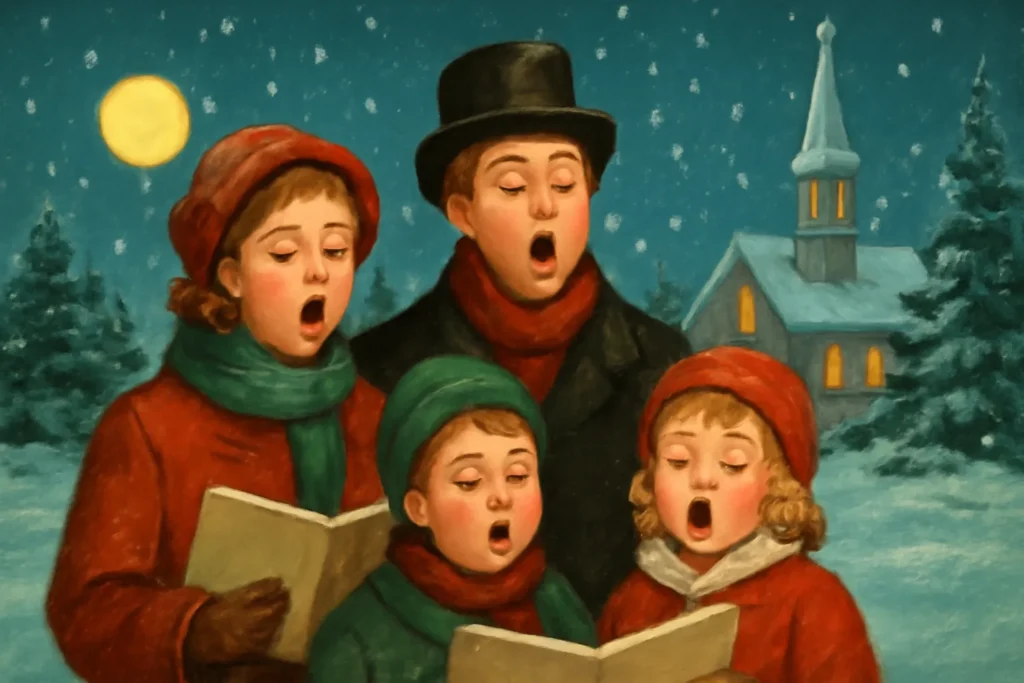
Welcome to Carol Christmas Song: The Ultimate Guide to Classic Christmas Carols, Lyrics, and History. This article explores the seasonal soundscape that defines winter celebrations across many cultures: the traditional carol and its close relatives, the Christmas song, the festive hymn, and the modern seasonal melody. Here you will find a detailed overview of what makes a carol a carol, a survey of beloved classics, notable lyric traditions, and a concise history from ancient roots to today’s streaming era. Whether you are a music educator, a curious reader, or someone building a holiday playlist, this guide will help you understand the enduring appeal and cultural significance of these songs of the season.
A carol is a song that expresses joy, celebration, or devotion related to the Christmas season. While many people use the term carol and Christmas song interchangeably, there are useful distinctions to notice:
Origins: Traditional carols often arose in liturgical or communal settings and spread through oral tradition before being notated in print.
Thematic focus: Carols frequently center on the Nativity, shepherds, angels, or the hope and wonder of Christmas night; some also celebrate winter imagery, peace, and charity.
Form and chorus: Many carols feature a simple, singable refrain and a narrative verse structure that invites call-and-response or congregational participation.
Public domain status: A large portion of the classic carols were written in the 16th–19th centuries and are in the public domain, which affects how they are used in print, performance, and licensing today.
In modern usage, holiday songs and Noël tunes extend the same spirit of celebration, but they may come from different cultural contexts or reflect contemporary life. This guide emphasizes classic Christmas carols—the repertoire that has informed generations of singing, arrangement, and interpretation—while noting how newer holiday songs sit alongside them in the public imagination.
The history of carol music: from medieval roots to modern reverberations
The history of the traditional carol is a journey through centuries of religious practice, theatrical performance, and home-based ritual. Here are the broad epochs that shaped the caroling tradition:
The earliest carols emerged in medieval Europe as Latin and vernacular religious songs that accompanied processions, mysteries, and nativity plays. Carols were not initially exclusive to Christmas; some were seasonal or devotional in nature, performed during feast days and liturgical celebrations. Over time, communal singing and the use of refrains helped these pieces endure beyond the church walls.
Medieval to early modern development
As printing spread and literacy rose, carols began to appear in printed hymnals and collections. The lyric content often blended devotional language with everyday imagery—shepherds, inns, stars, and the rural landscape—so that audiences could imagine the Nativity while also recognizing their own lives in the songs.
19th-century revival and the canonization of classics
The Romantic era and the surge of national music-making led to a revival of interest in folk carols and traditional arrangements. In Britain and parts of Europe, composers and collectors began to assemble and preserve carols, ensuring their survival for future generations. This period gave us many of the best-known carols that remain central in modern Christmas repertoires.
20th century to the present: adaptation, arrangement, and modern franchises
In the 20th century, carols adapted to new orchestration, band arrangements, and pop vocal styles. The recording industry, radio, and later digital streaming transformed how these songs are heard. Today, you may encounter traditional carols arranged for symphonic chorus, chamber groups, or a cappella ensembles, as well as modern Christmas songs that borrow the caroling spirit while introducing contemporary harmonies and production techniques.
Across eras and regions, the core idea of a carol—shared singing that accompanies contemplation of Christmas—remains strong. The following sections offer a guided exploration of specific classics, their lyrics, and the stories behind them.
Classic Christmas carols: a curated catalog
Below is a sampling of renowned carols, with notes on origin, thematic focus, and notable musical features. Where possible, we mention the public domain status of the text and tune, which affects how ensembles can publish or perform them without licensing concerns.
Silent Night (Stille Nacht, heilige Nacht)
Often considered the quintessential Christmas carol, this 1816 Austrian tune, composed by Franz Xaver Gruber with words by Joseph Mohr, conveys a serene Nativity scene through a simple, lullaby-like melody. It has been translated into many languages and performed around the world. The lyric focus is calm and reverent, inviting listeners to reflect on the mystery of the season.
O Come, All Ye Faithful (Adeste Fideles)
With roots going back to the 18th century, this carol invites the faithful to worship the newborn King. It is frequently used in Christmas Eve and dawn services and is a staple in choirs and congregational singing. The refrain makes it particularly well-suited to responsive singing and choir-led performances.
A traditional English carol published in various 18th-century collections, with older roots in folk tradition. It retells the Nativity story with a narrative arc that follows the appearance of the angels, the guiding star, and the shepherds who witness the holy event.
Joy to the World (Antioch)
Based on a 18th-century text by Isaac Watts and set to music that circulated among congregations in the 1830s, this carol celebrates the Advent and Christmas message with exuberant refrain and broad, triumphant scales that invite joyful singing.
It Came Upon the Midnight Clear
Composed in 1849 by Edmund H. Sears with text of the season’s hope, this carol emphasizes the message of peace and reconciliation. It became a favorite in church services and in secular holiday programming alike.
Hark! The Herald Angels Sing
With lyrics adapted by Charles Wesley and music associated with Felix Mendelssohn, this carol offers a hymn-like proclamation of the divine birth and the glory of the King. Its majestic, ceremonial tone makes it a centerpiece for Christmas concerts.
God Rest You Merry, Gentlemen
A traditional English carol with dark, comforting undertones, emphasizing resilience and protection against fear. Its infectious chorus has kept it in the daily repertoire of carolers for generations.
We Three Kings of Orient Are
Inspired by the biblical Magi, this 19th-century carol reflects the journey motif and the gifts of gold, frankincense, and myrrh. Its narrative framing helps listeners visualize the Epiphany moment in holiday storytelling.
Each of these classic Christmas carols demonstrates enduring features: memorable melismas, singable melodies, a narrative or devotional focus, and a sense of community brought together by shared singing. While the tunes are often associated with church or school programs, they have also become part of family rituals during the holiday season.
Lyric snapshots: brief, public-domain excerpts
Because some readers may be curious about the lyrical content of these timeless tunes, here are brief, public-domain excerpts suitable for study or classroom discussion. These quotes are short and are widely recognized parts of the carol tradition. If you are using lyrics in a publication, consider consulting licensed sources for complete text and derechos.
"Sleep in heavenly peace."
"O come, let us adore him."
"Joy to the world, the Lord is come!"
"The first Noel, the angels did say"
"Glory to the newborn King!"
These lines illustrate how carols distill complex theology and seasonal imagery into concise, chant-like phrases that can be repeated and remembered easily during collective singing.
Lyrics, themes, and the shaping of sacred in secular spaces
Carols occupy a unique space where the sacred Nativity story intersects with communal celebration. The lyrical themes often emphasize:
Nativity narratives: the birth of Jesus as the central event.
Astrolike and shepherd imagery: guiding stars, heavenly messengers, and humble observers.
Peace and goodwill: hope for harmony in a troubled world.
Light and darkness: sacred light amid winter darkness.
Worship and adoration: call to praise and reverence.
Over time, these motifs migrated from strictly religious rituals to more secular, family-centered practices such as caroling door-to-door, school performances, and community concerts. The result is a hybrid cultural form that preserves sacred meaning while inviting broader audiences to participate in the festive season.
In addition to canonical religious carols, many households cherish seasonal tunes that evoke winter scenery or the nostalgia of Christmas past. These holiday songs may feature secular lyrics about Santa, gift-giving, or cozy nights by the fire. Yet even these pieces frequently share the same Catholic, Protestant, or broadly Christian musical heritage that characterizes the carol tradition, making the distinction between sacred and secular more of a spectrum than a binary.
Educators and performers often emphasize the musical structure of carols—the repetition of refrains, the shape of verses, and the interplay between choir and congregation—as a vehicle for teaching music literacy, history, and cultural appreciation. For listeners, these songs function as soundtracks of memory, linking generations through shared performance and familiar melodies.
Learning, performing, and engaging with carols today
Whether you are a student, a teacher, a church musician, or a casual listener, there are many practical ways to engage with the classic carol repertoire. The following list offers ideas for study, performance, and enjoyment:
Choral arrangements: Explore voice parts (Soprano, Alto, Tenor, Bass) and observe how a simple melody can be enriched by harmony and counterpoint.
Lyric analysis: Examine imagery, symbolism, and narrative structure in carol texts to understand theological and cultural references.
Historical context: Research the year of publication or first performance to learn about musical style and social conditions of the era.
Public domain awareness: Identify which carols and tunes are in the public domain to plan print editions or educational materials without licensing hurdles.
Active listening: Compare different musical settings of the same carol (e.g., a simple organ accompaniment vs. a full orchestral arrangement) to observe how orchestration shapes emotion.
Performance practice: Involve communities by organizing caroling sessions that blend traditional pieces with contemporary seasonal songs, encouraging inclusive participation.
For educators, a practical approach is to pair a classic carol with its historical context, followed by a listening session of varied arrangements. For choirs and ensembles, choosing a core repertoire (for example, a thouroughly robust arrangement of Hark! The Herald Angels Sing and Joy to the World) can anchor a winter program while allowing room for new commissions or student-led performances.
How to build a robust carols-based playlist
Curating a thoughtful collection of carols for the holiday season involves balancing tradition with accessibility. Here are practical steps to assemble a compelling carol-themed playlist or program:
Start with core classics: Choose 4–6 well-known carols that most audiences will recognize and sing along to easily.
Mix sacred and secular pieces: Include a few explicitly devotional carols alongside songs that evoke the winter season or festive cheer.
Vary musical texture: Alternate homophonic choral pieces with more playful, rhythmically-driven tunes to sustain engagement.
Include instrumental colors: Add arrangements for strings, brass, or organ to enrich the sonic palette without losing singability.
Plan for accessibility: Consider tempo, range, and language clarity so that audiences of all ages can participate.
In digital contexts, you can curate a playlist for streaming platforms, a video presentation with lyric captions, or a classroom-friendly set with printable lyric sheets. Remember to respect copyright rules for non-public-domain material when publishing or sharing performances beyond a private setting.
As you broaden the repertoire, consider including regional or international carols to reflect cultural diversity. For example, many countries have their own seasonal favorites rooted in local languages and customs. A well-rounded program can introduce audiences to unfamiliar but equally resonant tunes, creating a richer musical reminiscence of the Christmas season.
The cultural impact of carols and the season
Carols function as more than musical decoration; they are vehicles of memory, ritual, and shared identity. Their repeated performance in churches, schools, community centers, and homes reinforces a sense of belonging and continuity. The act of singing together—whether in a formal service, a school concert, or a street-corner caroling session—creates a palpable sense of community and belonging that is especially valued during the holiday season.
Moreover, carols have a unique cross-generational appeal. Adults remember childhood caroling and family gatherings, while younger generations experience the same melodies with fresh arrangements and contemporary production. This generational continuity helps maintain the traditional festive mood of Christmas while allowing room for innovation and new voices. In many households, carols become a family tradition, a shared repertoire that is handed down with stories about where a favorite carol was first heard or who taught the version used in the family’s gatherings.
From a scholarly perspective, carols illuminate how societies negotiate sacred narratives with communal joy, how language and melody travel across borders, and how music becomes a durable method of transmitting culture. The study of carols intersects with history, religious studies, ethnomusicology, and literature, offering a rich field for students and readers who want to understand the seasonal soundscape more deeply.
In the digital era, the dissemination of carols has intensified. Streaming services curate seasonal catalogs, YouTube channels host performances from around the world, and educational platforms offer annotated scores and historical notes. This democratization of access makes classic Christmas tunes more visible and adaptable than ever before, while also requiring careful attention to licensing and copyright, particularly for non-public-domain material. The result is a vibrant, global carol culture that blends ancient practice with contemporary media.
Further reading, resources, and how to dive deeper
If you wish to explore the topic further, here are avenues for deepening your knowledge and expanding your repertoire:
Music history texts on medieval chant, hymnody, and the evolution of carols in Europe.
Collections of traditional carols (often in public domain) and annotated hymnals for classroom use.
Composer commentaries on arrangements and orchestration of classic carols for choir, orchestra, or band.
Ethnomusicology studies that examine how winter-themed and Christmas-related songs vary by region and culture.
Digital archives offering audio samples, history notes, and lyric sources for public-domain carols and licensed modern pieces.
Useful practice for enthusiasts and educators includes comparing translations and regional variants of popular carols, analyzing how the same lyric or tune changes across languages, and examining how different harmonization choices alter the emotional impact of a well-known tune. Whether you are reconstructing a period performance or arranging a modern concert, these resources help ensure accuracy, authenticity, and thoughtful interpretation.
In summary, the carol Christmas song tradition is a living, evolving part of winter culture. By understanding its history, appreciating its texts and tunes, and engaging with both old and new arrangements, you can foster a richer, more inclusive holiday experience for your audience or family. The next time you hear a familiar carol, consider not only the melody but also the centuries of human experience that have helped shape that sound into a shared expression of wonder, gratitude, and communal joy.
Conclusion
At its best, the carol or Christmas song unites listeners across backgrounds in a single moment of voice, memory, and meaning. From the humble origins of medieval processions to the grand arrangements that fill modern concert halls, the caroling tradition remains a central thread in how societies celebrate the season. By exploring the history, savoring the lyrics (including the brief, public-domain quotations shared here), and appreciating the musical craft behind these pieces, you can gain a deeper understanding of why these tunes endure, year after year, as part of the fabric of Christmas and winter culture.
Whether you call them carols, Christmas songs, festive tunes, or Noel melodies, these pieces remind us that music has the power to gather people, illuminate stories, and carry the spirit of the season into homes around the world. So, light a candle, tune your voice, and join in the timeless practice of singing together—because the carol tradition is not just a relic of the past, but a living, beloved form that continues to shape our shared celebrations.






Leave a Reply