The heart of the Christian life begins with a relationship with Jesus Christ and a trust in the gospel message. At the center of core beliefs is the conviction that Jesus is Lord and Savior, that God loves the world, and that salvation comes by grace through faith in Christ. This section outlines the foundational convictions that shape the way a Christian thinks, prays, and acts in daily life.
The Person of Christ
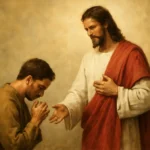
Christians affirm the historic confession that Jesus is both fully God and fully human, who came to earth to reveal the Father, bear humanity’s sin, conquer death through resurrection, and establish a new way of living in relationship with God. This means acknowledging that the incarnation, the atonement, and the resurrection are not mere ideas but events that redefine how a believer understands loyalty to God, identity, and purpose.
Another pillar is the authority and trustworthiness of Scripture. Christians consider the Bible to be God-breathed, capable of correcting, guiding, and transforming lives. The emphasis on Scripture yields a biblical worldview that informs beliefs about human dignity, moral decision making, and the meaning of history and future expectation.
Central to Christian belief is the idea that salvation is a gift rather than something earned by works. This leads to a life lived in gratitude for grace, with a growing trust in Christ that manifests in obedience, worship, and service. The phrase justification by faith apart from works (often summarized from Pauline teaching) shapes how a Christian understands identity—no amount of personal merit can surpass the need for divine grace.
Character Traits That Distinguish a Christian
Beyond doctrinal commitments, the life of a believer is marked by observable character traits that reflect the influence of the Holy Spirit. These traits are often described as the fruit of the Spirit manifesting in daily conduct, choices, and interactions with others. The following list highlights key qualities and how they function in ordinary life.
Love (agape) as the governing motive of all deeds, expressed in self-giving, kindness, and a desire for others’ good.
Joy that remains hopeful in trials, rooted in trust in God’s promises rather than external circumstances.
Peace within one’s heart and in relationships, cultivated through reconciliation and patience.
Patience in dealing with people, delays, and difficulties, coupled with perseverance in faith.
Kindness that seeks to uplift others and avoid harm, even when it is inconvenient.
Goodness and moral integrity that align actions with declared beliefs.
Faithfulness in commitments, loyalty to God, and steadfastness in relationships and responsibilities.
Gentleness in speech and action, avoiding coercion and promoting dignity for others.
Self-control that disciplines desires and aligns behavior with God’s standards.
These virtues are not merely ethical ideals but evidence of a life transformed by grace. Within this framework, Christians also recognize the Fruit of the Spirit as a holistic profile of maturation that extends across personal, relational, and communal spheres.
Spiritual Practices and Devotion
A Christian life flourishes through ongoing devotion—habits that nurture relationship with God, shape thinking, and guide action. Spiritual practices provide rhythm to faith and enable believers to discern God’s voice in a noisy world.
Prayer. Regular conversation with God—both petition and listening—shapes perspective, provides comfort, and aligns the will with divine purposes. Prayer is not only about asking for help but about growing in intimacy and trust.
Bible study and meditation. Engaging with Scripture—inductively reading, memorizing key verses, and applying insights to life—cultivates wisdom for daily decisions and long-term discernment.
Worship. Public and private expressions of reverence—singing, confession, gratitude—renew the focus of life around God’s worth and sovereignty.
Fellowship and accountability within a community of believers. Relationships with others provide encouragement, correction, and shared mission.
Sacraments and rites. In many traditions, baptism and the Lord’s Supper function as visible signs of invisible realities—identification with Christ, communal belonging, and ongoing renewal.
Fasting and repentance. At times, stepping back from ordinary routines to seek God’s guidance, humility, and transformation through surrender.
Each practice serves a distinct purpose: to deepen trust, to form character, and to equip believers for mission. The discipline of humility before God often accompanies disciplined prayer, while gratitude shapes an optimistic and generous outlook toward others.
Christian ethics are anchored in the reverent recognition of God’s authority and the revelation of God’s will in Scripture. The moral framework is not primarily a list of prohibitions but a way of life that reflects God’s character in community, family, work, and public life.
Honesty and integrity in speech and conduct, even when truth-telling is costly or unpopular.
Respect for human dignity, recognizing the image of God in every person, including the vulnerable and marginalized.
Sexual ethics framed by commitment, fidelity, and mutual love within the boundaries of marriage, while affirming the inherent worth of every person.
Stewardship of resources, including money, time, and talents, used generously for the common good and the advancement of justice.
Compassion and mercy toward the poor, the sick, the oppressed, and the stranger—expressed both locally and globally.
Peaceful conflict resolution and the pursuit of reconciliation, listening before judging, and seeking restorative justice.
In practice, these ethics translate into concrete decisions: how a Christian handles work integrity, how conflicts are resolved within families, how a church uses its funds for outreach, and how society treats the vulnerable. The aim is not only personal virtue but the demonstration of a living faith that invites trust and conversation about ultimate matters.
Community Life, Discipleship, and Mutual Accountability
Christian faith is not merely a private conviction but a shared journey. Community life helps believers grow toward maturity and pursue a common mission. The church, in its diverse expressions, serves as a school of character, a womb of worship, and a workplace for service.
Discipleship as a structured path of learning, mentoring, and practicing faith in daily contexts. A disciple seeks to become more like Christ over time through study, imitation, and practice.
Fellowship that builds trust, invites accountability, and sustains believers during trials. Mutual encouragement helps individuals persevere in faith.
Service and hospitality expressed through acts of mercy, community outreach, and welcoming others into transformative relationships with God.
Church leadership and governance shaped by humility, accountability, and a shared sense of calling. Leaders model servanthood and prioritize the common good over personal gain.
In a broader sense, Christian community is also a witness in society. By living out the great commandment to love God and neighbor and the great commission to share the gospel, believers demonstrate that faith has practical implications for justice, mercy, and peace.
Mission, Evangelism, and Apologetics
One of the enduring characteristics of a Christian is a sense of mission in the world. This includes both sharing the gospel with others and engaging thoughtfully with the ideas and questions people raise about faith. The aim is not coercion but invitation—an honest conversation that respects the dignity of every person while presenting the transformative story of Jesus.
Evangelism as relational and contextual, recognizing that people hear the good news best through authentic relationships and credible living.
Apologetics as a reasoned defense of the Christian faith, addressing doubts with compassion and clarity, while listening to the concerns that arise in a pluralistic world.
Social involvement that reflects the gospel’s concern for justice, mercy, and human flourishing beyond personal salvation alone.
Cross-cultural engagement that respects differences, learns from other traditions, and celebrates the diversity of God’s family.
In practice, this mission shows up in everyday life: choosing to volunteer, supporting charitable causes, mentoring someone in need, or simply speaking truth in love when confronted with difficult questions. The Christian who embraces mission embodies a life-on-life approach, recognizing that transformation happens within relationships rather than through abstract ideas alone.
Worship, Liturgy, and Sacraments
Worship is not merely a weekly event but a posture of the heart that shapes all other aspects of life. Different Christian traditions express worship in varied ways, yet there is a shared aim: to honor God, to form the community, and to renew hope for the world.
Corporate worship that gathers the community for praise, confession, and hearing the Word.
Personal worship practiced through prayer, music, writing, or art that fosters ongoing intimacy with God.
Baptism as a public declaration of faith and a symbol of new life in Christ, often seen as the doorway into the Christian community.
The Lord’s Supper (Communion) as a memory and participation in the life, death, and resurrection of Jesus, strengthening unity and hope.
Some traditions emphasize sacraments as channels of grace, while others highlight them as memorials and moments of renewal. Across these expressions, the underlying theme is transformation: people are remade in relation to God and refreshed for mission in the world.
Hope, Sanctification, and Eschatological Perspective
A distinctive hallmark of Christian belief is hope that transcends present experience. Christians live with an awareness of God’s ultimate plan, including what God will do to renew all things. This eschatological orientation informs daily choices, encouraging perseverance in faith and love even amidst hardship.
Sanctification as the ongoing process by which the Holy Spirit makes believers more like Christ. It involves repentance, growth in virtue, and a widening ability to love well.
Hope for the future anchored in God’s promises—eternal life, the restoration of creation, and the defeat of evil.
Integrity in present action—living in a way that reflects the coming reign of God, even when circumstances are uncertain or uncomfortable.
This future-oriented perspective does not neglect the present. Rather, it empowers Christians to work for justice, mercy, and healing here and now, while maintaining a patient expectation that God’s good purposes will prevail in the long run.
Stewardship and Creation Care
Christian teaching often emphasizes responsible stewardship of all God-given resources. This includes money, time, talents, and the created world itself. Stewardship is not merely a dutiful obligation but an expression of trust in God’s provision and generosity.
Generosity that shares blessings with others, especially the vulnerable, and seeks to alleviate suffering.
Financial accountability and wise management of resources in families, churches, and charitable organizations.
Time stewardship that prioritizes meaningful work, family life, worship, and service to others.
Care for creation recognizing human responsibility to protect natural resources, pursue sustainability, and honor the Creator through responsible living.
In practice, stewardship translates into acts such as supporting charitable ministries, mentoring the next generation, caring for elderly neighbors, and engaging in responsible environmental practices that reflect a reverence for life and a commitment to future generations.
Living as a Christian in the World: Cultural Engagement and Ethical Presence
Christians navigate a complex world where faith intersects with culture, politics, science, and daily routines. An important characteristic of a Christian in the world is the ability to engage respectfully, think critically, and act with integrity. This involves recognizing the human dignity of others, seeking justice, and offering hope through acts of mercy and truth-telling.
Honorable work as a form of worship when done with excellence, generosity, and a sense of service.
Political and civic responsibility exercised with wisdom, humility, and a concern for the common good, while avoiding idolatry of any political system or ideology.
Interfaith and intercultural respect that recognizes truth in diverse traditions and builds bridges of understanding rather than walls of division.
Truth-telling in love when addressing difficult topics, with a readiness to listen and learn from others’ experiences and insights.
In short, the Christian is called to be a constructive presence in society—advancing human flourishing through humble service, honest conversation, and steadfast hope in God’s good purposes for the world.
Common Forms of Christian Discipleship and Growth
Discipleship is the ongoing process of becoming more like Jesus through deliberate practices, learning, and relational mentorship. It encompasses both personal transformation and collective responsibility within the community of faith.
Spiritual formation as a lifelong process of growth in virtue, discernment, and closeness to God.
Mentoring relationships that provide guidance, accountability, and encouragement on the path of faith.
Training for service and leadership that prepares believers to serve in family, church, and society with competence and humility.
Confession and repentance as crucial practices for maintaining honesty with God and others, promoting healing and growth.
Growth pathways differ across traditions and cultures, but the underlying aim remains constant: a life increasingly oriented toward love for God and love for neighbor, characterized by a consistent pattern of faith, hope, and action.
Variations in Expression: How Characteristics of a Christian Show Up Differently
Across denominations, cultures, and historical contexts, Christians express these core characteristics in various ways. Some emphasize liturgical rhythms and sacramental life, while others highlight spontaneous worship and charismatic gifts. Some communities emphasize social justice and mercy ministries, while others prioritize deep scriptural study and theological reflection. What unifies these diverse expressions is a shared center: allegiance to Christ, a life shaped by grace, and a commitment to love and serve others.
Diverse worship styles reflect cultural contexts while maintaining a focus on God, Scripture, and community.
Different theological emphases can lead to emphasis on grace, sovereignty, or moral formation, but all seek to honor Christ as Lord.
Varied forms of service—from local mercy projects to global missions—demonstrate the breadth of Christian compassion in action.
In every expression, the goal is not uniformity for its own sake but a faithful witness that resonates with people who live in different times and places. The character of a Christian in practice is measured by how closely one’s life aligns with the teachings of Jesus and the transformative work of the Spirit within a community of believers.
Putting It All Together: What It Means to Live as a Christian
To describe the characteristics of a Christian is to describe a life oriented toward God in all dimensions: belief, character, practice, and relationship. This integrated life includes rightful trust in Christ, a temperament of grace and truth, and a posture of service to others. The following summary captures the essence of a well-rounded Christian life:
Theological depth that honors Jesus, trusts God’s promises, and submits to the authority of Scripture.
Character maturity evidenced by love, joy, peace, patience, kindness, goodness, faithfulness, gentleness, and self-control.
Prayerful dependence on God for guidance, strength, and confession, with a life shaped by consistent spiritual disciplines.
Ethical consistency that honors others, seeks justice, practices honesty, and embodies mercy in daily decisions.
Communal life marked by shared worship, mutual accountability, and collaborative mission.
Mission-minded living that speaks the truth in love, serves those in need, and participates in God’s redemptive work in the world.
Hopeful perseverance grounded in the certainty of God’s future restoration and the assurance of Christ’s victory over evil.
Stewardship and compassion demonstrated through generous giving, wise use of resources, and care for creation and neighbor alike.
Whether standing in a church pew, serving in a neighborhood ministry, or engaging in dialogue with someone who questions faith, the quintessential characteristics of a Christian remain linked to a life oriented toward Christ, shaped by the gospel, and expressed through love in action. This combination of beliefs, virtues, practices, and communal life creates a coherent and compelling portrait of Christian living that has persisted across centuries and continues to adapt to new contexts without losing its core center: a life surrendered to God and poured out for others in the name of Jesus.









Leave a Reply