The Christ Holiday, most commonly known to many as Christmas, is a celebration that sits at the intersection of faith, culture, and history. Its purpose, in many traditions, is to commemorate the birth of Jesus Christ, the central figure of Christianity, while also evolving into a broader season of goodwill, family, and communal ritual. The name itself—Christ Holiday—has many variants that reflect different languages, theological emphases, and cultural practices: Christmastide, the Christmas season, the Nativity holiday, the holiday of Christmas, the Christmastime festival, and simply the Christmas celebration. Across cultures and centuries, these phrases point to a shared core idea: a time set aside to reflect on the mystery of incarnation, to honor love in its most concrete form, and to renew social bonds through ritual, generosity, and joy.
The meaning of the Christ Holiday is multifaceted. For many believers, it is first and foremost a religious feast—an annual remembrance of god becoming human in the person of Jesus of Nazareth. For others, it is a cultural observance that has absorbed elements from many traditions, including winter solstice celebrations, family customs, and charitable acts. Regardless of how people frame it, the Christ Holiday often invites a posture of generosity, gratitude, and a sense of wonder at the mystery of life and community. In secular contexts, the holiday is also a time of festive gatherings, meaningful meals, and expressions of appreciation for friends and neighbors.
Across the centuries, the Christ Holiday has functioned as a social calendar marker. It marks the close of the dark days of winter in many northern cultures, while also marking a rite of passage from ordinary time into a season of special liturgy and gratitude. The broad arc—from anticipation during Advent to celebration on Christmas Day and the concluding Epiphany or Twelfth Night—offers a rhythm that shapes personal routines, family traditions, and communal life. The phrase Christ Holiday invites us to consider not only the historical event it attends but also the ways in which communities translate faith into practice—through worship, song, art, charity, and hospitality.
Historical Origins and Evolution of the Christmas Holiday
The origins of the Christ Holiday are layered and complex. They involve biblical narratives, early Christian identity formation, and long-standing cultural practices that predate the Christian era. Over time, the story of the birth of Jesus was braided with seasonal rites, agricultural calendars, and political power structures, producing a festival that is at once sacred and secular in many places.
Early Christian Roots
In the earliest centuries of the Christian church, communities gathered to honor the incarnation—the belief that the divine became human in the person of Jesus. The precise date of that event is not clearly documented in biblical texts, but by the late 4th century the Western church had begun to assign December 25 as the feast of the Nativity. This consolidation did not happen in a vacuum: it occurred in a milieu where the church sought to articulate a coherent calendar that could unify diverse Christian communities under a shared rhythm.
Some scholars note that the choice of December 25 may have been influenced by existing pagan festivals that celebrated light, restored days, and rebirth—the Roman feasts of Saturnalia and the festival of Sol Invictus. By placing the Nativity at this time, Christian leaders could honor a central mystery while also facilitating a broader cultural welcome for the new faith. In this sense, the birth of Christ became not only a theological statement but also a bridge to others who observed the turning of the year with warmth, feasting, and ritual.
As Europe moved through the Middle Ages and into the early modern period, the Christ Holiday increasingly absorbed regional customs. The nativity play, dramatic tableaux that depicted scenes from the Gospel narratives, became a staple of parish life. These plays provided a visual catechesis for communities with varying literacy levels and offered a communal form of reflection on the mystery of the incarnation. Meanwhile, laypeople contributed to the shaping of secular elements—gift exchange, feasting, and merriment—that would become part of the broader Christmas tableau.
Global Dissemination and Transformation
With the expansion of European empires and the movement of peoples across continents, the Christ Holiday spread far beyond its original geographic cradle. In the process, it took on new colors, languages, and practices. In some cultures, the holiday merged with local winter festivals, producing unique customs that preserved the core story while reflecting local identity. For example, in various parts of Europe and the Americas, communities embraced processions, carols in regional languages, and festive meals that celebrated both the sacred narrative and the gifts of the season.
In modern times, the global reach of the Christ Holiday has been shaped by globalization, media, and commerce. The combination of religious observance with consumer culture has led to a wide spectrum of experiences—from quiet church services and family prayer to elaborate public celebrations and commercial displays. Yet even in settings where secularization is prominent, many people still mark the season with acts of kindness, charitable drives, and communal gatherings, underscoring a shared human impulse to connect, reflect, and celebrate.
Global Traditions and Local Variations
The Christ Holiday is celebrated in countless ways around the world. While the essential story of the Nativity remains a touchstone for many communities, the outward forms of celebration vary widely. These variations reflect historical forces, climate, local cuisine, religious denominations, and cultural imagination. The result is a rich tapestry in which the same festival can look very different from one place to another, yet still share a common thread: a moment when people pause to care for others, to reflect on hope, and to tell a story of transformative love.
Midnight Mass and Christmas Day services are central in many Christian traditions, focusing on the liturgy, scripture readings, and communal prayer that center the story of the birth of Jesus.
Advent calendars, wreaths, and the season of Advent—a preparation period leading up to December 25—help believers anticipate the celebration of the incarnation.
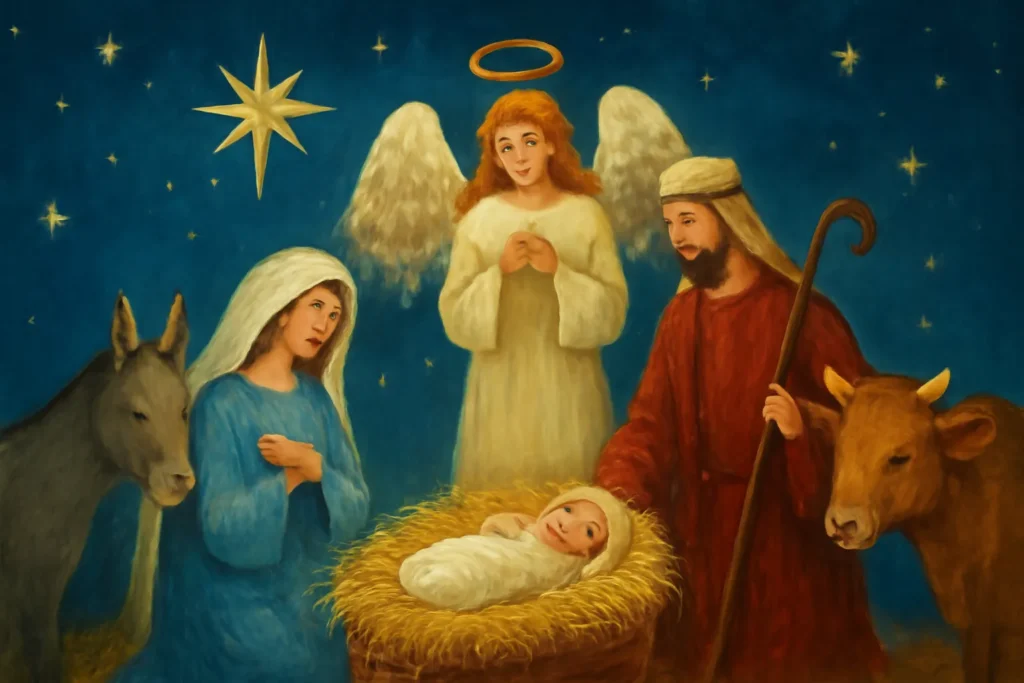
Nativity scenes, known as creches or nativities, appear in churches, homes, and public spaces to depict the infant Christ surrounded by Mary, Joseph, shepherds, and angels.
In Europe, Christmas markets with lights, crafts, and seasonal foods have long been a hallmark of the festive period, turning towns into villages of shared conviviality. In Latin America, las posadas and family gatherings weave a narrative of journey and welcome, reflecting both Catholic devotion and indigenous influences. In parts of Africa, Asia, and the Pacific, churches and communities incorporate local music, dance, and cuisine to celebrate the Christ Holiday in ways that honor cultural identity while upholding the central Christian message.
Across the globe, the Christ Holiday has become a time for gift-giving, feasting, and family reunion. Elements such as decorated trees, lights, and festive songs have become almost universal in the modern era—though their meanings can vary. For some, these practices are a gentle cultural tradition that sits alongside religious devotion; for others, they are the primary expression of the season. Regardless of emphasis, the shared language of generosity—exchanged through presents, acts of charity, and hospitality—often remains at the heart of the celebration.
Celebrations Across the Calendar: From Advent to Epiphany
The modern Christ Holiday calendar typically unfolds in a sequence that includes the season of Advent, the liturgy of Christmas Eve and Christmas Day, and the following weeks culminating in Epiphany. This arc provides a framework for devotion, storytelling, and ritual that helps communities stay attuned to the meaning of the season.
Advent is a time of waiting and preparation. It is often marked by the lighting of candles on an Advent wreath, with each candle carrying a specific theme—hope, preparation, joy, and peace. In many families and churches, Advent calendars provide a daily moment of reflection or small gift to count down to the birth of Jesus. The practice emphasizes anticipation rather than merely the arrival of a holiday, inviting a spiritual posture that accompanies daily life in December.
The Christ Holiday reaches its apex in the Christmas Eve and Christmas Day celebrations. On Christmas Eve, many communities observe a midnight mass, a night of prayer and song that re-tells the nativity story in the quiet hours prior to the morning. Christmas Day often centers the family and home, with shared meals, gift exchange, and charitable acts. The day is not only a remembrance of the birth of Christ but also a reaffirmation of community ties, mutual care, and joy in shared life.
The season does not end with Christmas Day for many traditions. In some Christian calendars, Epiphany—typically celebrated on January 6—marks the visit of the Magi to the infant Jesus, symbolizing the revelation of Christ to the Gentiles and the broader world. In other cultures, Epiphany is observed with special services, feasts, or processions. The period from Christmas to Epiphany is sometimes called Christmastide or the Twelvetide, emphasizing the continuity between the sacred narrative and its social expressions.
Symbolism, Customs, and Modern Practices
The symbolism of the Christ Holiday is rich and multi-layered. Across traditions, certain motifs recur because they convey core theological ideas—the light in the darkness, the gift of grace, and the presence of hope in difficult times. The customs that accompany the celebration—whether religious or secular—provide tangible ways for individuals and communities to participate in those ideas.
Nativity scenes and depictions of the infant Jesus: a visual reminder of the mystery of incarnation.
Trees and lights: emblems of warmth, life, and the dawning of hope in winter darkness.
Candles and wreaths: signs of light, continuity, and the progression through Advent toward Christmas.
Sharing a festive meal with relatives and neighbors—often featuring regional specialties and seasonal treats.
Giving gifts as a gesture of generosity and mutual care, echoing the Biblical story of acclamation and wonder surrounding the Holy Child.
Caroling, concerts, and community pageants that tell the nativity story in song and drama.
Food plays a central role in many Christmas celebrations. A characteristic arrangement often includes a main dish for a shared feast, special breads, roasted meats, seasonal fruits, and sweets like fruitcake or panettone, depending on the cultural setting. Hospitality—welcoming friends, neighbors, and the vulnerable to share a meal or a cup of hot beverage—is a cherished aspect of the holiday spirit in many communities.
The modern Christ Holiday often invites ethical reflection alongside celebration. Debates about commercialism, inclusivity, and the place of religion in public life frequently surface around this season. Some people seek to preserve the spiritual core of the holiday by prioritizing acts of service, charity, and contemplation, while others emphasize cultural and secular dimensions—music, art, family time, and civic generosity.
Critics argue that a strong emphasis on presents, decorations, and intensively market-driven experiences can dilute the religious meaning of the season. Proponents of a more intentional approach suggest that the Christ Holiday can be re-centered on giving—whether through charitable drives, volunteering, or helping those in need. This reframing aligns with broad human instincts toward care for others and shared responsibility for the vulnerable.
In multicultural societies, the Christ Holiday often intersects with other religious and secular celebrations occurring during the same time of year. Some communities choose to foster inclusive spaces where people of different backgrounds can observe shared values—such as generosity, peace, and family—without feeling diminished or coerced into a single narrative. Modern conversations about the Christ Holiday increasingly recognize its capacity to foster interfaith dialogue and mutual respect among diverse populations.
Contemporary artists, educators, and religious leaders explore ways to reinterpret the Nativity narrative for new audiences. This includes ecosystem-friendly gift campaigns, inclusive storytelling that highlights the universal themes of mercy and justice, and creative expressions that connect with younger generations. The goal in many communities is to preserve the essence of the Christ Holiday while allowing for fresh voices and local meanings to emerge.
Educational and Cultural Resources for Further Learning
If you want to deepen your understanding of the Christ Holiday, its history, and its diverse celebrations, consider exploring a mix of religious texts, historical studies, cultural histories, and contemporary analyses. The following resources offer a range of perspectives—from scholarly exegesis to cultural anthropology and public theology.
Biblical scholarship on the Nativity narratives, incarnation theology, and early Christian worship.
Historical overviews of the dating of Christmas, Advent practices, and the evolution of winter festivals in different regions.
Ethnographic studies of local Christmas customs, caroling traditions, and nativity plays around the world.
Literature and art that interpret the Nativity story and the season’s themes in imaginative ways.
Interfaith and public theology discussions on how the Christ Holiday intersects with civic life, inclusivity, and social justice.
Conclusion: The Enduring Significance of the Christ Holiday
Across centuries and continents, the Christ Holiday—in its many forms and names—has remained a powerful focal point for memory, celebration, and moral reflection. Whether one situates the festival within a strictly liturgical framework or within a broader cultural calendar, the central convictions of hope, love, and generosity tend to surface in tangible ways: family gatherings, acts of charity, shared meals, and community songs. The Nativity narrative at the heart of the holiday offers a story of vulnerability and welcome that resonates across traditions. At its best, the Christ Holiday invites people to slow down, observe the needs of others, and consider how to bring light into the world—both during the season and in daily life throughout the year.
In a rapidly changing world, the meaning of the Christ Holiday can be reimagined without losing its core: a celebration that points toward the dignity of all life, a reminder that care for one another is a shared obligation, and a call to hope that persists through darkness. By acknowledging the diversity of Christ holiday practices—from solemn worship to joyous feasts and from quiet reflection to public acts of service—we honor a tradition that has persisted because it speaks to fundamental human longings: to belong, to be nourished, and to be part of something larger than ourselves.
Whether you call it Christmas, Christmastide, or the Nativity holiday, the season offers an invitation to participate in a story larger than any one individual. Embrace the beauty of the season with intention: listen to stories, extend hospitality, and share what you can with those in need. In this way, the Christ Holiday remains, across time and place, a living festival of meaning, memory, and hopeful possibility.










Leave a Reply