Introducing the Christ Christmas Tree: History, Significance, and the Modern Home
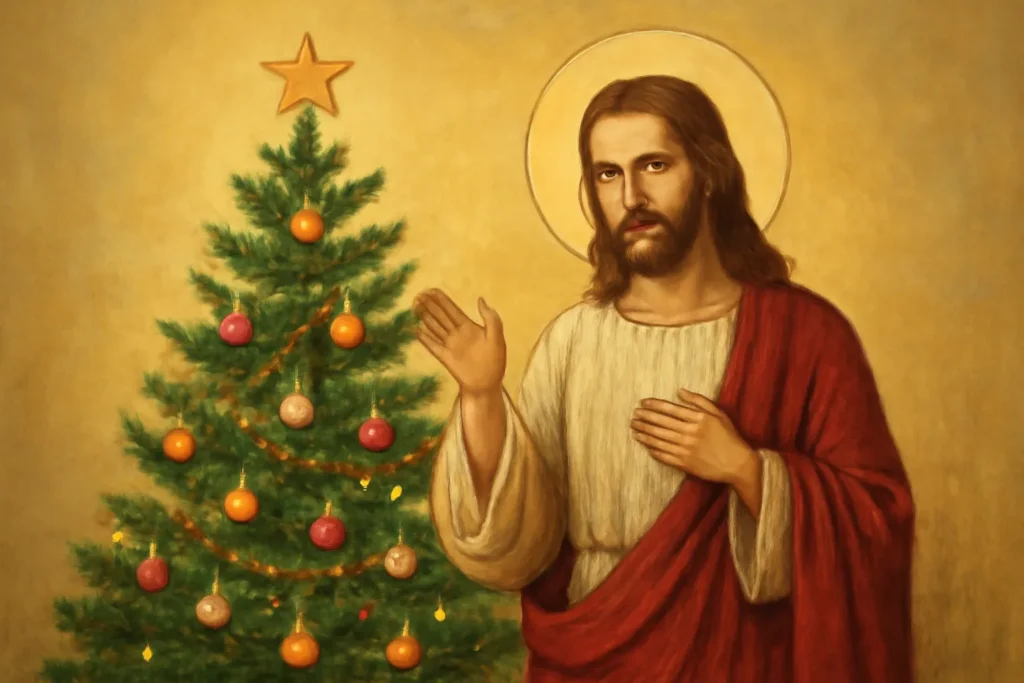
The Christ Christmas Tree, in its many forms, has long stood as a symbol of celebration, family, and the light of the season. While the evergreen tree is a common backdrop for holiday rituals, the Christ-centered Christmas tree tradition roots itself in a blend of history, faith, and communal warmth. In homes around the world, the Christmastree becomes a canvas for storytelling, remembrance, and generosity—whether you call it a Christ-Mas tree, a Christian Christmas tree, or a holy Christmas tree. This guide uses the term Christ Christmas Tree in its broad sense, while also weaving in related phrases to broaden the semantic reach and help you discover more about this beloved holiday icon.
Across cultures, the Christ Christmas Tree has evolved from a simple evergreen planted in a family’s corner to a carefully curated centerpiece that reflects personal beliefs, seasonal aesthetics, and practical care. In this ultimate guide, you’ll learn how to choose a tree that fits your space, decorate it with intention and beauty, and care for it so that your Christ Christmas Tree remains healthy, vibrant, and safe from the first twinkle of lights to the last pine needle shed after the holidays.
Choosing the Perfect Christ Christmas Tree
Real vs. Artificial: Pros, Cons, and What They Mean for Your Home
Choosing a Christ Christmas Tree begins with deciding between a real tree and an artificial one. Each option carries its own charm and practicality:
Real trees deliver authentic fragrance, a traditional texture, and a natural scent that instantly signals the season. They support local farms and can be composted after use, which appeals to eco-conscious families.
Artificial trees offer consistency, urban convenience, and long-term savings over several seasons. They come in a variety of colors, shapes, and pre-lit configurations, and they are often easier to store and reuse.
When evaluating a Christmastree, consider your living space, allergy sensitivities, and maintenance tolerance. If fragrance and natural needles matter, a real tree may be the best choice. If you value punctual setup, consistent shape, and reduced cleanup, an artificial tree could be ideal.
Size, Height, and Footprint: How to Match Your Space
Measuring your room is the first practical step in selecting the right Christ Christmas Tree. A tree that looks majestic in a showroom can overwhelm a small space, while a too-small tree may feel out of place in a grand living room. Keep these guidelines in mind:
Height: Measure from the floor to the ceiling, subtracting about 6 to 12 inches to account for the tree stand and topper height. A tree that touches the ceiling will feel crowded and restrict branch fullness.
Width: Consider the tree’s widest point and ensure there is clearance from walls and doors. A tree that sits flush against a wall can save space but may look crowded if heavily decorated on outward-facing branches.
Stand and base: Choose a sturdy stand that leaves enough room for water replenishment (for real trees) and for cable management if you go with a pre-lit artificial option.
In general, a good rule of thumb is to provide at least a few inches of space around the tree so you can walk around it without snagging ornaments or snagging cords. A well-proportioned Christ Christmas Tree helps anchor the room without dominating it.
Species, Shape, and Needle Retention
For real Christmas trees, the species you pick influences fragrance, needle retention, and aroma during the season. Common options include:
Fraser fir: Known for excellent needle retention and a pleasant, mild fragrance. It flattens slightly on the top, but stays plump and robust.
Noble fir: Praised for sturdy branches, good needle retention, and a classic blue-green hue. It holds heavier ornaments well.
Noble species: Reducing needles fall and maintaining shape as the season progresses.
Blue spruce: Distinctive blue-tinged needles and a robust structure; it tends to shed needles more than Fraser or Noble fir.
White pine or Douglas fir: Soft needles and a lighter fragrance; these are good options for households with children or pets who might appreciate softer textures.
For artificial trees, look for realistic needles and strong branch construction, especially if you plan to hang heavy ornaments. The tree’s shape—classic cone, slender pencil, or full, bushy—should align with your décor theme and room dimensions.
Real Christ Christmas Trees offer fragrance that can evoke memory and tradition, but freshness is key. When selecting a real tree, consider:
Fresh cut date: A tree cut recently will retain moisture better and shed fewer needles early in the season.
Needle flexibility: Run a finger along a branch; needles should be pliable, not brittle, and a quick test pull should yield few loose needles.
Moisture retention: Real trees require regular watering. A well-watered tree drinks water and stays supple, while a dry tree is a fire risk and loses needles more rapidly.
Artificial trees don’t require watering, but you should check for loose needles, loose lights, and the longevity of the pre-lit system. Your choosing process should weigh practical longevity against your aesthetic priority.
Your Christ Christmas Tree journey often begins at a local farm or a reputable retailer. Consider:
Local farms for real trees often provide freshly cut stocks and the opportunity to cut your own tree, enhancing the ritual.
Reputable retailers for a broad selection of real or artificial trees, with seasonal promotions and warranty options for artificial trees.
Online orders for convenience and curated bundles, especially for artificial trees with pre-lit options and extended warranties. If you order online for a real tree, verify delivery timing to ensure maximum freshness.
Preparing Your Christ Christmas Tree: From Fresh Cut to Ready-to-Decorate
Fresh Cut Essentials: How to Prep a Real Christmastree
If you’ve chosen a real tree, the preparation steps matter for longevity and appearance:
Make a fresh cut across the base of the trunk, removing a small slice to open the water intake path. This helps the tree drink more efficiently.
Immediately place the tree in water or in a stand with ample hydration space. Do not stand the tree on a dry surface for extended periods.
Edge trimming: If you notice any uneven branches, prune lightly to maintain a balanced silhouette before decorating.
Stand, Water, and Stability
Even the most stunning Christ Christmas Tree can be undermined by instability. Prioritize a secure stand and proper water management:
Sturdy stand with a broad base reduces the risk of tipping, especially in homes with curious pets or children.
Watering routine: Real trees drink water—often several cups per day in the first week. Check water levels daily and refill as needed.
Placement considerations: Keep the tree away from heat sources like radiators, space heaters, or direct sunlight, which can accelerate drying and increase fire risk.
Pre-Decor Prep: Tidy, Protect, and Plan
Before you hang the first ornament on your Christ Christmas Tree, do a quick plan:
Inspect lights and extensions for wear or fraying. Replace any damaged strands to avoid short circuits.
Test lights to ensure bulbs all illuminate properly. This saves time during the decorating process.
Layout plan for where to place heavier ornaments and where to place lights to achieve balanced brightness across the tree.
Decorating Your Christ Christmas Tree: Themes, Ornaments, and Lighting
Traditions, Symbolism, and Modern Interpretations
The Christ Christmas Tree is a platform for storytelling. You can honor tradition while embracing contemporary aesthetics. Consider:
Traditional symbolism like red and gold color schemes, star toppers, and angels that reference nativity scenes.
Christian motifs such as nativity scenes, crosses, doves, and scripture-inspired ornaments to emphasize faith values.
Modern interpretations like minimalist metallics, monochrome schemes, or nature-inspired elements (pinecones, wood slices, berries).
Ornament Placement: Layering, Balance, and Safety
Effective ornament placement on the Christmastree follows a few practical rules to achieve depth and harmony:
Heavier ornaments should sit on the lower third of the tree to anchor weight and prevent tipping.
Medium ornaments go on the middle layers for visual fullness and rhythm.
Smaller or delicate ornaments are placed toward the tips of the upper branches for a balanced silhouette.
Directional lighting should draw the eye upward toward the topper, with a few well-placed centerpieces to create focal points.
Lighting Design: Brightness, Color, and Safety
Lights are the heartbeat of the Christ Christmas Tree. Consider these lighting tips:
LED lights are energy-efficient, long-lasting, and produce less heat than traditional incandescent bulbs, reducing fire risk.
Layered lighting uses multiple strands or sections to create depth. Start with a base layer of white lights, then add color or twinkle strands for accents.
Power management: Use a power strip with surge protection, avoid overloading outlets, and ensure cords are neatly arranged to prevent tripping or damage.
Timing and automation: A timer can reduce energy use while keeping the Christ Christmas Tree glowing at the same hours each day.
Color Palettes and Decor Trends for the Christ Christmas Tree
Color choices set the tone. Some popular palettes and ideas for a Christ Christmas Tree include:
Classic red and green with warm white lights to evoke tradition and comfort.
Elegant metallics—copper, gold, and silver—paired with soft white or champagne lights for a more formal aesthetic.
Forest-inspired greens, browns, and natural textures like wood, burlap, and pinecones for a rustic, outdoorsy feel.
Minimalist modern with monochrome or two-tone schemes (e.g., white and silver) and sparse ornamentation for a clean, contemporary look.
Christian Symbols and Meaningful Ornaments
In crafting a Christ Christmas Tree, you can incorporate symbols that reflect faith and family values. Ideas include:
Angel ornaments symbolizing messages of joy and guidance.
Nativity figures or silhouettes that remind viewers of the Christmas story.
Cross motifs integrated into baubles or ribbons for a subtle religious message.
Scripture verses on wooden plaques or metal ornaments for personal reflection.
Caring for Your Christ Christmas Tree During the Season
Watering, Humidity, and Temperature for Real Trees
For real Christ Christmas Trees, ongoing care helps maintain freshness and safety:
Water daily in the first week, then maintain regular checks to ensure the reservoir remains full.
Avoid heat sources such as radiators, fireplaces, and direct sunlight that can dry out the tree and increase fire risk.
Humidity control is helpful indoors; dry air can accelerate needle loss. Consider a humidifier in very dry environments or neighboring rooms.
Inspecting for Dried Needles, Pests, and Damage
Regular inspection keeps your Christmastree safe and lovely:
Check for dry needles and remove any that fall off to the base promptly to prevent a mess and reduce fire risk.
Look for pests such as small insects or signs of infestation, especially with real trees sourced from outdoor areas.
Inspect lights for frayed cords or broken bulbs; replace damaged strands to prevent shorts or fires.
Safety First: Fire Prevention and Electrical Considerations
Turning a Christ Christmas Tree into a safe focal point requires careful attention to electrical and environmental hazards:
Avoid overloading outlets and use surge-protected power strips with built-in switches.
Keep water away from electrical outlets in real-tree setups to reduce the risk of short circuits.
Recessed cords and secure tack-ons keep pathways clear and prevent tripping or accidental tugging on the tree.
BLE and timer controls can reduce unnecessary energy use while preserving the glow that marks the season.
Maintaining After the Holidays: Storage, Disposal, and Reuse
Storage Solutions for an Artificial Christ Christmas Tree
To maximize longevity for artificial trees—the other face of the Christ Christmas Tree coin—proper storage matters:
Disassemble carefully, keeping original boxes or investing in a dedicated storage container that preserves the shape and prevents crushing.
Bag branches or wrap sections to minimize dust buildup for the next season.
Label decorations and keep fragile items separately inside the storage solution to avoid knots and tangles.
Disposal and Sustainability for Real Trees
Responsible disposal respects the environment and the symbolism of renewal:
Check local programs for curbside recycling or community composting options that accept real Christ Christmas Trees.
Mulching and composting can transform a fallen tree into garden soil amendments, helping your garden flourish in the spring.
Reuse ornament sets for future seasons, and consider repurposing natural elements like pinecones or cedar branches into wreaths and swags for next year.
The spirit of the Christ Christmas Tree can live beyond December. Repurpose ornaments into:
Wreaths and garlands that echo the tree’s color story.
Table centerpieces using small baubles and naturals like dried citrus slices, cinnamon sticks, and pine cones.
DIY crafts such as ornaments from handmade materials or fabric scraps that celebrate family traditions.
Christ Christmas Tree: Community, Family, and Shared Traditions
Inclusive Planning: Budgeting and Shared Decisions
In families and communities, the Christ Christmas Tree becomes a collaborative project. Consider:
Budgeting early for a realistic plan that covers tree purchase, lights, ornaments, and storage needs.
Shared decision-making about color schemes, ornament themes, and the level of religious symbolism to avoid misunderstandings and ensure everyone’s voices are heard.
Volunteer or family-based decorating sessions that turn decorating into a bonding activity rather than a chore.
Accessibility and Inclusivity: Making the Christ Christmas Tree for Everyone
Producing a welcoming Christ Christmas Tree involves thoughtful choices:
Clear pathways for guests with mobility devices or walkers so the tree remains a centerpiece that can be enjoyed by all.
Non-toxic materials and safe ornaments for households with children and pets.
Visible symbolism that resonates with diverse beliefs, such as incorporating universal lights of hope or peace alongside traditional symbols.
Maintenance Timeline: A Practical Schedule for Your Christ Christmas Tree
Rotating care over the season helps your tree remain vibrant. Here is a practical timeline to consider:
Week 1: Fresh real trees should be watered daily; keep the stand full. Inspect for needle retention and structural stability.
Week 2–3: Complete the decoration process, ensuring lights and fragile ornaments are placed carefully. Test the electrical safety again after decorating.
Week 4: Reassess the tree for dryness or drooping branches; adjust location away from heat sources if needed.
Post-holiday: Remove ornaments gently, clean the space, and decide whether to store for next year or properly recycle the real tree.
Conclusion: The Christ Christmas Tree as a Living Tradition
Whether you call it a Christ-centered Christmas tree, a Christmastree, or a holy Christmas tree, this seasonal icon invites families to gather, reflect, and celebrate. The choices you make—from whether to decorate with traditional symbols or modern designs, to how you care for a real tree or an artificial one—shape the experience you share with loved ones. The Christ Christmas Tree is more than decor; it is a dynamic symbol of faith, family, and the enduring light that the season represents. With thoughtful selection, intentional decoration, and careful upkeep, your Christ Christmas Tree can be a beacon of warmth, memory, and joy for years to come.








Leave a Reply