Christian Prayers for Israel: Prayer, Hope, and Support
Christian Prayers for Israel: Prayer, Hope, and Support
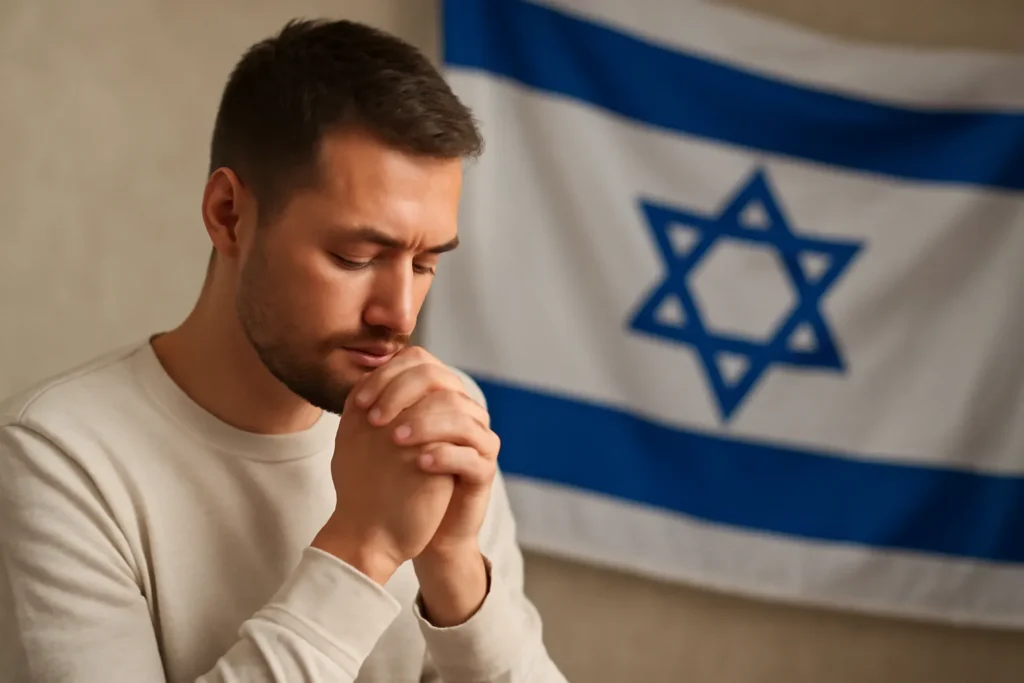
In a world where conflict and suffering can dominate headlines, many Christians seek to respond with focused, compassionate care. Christian prayers for Israel are not monolithic; they take shape in many voices, traditions, and practices. This article explores the idea of prayer, hope, and support as intertwined gifts to the people of Israel and to the broader peace of the region. It offers a thoughtful overview of why Christians pray for Israel, how to pray with integrity, and practical ways to express solidarity through spiritual discipline, service, and communal action. The goal is to cultivate a posture of intercession that honors the dignity of every person, acknowledges the sacred value of life, and seeks the flourishing of justice, mercy, and peace.
Across Christian history, believers have turned to intercession as a form of spiritual advocacy. Prayers for Israel can be rooted in biblical promises and in the call to care for “the peace of Jerusalem” (Psalm 122:6). They can also reflect the complex realities on the ground, calling for protection, healing, reconciliation, and provision. This article presents a broad, educational view, intended for individuals, families, churches, and small groups who want to pray with depth, humility, and hope.
Understanding Christian Prayers for Israel: Foundations of Faith
To begin well, it helps to name the foundations of faith that undergird prayers for Israel. These foundations sit at the intersection of Scripture, the Church’s tradition, and a desire to pursue peace and human dignity.
Biblical grounding: The Bible includes explicit calls to pray for the people of Zion and for the safety and prosperity of Jerusalem. Verses such as Psalm 122:6—“Pray for the peace of Jerusalem: may they prosper who love you”—have long inspired intercessors to lift up the land and its people before God.
The dignity of every life: Christian ethics emphasizes the sanctity of life, including civilians, families, refugees, and the vulnerable. Prayers for Israel center on protecting innocent lives and alleviating suffering, regardless of political circumstances.
Hope anchored in God’s sovereignty: Christian hope does not deny pain or complexity. It anchors prayer in trust that God remains present in times of trouble, and that peace and justice are possible through divine mercy and human cooperation.
Commitment to justice and mercy: Biblical justice calls Christians to advocate for fair treatment, protection of rights, and pathways to reconciliation. Prayer becomes a catalyst for action—both spiritual and practical.
Different Christian traditions—Catholic, Protestant, Orthodox, evangelical, and ecumenical movements—bring diverse vocabularies and practices to prayers for Israel. Yet they share common aims: to petition God for safety, wisdom, healing, and lasting peace; to lament the toll of violence; to express gratitude for acts of mercy; and to stand with all people who long for security and human flourishing.
Prayers for Peace and Safety
One of the core aims of prayers for Israel is to seek peace and security for all who live in the land. Peace is not passive; it involves the cessation of violence, the protection of noncombatants, and the creation of conditions where communities can live, work, worship, and learn without fear.
Prayers for the safety of civilians: Lifting up children, families, the elderly, paramedics, teachers, and workers who strive to maintain daily life amid danger.
Prayers for leaders to choose paths of restraint: Asking for courage to pursue dialogue, de-escalation, and adherence to international humanitarian law.
Prayers for humanitarian access: Requesting open corridors for aid, food, medicine, and water; for NGOs and local churches to serve with wisdom and dignity.
Prayers for calm and restraint: Calling on all parties to reject violence, to honor human life, and to seek nonviolent means of addressing grievances.
Sample intercessions often take the form of requests for God to protect, provide, and guide, while acknowledging the complexity of political realities. You may adapt these themes to your own context, allowing prayer to be sincere, precise, and compassionate.
Prayers for Peaceful Coexistence
In addition to pleading for immediate safety, some prayers ask specifically for a longer arc toward peaceful coexistence among different communities. This might include prayers for mutual recognition of rights, respectful dialogue, and shared efforts to meet basic needs with compassion.
In times of conflict, Christians often turn to God for wisdom for leaders, negotiators, and community workers. The aim is not merely to influence policy but to align actions with justice, mercy, and the preservation of life.
Prayers for discernment: That leaders would discern the paths that reduce harm and maximize protection for the most vulnerable.
Prayers for courage to engage in difficult conversations: That negotiators and diplomats would approach talks with humility, integrity, and a commitment to humanity.
Prayers for wise stewardship of resources: That aid, relief, and reconstruction would be allocated justly and transparently, to relieve suffering and build durable, peaceful futures.
These prayers can be accompanied by a resolve to educate oneself about the situation, participate in constructive dialogue, and support organizations that work for humanitarian ends, all while remaining grounded in spiritual hope and ethical steadfastness.
Prayers for Leadership Qualities
Consider praying for keys to leadership such as humility, steadfastness, compassion, and integrity. These virtues can shape policies that protect vulnerable populations and create space for reconciliation rather than retaliation.
Prayers for Healing and Comfort
When violence and loss occur, Christians remember that God is a God of comfort. Prayers for healing acknowledge the pain of those affected and seek restoration—physically, emotionally, and spiritually.
Healing for the wounded: Prayers that God would bring physical healing, pain relief, and compassionate medical care for the injured.
Comfort for families and communities: Evening and morning prayers that lament together and affirm the value of every life.
Restoration of hope: Encouraging words that help survivors regain trust and envision a future with possibility and safety.
Healing prayers are often interwoven with gratitude for acts of mercy—delivery of care, acts of bravery by first responders, and the steadfast faith of communities that endure in times of trial.
Laments and Expressions of Grief
Healthy Christian practice includes lament—the honest voice of grief before God. Lament prayers do not deny hope; they name pain, question why suffering occurs, and then reassert trust in divine sovereignty and mercy. Laments can be a powerful form of solidarity with those who grieve in Israel and around the world.
Hope for Reconciliation and Justice
Long-range Christian hope for reconciliation and justice invites believers to advocate for just policies, dignity for all people, and avenues for dialogue. This form of prayer moves beyond immediate danger to the deeper aim of restoring relationships forged in mutual respect and shared humanity.
Intercession for justice: Prayers that all sides experience fair treatment, accountability for violence, and recognition of human rights.
Advocacy coupled with mercy: Encouraging charitable actions toward refugees and families displaced by conflict, regardless of their background.
Paths to lasting peace: Prayers that durable agreements may emerge, with mechanisms for accountability and ongoing peace-building.
In the Christian tradition, prayers for justice also call believers to work for peace through nonviolent means, to support humanitarian relief, and to cultivate relationships that can withstand political shifts. The aim is not to erase difference but to honor the inherent worth of every person and to pursue a future where all can live with safety and dignity.
Prayer is most effective when it is integrated with practical care and disciplined action. Here are practical guidelines and ideas for those who wish to pray for Israel in ways that are substantive and sustainable.
Set a regular prayer rhythm: Create a daily or weekly prayer routine that includes Scripture, intercession, and reflection. Consistency strengthens the practice and helps you stay present with those in need.
Use Scripture in your intercession: Begin with verses like Psalm 122:6, Romans 12:12, and 1 Thessalonians 5:17 to frame the day’s prayers. Let the Word shape your requests and your posture before God.
Pray with Scripture-based patterns: liturgical forms such as a benediction, a confession, and a doxology can provide structure for intercession and help you remain focused on outcomes that honor human dignity.
Include lament and hope: A balanced prayer includes honest lament for suffering and robust hope for healing and peace, acknowledging both pain and possibility.
Pray for all affected communities: Include prayers for Jewish, Arab, Christian, and secular communities who live in the land and are touched by the conflict. Intercession should honor every voice and need.
Support humanitarian relief and aid: Prayer can accompany practical acts of charity—donating to credible relief organizations, volunteering, and advocating for access to essential services for refugees and civilians.
Engage in respectful dialogue: Pray for opportunities to listen, to learn, and to engage with empathy. Support dialogue initiatives that emphasize safety, mutual understanding, and nonviolence.
These practices help translate prayer into concrete care. The combination of prayer, practical mercy, and peaceful advocacy can form a holistic response that aligns with Christian ethics and hopeful witness.
Different Traditions and Approaches
Christians around the world approach prayers for Israel in diverse ways, shaped by tradition, language, and culture. Here are some broad patterns you might encounter, along with suggestions for respectful engagement.
Catholic and Orthodox voices: Intercessory prayers for Israel may be woven into liturgical seasons, with appeals to the Mother of God, saints, and the life of the Church, focusing on peace, reconciliation, and humanitarian aid.
Protestant and evangelical circles: Emphasis on biblical promises, prophetic expectations, and practical service. Prayers often include advocacy for justice, safety, and the protection of civilians, along with personal repentance, faith, and hope.
Ecumenical and interfaith dialogue: Some communities braid Christian prayers with shared prayers for peace across faith communities, recognizing the sacred worth of all people and the common human longing for security and dignity.
Messianic and Jewish-Christian expressions: In some contexts, prayers are offered within communities that seek to honor the Jewish roots of the faith, while acknowledging the spiritual relationship between Israel’s people and the Christian belief in Jesus as part of the broader biblical narrative.
Whichever tradition you belong to, the guiding posture remains: humble reverence for life, commitment to peace, and a hope-filled vision for a future where all may thrive.
Using Scripture in Intercession
Scripture is a powerful companion in intercession. It shapes requests, deepens compassion, and grounds prayers in God’s promises. Here are practical ways to use Scripture when praying for Israel:
Declare God’s sovereignty: Acknowledge God’s overarching control over history and human affairs, while remaining faithful in petition and trust.
Pray Bible-centered petitions: Use verses that emphasize peace, justice, and care for the vulnerable as anchors for your prayers.
Incorporate promises of restoration: Invite God to bring healing and renewal, even after deep sorrow.
Pray with a balanced tone: Combine brave longing for justice with mercy for all involved, avoiding dehumanizing language and stereotyping.
Examples of verses commonly embedded in intercession include Psalm 46:10 (“Be still, and know that I am God”), Psalm 33:20-22, and Romans 15:13, which speak to trust, hope, and divine joy in hope. You can also invite personal words from Jesus’ teaching about peacemaking (Matthew 5:9) and his command to love one’s enemies (Matthew 5:44) as ethical guides for prayer and action.
Below are several short, adaptable prayers you can use or modify in private devotion, family prayer times, or church prayer meetings. Each sample is designed to be flexible, so you can add names, places, and specific requests as your context warrants.
Prayer for Peace and Protection
Lord of peace, we lift up the land of Israel and all its people to you. Please grant protection for innocent lives, comfort for the grieving, and courage for those who labor to keep others safe. May truth and justice prevail, and may your lasting peace come to every community. We pray for leaders to pursue paths of nonviolence, wisdom, and humility, and we ask that your mercy would be evident in every act of care. Amen.
Prayer for Refugees and the Vulnerable
God of mercy, we pray for refugees and the vulnerable who have been displaced by conflict. Bring them safety, shelter, and provision. Move our hearts to share generously and to advocate for access to essential resources. May those who assist with relief acts be sustained by your strength, and may communities welcome strangers with kindness and dignity. Amen.
Heavenly Father, grant leaders and diplomats wisdom to navigate negotiation with patience and fairness. May conversations be marked by honesty, respect, and a willingness to acknowledge pain while seeking a shared future. Let every decision be guided by a commitment to human dignity and the common good. Amen.
Lord, we lament the loss of life and the fear that grips people on every side. We grieve with those who mourn, and we ask for your comfort to descend on the grieving families. Yet we cling to hope—hope for healing, reconciliation, and a future where children can grow up in safety. Bend toward justice, bend toward mercy, and bend toward peace. Amen.
Grant, O God, relief from hunger and thirst, medicine for the sick, and care for the wounded. Open doors for aid workers and health responders to reach those in need. May your healing presence bring restoration to bodies and courage to spirits, so that communities can recover and rebuild. Amen.
Closing Thoughts: Sustaining a Prayerful Life Toward Israel
Praying for Israel—through prayer, hope, and support—means cultivating a sensitive, informed, and compassionate spiritual practice. It involves humility before the mystery of conflict, steadfast compassion for those affected, and a commitment to acts of mercy that reflect the best of the Christian tradition. By weaving together Scripture, tradition, and practical action, believers can offer a durable, hopeful witness that honors life, pursues justice, and prays toward lasting peace.
If you are building a regular practice, consider the following approach to keep prayers for Israel meaningful and sustainable:
Set aside a specific time and place for intercession to create a reliable rhythm.
Include a Bible passage, a short lament, a petition for protection, and a concluding note of blessing.
Rotate your focus among different groups—civilians, leaders, aid workers, and communities most affected—so your prayers reflect breadth and depth.
Pair prayer with small acts of mercy or advocacy that align with your convictions and local resources.
Invite others to join you in prayer, creating a network of support that multiplies impact and accountability.
In every setting—home, church, or online—the core message remains clear: Christians pray for Israel with humility, with hope, and with a resolve to act justly. By embracing the rich diversity of prayer forms—intercession, lament, praise, thanksgiving, and supplication—believers can offer a robust spiritual witness that strengthens the conscience of communities and honors the divine longing for peace for all people.
May your prayers be a source of comfort, a channel of healing, and a bridge toward a future where the land and its inhabitants experience true prosperity and peace.







Leave a Reply