David Suchet Bible Reading: Exploring His Favorite Biblical Passages
David Suchet is widely known for his meticulous portrayal of Hercule Poirot, but beyond the television screens, he is celebrated by many for a deeply rooted and sustained engagement with Scripture. This article invites readers to explore David Suchet Bible reading as more than a hobby or a professional aside. It is a window into a life where faith, reflection, and daily discipline intersect with a prolific acting career. While public disclosures about his exact catalog of favorite verses are not a single, definitive canon, there is a recognizable pattern: Suchet has repeatedly emphasized the importance of biblical truth, mercy, and perseverance in both his personal life and his work.
In discussing his spiritual journey, fans and critics alike point to his involvement with Christian teaching, his work on spiritual travel and study programs, and his public commentary on the value of Scripture. The phrase “David Suchet Bible reading” thus serves as a shorthand for a broader practice: a life in which Scripture is read, listened to, prayed over, and then carried into daily decisions and creative choices. The aim of this article is to map out what we know—through interviews, public projects, and the themes that emerge from his discussions—and to offer practical guidance for anyone looking to deepen their own Bible reading practice in a manner reminiscent of Suchet’s approach.
A Life Framed by Faith: Who Is David Suchet and Why Bible Reading Matters
David Suchet’s career spans decades of stage, screen, and radio work. Yet many people remember him not just for the precision of his voice and demeanor, but for a characteristic humility and steadiness that many associate with a steady engagement with scriptural rhythms. In interviews and public appearances, Suchet has spoken about his faith as a living discipline—one that informs his decisions, ethics, and sense of purpose. The presence of faith-led analysis appears in the choices he makes about roles, the ways he treats co-workers, and the projects he supports or undertakes.
A recurring theme in his public storytelling is that Scripture invites responsibility—responsibility to others, to truth, and to a life of service. His work on documentaries that explore the life of the early Christian church and the apostle Paul—projects such as In the Footsteps of St. Paul—is emblematic of a deeply scriptural curiosity. This curiosity spills over into his daily Bible reading, which many observers describe as deliberate, reflective, and anchored in a long-standing tradition of Christian devotion.
How David Suchet Engages with the Bible: Reading Habits and Methods
While every reader will have a unique rhythm, there are several elements that consistently appear in accounts of Suchet’s approach to Bible reading. These elements help illuminate how he translates Scripture from page to life and performance.
Daily Rhythm and Consistency
Regular schedules and a predictable cadence help maintain continuity, which is often the foundation of depth in reading.
Some discussions emphasize a routine that begins with quiet time, allowing Scripture to shape the day’s frame of mind.
Reading Aloud and Listening
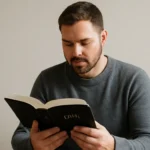
Reading passages aloud is a common practice for many serious readers of Scripture; for Suchet, this auditory engagement can deepen texts’ cadence, emotion, and meaning.
Active listening—whether to a contemplative reading, a recorded sermon, or a guided devotional—can help in catching nuances that silent reading might miss.
Journaling, Note-Taking, and Reflection
Journaling insights, prayers, and questions is a typical practice for someone who treats Scripture as a source of guidance rather than only a source of inspiration.
Cross-referencing passages across books—seeing how a Psalm echoes a theme in a gospel or an apostle’s letter—creates a map of biblical intertextuality.
Devotional Focus and Prayer
Many readers who place Scripture at the center of life also couple reading with prayer, asking for insight, wisdom, and God’s guidance for daily choices.
The aim often extends beyond personal edification to how one serves others, reflecting a service-oriented spirituality.
Integration with Life and Work
In Suchet’s case, the integration tends to show up in the care with which he considers character, truth, and mercy in his performances and public statements.
The life of a serious reader of the Bible becomes a blueprint for ethical conduct, humility, and the patient cultivation of one’s craft.
Favorite Passages: A Thematic Tour of the Bible Through Suchet’s Lens
It is important to acknowledge up front that there is no single, canonical list of David Suchet Bible reading favorites. Public statements tend to emphasize overarching themes rather than a published catalog of favorite verses. Nonetheless, there are identifiable themes in his public talks and projects—themes that align with passages commonly valued by readers who emphasize mercy, faith, and perseverance. Below is a thematic tour that reflects the kinds of passages that resonate with the sensibilities publicly associated with Suchet’s approach to Scripture.
Mercy, Grace, and Compassion
A central tension in Christian Scripture is the balance between justice and mercy. Suchet’s public persona and the kinds of roles he has pursued suggest a strong affinity for passages that illuminate divine mercy and human compassion. In practical terms, readers who prize mercy tend to gravitate toward verses that describe God’s loving-kindness and the call to love one’s neighbor.
Representative passages that exemplify this theme (as commonly highlighted by Christian readers) include:
passages that speak of mercy and grace in the Psalms and the Gospels;
Paul’s letters emphasizing love in action and the transformation that mercy fosters in the community;
prophetic calls to righteousness tempered with mercy for the vulnerable.
While these verses are not quoted here as a definitive Suchet list, they reflect the kind of compassionate reading that many believers associate with his overall spiritual posture.
Trust in God During Trials
The life and work of any actor who navigates the pressures of a demanding profession can be a context for reading about trust, endurance, and hope. Passages that speak to enduring faith under pressure, and to the faithfulness of God in difficult times, are often cited by readers who emphasize resilience.
Examples of passages that illustrate this theme include verses about provision, steadfastness, and the protection offered by a faithful God. The direct citation of a particular verse is less important than the enduring message: that faith can sustain an individual through uncertainty and trial.
Calling, Purpose, and Service
Suchet’s body of work and his public platforms frequently echo the idea that life has a vocation beyond personal ambition. The Bible’s pages that discuss purpose, calling, and the use of gifts for the good of others are core to this theme.
Passages that explore a sense of calling and service—whether through the life of Jesus, the apostles, or the prophets—are among the kinds of texts that fans and commentators associate with a service-oriented reading.
Faith, Hope, and Love
The triad of faith, hope, and love is a perennial favorite for readers seeking to ground their life in the Bible. These virtues provide a framework for how one approaches art, relationships, and public responsibility.
While a specific verse is not claimed as Suchet’s official favorite, the broader trio—faith that endures, hope that sustains, and love that overflows—maps well onto the kinds of passages that illuminate life choices for someone who has spent decades in public service and spiritual exploration.
From Page to Stage: The Impact of Bible Reading on Acting and Public Life
A robust Bible reading habit often informs creative choices and personal conduct in profound ways. For an actor who has studied human psychology, dialogue, and moral complexity for years, Scripture can function as a compass for interpreting characters, motives, and ethical stakes. In Suchet’s case, reading Scripture with attention to mercy, truth, and integrity can shape both the portrayal of a character and the way one carries oneself in public life.
Beyond the screen, Suchet’s engagement with biblical topics appears in documentary and travel projects that examine early Christian history, scriptural contexts, and the practical realities of living out faith in ancient and modern times. The program In the Footsteps of St. Paul takes viewers on a journey through places and texts that informed Paul’s missions and letters. That series embodies a contemplative, text-centered exploration—a model for how a reading life can translate into educational media that invites audiences to study Scripture as a living tradition.
The impact on public life is equally practical. When a performer’s faith is visible in daily habits—humility in conversation, patience in rehearsal rooms, and a consistent stance on ethical issues—the public’s trust in the artist can deepen. For fans who seek to emulate a disciplined approach to Scripture, Suchet’s example offers a path: cultivate regular reading, engage with Scripture both privately and publicly, and let the text inform how you treat others and how you pursue your craft.
Practical Guidance: How to Start a Bible Reading Practice Inspired by Suchet’s Approach
If you want to emulate a discipled approach to Bible reading that resonates with the spirit of David Suchet’s practice, you can adopt a structured, thoughtful plan. Here is a practical guide to begin or renew your own reading habit in a way that honors the disciplines described above.
Set a daily time and protect it. Choose a length that fits your schedule—even 15–20 minutes can be transformative if done consistently.
Choose a reading method that suits you—read quietly, read aloud, or listen to an audio Bible. You may rotate between modes to engage different senses.
Use a readable translation and consider a study edition that offers notes, cross-references, and introductions to each book.
Journal your reflections. Note questions, insights, and prayers. Over time, you’ll see how passages connect and what themes recur.
Read aloud in parts. Reading a passage aloud can help you hear cadence, emotion, and nuance you might miss in silent reading.
Cross-reference thoughtfully. When you encounter a concept (mercy, trust, love), look for related verses across different books to deepen understanding.
Pray over what you read. A short prayer asking for wisdom, courage, or compassion often makes the text more actionable in daily life.
Apply what you learn. Choose one practical takeaway per week—how you treat a coworker, how you manage stress, or how you live out a virtue in your family or community.
If you’re new to this kind of routine, start small and build. The goal is not to rush through a long list of verses but to cultivate a trustworthy habit that feeds your mind, heart, and actions. A thoughtful approach to reading that emphasizes both comprehension and application mirrors the balance many serious readers of Scripture strive for.
Common Questions About David Suchet Bible Reading
Fans and readers often ask certain questions when exploring Suchet’s relationship with Scripture. Here are some of the most common inquiries, paired with concise, thoughtful responses that reflect what is publicly known and what is commonly inferred from his public statements and projects.
Does David Suchet read the Bible daily?
Although exact schedules are personal, many public accounts suggest that Suchet treats Scripture as a daily or near-daily practice. A consistent rhythm—whether reflected in a quiet morning routine or integrated into his day—aligns with how many people describe the most meaningful spiritual disciplines.
Specific preferences for translations are not exhaustively documented in public domains. A common pattern among actors and scholars who value textual study is to use a readable, reliable translation and to supplement with study notes or cross-references. The emphasis is on clarity, accuracy, and accessibility for study, reflection, and teaching.
Which passages are most associated with his Bible reading?
There isn’t a single, definitive list published by Suchet of his preferred verses. The themes that surface—mercy, faith under pressure, service, and love—are consistent with the kinds of passages often highlighted by public discussions of his work and projects. For readers, this means focusing on those broad themes and exploring related verses can provide a constructive, Suchet-inspired reading path.
In the end, David Suchet Bible reading is best understood as a living discipline rather than a catalog of favorite quotes. It is a practice that intertwines daily quiet with a life of ethical consideration, humility, and service. The public conversation around his reading highlights several enduring truths: Scripture is not only for knowledge but for transformation; reading becomes a form of love in action; and one’s craft—whether acting, teaching, or leading—moves forward when nourished by a steady diet of Scripture.
For readers who are inspired by Suchet’s example, the path forward is accessible to anyone willing to begin with intention. Start with a simple schedule, engage with the text in multiple modes, keep a journal, and look for ways the verses you encounter could guide how you treat others, approach your work, and handle life’s uncertainties. The culmination of faithful reading is not merely comprehension but a life that resonates with the values the Bible repeatedly invites us to embody: mercy, endurance, generosity, and love.
Appendix: Sample One-Week Reading Plan to Echo Suchet’s Ethos
The following plan is a practical, beginner-friendly template that captures the spirit of the approach described above. It’s designed to be flexible and repeatable, so you can adjust it to fit your schedule and growth as a reader.
Day 1: Read a short passage aloud (5–7 minutes). Write one takeaway and one prayer point.
Day 2: Read a related passage from a different book (cross-reference). Note a theme that connects the two readings.
Day 3: Listen to a brief reflection or sermon on the passage. Capture a new insight.
Day 4: Read a longer section. Highlight verses that speak to mercy or grace.
Day 5: Memorize a verse or two that stood out. Practice reciting aloud.
Day 6: Journal a personal application: how can this verse affect how you relate to someone at work, home, or in your community?
Day 7: Review the week’s notes. Choose a practical step you will take in the coming week to live out one principle you studied.
Whether you are a long-time reader of Scripture or just beginning your journey, the approach to Bible reading modeled here—consistency, vocal engagement, cross-referencing, reflection, and practical application—offers a durable framework. It’s a method that aligns with the ethos surrounding David Suchet Bible reading as an activity that can shape character, inform art, and enrich everyday life.
In sum, the study of David Suchet Bible reading is less about enumerating particular verses and more about embracing a way of engaging with the Bible. It is about listening for truth, practicing mercy, trusting through difficulty, and serving others with a steady, compassionate heart. If you take away one idea, let it be this: Scripture is not just to be studied; it is to be lived.










Leave a Reply