📅 circa 12th-11th century BCE, Iron Age · 📜 Delilah's name is of uncertain origin; some suggest it may mean 'delicate' or 'languishing' in Hebrew, possibly reflecting her alluring yet treacherous nature.
DelilahSamsonBible WomenDeceptionVictim or Villain
And it came to pass afterward, that she turned him aside, and she said, 'The Philistines be upon thee, Samson.' And he awoke out of his sleep, and said, 'I will go out as at other times, and shake myself.' And he wist not that the Lord was departed from him.— Judges 16:20
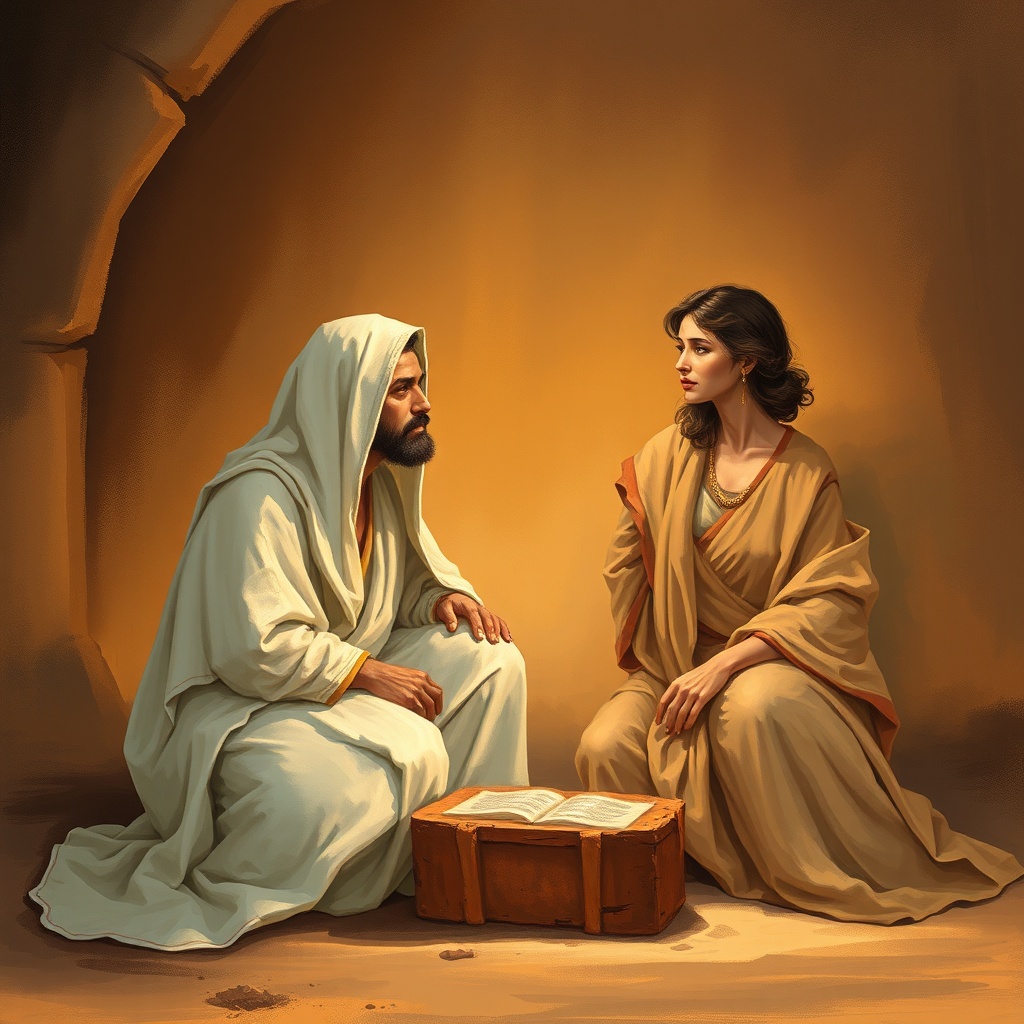
Delilah is a Philistine woman best known for her role in the biblical narrative involving Samson, the Israelite hero known for his supernatural strength. Her story unfolds in Judges 16, where she is approached by the Philistine rulers to discover the secret of Samson’s strength. Over several visits, Delilah pretends to care for Samson, repeatedly pressuring him to reveal his source of power. Eventually, Samson confesses that his strength lies in his uncut hair, as a Nazarite vow. She betrays him by informing the Philistines, who capture him once his hair is cut. Her actions lead to Samson’s downfall, his blindness, and eventual death. Her story highlights themes of temptation, trust, and betrayal and serves as a cautionary tale about deception and the dangers of vulnerability. Delilah’s character embodies the destructive potential of seduction and manipulation, making her one of the most infamous figures in Biblical history.
🏛️ Cultural & Historical Context
In the ancient Near East, women’s roles were predominantly domestic, with limited power and influence outside the family. Philistine women, like Delilah, often lived in a culture emphasizing beauty, loyalty to their community, and strategic alliances through marriage. Her story reflects the complex gender dynamics and tensions between Israelite and Philistine cultures. Women were sometimes viewed as temptresses or as agents of deception, roles that Delilah embodies in her betrayal of Samson. Her narrative also underscores the precarious position women could hold—resulting from societal expectations and pressures to serve political or tribal interests—highlighting the intersection of gender, nationality, and social norms in biblical times.
👨👩👧 Family Connections
Delilah's familial relationships are not detailed in the Bible. She is primarily known for her role in Samson's story, with no record of her parents, siblings, or kinship ties.
✨ Character Traits
ManipulativeSeductiveDeterminedBetrayal-oriented
⛪ Theological Significance
Delilah’s story underscores themes of temptation, the consequences of moral weakness, and the peril of betrayal. She symbolizes the destructive allure of temptation and the importance of spiritual vigilance. Spiritually, her narrative serves as a warning against valuing superficial beauty or manipulative allure over integrity and faithfulness. Her betrayal of Samson exemplifies the complexity of human weakness and the ways in which trust can be exploited, affecting salvation history’s broader themes of redemption and divine sovereignty. Ultimately, her role prompts reflection on the importance of discernment and reliance on God’s strength rather than human cunning or seduction.
📖 Lessons for Today
📖 Lesson 1
Beware of deceptive appearances; external beauty can mask harmful intentions. Discernment and spiritual alertness are vital for protecting oneself against manipulation.
Trust must be grounded in integrity and divine guidance. Relying on superficial qualities rather than God's strength can lead to downfall.
📖 Lesson 3
Betrayal has severe consequences; integrity and faithfulness are crucial virtues. Recognizing the danger of deceit can help prevent harm and maintain moral clarity.
🔗 Connections to Other Biblical Women
Unlike other biblical women such as Deborah or Ruth, who exhibit faith and strength, Delilah embodies temptation and human weakness. Her story contrasts with women like Hannah, who trust God's plan, showing the spectrum of female roles in scripture—from faithful supporters to tragic figures influenced by deceit and external pressures.
📜 Scripture References
Reference
Judges 16:4-22
❓ Frequently Asked Questions
Was Delilah a villain or a victim?
Biblically, Delilah is portrayed as a villain who betrayed Samson, but some interpret her as a victim of circumstances and her culture's expectations, which limited her agency and choices.
Did Delilah have a choice in betraying Samson?
The Bible suggests she was pressured by the Philistine rulers, but ultimately, her willingness to betray Samson indicates her active role in the betrayal, highlighting complex moral questions.
What is Delilah’s significance in biblical theology?
Delilah serves as a symbol of temptation and human weakness, illustrating the dangers of deception and the importance of trusting in God's strength rather than human cunning.
✨ Did You Know?
The name 'Delilah' has become synonymous with seduction and treachery in Western culture, partly influenced by her portrayal in various literature, art, and movies. Linguistically, her story underscores the cultural perception of female allure as dangerous and destructive, reflecting deep-rooted stereotypes from ancient times to modern media.





Leave a Reply