Major World Religions: An In-Depth Guide to Global Faiths
Major World Religions: An In-Depth Guide to Global Faiths
This extensive guide surveys the world’s major religious traditions, tracing their roots, core beliefs, rituals, and cultural impacts. It highlights both the shared concerns that unite diverse faiths and the distinctive practices that give each tradition its unique color. By exploring variations within traditions and the ways they have interacted with history, politics, and everyday life, readers can gain a more nuanced understanding of global spirituality and its enduring influence on societies.
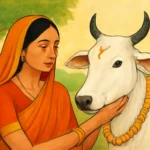
Often described as Sanatana Dharma (a term meaning “eternal order” or “eternal duty”), Hinduism is not a single creed but a vast family of beliefs, practices, and communities. It encompasses a spectrum from devotional paths to philosophical schools, weaving together ritual, myth, art, and social life across the Indian subcontinent and beyond.
Origins, scriptures, and schools
Origins and development: Hinduism has no single founder, date of origin, or central authority. It evolved over millennia through the synthesis of Vedic rituals, Upanishadic philosophy, devotional movements, and regional traditions.
Sacred texts: Core ideas emerge from the Vedas (primordial hymns), the Upanishads (philosophical dialogues), the Bhagavad Gita (dialogue on duty and devotion), the Ramayana and Mahabharata epics, and numerous regional scriptures. Smriti and Shruti categories describe remembered traditions and revealed knowledge, respectively.
Major currents: The tradition includes Vaishnavism, Shaivism, Shaktism, and numerous regional movements. Each emphasizes different deities, liturgies, and devotional styles.
Beliefs and practice
Concepts of dharma, karma, and moksha: Life is guided by dharma (moral law/duty), actions create karma, and the aim is moksha (liberation from samsara, the cycle of birth and death).
Deities and devotion: While some adherents emphasize a monotheistic or henotheistic approach through a chosen deity (e.g., Vishnu, Siva, Devi), others embrace a more plural or non-theistic path within the same broad framework.
Ritual life: Daily puja (devotional offerings), temple festivals, pilgrimages (tirtha yatra), and rites of passage such as upanayana (sacred thread ceremony) and marriage rituals color many communities’ calendars.
Rituals, festivals, and community life
Festivals: Diwali (the festival of lights), Holi (the festival of colors), Navaratri/Durga Puja, and regional fairs celebrate stories of gods, heroes, and cosmic cycles.
Pilgrimage and sacred geography: All-India pilgrimage routes to places like Varanasi, Rameswaram, and Puri anchor regional devotion and temple economies.
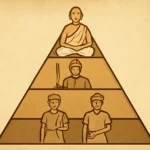
Social dimensions: The socio-religious landscape includes diverse jati (guilds) and communities, each interpreting dharma and rituals in ways that reflect local cultures and histories.
Buddhism: Paths toward Enlightenment
Buddhism emerged in the Indian subcontinent in the 5th century BCE with Gautama the Buddha. Over centuries, it diversified into multiple traditions, each offering meditative practices, ethical guidelines, and philosophical frameworks to understand suffering and liberation. Its spread across Asia gave rise to distinct schools such as Theravada, Mahayana, and Vajrayana, each with its own emphasis and practices.
Foundational beliefs and texts
Four Noble Truths: Existence involves suffering (dukkha), its causes (craving and ignorance), the possibility of cessation (nibbāna/parinirvana), and the path that leads there—the Eightfold Path.
Impermanence and non-self: Anatta (no enduring self) and anatta’s companion insight into dependent origination explain how phenomena arise and pass away.
Central scriptures: The Pali Canon (Tripitaka) for many Theravāda communities; a vast array of sutras for Mahāyāna and Vajrayāna traditions.
Meditation, ethics, and practice
Ethical restraints: The Five Precepts provide a lay framework for non-harm, truthfulness, non-stealing, sexual responsibility, and avoidance of intoxicants.
Meditation practices: Techniques range from mindfulness and concentration to insight (vipassanā) meditation and deity-focused visualization in Vajrayāna contexts.
Rituals and community life: Monastic life, bhikṣu/bhikṣuṇī vows, chantings, mandalas, and pilgrimage circuits define many Buddhist communities across Asia and beyond.
Christianity: Diversity Within a Global Tradition
Christianity is a global faith with deep historical roots in the Levant and Europe, evolving through centuries into a tapestry of traditions, communities, and expressions of belief about Jesus the Christ, salvation, and the nature of God. Its major branches include Catholic, Orthodox, and Protestant traditions, each with rich rites and theological nuances.
Laying the foundations
Core claims: Belief in Jesus as the Son of God and Savior, the significance of his life, death, and resurrection for human redemption, and the belief in one God expressed in the Trinity (Father, Son, and Holy Spirit).
Scripture and tradition: The Bible (Old and New Testaments) serves as a primary source, with tradition, creeds, and church councils shaping interpretation and practice.
Two great sacraments/ordinances: In many churches, baptism and the Eucharist are central rites, though practices vary widely across denominations.
Worship, liturgy, and community life
Liturgical diversity: Catholic and Orthodox churches emphasize liturgical calendars, sacraments, icons, and formal sacraments, while many Protestant communities prioritize preaching, music, Bible study, and simplified forms of worship.
Festivals and seasons: Christmas and Easter anchor the year, with seasons like Advent-Lent in Western traditions and varied liturgical cycles in Eastern churches shaping devotion and moral exhortation.
Global presence and culture: Christianity’s global footprint spans continents, creating a dynamic exchange of rituals, languages, art, and social service traditions.
Islam: Faith, Law, and Community
Islam is defined by submission to the one God (Allah) and by the guidance of the Prophet Muhammad as conveyed in the Qur’an and the traditions (Hadith). Its global community, or ummah, is diverse, spanning cultures from the Middle East to Southeast Asia and Africa.
Five Pillars: Shahada (profession of faith), Salat (ritual prayer performed five times daily), Zakat (almsgiving), Sawm (fasting during Ramadan), and Hajj (pilgrimage to Mecca at least once in a lifetime).
Branches and jurisprudence: The two largest branches are Sunni and Shia, each with a spectrum of schools that interpret law, theology, and governance in different ways.
Texts and guidance: The Qur’an is regarded as the direct revelation, while Hadith literature records the sayings and actions of the Prophet to guide daily life and ethics.
Ritual life, ethics, and festival observances
Daily rhythm: Prayer times, dietary laws (halal), and the call to prayer shape daily life in Muslim communities around the world.
Ramadan and Eid: The fasting month of Ramadan culminates in Eid al-Fitr, while Eid al-Adha commemorates Abrahamic test and obedience; these are occasions for communal meals, charity, and worship.
Notes on diversity: Practices vary widely—Arab, Persian, Turkish, and South Asian contexts each bring distinctive musical, architectural, and culinary expressions to worship and community life.
Judaism: Covenant, Law, and Continuity
Judaism is the ancient and ongoing covenantal tradition of the Jewish people, rooted in the Torah and interpreted through rabbinic literature. It encompasses a spectrum from strict halakhic observance to liberal reinterpretations, reflecting a long history of adaptation and resilience.
Foundational texts and central themes
Torah and Talmud: The five books of Moses (the Pentateuch) form the core, complemented by the talmudic discussions that interpret law, ethics, and ritual practice.
Ethical monotheism and chosen responsibility: The belief in one God who commands justice, mercy, and communal responsibility informs daily life, study, and charity.
Key practices: Observance of Shabbat, kashrut (dietary laws), daily prayer, and the cycle of holidays such as Passover, Rosh Hashanah, Yom Kippur, and Hanukkah.
Communal life, ritual, and diversity
Ecclesial diversity: Orthodox, Conservative, Reform, and Reconstructionist communities interpret law and custom in ways that reflect different readings of tradition and modern life.
Life-cycle events: Circumcision (brit milah), bar/bat mitzvah, marriage under a chuppah, and mourning practices following death shape individual and communal identity.
Global cultural presence: Jewish communities across continents maintain vibrant education systems, arts, and social welfare networks that sustain historical memory and ongoing growth.
Sikhism: Guru-Centered Community and Equality
Sikhism arose in the Punjab region in the 15th century under the teaching of Guru Nanak and nine successors. It emphasizes a direct relationship with the divine, social equality, and service to others, known as seva.
Foundational beliefs
One formless God: A divine reality present in creation, accessible to all who sincerely seek it, without the need for intermediaries.
Guru Granth Sahib: The eternal Guru in Sikh practice, a central scripture that contains hymns and spiritual guidance.
Equality and justice: Sikh ethics stress the equality of all humans and a commitment to social justice and humane service.
Practice, identity, and community life
The Five Ks: Sikh identity is often associated with wearing the Five Ks: Kesh (uncut hair), Kanga (comb), Kara (steel bracelet), Kachera (protective shorts), and Kirpan (steel sword).
Langar and community kitchens: Open, communal meals that exemplify equality, hospitality, and service as spiritual practice.
Worship and rites: Congregational singing (kirtan), prayer in Gurdwaras (temple-like houses of worship), and annual festivals like Vaisakhi.
Jainism: Nonviolence as Cosmic Principle
Jainism is an ancient Indian tradition that emphasizes ahimsa (nonviolence) toward all living beings, rigorous ethical conduct, and spiritual discipline aimed at liberation from the cycle of rebirth.
Core ideas and practice
Nonviolence and restraint: Jains practice extreme nonviolence in thought, word, and deed, affecting diet, occupation choices, and daily habits.
Anekantavada and karma: The philosophy of multiple perspectives (anekantavada) and the view of karma as a moral category that influences rebirth and wellbeing.
Vows and asceticism: The tradition includes lay followers and ascetics who undertake vows, fasting, and strict self-control as paths to purification.
Ritual life, temples, and festivals
Temple life: Jain temples serve as centers of study, meditation, and communal worship, with distinctive iconography and ritual timings.
Festivals: Mahavir Jayanti (birth of Mahavira) and Paryushana (a period of reflection and fasting) are important times for communal devotion and confession.
Dietary practices: Many Jains follow strict vegetarianism and careful avoidance of root vegetables, reflecting ahimsa toward all beings.
Shinto, Taoism, and Confucianism: East Asian Spiritual Currents
Across East Asia, a constellation of beliefs shapes life through Shinto in Japan, Taoism (Daoism) in China, and Confucianism in social ethics. Though distinct, these traditions have interacted for centuries, influencing rituals, governance, art, and daily conduct.
Shinto: Kami, ritual purity, and community
Nature-centered spirituality: Shinto centers on kami, divine beings or sacred forces found in nature, places, and revered ancestors.
Ritual life: Torii gates mark sacred spaces; matsuri festivals celebrate harvests, seasonal changes, and community renewal.
Practical religiosity: Shinto emphasizes purification, offerings, and gratitude in daily life rather than formal doctrinal systems.
Taoism and Daoist paths
Dao (the Way): Emphasizes living in harmony with the natural order, spontaneity, and simplicity as a spiritual ideal.
Practice and knowledge: Techniques include breathing methods, meditation, internal alchemy, and moral cultivation, often embedded in broader Chinese religious life.
Scripture and philosophy: The Tao Te Ching and the Zhuangzi offer poetic explorations of balance, non-contention, and the mystery of the cosmos.
Confucianism: Ethics, social harmony, and governance
Ethical foundations: Confucian thought centers on filial piety, social roles, and the cultivation of virtue to create a harmonious society.
Ritual and education: Ritual propriety (li) and education are vehicles for moral development and community cohesion.
Statecraft and family life: The tradition has deeply influenced governance, education systems, and family structures across East Asia.
Zoroastrianism traces to the prophet Zarathustra (Zoroaster) in ancient Iran. It centers on the dualistic struggle between Ahura Mazda (the wise lord) and Ahriman (the destructive spirit), highlighting ethics, truth-telling, and the sacred fire as emblematic of cosmic order.
Beliefs and scripture
Good thoughts, good words, good deeds: The core ethical triad guides personal behavior and social responsibility.
Scripture and worship: The Avesta comprises liturgical texts, hymns, and prayers used in worship in fire temples and home altars.
Ritual purity and afterlife: Ritual purity, communal worship, and belief in cosmic order guide moral decisions and hopes for judgment after death.
The Bahá’í Faith: Unity of Faith and Progressive Revelation
The Bahá’í Faith emphasizes the unity of all people, the oneness of God, and the belief that religious revelation occurs progressively through a series of messengers, including figures from earlier faiths. It promotes global ethics, gender equality, and social advancement as spiritual duties.
Core principles and practice
Unity and equality: The oneness of humanity and the search for common moral ground underlie social and institutional life.
Progressive revelation: Revelatory figures include the founders of earlier traditions, with Bahá’u’lláh presented as the latest in a line guiding humanity’s development.
Community and service: Local and national assemblies organize governance, education, and humanitarian work, often emphasizing consultation and participatory decision-making.
Indigenous Spiritualities and Contemporary Revivals
Across continents, Indigenous belief systems offer varied cosmologies, sacred histories, and healing traditions that connect people to land, ancestors, and community. While not a single tradition, they share themes such as ancestral reverence, land stewardship, and ceremonial life through music, dance, and storytelling.
Common features and modern expressions
Sacred landscapes: Ceremonies often center on mountains, rivers, forests, and other natural features considered sacred or spiritually alive.
Rituals and gatherings: Potlatches, sun dances, pipe ceremonies, and seasonal rites mark transitions, migrations, harvests, and healing rituals.
Resilience and rights: In recent decades, Indigenous communities have sought legal recognition, language revival, and cultural sustainability while navigating globalization.
Comparative Themes Across Major Traditions
While each tradition has its own vocabulary, practices, and rituals, a number of shared themes frequently recur across faiths, shaping moral discourse, community life, and worldviews. This comparative section highlights some of the most enduring motifs and how they appear in different religious contexts.
Ethics and daily conduct: Virtue, compassion, honesty, and responsibility toward others appear in almost all major paths, even when ethics are framed differently (e.g., ahimsa in Jainism and charity in Islam and Christianity).
Sacred time and space: Annual calendars of festivals, fasts, and pilgrimages structure religious life, while sacred spaces—temples, mosques, churches, shrines, and nature sites—offer communal gathering points for worship and reflection.
Sacred texts and authority: Scriptures, oral traditions, and authoritative interpretations organize belief and practice, though the weight of authority varies by tradition and community.
Rituals and rites of passage: Baptism, initiation, weddings, funerals, and rites of passage mark transitions in the life of individuals and communities, reinforcing belonging and shared values.
Mystical and philosophical paths: A wide spectrum exists between devotional theologies, such as bhakti in Hinduism and Sufism in Islam, and philosophical schools, such as Madhyamaka in Buddhism or Zen in certain East Asian contexts.
Religion and modern life: Contemporary movements grapple with science, secular governance, gender equality, and human rights, seeking to reconcile tradition with changing societal norms.
Religion, Culture, and Global Interactions
The world’s major faiths have both shaped and been shaped by the cultures in which they thrive. Migration, trade, colonization, and modern technology have spread religious ideas far beyond their places of origin, creating diasporic communities, interfaith dialogue, and places of shared learning. In many cities, interfaith organizations work to build bridges of understanding, mutual respect, and social action that reflect universal ethical concerns while honoring distinctive beliefs.
Interfaith dialogue and education
Constructive dialogue: Forums, conferences, and school curricula encourage people of different faiths to discuss beliefs, practices, and values with curiosity and respect.
Shared humanitarian work: Faith-based organizations often collaborate on health care, disaster relief, and poverty alleviation, highlighting common commitments to human dignity.
Education for pluralism: Inclusive education seeks to present diverse religious worldviews accurately, avoiding stereotypes and promoting critical thinking.
What It Means to Study Major World Religions Today
Studying the world’s faith traditions in a contemporary context involves recognizing diversity within traditions, examining historical developments, and understanding how belief systems influence moral choices, politics, and personal identity. An informed approach respects differences while seeking common ground, echoing the idea that spiritual exploration can foster empathy, critical thinking, and constructive civic engagement.
Approaches to reading and understanding
Contextual reading: Place beliefs in their historical and cultural settings, appreciating how language, ritual, and art express worldview.
Centering lived experience: Pay attention to how practitioners interpret and live their faith in daily life, not only to institutional statements.
Critical empathy: Engage with beliefs respectfully, asking questions about values, goals, and the meanings people attach to their practices.
Glossary of Key Terms
For readers new to global religious studies, here is a compact glossary of terms that regularly appear in discussions about world faiths.
Dharmic traditions: Religions or worldviews that trace ethical duties and cosmic order to a sacred duty or law, such as dharma in Hinduism, Jainism, and Buddhism.
Monotheism: The belief in a single God or supreme deity commonly found in Christianity, Islam, and certain strands of Judaism and Zoroastrianism.
Polytheism: The belief in multiple deities, a feature of many ancient and regional forms of Hinduism and certain indigenous traditions.
Ahimsa: The principle of nonviolence emphasized in Jainism and adopted in various forms across other traditions.
Ummah: The global community of Muslims, united by faith and practice.
Scripture: Sacred writings that guide belief and practice; can include revealed texts and canonical collections across traditions.
Ritual: Repetitive acts of worship and symbolism that articulate belief, covenant, and identity in a tangible form.
In closing, the study of major world religions is a journey through human history, culture, and meaning. The traditions outlined here—whether anchored in scriptures, lineage, or lived experience—offer windows into how people understand the divine, interpret their duties to others, and navigate the moral complexities of life. By exploring the breadth and depth of Hinduism, Buddhism, Christianity, Islam, Judaism, Sikhism, Jainism, Shinto, Taoism, Confucianism, Zoroastrianism, the Bahá’í Faith, and Indigenous spiritualities, readers gain not only knowledge but also a more nuanced sense of how faith shapes the world we share.










Leave a Reply