The Poor Widow (Two Mites): A Profound Example of Faith and Sacrifice
The Poor Widow (Two Mites): A Profound Example of Faith and Sacrifice
New Testament Women | Symbolic Figures
The Poor Widow (Two Mites): A Profound Example of Faith and Sacrifice
📅 1st century CE, during the time of Jesus' earthly ministry · 📜 Her name is not explicitly given; 'widow' highlights her social status, while 'mite' refers to the small coin she offered, symbolizing humble sacrifice.
WidowFaithSacrificeJesusBible Characters
Truly I tell you, this poor widow has put more into the treasury than all the others. They all gave out of their wealth; but she, out of her poverty, put in everything—all she had to live on.— Mark 12:43-44
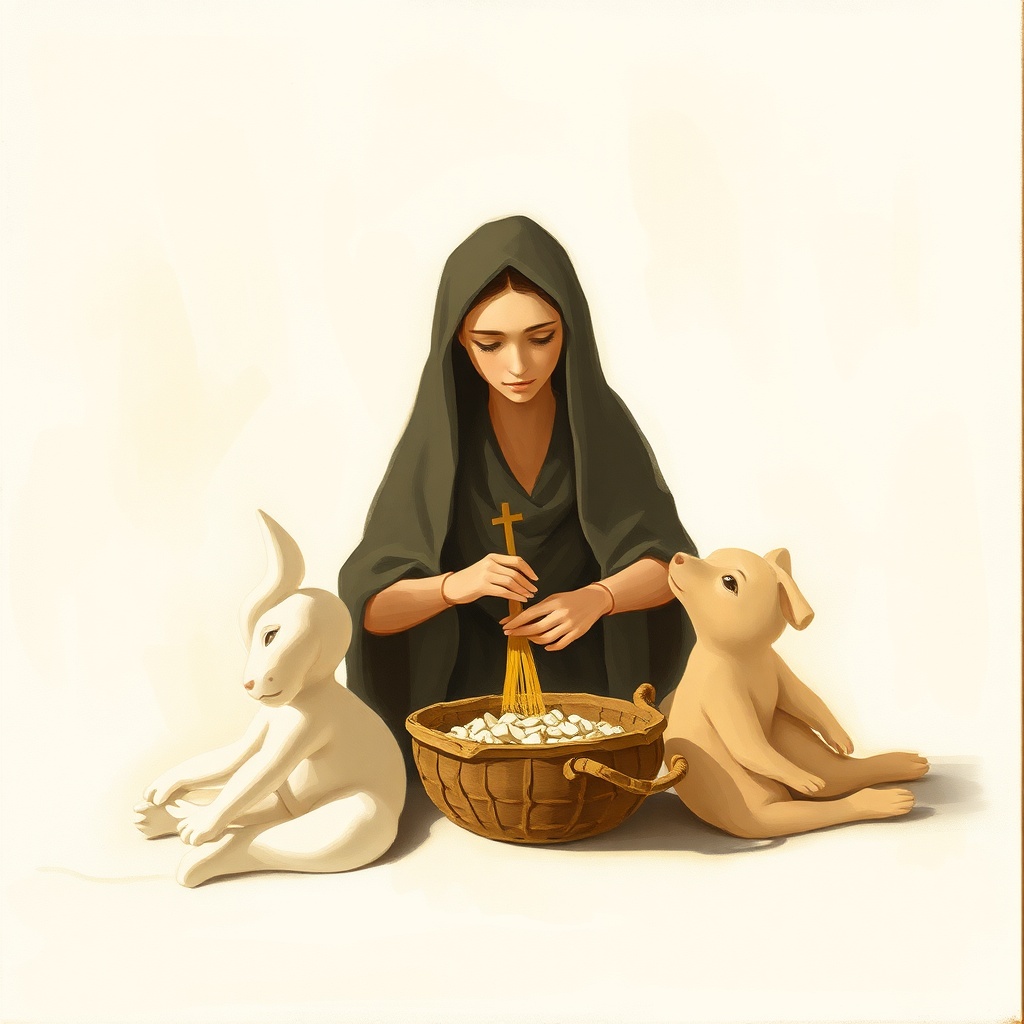
The Poor Widow's story occurs during Jesus' final week in Jerusalem, where she quietly offers two small copper coins (mites) at the temple treasury. Despite her poverty, she gives all she has, exemplifying total trust and sacrificial devotion. Jesus commends her for giving more than the wealthy, highlighting her pure, selfless faith. Her act demonstrates that genuine generosity is measured by sacrifice, not the amount. She symbolizes the humble, trusting believer who recognizes Christ’s lordship over everything, inspiring believers to give wholeheartedly. Her story underscores the importance of sincerity in worship and the value of sacrificial giving in God's eyes, contrasting worldly views of wealth with heavenly values of faith and devotion.
🏛️ Cultural & Historical Context
In 1st-century Jewish society, widows often faced social and economic marginalization, heavily dependent on charity and the generosity of others. Women’s roles were generally domestic, and their legal and social standing was limited. The temple became a central place for worship and giving, where women like the widow contributed sacrificially, often out of deep faith or gratitude. Her act reflects a personal act of worship amid societal constraints, emphasizing that true worship stems from inner commitment rather than social privilege. Women's contributions, especially sacrificial acts like hers, challenged societal views about worth and value, highlighting a spiritual worldview that values sincerity and sacrifice over material wealth.
👨👩👧 Family Connections
Her family connections are not named; she is identified solely by her social status as a widow and her act of giving.
The Poor Widow exemplifies the Christian ideal of sacrificial giving rooted in faith rather than wealth. Her act of offering her last coins symbolizes complete trust in God's provision, foreshadowing Christ’s ultimate sacrifice. Jesus’ praise elevates the humble, emphasizing that genuine faith and devotion matter more than outward appearances or economic status. Her story underscores the value of sacrificial love and highlights that God notices and values sincere acts of devotion. In salvation history, she demonstrates that true worship involves heart commitments above material possessions, inspiring believers to trust in God's provision regardless of their circumstances.
📖 Lessons for Today
📖 Lesson 1
True generosity is measured by sacrifice, not the amount given. We should give from our hearts, trusting in God's provision.
Unlike Esther or Ruth, who acted through influence and intervention, the Widow’s act was silent and personal, emphasizing internal faith over external acts. She contrasts with women of wealth like the Proverbs 31 woman, who exemplifies strength and resourcefulness, by embodying humble trust and sacrificial love. Both her and Hannah’s faith highlight personal devotion; however, the widow’s act emphasizes sacrificial giving, contrasting with women who exert influence through their wisdom or love. Her story complements others by illustrating the diversity of faith expressions among biblical women, from leadership to humble sacrifice.
📜 Scripture References
Reference
Mark 12:41-44
Luke 21:1-4
❓ Frequently Asked Questions
Why is the widow's offering so highly valued by Jesus?
Jesus values her gift because she gave all she had with genuine faith and trust in God's provision, demonstrating sacrificial love and devotion beyond monetary worth (Mark 12:43-44).
Did the widow realize the significance of her act?
While her awareness is not explicitly stated, her act of sacrificial giving and Jesus’ praise suggest she was acting in faith and devotion, reflecting her trust in God.
What can we learn from her story today?
Her story teaches us that sincere acts of faith and sacrifice matter more than outward appearances or material wealth, encouraging believers to give wholeheartedly and trust in God's care.
✨ Did You Know?
The two mites she offered were the smallest copper coins in circulation, yet her act made a lasting spiritual impact. Historically, her story underscores how humble, everyday acts can carry profound spiritual significance and inspire generations.








Leave a Reply