The Widow of Zarephath: A Testament of Faith and Obedience
The Widow of Zarephath: A Testament of Faith and Obedience
Old Testament Women | Symbolic Figures
The Widow of Zarephath: A Testament of Faith and Obedience
📅 9th century BCE, during the reign of Ahab and Elijah's prophetic ministry · 📜 The name 'Zarephath' refers to a refining or smelting place; her personal name is not given, but Zarephath means 'smelting' or 'refining' in Hebrew, symbolizing spiritual testing and purification.
Widow of ZarephathElijahFaithMiracles
But Elijah said to her, 'Do not fear; go and do as you have said. But first make me a little cake and bring it to me, and afterward make something for yourself and your son. For thus says the Lord, the God of Israel: The jar of flour shall not be emptied, neither shall the jug of oil fail, until the day that the Lord sends rain upon the earth.'— 1 Kings 17:13-14
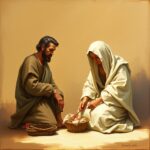
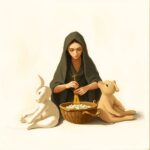
The Widow of Zarephath appears in 1 Kings 17, where Elijah, God's prophet, encounters her during a severe drought and famine in Israel. She lives in Zarephath, an enemy territory of Israel, illustrating divine reach and faith beyond borders. Facing imminent starvation, she has only a handful of flour and a little oil, which she plans to use to prepare what she expects to be her last meal for herself and her son. Elijah requests her to make a small cake first and promises divine provision in return. Her faith in obeying Elijah’s command results in a miraculous provision: her jar of flour and jug of oil never run out until the rain begins again. Her act of obedience demonstrates trust in God's provision under extreme adversity, making her a powerful example of faith and divine intervention amid hardship.
🏛️ Cultural & Historical Context
In ancient Israel, widows often faced social and economic marginalization, with limited rights and support. Women typically depended on male relatives, but in times of crisis, faith and resourcefulness were vital for survival. Zarephath, being outside Israel, indicates her status in a Gentile land, where faith in Yahweh was less common, highlighting her remarkable trust in Elijah’s God amidst pagan surroundings. Her story reflects the cultural importance of hospitality, faith in divine providence, and resilience during famine and social vulnerability. Women's roles in this era were primarily domestic, but her decisive faith showcases a rare act of spiritual leadership in dire circumstances.
👨👩👧 Family Connections
Her family details are not specified; she is a widow with at least one son, whose well-being she endeavored to protect amidst a famine.
Her story underscores God's concern for the vulnerable and the importance of trusting divine provision in times of scarcity. It symbolizes faith that persists even in unfamiliar or hostile environments, illustrating that obedience to God's servants can lead to miraculous sustenance. The widow's act of faith prefigures themes of divine provision and grace that resonate throughout salvation history, emphasizing reliance on God’s abundance rather than human resources. Her unwavering trust exemplifies sacrificial obedience that God honors, reinforcing the biblical message that faith leads to divine intervention and blessing. The narrative highlights God's ability to use unlikely people for divine purposes, strengthening the theme of divine provision for the faithful.
📖 Lessons for Today
📖 Lesson 1
Trust in God's provision even when resources seem insufficient; obedience can unlock divine blessings.
Like Hannah, she displayed profound faith and trust in God's plans despite hardship. Contrasting with Sarah, whose faith wavered at times, the widow’s unwavering obedience showcases deep trust. Her story highlights themes of divine provision through faith, complementing others like the Proverbs 31 woman, who exemplifies resilient faith and resourcefulness in daily life.
📜 Scripture References
Reference
1 Kings 17:7-16
❓ Frequently Asked Questions
Why is the Widow of Zarephath considered a woman of great faith?
Her willingness to follow Elijah’s command despite scarcity demonstrated her trust in God's provision, leading to a miracle of sustained food supply (1 Kings 17:13-14).
What does her story teach about God's care for the vulnerable?
It shows that God provides for those in need through acts of obedience and faith, favoring the humble and trusting, regardless of social status or location.
How does her story connect to New Testament teachings?
Her faith and reliance on divine provision prefigure New Testament themes of trust in God's abundance and Jesus’s teachings on faith and reliance on God for needs.
✨ Did You Know?
The story of the Widow of Zarephath is one of the few in the Bible where God's miraculous provision is demonstrated in a non-Israelite setting, highlighting the reach of God's grace beyond Israel. Additionally, her name isn’t specified, but the place 'Zarephath' means 'smelting,' symbolizing a divine process of purification and testing through hardship.






Leave a Reply