Presbyterian Churches in USA: Your Complete Guide to Denominations, History, and Local Communities
Presbyterian Churches in USA: Your Complete Guide to Denominations, History, and Local Communities
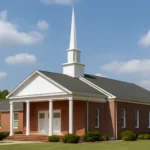
In the United States, Presbyterian churches in USA form a diverse and historically rich family of congregations. Rooted in the Reformed tradition and governed by representative elders, these churches share a common emphasis on covenantal community, scriptural authority, and mission. This guide explores the major denominations and networks, traces a broad arc of their history, and looks at how local Presbyterian communities organize, worship, and serve their communities across the country.
Overview of Presbyterian churches in the United States
The Presbyterian tradition in the United States is defined by a distinctive polity, confessional heritage, and a wide spectrum of theological and cultural expressions. Presbyterian churches in USA tend to organize themselves through regional bodies called presbyteries, with a national assembly as the highest court in some denominations. Central to this structure is the role of elders (both ruling and teaching) who share in the governance of the church alongside ministers. Across the country, these churches engage in worship, education, social ministries, and international mission, all framed by a shared history and a common confession of faith.
Major Presbyterian denominations and networks in the United States
Presbyterian Church (USA) — PCUSA
The largest body among the presbyterian churches in the USA today is commonly known by the acronym PCUSA. It traces its modern origins to mid-20th-century unions among earlier Presbyterian groups and emerged as the principal mainline expression of Presbyterianism in the United States. The PCUSA emphasizes a broad coalition of congregations, progressive and traditional expressions of worship, and a strong emphasis on education, social witness, and ecumenical engagement. The Book of Confessions, including the Westminster Confession of Faith and related standards, anchors its doctrinal heritage, while its congregations range from highly liturgical to more contemporary in style.
Theology and governance: broadly Reformed, congregations governed by elders under presbytery oversight, with a General Assembly as the national deliberative body.
Worship and practice: a spectrum from classical liturgy to contemporary praise, with ongoing dialogue about social issues and faith formation.
Education and mission: robust church education, seminaries, campus ministry, and international mission partnerships.
Demographics and geography: widespread presence across urban, suburban, and rural communities with notable growth in some regions and ongoing urban ministry initiatives.
Presbyterian Church in America — PCA
Among the most influential Presbyterian churches in the USA outside the PCUSA is the PCA. The PCA began as a conservative response to rapid changes within mainline Presbyterianism in the 1960s and 1970s, formalizing in 1973 as a separate denomination. It emphasizes confessional fidelity, open preaching of the gospel, and a generally more conservative stance on social issues. Many congregations within the PCA place a high priority on church planting, evangelical outreach, and doctrinal clarity rooted in historic Reformed theology.
Theology and governance: reformed and confessional, with a strong emphasis on the authority of Scripture and the Westminster standards, governed by elders in presbyteries and a General Assembly.
Worship and practice: typically more traditional in worship, though there is variety; emphasis on expository preaching and the Lord’s Supper as a central ordinance.
Education and mission: many affiliated seminaries and strong missionary involvement, with a culture of church planting and local ministry.
Demographics and geography: substantial presence in the Midwest and South, with growing congregations in suburban and rural areas.
Orthodox Presbyterian Church — OPC
Another enduring branch of the Presbyterian family in the United States is the OPC, founded in 1936 amid debates over liberalism and modernism in theology and church government. The OPC is known for its strict adherence to historic confessional standards and a cautious approach to ecumenism. In Presbyterian churches in USA terms, the OPC represents a more conservative, theologically precise stream that prioritizes doctrinal clarity and doctrinal preaching.
Theology and governance: solidly Reformed, with a strong emphasis on the authority of Scripture, the Westminster standards, and a presbyterian system of church government.
Worship and practice: reverent worship with careful attention to the sacraments and biblical exhortation.
Education and mission: a network of seminaries and mission-based activities, with attention to doctrinal instruction and church health.
Demographics and geography: smaller in member size but influential in traditional theological circles, with congregations across several regions.
Evangelical Presbyterian Church — ECO
The ECO, standing for Evangelical Presbyterian Church, is a relatively new body that formed in the 2010s by churches seeking to balance evangelical energy with Reformed identity. It represents a more mission-oriented, church-planting mindset within the broader Presbyterian world and has grown through conversation with diverse Presbyterian and evangelical partners. For Presbyterian churches in the USA, ECO offers a flexible approach to governance that still honors elder leadership and confessional roots.
Theology and governance: Reformed and evangelical, with presbyterian governance and a national assembly for oversight.
Worship and practice: often contemporary in style but grounded in Reformed doctrine; emphasis on mission and local church health.
Education and mission: strong emphasis on church planting, discipleship, and leadership development.
Demographics and geography: rapidly expanding in various regions, including suburban and urban contexts.
Cumberland Presbyterian Church
The Cumberland Presbyterian Church (CPC) is a distinct branch with roots in the frontier and revival movements of the early 19th century. It emerged around 1810 in the American South and West as a more flexible and evangelically oriented strand of Presbyterian life. Today, the Cumberland Presbyterian Church often emphasizes revivalist traditions, practical preaching, and community service. It remains a separate body from the larger mainline Presbyterian family, but it shares the reformational heritage and elder-led governance that characterizes Presbyterianism in the United States.
Theology and governance: Reformed and confessional in tone, with elder leadership and synod-level oversight for the denomination.
Worship and practice: varied, with traditional and contemporary expressions; focus on personal conversion and regional mission.
Education and mission: emphasis on local mission, education, and community engagement.
Demographics and geography: localized presence in several southern and midwestern states, with ongoing church planting and revival ministry.
Reformed Presbyterian Church in North America — RPCNA
The RPCNA represents one of the older strands of Presbyterianism in North America, maintaining distinctive worship practices such as the observance of the Sabbath as a central community rhythm and a strong covenantal identity. Although smaller in size, the RPCNA contributes a traditional and confessional voice to the tapestry of presbyterian churches in the USA, emphasizing catechesis, covenant theology, and a robust discipline of faith and morals.
Theology and governance: Reformed and confessional, with a presbyterian polity and a strong emphasis on covenant theology.
Worship and practice: liturgical elements with a historic flavor, including regular Sabbath observance and formal gatherings.
Education and mission: catechetical programs, ministerial formation, and mission work aligned with their doctrinal commitments.
Demographics and geography: smaller footprint but active communities in multiple states, often with strong emphasis on doctrinal instruction.
Historical development of Presbyterianism in the United States
The landscape of Presbyterian churches in USA did not emerge in a single moment but grew through waves of immigration, revival movements, doctrinal disputes, and strategic mergers. Key historical threads include:
Foundations in colonial America: Scottish and Ulster-Scottish immigrants established early congregations and presbyteries in major port cities and inland settlements, laying the groundwork for a distinct Presbyterian identity in North America.
The Great Awakening and reform movements: 18th-century revivals, including figures such as Jonathan Edwards and George Whitefield, invigorated congregations and emphasized personal piety, public preaching, and mission emphasis that shaped Presbyterian life across the colonies.
Balance of church and state debates: as the new nation formed, Presbyterians navigated relationships between church government and civil society, reinforcing a covenantal approach to authority and accountability.
Old School and New School divisions: 19th-century tensions over theology, revival, and discipline led to a formal split into Old School and New School factions, which corresponded to broader reform impulses and revival emphases. These streams eventually reconciled in various ways during the late 19th century.
Plan of Union and mid-20th-century consolidations: efforts to streamline Presbyterian life produced unions and reorganizations that culminated in the formation of the larger denominational families we see today, including mergers in the 1950s–1980s that helped shape the current PCUSA and related bodies.
Conservative responses and new denominations: in the 20th century, debates over modernism, biblical authority, and social ethics led to the formation of the PCA in 1973, the OPC in 1936, and later evangelical bodies such as ECO, reshaping the Presbyterian map in the United States.
Contemporary diversity: today’s Presbyterian landscape reflects a broad spectrum from liberal mainline engagement to evangelical and confessional affirmations, while retaining common roots in Reformed theology and presbyterian governance.
Local communities: how Presbyterian churches organize and serve
Presbyterian governance at the local level
At the core of every presbyterian church in the USA is a polity that emphasizes shared leadership by elders. Local congregations are typically part of a regional presbytery, which in turn sits under a general assembly or analogous national body depending on the denomination. This system is designed to ensure accountability, mutual encouragement, and doctrinal integrity across churches that may differ in worship style or cultural context.
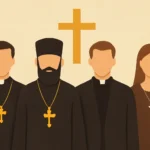
Ordination and roles: teaching elders (ministers) and ruling elders share in church leadership, with the session (the local governing body) consisting of ordained ministers and ruling elders.
Accountability and discipline: presbyteries exercise oversight to maintain doctrinal fidelity, church discipline, and doctrinal consistency across member congregations.
Ecclesial support and cooperation: the presbytery provides pastoral support, credentials recognition, and guidance for new church plants and reorganizations.
Worship, education, and community life
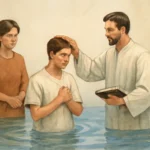
Across the range of Presbyterian churches in USA, worship styles vary, but several core elements are common. The worship life often includes preaching that is shaped by Scripture, the sacraments of Baptism and the Lord’s Supper, and a catechetical framework for lifelong faith formation. Community life frequently centers on:
Sunday worship services: a regular rhythm of prayer, Scripture reading, hymns or contemporary songs, and sermon-led preaching.
Adult and youth education: catechism classes, Bible study groups, and confirmation programs for new members.
Mission and service: local food programs, disaster response, international missions, and partnerships with schools and clinics.
Community and fellowship: meals, small groups, youth ministries, and volunteer opportunities that build relationships and faith formation.
Education institutions and mission networks
Many Presbyterians value education as a cornerstone of public life and church vitality. In the United States, Presbyterian institutions range from local presbytery-sponsored schools to university and seminary networks. The Westminster traditions, the teaching professions, and the broader Reformed intellectual ethos have given rise to a number of colleges and seminaries with historic ties to Presbyterian life. While certain institutions have diversified their affiliations, the emphasis on rigorous scholarship, moral formation, and service remains a hallmark of presbyterian churches in the USA.
Within Presbyterian churches in America, there is an ongoing conversation about worship style, cultural expression, and social witness. Denominations differ in how they approach liturgy, music, and the arts, yet they tend to share a common commitment to the Reformed tradition and to a social ethic rooted in Scripture. Some communities emphasize traditional hymns, creedal liturgies, and a slower, contemplative pace. Others adopt contemporary worship, dynamic preaching, and active engagement with modern media and technology. The breadth of expression is part of what makes presbyterian life in the USA vibrant and adaptive to changing communities and contexts.
Presbyterian churches in the United States participate in education and mission at multiple levels. Local congregations run catechism and confirmation programs, Christian education classes for all ages, and servant-leadership development. Theological education often connects to affiliated seminaries, and many congregations support international partners in health, education, and Christian witness. The Presbyterian world as a whole maintains active ties through mission boards, ecumenical partnerships, and shared confessional standards that shape how Presbyterians think about justice, mercy, and the common good.
How to engage with Presbyterian churches in the USA
If you are exploring the landscape of Presbyterian churches in the USA for faith, community, or study, a practical approach helps uncover the fit that aligns with your beliefs and needs. Here are steps to consider:
Identify your theological preferences: Are you drawn to confessional Reformed theology, evangelical preaching, or a more progressive social witness? This will guide you toward PCUSA, PCA, OPC, ECO, CPC, RPCNA, or another church body.
Visit multiple congregations within a denomination: Even within the same denomination, worship style and community culture can vary widely.
Ask about governance and leadership: How does the local church partner with a presbytery? What is the process for membership, baptism, and celebrations of the Lord’s Supper?
Inquire about education and mission: What programs exist for adults, youth, and children? How does the church engage locally and globally in mission and service?
Check resources for newcomers: Many Presbyterian churches provide newcomer packets, welcome teams, and brief statements of faith to help you understand their identity and expectations.
Glossary and quick reference for terms
To navigate the jargon commonly used by presbyterian churches in the USA, here is a compact glossary:
Presbyterian polity
A church governance system where authority is exercised by elected elders, with sessions, presbyteries, and general assemblies.
Westminster Standards
Confessional documents, including the Westminster Confession of Faith and the Larger and Shorter Catechisms, foundational for many Reformed denominations.
Presbytery
A regional body made up of multiple congregations and their teaching and ruling elders, providing oversight and support.
General Assembly
The national or regional assembly that functions as a supreme court and policy-maker within a denomination.
Baptism and the Lord’s Supper
Two sacraments observed in Presbyterian worship, with baptism open to believers and their households in many churches and the Lord’s Supper celebrated regularly according to denominational practice.
Key milestones in the story of Presbyterian churches in the United States
The history of the Presbyterian family in the USA is marked by transformative moments that shaped the faith and its communities. Notable milestones include:
Colonial foundations: early Presbyterian congregations and presbyteries established in cities and frontier towns, setting the stage for a national church structure.
Revival and reform: 18th- and 19th-century revivals that energized congregations, created new mission fields, and influenced education and social reform.
Doctrinal clarity and discipline: the commitment to confessional standards that informed preaching, catechesis, and church life across diverse contexts.
Mid-20th-century mergers and divisions: meaningful reorganizations that formed the current landscape of Presbyterian denominations, including the large mainline body and several conservative and evangelical offshoots.
Contemporary diversity and growth: a broad spectrum of expressions—from mainline to evangelical to covenantal communities—within a shared Reformed heritage.
Living out faith in local communities
Across presbyterian churches in the USA, faith is practiced in both worship and service. Local congregations often engage in:
Education and formation: Sunday school, youth groups, confirmation classes, and adult study opportunities centered on Scripture and the confessions.
Community service: food banks, housing ministries, disaster relief, and partnerships with schools and clinics to address needs in the surrounding neighborhood.
Fellowship and care: small groups, home-based ministries, and pastoral care that supports families in times of celebration and challenge.
Mission and global outreach: partnerships with churches and organizations abroad, medical missions, and relief programs, reflecting a shared concern for the nations and the vulnerable.
Visitors and new members are welcomed into a broad and varied fellowship that tetapes a common language of Reformed faith while honoring local culture and needs. Whether you encounter the Presbyterian Church (USA), the Presbyterian Church in America, the Orthodox Presbyterian Church, or another Presbyterian body, you will likely find a community that values Scripture, elders’ leadership, and a faith that seeks to transform the world through grace and truth.
For anyone exploring Presbyterian churches in the United States, the path is one of inquiry and discovery. Each denomination and local church offers a distinct flavor and emphasis, yet the shared roots in Reformed theology, governance by elders, and a commitment to mission bind them together as part of a larger story. This comprehensive guide provides a map of denominations, a sense of historical breadth, and a sense of what it means to belong to a Presbyterian church in the USA—whether you are seeking a place to worship, to learn, or to serve in the name of Christ.




Leave a Reply