Verses in the Bible About Water Baptism: Following Jesus in Obedience
Quick Answer: If you’re searching for verses in the bible about water baptism, focus on Jesus’ own baptism, His command to baptize in the triune name of God, and the meaning of being baptized into Christ. Scripture also teaches that salvation is not earned by works, but comes by God’s mercy, washing, and renewing through the Holy Ghost.
Many believers wonder what water baptism truly means and how they should respond. God has not left us without guidance. In Matthew, we see Jesus stepping into the Jordan and rising with the Father’s approval, making baptism more than a religious ritual. In Matthew 28, Jesus gives the church clear instruction to teach and baptize in the name of the Father, the Son, and the Holy Ghost. Then Galatians explains baptism’s spiritual identity: those baptized into Christ have “put on Christ.” Finally, Titus reminds us that salvation is not achieved by works, but received through God’s mercy and the washing of regeneration. As we look through these verses in the bible about water baptism, you can be encouraged to obey Jesus, understand baptism’s purpose, and trust God’s saving grace.
At a Glance — Verses in This Article
Matthew 3:16-17
Matthew 28:19-20
Galatians 3:27
Titus 3:5
Bible Verses
Matthew 3:16-17 (King James Version)
“And Jesus, when he was baptized, went up straightway out of the water: and, lo, the heavens were opened unto him, and he saw the Spirit of God descending like a dove, and lighting upon him: And lo a voice from heaven, saying, This is my beloved Son, in whom I am well pleased.”
This passage shows Jesus’ own water baptism and the Father’s voice, confirming baptism is deeply connected to God’s approval and the Spirit’s work.
Matthew 28:19-20 (King James Version)
“Go ye therefore, and teach all nations, baptizing them in the name of the Father, and of the Son, and of the Holy Ghost: Teaching them to observe all things whatsoever I have commanded you: and, lo, I am with you alway, even unto the end of the world. Amen.”
Jesus commands baptism as part of making disciples, teaching believers to obey His Word and follow Him in the triune name of God.
Galatians 3:27 (King James Version)
“For as many of you as have been baptized into Christ have put on Christ.”
This verse describes baptism’s meaning—those baptized into Christ have put on Christ—highlighting identity and belonging.
Titus 3:5 (King James Version)
“Not by works of righteousness which we have done, but according to his mercy he saved us, by the washing of regeneration, and renewing of the Holy Ghost;”
Titus teaches salvation comes by mercy through the **washing of regeneration**, linking water baptism to God’s renewing work, not human effort.
1) Jesus’ baptism shows the pattern: obedience, Spirit, and the Father’s approval
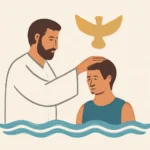
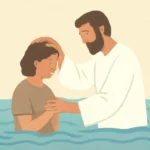
When people discuss baptism, they sometimes treat it as something only new believers “do,” as if Jesus needed it less. But the Gospels present Jesus stepping into the water as an act of obedience. In Matthew 3:16-17, we’re told that Jesus went up out of the water, and the heavens were opened; the Spirit of God descended like a dove, and a voice from heaven declared who Jesus is. This is not a vague endorsement—it’s a public, heaven-attested moment.
That matters because it keeps water baptism from becoming merely symbolic or self-chosen. Jesus’ baptism sets a foundation: baptism is a response to God’s will, and it belongs in the wider story of the Father, Son, and Holy Ghost. It also connects baptism to the Spirit’s presence and God’s pleasure. If Jesus submitted to baptism, then believers are not lowering the dignity of Christ by being baptized; they’re aligning their lives with His example.
So if you’re asking what water baptism is “for,” begin here. Jesus’ baptism demonstrates that the Christian life is marked by obedience rather than hesitation. It also encourages the heart: God’s voice and Spirit activity are not distant concepts—they are real promises that accompany the mission of Christ.
As you consider these realities, remember that the goal isn’t to impress anyone or earn righteousness. The Gospels point us to receive God’s grace and then step forward in faithful obedience, trusting that God is pleased with Christ—and that we are invited to follow Him.
2) Jesus’ command makes it a disciple-making practice, not a private idea
In Matthew 28:19-20, Jesus gives the church a clear commission: “Go ye therefore, and teach all nations, baptizing them in the name of the Father, and of the Son, and of the Holy Ghost.” Notice the order. Teaching comes, and baptism follows as the visible response to the message. Baptism isn’t presented as an isolated event; it’s woven into disciple-making.
This is why so many believers pray about baptism after they have heard and understood the Gospel. Once the Word is received, baptism becomes an appropriate next step—an outward sign that the person is identifying with Christ and His mission.
The command also includes the triune name: baptizing them in the name of the Father, and of the Son, and of the Holy Ghost. That phrase matters because it reminds us baptism is not just “a ceremony about me.” It’s God-centered. You’re being baptized into the life and authority of the Father, Son, and Holy Ghost.
And Jesus didn’t leave His disciples to carry this alone. He adds, “and, lo, I am with you alway, even unto the end of the world.” This promise supports believers and churches as they faithfully teach and baptize. It means baptism is not a human achievement. It is part of a divine presence.
Together with Matthew 3, this shows baptism’s dignity: the Son submitted to the Father’s will, and then the risen Lord commissioned His followers to bring others into the same obedience. In other words, baptism becomes the “yes” of a disciple—public, God-referenced, and mission-connected.
3) Baptism’s meaning: being baptized into Christ and putting on Christ
Galatians 3:27 provides a spiritual “why” that many people long to understand. Paul writes, “For as many of you as have been baptized into Christ have put on Christ.” This is one of the most identity-forming statements in Scripture regarding water baptism. It doesn’t only describe an action; it describes a new belonging.
To be baptized into Christ means more than entering water. It means being united with Christ in a way that changes how you see yourself and how you live. Paul’s language—“put on Christ”—suggests a wholehearted receiving. Like clothing that covers and represents a person, Christ becomes the covering and defining reality of the believer.
This has practical implications. If you’re anxious that baptism might “save” you by your performance, Galatians helps you see that baptism is tied to Christ, not to self. The person doesn’t merely improve their behavior; they receive Christ. Identity comes first, fruit follows.
It also helps churches teach baptism responsibly. When leaders explain baptism primarily as a badge of spiritual status, they risk misunderstanding Paul’s message. Instead, baptism should be taught as a response to the Gospel that results in a new identity: putting on Christ.
In that light, water baptism becomes a worshipful declaration. You are not just saying, “I have decided to be better.” You are saying, “I belong to Christ, and my life is now covered by Him.” That truth brings comfort when believers struggle, because the promise is not that you have mastered faith—it’s that Christ has covered you.
4) Salvation is by God’s mercy—baptism reflects the washing of regeneration
Titus 3:5 addresses a fear that some sincere believers carry: “What if baptism isn’t enough, and I’m still failing?” Paul answers with clarity: “Not by works of righteousness which we have done, but according to his mercy he saved us, by the washing of regeneration, and renewing of the Holy Ghost.”
This verse emphasizes that salvation is rooted in mercy, not human achievement. That matters when people approach water baptism. Baptism is not a transaction where you do enough good works to be accepted. Instead, baptism fits within God’s saving work.
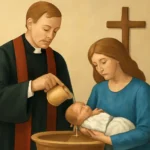
Paul calls the saving work “the washing of regeneration,” and while this does not reduce God’s grace to water alone, it does show that the believer’s renewal involves cleansing language. That connects naturally to water baptism as a visible symbol of an inward washing—new life beginning through the Spirit’s renewal.
So rather than using baptism as a ladder to earn God’s approval, approach it as an act of obedience that points to grace. You’re stepping forward because God has already begun renewing you. You’re declaring your trust in Christ’s saving mercy.
This also strengthens your confidence when life is hard. If salvation depended on your righteousness, you would always be one step away from insecurity. But Titus teaches that salvation is according to God’s mercy. That mercy is the foundation beneath baptism, and it continues after baptism.
When you remember this, baptism becomes a beginning, not a finish line. You go under the water in faith, and you rise to walk in the renewing work of the Holy Ghost—resting in God’s mercy rather than your own performance.
Practical steps: prepare your heart, understand your identity, and obey with peace
If you’re considering or recently received water baptism, let these verified scriptures shape your next steps. Start by returning to Christ’s example. Ask yourself: “Do I want to follow Jesus in obedience?” Matthew 3:16-17 shows that Jesus entered the water; your baptism can become a sincere “yes” to His pattern.
Next, ground your decision in Christ’s command. Matthew 28:19-20 calls believers to be baptized in the triune name of God as part of discipleship. That means you shouldn’t treat baptism like a private lifestyle choice. Seek instruction, fellowship, and follow-through with a local church that teaches Scripture.
Then, reflect on identity. Galatians 3:27 says you have put on Christ through baptism into Him. Practically, this means you should talk and think differently about who you are. When temptation or doubt rises, remind yourself: your belonging is not temporary.
Finally, keep salvation anchored in mercy. Titus 3:5 warns against measuring God’s acceptance by works of righteousness. So prepare with faith, not fear. If you struggle to “feel worthy,” return to God’s character—He saves by mercy through renewing. Let that renew your confidence and move you forward.
A simple weekly practice: read the relevant passages, pray for a willing heart, and ask a trusted believer to encourage you. Then when you step into the water, do it as worship—obeying Jesus, resting in mercy, and embracing your new identity in Christ.
Frequently Asked Questions
What are the key water baptism verses in scripture to read first?
Begin with Jesus’ example and command: Matthew 3:16-17 shows the reality of Spirit and the Father’s voice at baptism, and Matthew 28:19-20 gives baptism’s place in disciple-making. Then read Galatians 3:27 to understand identity, and Titus 3:5 to anchor your hope in mercy and regeneration.
Does the Bible say water baptism is connected to salvation?
Titus 3:5 teaches that God saves according to His mercy and the “washing of regeneration” by the Holy Ghost’s renewal. This means baptism should be approached as a response to God’s saving work, not as a way to earn righteousness through works.
How should I understand being baptized into Christ?
Galatians 3:27 explains the meaning: those baptized into Christ have put on Christ. That points to a changed identity and belonging. Water baptism becomes a visible sign of inward union with Christ, shaping how you live and what you trust.
Is baptism mainly a personal choice, or part of discipleship?
Matthew 28:19-20 shows baptism is connected to teaching and making disciples. Jesus commands believers to baptize in the name of the Father, the Son, and the Holy Ghost and teaches that His presence accompanies the process. Baptism is therefore tied to the church’s mission.
A Short Prayer
Heavenly Father, thank You for the life and obedience of Jesus, who stepped into the water and rose with Your approval. Thank You for Your command to baptize and teach all nations, and for the identity You give when we are baptized into Christ. Renew us by Your mercy through the washing of regeneration, and fill us with the Holy Ghost. Help us walk in obedience with peace, trusting You more each day. In Jesus’ name, amen.
Key Takeaway: Water baptism is an obedient, identity-forming response to Christ—grounded in God’s mercy and His renewing Spirit.