The Women at the Cross: Faith and Compassion in the Shadow of the Crucifixion
The Women at the Cross: Faith and Compassion in the Shadow of the Crucifixion
New Testament Women
The Women at the Cross: Faith and Compassion in the Shadow of the Crucifixion
📅 1st century AD, during the time of Jesus' crucifixion around 30-33 AD · 📜 Mary (from Hebrew 'Miryam') is often interpreted as 'beloved' or 'rebellion'. The name Magdalene (from Magdala) indicates her origin as a tower or fortress, symbolizing strength and steadfastness.
Women at the CrossMary MagdaleneWomen in the BibleCrucifixion
Near the cross of Jesus stood his mother, his mother's sister, Mary the wife of Clopas, and Mary Magdalene. When Jesus saw his mother there, and the disciple whom he loved standing nearby, he said to her, 'Woman, here is your son,' and to the disciple, 'Here is your mother.'— John 19:25-27
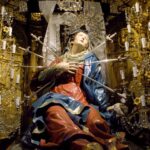
The women at the cross, including Mary Magdalene, Mary the mother of Jesus, and other followers, stood beside Jesus during his crucifixion, exemplifying unwavering loyalty and compassion. These women had witnessed Jesus’ teachings, miracles, and his arrest, ultimately witnessing his suffering and death from a distance but remaining present at the gruesome event. Their presence contrasts with many male disciples who had fled, highlighting their courage and devotion. After Jesus’ death, these women were the first witnesses to his burial and the first to encounter the empty tomb, marking them as pivotal in the resurrection narrative. Their unwavering faith and bravery underscore their vital role in Jesus’ final hours, illustrating themes of loyalty, service, and trust in God's plan. Their steadfastness provides a powerful example of faithful women who participated actively in salvation history, serving as models of devotion and witness.
🏛️ Cultural & Historical Context
In 1st-century Jewish society, women's roles were predominantly domestic and secondary in religious and social life. Despite this, women who followed Jesus often displayed remarkable courage, stepping outside societal expectations. Their presence at the cross signifies their deep commitment amidst a patriarchal culture that generally marginalized women. Women like Mary Magdalene and others were among the few who risked social disapproval to support Jesus physically and spiritually. Their actions challenge societal norms of their time, portraying women as pivotal participants in the unfolding of salvation history. This context underscores their exceptional loyalty and faith, turning societal expectations upside down and highlighting the inclusive nature of Jesus’ ministry.
👨👩👧 Family Connections
Most notably associated with Mary, the mother of Jesus; she may have been part of a broader group of women followers. Details about her family background are sparse, but she is linked to Mary Magdalene, a devoted disciple.
The women at the cross exemplify unwavering faith and loyalty amid suffering and despair. Their presence highlights the theme of faithful witness and God's recognition of women as essential partners in salvation history. They demonstrate that true discipleship involves heartful devotion and service, regardless of social standing. Their role prefigures the future opening of salvation to all, regardless of gender, race, or status. In the broader narrative, they embody the compassion and sacrificial love central to Jesus' teachings, serving as models of steadfast faith that sustains hope beyond suffering. Their actions underscore the inclusive nature of God's plan, emphasizing that women are vital witnesses in spiritual and redemptive history.
📖 Lessons for Today
📖 Lesson 1
Loyalty to faith often requires sacrifice; the women at the cross knew this firsthand and remained committed despite hardship.
The women at the cross connect to other Biblical women like Mary, the mother of Jesus, and Mary Magdalene, who also exemplify faithfulness. They contrast with women in the Old Testament who often faced limitations but displayed courage—like Hannah or Ruth—highlighting a continuum of faithful women who play pivotal roles in God's plan. Their shared courage and devotion underline the importance of women as active participants in salvation history, illustrating themes of loyalty, service, and divine trust across biblical narratives.
📜 Scripture References
Reference
Matthew 27:55-56
Mark 15:40-41
Luke 23:49
John 19:25
❓ Frequently Asked Questions
Who were the women at the cross?
The women at the cross included Mary the mother of Jesus, Mary Magdalene, and other followers who remained faithful during his crucifixion, witnessing his suffering and death (John 19:25).
Why are the women at the cross significant?
Their presence highlights their loyalty and faithfulness, serving as models of devotion and as the first witnesses to Jesus' resurrection, emphasizing the importance of women in salvation history.
What lessons can we learn from the women at the cross?
They teach us the value of unwavering faith and loyalty during difficult times. Their compassionate service reminds us that true discipleship involves standing steadfast amid suffering and uncertainty.
✨ Did You Know?
Mary Magdalene, traditionally thought to be a former sinner, was among the most prominent witnesses at Jesus’ tomb; her name derives from Magdala, an ancient fishing town, and she is often recognized as the first to witness the resurrection. Her role underscores the significant involvement of women in early Christian history and their recognition as trusted disciples.







Leave a Reply