Zelophehad's Daughters: Champions of Justice and Women's Rights in the Bible
Zelophehad's Daughters: Champions of Justice and Women's Rights in the Bible
Old Testament Women | Women of Justice | Biblical Women of Faith
Zelophehad's Daughters: Champions of Justice and Women's Rights in the Bible
📅 circa 15th century BCE, during the wilderness wanderings of Israel · 📜 Zelophehad (Hebrew: צְלָפְחָד, Tzelofachad) means "His shadow is good" or "His protection is excellent," emphasizing guardianship or refuge.
Zelophehad's DaughtersWomen in BibleInheritance LawsJustice in Scripture
So Moses commanded the daughters of Zelophehad, 'Let them appear before the priest Eleazar, the leaders, and all the assembly at the entrance to the tabernacle of meeting. And speak to them, and say, 'If a man dies and has no son, then you shall cause his inheritance to pass to his daughter.'— Numbers 27:6-8
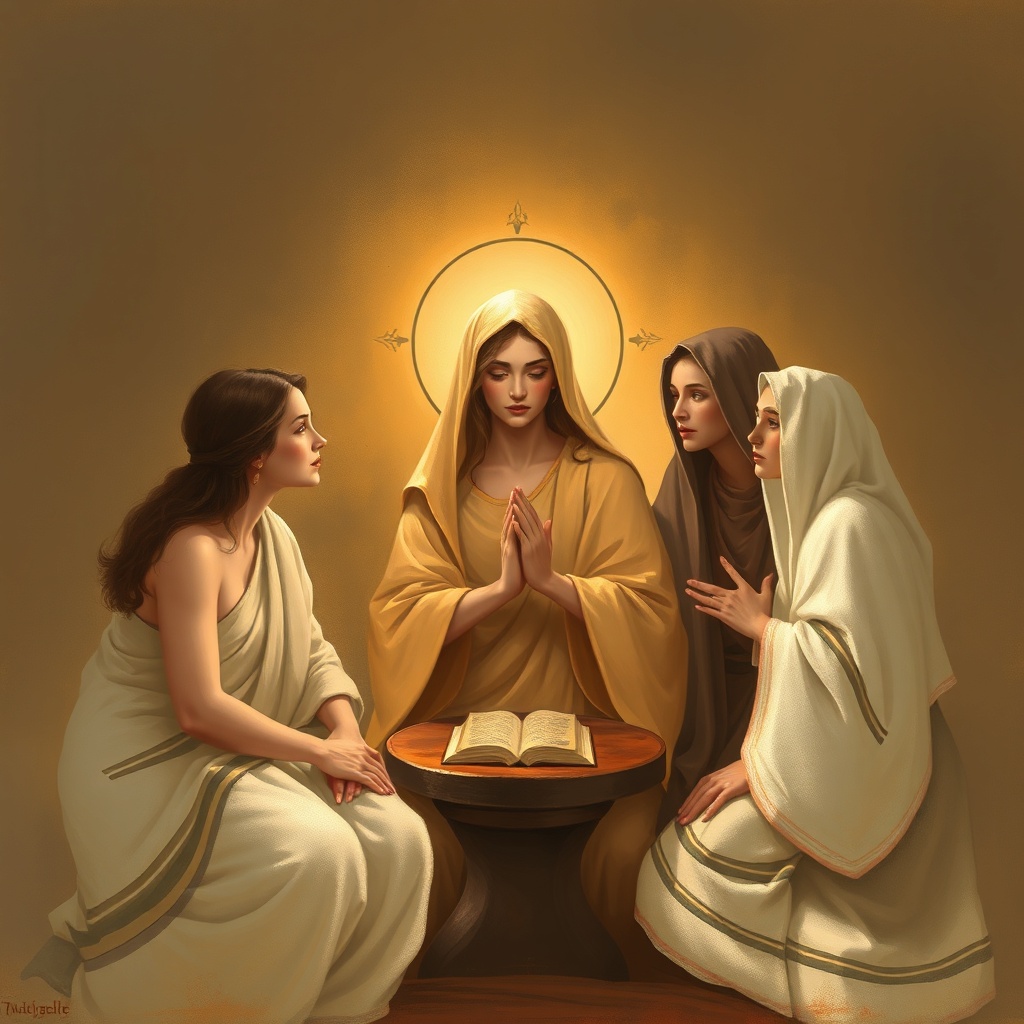
Zelophehad's daughters—Mahlah, Noah, Hoglah, Milcah, and Tirzah—are notable for their boldness in challenging the inheritance laws of ancient Israel. When their father died in the wilderness, these women approached Moses and the leaders, pleading for their right to inherit their father's land, which was denied to women under prior laws. Their intervention prompted a divine ordinance allowing daughters to inherit if no male heirs existed, shaping future inheritance practices. This story highlights issues of justice, gender equality, and divine law, emphasizing that God's principles can evolve to ensure fairness. Their courageous stand made a lasting impact on biblical law and exemplifies faith-driven advocacy for social justice within God's covenant community.
🏛️ Cultural & Historical Context
In ancient Israel, women's roles were primarily centered around family and household responsibilities, with limited rights in legal and inheritance matters. Property inheritance was traditionally patrilineal, limiting women's claims to land and wealth. The story of Zelophehad's daughters occurs within a patriarchal society, where challenging customary laws required exceptional faith and bravery. Their advocacy reflects emerging conversations about gender equality and justice, making their story significant in understanding biblical perspectives on social reforms. Their actions exemplify a shift toward recognizing women's rights within the divine legal framework, highlighting God's responsiveness to justice and fairness in a largely male-dominated culture.
👨👩👧 Family Connections
Daughters of Zelophehad, a Man of Manasseh; their father was from the tribe of Manasseh. They had different family lineages but are primarily known collectively in the biblical narrative.
Zelophehad's daughters symbolize God's justice transcending societal norms, emphasizing that divine law upholds fairness regardless of gender. Their story demonstrates that faith and righteousness can lead to social reform, underscoring God's concern for vulnerable groups. It reinforces the idea that God's justice is dynamic, capable of adapting to promote equity within His covenant community. Their act of advocacy illustrates that God's laws are rooted in righteousness and compassion, highlighting the divine principle that justice must be upheld for all members of society. Ultimately, they embody the biblical value that faith involves standing for justice in pursuit of God's righteous principles.
📖 Lessons for Today
📖 Lesson 1
Stand for justice even when it challenges societal norms; faith can inspire social change.
Like Deborah or Ruth, Zelophehad's daughters exemplify women who step beyond societal expectations to influence God's people. Unlike women who are often depicted passively, they actively seek justice and embody faith-driven initiative, contrasting with more traditional roles. Their story adds to biblical themes of women's leadership, advocacy, and righteousness, highlighting that women can be agents of divine change within God's plan.
📜 Scripture References
Reference
Numbers 27:1-11
Numbers 36:1-12
❓ Frequently Asked Questions
Who were Zelophehad's daughters?
They were five women—Mahlah, Noah, Hoglah, Milcah, and Tirzah—who challenged inheritance laws in Numbers 27 to secure land rights for women when their father died without sons.
Why is their story significant?
Their bold advocacy led to legal reforms allowing women to inherit property, demonstrating faith in justice and influencing biblical law regarding gender and inheritance.
What does their story teach about faith?
It teaches that faith involves standing up for justice and trusting God's goodness, even when societal norms oppose us.
✨ Did You Know?
The story of Zelophehad's daughters is one of the earliest biblical accounts emphasizing women's legal rights and advocacy. Interestingly, their inheritance rights were granted by divine intervention, making their stand a pivotal moment in biblical social justice history.






Leave a Reply