Zilpah: The Wife of Leah and Mother of Two Tribes in the Bible
Zilpah: The Wife of Leah and Mother of Two Tribes in the Bible
Old Testament Women | Deuterocanonical Women | Biblical Ancestors
Zilpah: The Wife of Leah and Mother of Two Tribes in the Bible
📅 2nd Millennium BCE, approximately 18th-17th century BCE · 📜 Her name's root in Hebrew, זִלְפָּה (Zilpah), suggests "frailty" or "weakness," possibly reflecting her initial status as a servant who rose to motherhood and tribal significance.
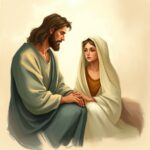
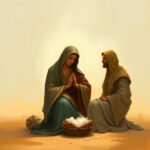
Zilpah entered the biblical narrative as a servant of Leah, Jacob’s wife. When Leah sought to increase her offspring, she gave her maidservant Zilpah to Jacob as a surrogate. Zilpah bore Jacob two sons, Gad and Asher, who became tribal ancestors. Her act of giving her maid to her husband reflects the cultural practice of leveraging surrogates to secure offspring, vital for legacy and social standing in her time. Her story highlights themes of providence and divine blessing, as her children grew to become prominent tribes of Israel. Though initially a servant, Zilpah's role elevated her position in the biblical tradition, illustrating themes of faithfulness and God's sovereignty in fulfilling His promises to the patriarchs. Her story underscores the importance of maternal lineage in Israelite history and the significance of women’s roles behind the scenes in God’s unfolding plan of salvation.
🏛️ Cultural & Historical Context
In the ancient Near Eastern context, women's roles were largely defined by their familial and reproductive functions. Servant women like Zilpah often held subservient positions but could ascend socially through motherhood and the bearing of heirs, which conferred status and tribal importance. Polygamy was common, and surrogacy practices, as seen in Zilpah’s case, were accepted means of securing descendants. Women’s primary significance lay in their ability to produce offspring, especially sons, vital for lineage and inheritance. Despite their limited autonomy, women played crucial roles in the continuation of their families and tribes, often influencing history indirectly through their children.
👨👩👧 Family Connections
Zilpah was a servant of Leah, one of Jacob's wives. She became his wife through her role as Leah's maidservant. She was the mother of two of Jacob's sons, Gad and Asher. Her parents' names are not recorded, and her sibling relationships are unknown.
Zilpah embodies God's providence and sovereignty, illustrating how unexpected individuals can fulfill divine promises. Her story emphasizes that God's blessings extend beyond social status, including those considered beneath society’s surface, highlighting His inclusive plan for salvation. As the mother of tribes, her role points to the importance of faithfulness and divine providence in establishing God's covenant with Israel. Her narrative also underscores that God's purposes transcend human limitations, reminding believers that His plans often work through humility and quiet acts of obedience. Zilpah’s story inspires trust in God's sovereignty and His ability to bring forth life and purpose from unlikely circumstances.
📖 Lessons for Today
📖 Lesson 1
Faithfulness in small acts can lead to significant divine outcomes. Trusting God's plan even in humble circumstances reflects true obedience.
God can use unexpected people or situations for His glorious purposes. Our limitations do not hinder God's ability to fulfill His promises.
📖 Lesson 3
Understanding our role in God's broader plan encourages humility and reliance on His sovereignty. Every person’s contribution matters in God's kingdom.
Zilpah's story contrasts with women like Sarah and Rachel, who often took active roles in divine plans. Unlike prominent figures, Zilpah's quiet obedience shows the importance of faithful service behind the scenes. Her tribal legacy links her to other matriarchs, emphasizing that God's work often includes the quiet, foundational contributions of overlooked women.
📜 Scripture References
Reference
Genesis 30:9-13
Genesis 37:2
❓ Frequently Asked Questions
Who was Zilpah in the Bible?
Zilpah was Leah's maidservant who became Jacob’s wife and the mother of two tribes, Gad and Asher, as recorded in Genesis 30:9-13.
What does Zilpah's story teach us?
Her story teaches that God can bring blessings through humble and unexpected means, highlighting faithfulness and divine sovereignty.
Why is Zilpah important in biblical history?
Zilpah's role as the mother of two tribes makes her an essential link in the ancestral lineage of Israel, illustrating God's use of all individuals to fulfill His promises.
✨ Did You Know?
Zilpah’s name possibly relates linguistically to a word meaning "frailty" in Hebrew, yet her story underscores that God can use the seemingly weak or overlooked for great purposes—highlighting themes of humility and divine strength.







Leave a Reply