Old Testament Women | Women of the Bible | Biblical Characters
Mahlah: The Unsung Woman of the Book of Numbers
📅 13th-12th centuries BCE, during the wilderness wanderings and early conquest period · 📜 In Hebrew, Mahlah (מַלְּחָה) means 'disease' or 'weakness,' but also can symbolize humility or surrender through her act of obedience and trust in God's plan.
MahlahOld TestamentWomen of Faith
And Moses commanded the daughters of Zelophehad, ‘The daughters of Zelophehad speak right: thou shalt surely give them a possession of an inheritance among their father’s brethren, and thou shalt cause the inheritance of their father to pass unto them.’— Numbers 27:7
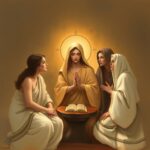
Mahlah, along with her sisters, is best known for her stand in Numbers 27, where she and her siblings petitioned Moses for inheritance rights after their father's death. At a time when women were generally excluded from property rights, Mahlah’s brave petition challenged societal norms, emphasizing justice and fairness. Her request was granted, influencing future inheritance laws and affirming the sovereignty of God's justice over cultural traditions. Mahlah's story highlights themes of faith, courage, and divine justice. She exemplifies the importance of standing up for one's rights within a framework of trust in God's laws. Her actions demonstrate that even seemingly small voices can prompt significant change in community and law. Mahlah's role underscores the biblical principle that faith in God's justice can empower oppressed individuals, especially women, to seek equity and righteousness.
Living during the era of wilderness wandering in ancient Israel, Mahlah's time was marked by patriarchal societal norms where women often lacked legal rights, including property ownership. The tribe of Manasseh, like others, adhered to traditions that prioritized male heirs. However, the incident involving Mahlah and her sisters signifies a shift towards recognizing women's rights within the biblical community. Their bold petition reflects a societal transition influenced by divine law, emphasizing justice and equity. Women in this period were largely confined to domestic roles, but these daughters challenged cultural constraints by advocating for their inheritance rights. Their story highlights the evolving role of women as active participants in societal justice—an early indication of broader biblical themes of justice and righteousness. Such episodes reveal the tension between tradition and divine mandates in ancient Israelite society.
👨👩👧 Family Connections
Mahlah was one of the daughters of Zelophehad, along with her sisters Milcah, Noah, Hoglah, and Tirzah. Her father, Zelophehad, was from the tribe of Manasseh; her family played a pivotal role in biblical discussions on inheritance laws.
✨ Character Traits
CourageousFaithfulJustAssertive
⛪ Theological Significance
Mahlah's story underscores God's justice and the importance of faith-driven advocacy. Her petition exemplifies the biblical principle that God's law elevates righteousness over social conventions, affirming that divine justice transcends societal limitations. Her act highlights God's concern for the marginalized and oppressed, especially women, and signifies the inclusive nature of God's promises. Mahlah’s role within the narrative illustrates that divine justice often involves challenging unjust human customs, fostering trust in God's sovereignty. Her faith and assertiveness serve as a model for believers today to stand for righteousness and justice, trusting that God's laws uphold human dignity and equity. Her story contributes to the broader biblical theme that God's justice empowers the vulnerable and mandates community righteousness.
Stand up for justice with faith, even when societal norms oppose you, trusting that God’s truth prevails.
📖 Lesson 2
Advocating for righteousness can bring systemic change; divine principles should guide our pursuit of fairness.
📖 Lesson 3
Women’s voices matter in God’s kingdom; faith can empower the oppressed to seek and achieve justice.
🔗 Connections to Other Biblical Women
Mahlah’s assertiveness and faith mirror the courage of women like Hannah and Deborah, who also challenged societal norms to fulfill God's plans. Unlike Ruth or Esther, who took active roles in leadership and advocacy, Mahlah’s story underscores the quiet strength in standing for justice within a patriarchal context. Her act of petitioning for inheritance rights ties her to a broader biblical narrative where women, despite societal constraints, influence God's justice and community law. Mahlah contrasts with women like Jezebel, who opposed divine will, highlighting her positive example of righteousness and moral courage that contributed to societal reform’s divine principles.
📜 Scripture References
Reference
Numbers 26:33
Numbers 27:1-11
Joshua 17:3
❓ Frequently Asked Questions
Who was Mahlah in the Bible?
Mahlah was one of the daughters of Zelophehad, a biblical figure who advocated for her inheritance rights, as recorded in Numbers 27. She played a key role in challenging traditional gender roles to seek justice.
What is the significance of Mahlah’s story?
Her story highlights the importance of faith, justice, and advocacy. It demonstrates how courageous individuals can influence God’s laws and promote fairness, especially for marginalized groups like women.
Are Mahlah and her sisters mentioned elsewhere in the Bible?
Aside from Numbers and Joshua 17, Mahlah’s story is primarily centered around her role in inheritance disputes. Her family’s petition set a precedent for future legal considerations regarding women’s rights.
✨ Did You Know?
Mahlah and her sisters' legal petition is one of the earliest recorded instances of women advocating for their rights in biblical history. Linguistically, the name Mahlah, meaning 'weakness,' paradoxically symbolizes humility and reliance on divine justice, reflecting her trust in God's righteous laws.

 Por Mario Acevedo