Shelomith: The Woman Behind the Controversy in Leviticus
Shelomith: The Woman Behind the Controversy in Leviticus
Old Testament Women | Deuterocanonical Women | Symbolic Figures
Shelomith: The Woman Behind the Controversy in Leviticus
📅 13th-12th century BCE (Mosaic period) · 📜 The name Shelomith means "peace" or "peaceful" in Hebrew.
ShelomithOld TestamentWomen of the BibleLeviticus
'And the Israelite woman’s son blasphemed the Name and cursed; so they brought him to Moses. (His mother’s name was Shelomith, the daughter of Dibri, of the tribe of Dan.)' — Leviticus 24:11— Leviticus 24:11
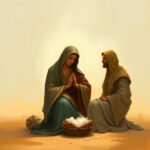
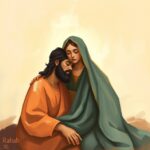
Shelomith appears briefly in Leviticus 24:10-16, where her son blasphemes God's name and is subsequently brought before the community. In response, she faces a serious legal and social dilemma, as her son’s offense sparks a divine judgment and communal outrage, leading to his punishment. Her role symbolizes a mother’s vulnerability in a patriarchal society and underscores the importance of reverence for God's name. Despite limited direct mentions, her story emphasizes the gravity of blasphemy and moral accountability. Historically, her narrative illustrates the strict adherence to the Law of Moses and the societal consequences of offenses against divine commandments. Her story invites reflection on justice, family loyalty, and divine holiness, highlighting her indirect but significant contribution to Israelite religious law and communal integrity.
🏛️ Cultural & Historical Context
Shelomith lived in a time when Israelite society was governed by strict Mosaic laws, emphasizing purity, justice, and reverence for God's name. Women's roles were primarily domestic, yet they held pivotal social and religious responsibilities, especially as mothers and caretakers of familial honor. Her story reflects a society deeply committed to holiness, where offenses against God required communal and legal response. Women like Shelomith, though often marginalized, played crucial roles in upholding cultural and religious standards. The incident underscores the importance placed on divine respect, family loyalty, and community justice. In this patriarchal context, her actions and circumstances highlight the societal expectations placed upon women to maintain spiritual integrity and social cohesion.
👨👩👧 Family Connections
Shelomith’s immediate family details are scarce; she is noted as the mother of the son involved in the incident described in Leviticus. Further familial ties are not explicitly provided in the scriptures.
LoyalConcernedResilientRespectful of divine authority
⛪ Theological Significance
Shelomith’s brief story highlights themes of divine holiness, justice, and accountability. Her son’s blasphemy and the subsequent punishment serve as a reminder of God's intolerance for desecration of His name, emphasizing reverence and sacredness. As a mother caught in this situation, she symbolizes the passing of faith and adherence to divine law across generations. Her narrative underscores the seriousness of sin within the community and the importance of divine authority. It also invites believers to consider God's justice balanced with mercy, illustrating that obedience and respect for God's holiness are central to faith. Her story exemplifies how individual actions can impact collective holiness and divine relationship.
📖 Lessons for Today
📖 Lesson 1
Respect for God's holiness is paramount; our actions have spiritual and communal consequences.
Shelomith's story contrasts with women like Sarah or Hannah, whose stories focus on faith and blessing. Unlike these women, Shelomith's narrative is centered on justice and communal holiness due to her son's actions. She embodies the often-overlooked maternal influence and societal responsibility women had in enforcing religious values amid challenging circumstances, illustrating a different facet of biblical womanhood rooted in duty and reverence for divine law.
📜 Scripture References
Reference
Leviticus 24:10-16
1 Chronicles 26:1 (possible later mentions)
❓ Frequently Asked Questions
Who was Shelomith in the Bible?
Shelomith was a woman mentioned in Leviticus 24 as the mother of a man who blasphemed God's name; her story highlights issues of divine law and justice.
What was the significance of her son's offense?
Her son's blasphemy was considered a serious offense against God's holiness, leading to communal judgment and illustrating the importance of reverence for God's divine name.
Is there any other mention of Shelomith in the Bible?
Apart from Leviticus 24, Shelomith is also briefly referenced in 1 Chronicles 26:1, though details about her beyond her name are limited and possibly refer to different individuals.
✨ Did You Know?
The name Shelomith, meaning "peace," reflects a cultural hope for harmony, yet her story is marked by a serious offense that challenged community peace. Interestingly, her name appears in other biblical contexts, highlighting the significance of names in conveying societal values and expectations in ancient Israel.









Leave a Reply