Prayer for Those Who Are Ill: Comfort, Strength, and Healing
Prayer for Those Who Are Ill: Comfort, Strength, and Healing
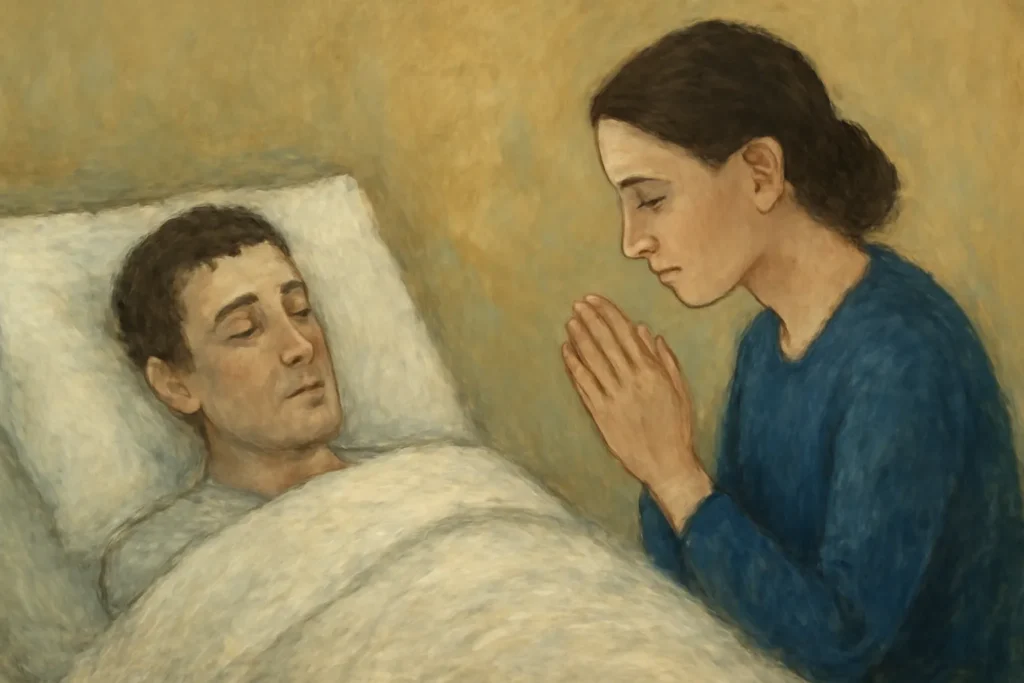
When illness enters life, the simple act of prayer can become a steady anchor for both the person who is sick and those who care for them. Prayer can offer comfort in the face of fear, strength to carry on through difficult days, and a sense of healing that may be physical, emotional, or spiritual. This article explores a wide range of prayer practices designed to support people who are ill, including practical guidance, diverse approaches, and sample prayers. It aims to be inclusive—honoring different faith traditions and recognizing that prayer can take many forms, from formal liturgy to personal reflection, from communal blessing to quiet mindfulness.
Prayer for someone who is ill serves several overlapping purposes. First, it can be a call for comfort—to ease pain, soothe distress, and provide a sense of safety amid medical procedures and uncertainty. Second, prayer can invite strength—not only physical stamina but the emotional resilience to endure treatment, uncertainty, and long recovery. Third, prayer can acknowledge and invite healing—recognizing that healing may be understood in multiple ways: recovery of health, relief from suffering, or a shift in how one experiences illness. Finally, prayer can reaffirm connection—to a higher power, to community, and to one’s own values—nurturing a sense of hope, purpose, and meaning even in painful moments.
Understanding these aims helps caregivers and loved ones prepare prayers that are respectful, compassionate, and aligned with the person’s needs. It also helps remind us that prayer is not a substitute for medical care or professional advice; rather, it supplements medical treatment by addressing emotional, spiritual, and relational dimensions of illness.
Historical and Cultural Perspectives on Prayer for Illness
Across cultures and eras, people have turned to prayer in times of illness. Although forms vary, the underlying intention is often the same: to comfort the afflicted, to enlist support beyond oneself, and to create a sense of peace in the midst of suffering. Consider a few examples:
In many Christian traditions, prayers of intercession ask God to grant healing, courage, and relief from pain, sometimes through the words of liturgy or the cadence of a simple, heartfelt plea.
In Jewish practice, psalms and blessings may be recited for the sick, and the practice of Mi shebeirach (the traditional prayer for healing) invites the community to join in praying for the restoration of health and well-being.
In Islamic culture, duas (supplications) for health, patience, and steadfastness are common, often accompanied by notes of gratitude and submission to God’s plan.
Hindu and Buddhist traditions offer mantras and meditations that cultivate calm, reduce fear, and invite inner peace, sometimes paired with rituals that honor the body’s struggles as part of a larger spiritual journey.
Indigenous and folk traditions often weave oral prayers, blessings, and healing rituals that honor ancestors, nature, and community, emphasizing relational healing and holistic well-being.
These diverse practices show that prayer for illness can be both deeply personal and profoundly communal. The common thread is not a single formula, but a shared aim: to tend to the person who is ill with dignity, care, and presence.
Practical Ways to Pray for Someone Who Is Ill
Effective prayer for illness often blends intentional words with sensitive listening and careful attention to the person’s wishes. The following practical guidelines can help you approach prayer in a thoughtful, respectful way:
Ask about preferences. Before you pray, check what the person would want. Some people welcome prayers aloud, while others prefer quiet meditation or no formal prayers at all. It’s important to honor their beliefs, faith background, and comfort level.
Pray with consent. If you want to open a prayer with the patient, invite them to participate, and be willing to adapt if they decline. A simple, “Would you like me to pray with you now, or would you prefer a moment of quiet?” can be respectful and clear.
Keep prayers focused and brief. In moments of illness, long petitions can feel overwhelming. Short, sincere prayers often carry more warmth and clarity than extended or elaborate requests.
Center on the person’s experience. Tailor your prayers to what the person is feeling—fear, hope, fatigue, pain, or longing for ordinary moments. Language that acknowledges their experience can be deeply comforting.
Include caregivers and medical teams. If appropriate, extend prayers to doctors, nurses, family members, and others who support the ill person. Expressions of gratitude and patience can strengthen relational bonds and resilience.
Avoid pressuring outcomes. Rather than insisting on a specific result, name a range of compassionate possibilities, such as steadiness, relief from suffering, or acceptance of whatever comes next.
In addition to spoken prayers, you can use silent prayers, written prayers, or visual reminders (like a candle or a comforting image) to create space for reflection. Consistency—whether daily or at meaningful moments—helps build a sense of steadiness and ongoing support.
Below are practical examples you can adapt, depending on the person’s beliefs and preferences. The aim is to offer language that is honest, compassionate, and hopeful.
Light a candle and offer a brief intercession for comfort, courage, and relief from pain.
Close your eyes and breathe with the patient, reciting a soft, gentle blessing for peace.
Write a short note to accompany a prayer, expressing your presence and commitment to walking with them through illness.
Variations of Illness Prayer
Prayer can take many forms. The following subsections highlight several approaches—from intercession to personal prayer, from liturgical to secular—that you can adapt to your context. Each variation can be used with individuals or communities, and you may mix methods as needed.
Intercessory prayer names others who are involved in the ill person’s life and asks for help on their behalf. It can foster community and shared hope. A simple template might be:
“May your doctors and nurses have wisdom, may your body find relief from pain, and may you feel the support and care of all who love you.”
Personal or private prayers
Some people prefer intimate, one-on-one expressions of faith or spirituality, whether spoken aloud or kept in the heart. A personal prayer can be as brief as a sentence or a paragraph written in a journal. Examples include:
“May I be present with my fear without letting it overwhelm me, and may love guide my days.”
“Grant me patience, courage, and a small piece of hope today.”
Spoken vs. silent prayers
Some find solace in speaking prayers aloud to name fears and petitions; others find greater calm in silent reflection. Consider alternating between the two, or choosing one method that feels most authentic to your practice and the person you are praying for. A spoken blessing can be followed by a moment of silent listening—allowing the quiet to carry your hopes and questions.
Textual prayers: Psalms, mantras, and sacred readings
Reading a familiar text or repeating a mantra can anchor prayer during illness. For example, a short psalm or blessing may be repeated daily to create continuity and rhythm. Mantras—short, focused phrases—can be repeated slowly to regulate breathing and attention.
Non-religious or secular prayers: affirmations and blessings
Not everyone identifies with a particular faith tradition, but many still find value in words that bless, affirm dignity, and express care. Examples of secular blessings include:
“May you be safe, may you be well, may you be free from unnecessary suffering.”
“May your body heal with grace, may your heart remain hopeful, and may you feel the love that surrounds you.”
Prayers across faith traditions: brief samples
Consider adapting the following brief prayers to your context, respecting the person’s beliefs. Use them as starting points and feel free to modify language to fit the situation.
Christian reflection: “Lord, be with [Name] in this time of illness. Grant comfort to the body, peace to the heart, and strength for the days ahead.”
Muslim supplication: “O Allah, grant healing, patience, and steadfastness to [Name], and ease their pain with Your mercy.”
Jewish blessing: “May the One who heals, heal [Name] with compassion, speedily and in our days.”
Hindu blessing: “May the divine light within [Name] grow brighter, and may their body find balance, strength, and ease.”
Buddhist practice: “May all beings be free from suffering. May [Name] experience calm, clarity, and gentle healing.”
Spiritual but not religious: “May you feel cared for, may you find inner strength, and may healing unfold in its own way and time.”
Prayers for Comfort
The aim of comfort-focused prayers is to ease suffering, reduce fear, and invite a sense of safety. Comfort can be expressed through gentle language, soothing imagery, and compassionate intent. Examples of comfort-oriented prayers include:
Simple blessing: “May you sense comfort in your body, a calm in your heart, and the patience to face today.”
Breathing-focused prayer: “Breathe in peace, breathe out fear. May each breath bring you closer to relief and rest.”
Imagery prayer: “Imagine a warm light surrounding you, a shield of care and peace guarding you from pain.”
Gratitude note: “We thank you for the small mercies, the hands that tend you, and the courage you show in every moment.”
Prayers for Strength
Strength prayers acknowledge the daily endurance required by illness and aim to bolster resilience, patience, and determination. They can be shared aloud with the patient or offered as a personal practice. Sample expressions include:
“Grant me strength for today, and the faith to face tomorrow with courage and grace.”
“Let your spirit steady the body; may your power be made perfect in weakness, and may I rise again with hope.”
“May I find the energy to take one small step forward, one moment at a time.”
Remember that strength is not only physical. It includes courage, endurance, and the emotional stamina to meet uncertainty with steadiness. Encourage the ill person to define what strength looks like for them—sometimes strength is resting, choosing to pause, or asking for help when needed.
Prayers for Healing
Healing-focused prayers acknowledge the ultimate goal of recovery, while being mindful of the many paths healing may take. Healing can be physical, emotional, relational, or spiritual. The following examples offer language that can be adapted to individual beliefs:
“We ask for healing of the body, the mind, and the spirit, in the time and way that is best for [Name].”
“May your body receive the care it needs; may your immune system be supported; may your soul be kept hopeful.”
“May healing come with dignity, and may comfort accompany every step of the journey.”
In addition to direct requests for healing, consider prayers that acknowledge the shared journey—practices that invite the presence of loved ones, healthcare providers, and the larger community into a space of healing together.
Silent, Personal, and Community Prayers
Different settings call for different scales of prayer. You may choose to pray silently at the bedside, voice a personal petition, or gather a community in a public blessing. Each approach has value:
Silent prayer allows deep listening and interior processing, offering a calm center for the person who is ill and for their supporters.
Personal prayer can be a shared family ritual, a private journal entry, or a bedside blessing written for the patient.
Community prayer unites friends, family, and faith communities in a common intention—often providing a powerful sense of belonging and solidarity.
When organizing community prayers, be mindful of respect for privacy, consent, and cultural or religious diversity. A brief, inclusive blessing may be more empowering than a lengthy litany that excludes some participants’ beliefs.
Other Spiritual Practices That Complement Prayer
Prayer often flourishes alongside related practices that support healing and well-being. These can be especially helpful when illness is long-term or emotionally taxing. Consider integrating:
Gratitude journaling to shift attention toward small moments of relief, connection, or beauty each day.
Mindful breathing or meditation to reduce anxiety, lower stress, and improve sleep quality.
Contemplative walking or gentle movement to maintain physical comfort and offer a sense of agency.
Liturgical readings or sacred poetry that resonate with the person’s beliefs or preferences.
Ritual acts of care such as lighting a candle, placing a comforting object near the bed, or a simple blessing card left at the bedside.
Creating a Prayer Routine During Illness
A consistent routine can lend stability and reduce the sense of chaos that illness often brings. Here are steps to establish a gentle, sustainable practice:
Identify a time when the person feels most rested or receptive—morning, after meals, or before sleep.
Choose a format (spoken prayer, silent reflection, reading, or a combination) that aligns with the person’s wishes.
Keep it brief and flexible; you can create a 5-minute ritual or a shorter version for days when energy is low.
Invite participation if appropriate, letting the patient decide whether to join in or observe.
Document preferences so caregivers know what to do when you cannot be present. A simple note can help ensure that the person’s wishes are respected over time.
Review and adjust as healing progresses, pain levels shift, or the person’s spiritual needs evolve.
Writing a Personal Prayer Plan
Some readers will benefit from a concrete plan that can be shared with family or hospital staff. Here is a sample outline you can customize:
Purpose statement: A one-sentence summary of what you hope to achieve in the prayer—comfort, strength, and healing, with reverence for the patient’s agency.
Preface: A note acknowledging the patient’s beliefs and preferences, and requesting consent for prayer or a preferred approach.
Core prayers or readings: A short set of prayers, blessings, or readings chosen to align with the patient’s spiritual background.
Closing intention: A closing line that emphasizes ongoing presence, care, and support for the patient and their caregivers.
Adaptation plan: A list of alternative prayers or practices in case preferences shift.
Conclusion: Holding Space for Illness with Prayer
Prayer, in its many forms, offers a way to hold space for illness—creating a sanctuary of comfort, strength, and healing within the challenging experience of being unwell. It is a practice that honors human vulnerability while also affirming profound care. By listening to the person’s needs, respecting diverse beliefs, and weaving together practical care with spiritual or secular expression, prayer becomes a collaborative act of love and solidarity. Remember that the most powerful prayers are often those spoken with genuineness—whether loud or soft, whether in a hospital room or in the quiet of a private moment.
As you engage in prayer for someone who is ill, let your aim be clear: to accompany them with mercy, to nourish their dignity, and to remind them that they are not alone. In this shared journey, small acts of prayer—whether a whispered blessing, a written note, or a moment of sincere presence—can become a lifeline that sustains the human spirit through the long days of illness and into whatever healing path lies ahead. May your offerings of prayer be welcome, may they bring comfort, strength, and healing, and may they reflect the deep values of love, compassion, and hope that sustain us all.









Leave a Reply