The phrase Christian Last Rites refers to a collection of sacramental and prayerful practices offered to a person who is near the end of life. In many contexts, these rites are also known as the Last Rites, the Anointing of the Sick, or the Extreme Unction (an older term that appears in Catholic liturgical history). Across Christian traditions, the purpose of these rites is to bring grace, forgiveness, healing (spiritual), and readying for eternal life in a moment that may be fearsome or uncertain.
While the exact components and rituals can vary from one denomination to another, the common thread is pastoral care at the threshold of death: to reconcile the dying person to God, to console and strengthen them, and to accompany them with the presence of the church. In Catholic teaching, the sequence often includes Reconciliation (confession), Anointing of the Sick with holy oil, and Eucharist as Viaticum (the “food for the journey”). In other traditions, these elements may be understood differently or may emphasize other liturgical prayers and sacred readings.
For families and caregivers, knowing that these rites exist—what they mean, how they are prayed, and why they matter—can bring both clarity and comfort. This article offers a thoughtful guide to the prayers, meaning, and comfort of the Christian last rites, including variations across traditions, practical guidance for preparation, and sample prayers that can be adapted to your specific faith community.
Core Elements of the Last Rites
Although the exact order and terminology differ, most Christian traditions share several core elements designed to accompany a person as they approach death. Here are the most common components and the spiritual purposes they serve:
Confession or Reconciliation – Acknowledging sins, seeking forgiveness, and restoring right relation with God and the community. In Catholic practice, this is often the first step of the sequence; in other traditions, it may be integrated as a reflective examination of conscience and a prayer for mercy.
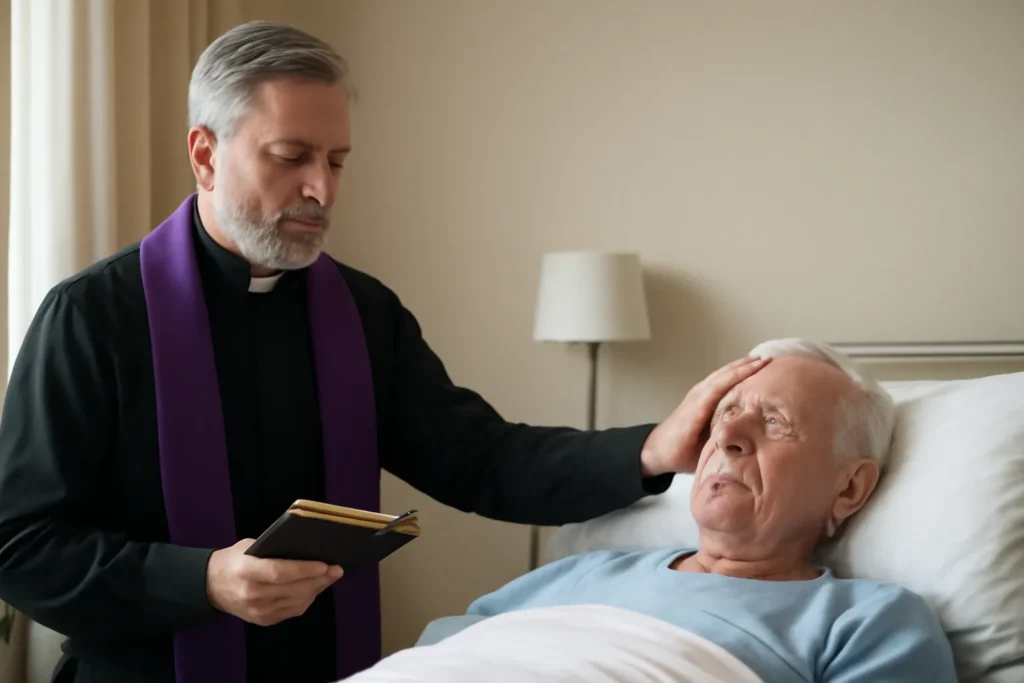
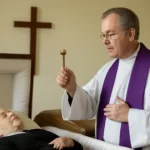
Anointing of the Sick – The laying on of hands and the anointing with sacred oil by a priest or bishop (in some churches, by a priestly or ordained minister). This sign of divine grace strengthens the body, comforts the soul, and expresses the church’s care for the whole person—body, mind, and spirit.
Laying on of Hands and Prayers – A gesture of blessing and a call for the Holy Spirit to come upon the dying person. The accompanying prayers affirm God’s presence, love, and mercy at the final mile of life’s journey.
Eucharist or Holy Communion as Viaticum (where possible) – The reception of the Body and Blood of Christ to nourish the soul on the final leg of the journey. Viaticum emphasizes nourishment for the journey to the Father and the hope of resurrection.
Prayer of Commendation – A formal or informal prayer by family and clergy that entrusts the dying person to the mercy of God and to Christ’s eternal care. It is a prayer of blessing, confidence, and hope, acknowledging that death is not the end but the doorway to life with God.
Scripture Readings and Sacred Music – Readings from the Bible, psalms of comfort and trust, and hymns that offer consolation, perspective on suffering, and the promise of eternal life.
In some traditions, especially within the Roman Catholic Church, these elements are arranged in a formal liturgy with precise prayers and anointings. In others—such as many Lutheran, Anglican, or Orthodox contexts—there is a similar architecture, but with language and ritual details that reflect their unique theological emphases. Regardless of the exact form, the aim remains the same: to present God’s mercy to a person at the end of life and to strengthen the faith community’s witness of hope and compassion.
Below are representative types of prayers you may encounter or use in the context of the last rites. Each kind of prayer serves a different purpose: confession and mercy, nourishment for the journey, blessing, and communal trust in God’s promises. The language can be adapted to align with your tradition’s vocabulary.
Sample Prayer for Confession and Forgiveness
Merciful God, you know the courage and fear that dwell in the human heart. You invite us to bring all our sins into the light of your grace. We confess that we have loved ourselves more than you, and we have failed to love our neighbors as you command. Have mercy on us, forgive our sins, and renew a right spirit within us. Through your Son, Jesus Christ, grant us peace and the hope of your forgiveness. Amen.
Sample Prayer for the Anointing of the Sick
Lord of life, you sent your Spirit to be our comforter and strength. May this anointing with oil be a sign of your healing presence, a reminder that you are with us in illness and in weakness. Grant vitality to those who labor under pain, courage to those who fear, and serenity to the dying. If it is your will, restore health; if not, sustain faith and fill us with your peace that surpasses all understanding. Through Christ our Lord. Amen.
Sample Viaticum Prayer
Jesus, Bread of Life, you call us to your table that we might be fed for the journey. As this holy Communion is offered for the dying, may it nourish the soul and prepare the heart to meet you face to face. May your grace sustain us, may your love console us, and may your promise of eternal life fill us with unwavering hope. Amen.
Sample Prayer of Commendation
Almighty God, you have given us a limited time to share in the great drama of life. We commend to you this dear person, trusting in your mercy and abiding love. Receive them into your arms, forgive their sins, and grant them the fullness of life in your eternal kingdom. May the company of the saints surround them, and may the light of your countenance shine upon them now and forever. Through Christ our Lord. Amen.
Sample Prayer for the Living and the Community
God of mercy, be with the family and friends gathered in support. Give them courage in sorrow, patience in waiting, and strength to witness to your faith. Help us to remember your good gifts, to trust in your promises, and to offer one another comfort as we walk this road together. May our presence be a sign of your love, and may we be instruments of your peace. Amen.
Consider incorporating verses such as Psalm 23, Psalm 91, and John 14 (where Jesus speaks of preparing a place) to frame the prayers with the biblical language of care and eternal life. You can weave these readings into a short, spoken or sung litany that accompanies the rites.
Meaning and Theological Significance
The meaning of the last rites is deeply rooted in Christian conviction about life, sin, grace, and redemption. Several themes recur across traditions and offer comfort to the dying and their loved ones:
Grace and Forgiveness — The confession and anointing emphasize that God’s mercy is greater than human misdeeds. The dying person is invited to receive forgiveness and cleansing, not on the basis of merit but on the basis of Christ’s redemptive work.
Sanctifying Grace — The Holy Spirit is believed to accompany the dying, strengthening faith, hope, and love. This grace may heal in unseen ways, even when physical healing is not possible.
Preparation for Death — The rites help the individual prepare for death as a transition rather than a catastrophe, reframing it as a passage to eternal life with God.
Communion with the Body of Christ — The presence of the community, the priestly ministry, and the celebration of the Eucharist connect the dying person with the larger life of the church, reminding them they are never alone on the journey.
Hope of Resurrection — The prayers look beyond death to the life that God promises. This is a source of profound comfort for families who fear the loss of a loved one and for believers who trust in Christ’s victory over death.
The term Viaticum itself, from the Latin for “food for the journey,” captures the specific purpose of the sacrament of the Eucharist at the end of life. It is not merely a ritual; it is a sign that the soul is nourished for the crossing and that Christ himself is the companion on that final leg.
Comfort and Pastoral Care
Comfort in the context of the last rites arises not from clever words alone but from the embodied presence of the community. Practical pastoral care can help ease fear and loneliness while honoring the dignity of the dying person.
Be present — The simple act of sitting with someone, holding a hand, and listening can be a powerful form of comfort. Silence can be sacred when words fail.
Speak with gentleness — If you offer prayers or scripture readings, do so in a soft, steady voice. Respect the person’s preferred language and tradition.
Respect autonomy — Honor the dying person’s wishes about which rites to receive, which prayers to say, and whether to invite family or friends to participate.
Provide clarity — Explain what will happen, who will administer the anointing, and what the liturgy will include. Clarity reduces fear and helps with consent.
Include loved ones — Encourage family members to participate in short prayers or blessings, if appropriate. The sense of shared faith can be a source of comfort to all present.
Offer practical support — In addition to spiritual care, ensure the patient’s physical needs are met, that medications are managed, and that quiet time and rest are protected.
For caregivers and families, it is often helpful to prepare a simple plan that outlines which elements of the last rites will be included, who will read which passages, and what kind of music or silence is most comforting. A clear plan can reduce anxiety and help everyone participate with reverence and faith.
Variations Across Traditions
While the general goal of offering grace, forgiveness, and comfort is shared, technologies, language, and rituals differ among Christian traditions. Here is a brief overview of how some major Christian families approach the last rites:
Roman Catholic — The typical sequence includes Reconciliation, Anointing of the Sick, and Eucharist (Viaticum), often under the guidance of a priest. The rite is rooted in sacramental theology and often includes set prayers and readings, incense, holy oil (chrism or oil of the sick), and prayers for the dying to depart in peace.
Eastern Orthodox — The Orthodox tradition emphasizes the Sacrament of the Anointing (The Holy Unction) and the importance of a liturgical vigil with scripture, hymns, and the laying on of hands. The emphasis is on the mystery of death and resurrection in Christ, with a strong sense of the Church as a living body.
Anglican / Episcopal — Often called Last Rites or the Anointing of the Sick, these rites may be celebrated with the laying on of hands, oil anointing, confession, and Holy Communion. The language tends to be covenantal and liturgical, drawing on the Book of Common Prayer or modern liturgical alternatives.
Lutheran — Lutherans may include confession, anointing with oil, prayers, and the reception of the Sacrament. The emphasis is on God’s grace through faith, forgiveness, and the hope of resurrection in Christ.
Methodist / Presbyterian / Reformed — In many Protestant denominations, “last rites” can be more flexible and pastoral. They often include a service of devotion, scripture readings, prayers for comfort and forgiveness, and, where possible, the sacramental presence of the Lord’s Supper or a shared blessing.
Non-denominational Christian communities — Practices vary widely, but the core aim is similar: to bring God’s presence to the dying person through prayer, scripture, and sacramental moments when available, focusing on comfort, forgiveness, and hope.
Regardless of tradition, the core message remains consistent: God’s love endures beyond death, and the Christian community stands with the dying person and their family in faith, hope, and charity.
If you are preparing to participate in or arrange the last rites, several practical steps can help ensure the moment is meaningful and respectful:
Consult a clergy member early — Reach out to a priest, pastor, or bishop to confirm which rites are appropriate for your tradition and the person’s health status.
Clarify the person’s wishes — If possible, discuss preferences for confession, oil anointing, the Eucharist, and which prayers should be offered.
Gather a small, supportive circle — A quiet group of trusted family and friends can comfort the person and participate in prayers or readings without overwhelming the bedside.
Prepare readings and prayers in advance — Have a short list of scriptures, psalms, or prayers that resonate with the dying person’s life and faith tradition.
Respect liturgical norms — If you are in a church community with a formal liturgy, try to preserve the integrity of the rite while adapting it to the individual’s needs, or consider a simpler, more personal form if appropriate.
Create a peaceful environment — Dim lighting, quiet music, comfortable seating, and a sense of calm can help the person feel safe and loved during the rites.
For families who find themselves navigating uncertainty, remember that the presence of love and faith is a powerful form of prayer in itself. Even when words fail, your steadfast companionship communicates the truth of God’s care.
Sample Variations and Guidance for Semantics
To broaden semantic breadth and support various readerships, this section offers variations on naming and describing the core ideas behind the last rites. You may encounter terms such as final rites, deathbed prayers, prayers for the dying, the sacrament of the sick at the end of life, and the commended death prayers. Each phrasing points to a similar spiritual orientation: God’s mercy, the church’s care, and the hope of resurrection.
Final rites often emphasizes the closing chapter of earthly life and the church’s blessing as someone completes their pilgrimage.
Deathbed prayers highlight the intimate, at-the-bedside form of prayer that is deeply personal and pastoral.
Prayers for the dying can be inclusive, encompassing confession, mercy, and preparation for meeting the divine Judge with confidence.
Sacrament of the Sick at the end of life underscores the sacramental nature of God’s grace even at the moment of death, with emphasis on healing as spiritual nourishment and reconciliation.
Commendation prayers focus on entrusting the beloved to God’s care and affirming the hope of eternal life.
Conclusion: Holding Hope in the Final Hours
Christian Last Rites remind us that the dying belong not to loneliness or despair but to a living faith that spans life and death. The prayers, sacraments, and communal presence offered during these rites are a gift: a way to name fear, to ask for mercy, to receive nourishment for the journey, and to look toward the resurrection. Whether one adheres to Catholic, Orthodox, Anglican, or Protestant understandings, the essential message is the same: God loves us beyond the limits of this life, and the Church accompanies us as we pass from this world into the life God promises.
If you are preparing to participate in or receive the last rites, take heart: you are participating in a long, sacred tradition of care and hopeful faith. And if you are supporting a loved one, remember that your presence can be a powerful form of prayer in itself. The comfort offered in these moments is not merely consolation; it is an invitation to savor the peace that comes from belonging to a God who holds all things together in love.






Leave a Reply