AED for Churches: The Essential Guide to Cardiac Emergency Readiness
AED for Churches: The Essential Guide to Cardiac Emergency Readiness
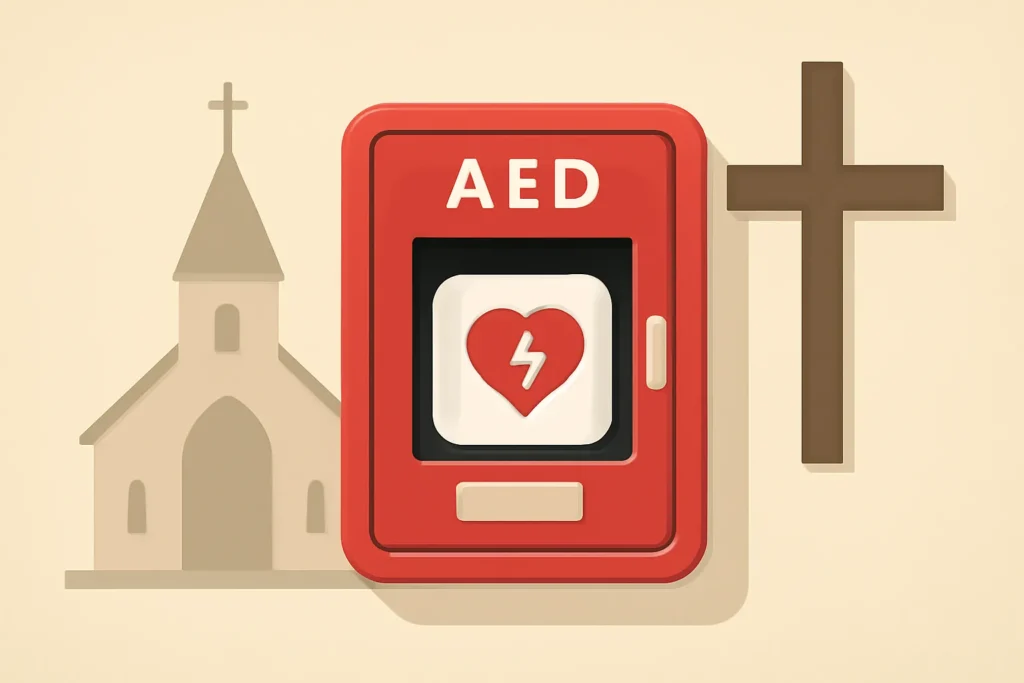
Cardiac emergencies can happen anywhere, including houses of worship. For churches and faith communities, where large groups gather for worship, weddings, funerals, outreach, and social events, having an AED (automated external defibrillator) is a vital component of safety and emergency readiness. This article offers an in-depth, practical guide to implementing and sustaining an AED program for churches, sometimes described as a congregational AED program, a church defibrillator initiative, or more broadly as cardiac emergency readiness in congregations. The goal is simple: empower staff, volunteers, and members to respond quickly and confidently when a cardiac event occurs, increasing the chances of survival and recovery.
Public places with high foot traffic and diverse age groups present unique opportunities and risks. Churches often host elderly attendees, families with children, event-goers, and volunteers who are not trained medical personnel. An AED for churches is not a replacement for professional help; it is a bridge to faster care. The combination of early recognition, prompt CPR, and rapid access to defibrillation significantly improves survival rates for cardiac arrest.
Increased reach of the chain of survival: Early recognition, early CPR, rapid use of an AED, and timely medical response deliver the best chance of positive outcomes.
Accessibility during multiple events: Services, conferences, weddings, concerts, and charity drives all create moments when a cardiac event could happen.
Community resilience: A church AED program builds a culture of safety and preparedness that extends beyond worship spaces to classrooms, fellowship halls, and parking lots.
What is an AED and how does it work in a church setting?
An AED is a portable device that analyzes a person’s heart rhythm and, if necessary, delivers an electrical shock to restore a normal rhythm. The device provides voice prompts and step-by-step guidance, making it usable by trained and untrained bystanders alike. In a church setting, the device is often stored in a clearly marked cabinet near the main entrance, in the administrative office, or in a dedicated safety closet that is easily accessible during services and events.
Key capabilities of modern AEDs
Most modern defibrillators are designed for layperson use. They typically include:
Automated rhythm analysis to determine whether a shock is advised
Voice prompts that guide the user through steps like checking responsiveness, calling emergency services, and applying pads
Adult and pediatric modes to accommodate children and adults with appropriate pads
Self-tests and battery/pad status indicators to simplify maintenance
Legal and ethical considerations for church AED programs
Before purchasing or deploying an AED for churches, it’s important to understand the legal framework that supports bystander response and protects volunteers who help during emergencies. In many regions, laws provide Good Samaritan protections, shielding well-intentioned responders from liability if they act in good faith during a crisis. Churches should also align with local regulatory requirements regarding device maintenance, signage, and accessibility.
Good Samaritan protections: These laws vary by jurisdiction but often encourage bystander intervention without fear of civil liability when the responder acts responsibly and within training.
Mandatory maintenance rules: Some areas require periodical checks of AEDs, battery/pad replacements, and documentation of inspections.
Signage and accessibility requirements: Devices should be visible and accessible, with clear instructions and, in some places, restricted access to protect the equipment from tampering.
Working with local authorities, EMS agencies, and insurance providers can help a church understand the specific obligations in their locale. It is also prudent to include in church policies a provision that names responsible parties for readiness, training, and incident reporting.
Building a church AED program: leadership, policy, and governance
Creating a sustainable AED program for churches requires thoughtful governance. A formal program helps ensure that the device remains ready, that volunteers know how to respond, and that the congregation understands the commitment to safety.
Leadership roles and responsibilities
Program sponsor: A senior leader (such as the senior pastor or a church administrator) who provides oversight, approves budget, and champions safety.
Program coordinator: A designated staff member or volunteer who handles procurement, maintenance, training coordination, and drills.
Response team: A roster of trained individuals who volunteer to respond to emergencies, operate the AED, and perform CPR as needed.
Medical advisory liaison: A connection to local EMS or a medical professional who can advise on best practices and help with incident reviews.
Policy development and documentation
Develop clear policies that address:
Procurement and device selection
Storage, access, and security
Training requirements and recertification cadence
Regular drills and performance reviews
Maintenance schedules, pad/battery replacement procedures, and inventory control
Incident reporting, debrief, and psychological support for responders
Training and ongoing readiness
Training is the backbone of a successful AED program for churches. It ensures that when a cardiac emergency occurs, people respond quickly and confidently. Training should cover both CPR and AED operation, with a mix of in-person and practice-based learning.
CPR and AED certification cadence
Most churches require at least:
CPR certification (adult and child if applicable) with hands-on practice
AED operation training integrated into CPR courses
Recertification every two years (or per the training provider’s guidelines)
Consider offering annual or bi-annual refresher sessions and incorporating real-world scenarios to reinforce decision-making under pressure. If the church hosts youth groups or children’s ministries, ensure that trained staff are prepared to respond in a way that protects privacy and safety while facilitating efficient care.
Drills, simulations, and real-world readiness
Regular drills help normalize the emergency response and remove hesitation. Drills can be scheduled quarterly or semi-annually and may include:
Simulated cardiac emergencies with a pretend device and CPR practice
Walk-throughs of alarm and call-routing procedures to EMS
Pathways for access to the AED during rushes of people and during large events
After-action reviews should be conducted for every drill and real incident, focusing on what went well, what could be improved, and any equipment or policy gaps that need addressing.
Equipment choices and procurement considerations
Choosing the right AED for churches depends on several factors, including budget, device reliability, maintenance needs, and the church’s layout and event schedule. Here are key considerations to guide procurement.
Monitored versus semi-automatic devices: Most church programs favor user-friendly, fully automatic models that prompt you to push a button when a shock is advised.
Pad sets: Pediatric pads are essential if children frequently attend events; ensure the device supports pediatric mode or has pediatric pads.
Battery life and pad expiration: Batteries and pads have expiration dates and require replacement. Plan for automatic reminders and inventory checks.
Voice prompts and multilingual options: Clear guidance in the primary languages of your community can improve response effectiveness.
Durability and maintenance: Look for devices with robust housings, simple self-checks, and remote status monitoring when possible.
Where to buy and what to ask vendors
When selecting a vendor, churches should ask about:
Warranty terms and uptime guarantees
Included training materials and on-site training options
Maintenance support, pad/battery replacement programs, and service contracts
Accessibility options (cabinet alarms, key access, or staff-only storage) and signage requirements
Case studies or references from other faith communities
Placement, accessibility, and signage
Strategic placement ensures the AED for churches can be reached quickly, especially during peak events. Consider the following best practices for placement and visibility.
Central, clearly marked location near main gathering areas (nave, fellowship hall, or lobby) so it is quickly reachable by bystanders.
Access and security: Ensure the cabinet or case is securely mounted but accessible to trained responders at all times during services and events.
Transparent signage: Use high-contrast, easy-to-read signs showing the device location in multiple languages if needed.
Visibility of operation: Keep the area free of obstructions, with adequate space for people to stand and operate the device if needed.
Venue-specific placement: For outdoor events or large campuses, consider additional devices or mobile carts for rapid deployment.
Maintenance, inventory, and compliance
Maintenance is often the most overlooked aspect of an AED program, yet it is essential for readiness. A robust maintenance plan helps ensure the device is always ready to use.
Maintenance checklist essentials
Monthly self-checks of device status, battery level, and pad expiry indications
Pad and battery replacements scheduled before expiration dates
Cleaning and mounting checks to ensure the device is clean, dry, and properly mounted
Documentation of inspections, replacements, and any incidents or drills
Signage integrity to confirm that location signs remain visible and legible
Record-keeping and audits
Maintain a log that includes:
Device serial numbers, locations, and access procedures
Maintenance dates, pad/battery lots, and expiration dates
Training dates, attendee lists, and recertification details
Incident reports and post-incident reviews
Periodic internal audits help verify compliance with policies and ensure the readiness of the entire system. These records are also useful for insurance audits and communicating safety improvements to the congregation.
Funding, partnerships, and sustainability
AED programs for churches require initial funding and ongoing support. Churches can pursue multiple avenues to finance equipment, training, and maintenance.
Church budget and annual giving: Allocate funds specifically for safety equipment and training, treating it as a recurring line item.
Grants and foundations: Explore grants from health organizations, public health departments, and faith-based funds that support community safety initiatives.
Donations and sponsorships: Encourage congregational members or local businesses to sponsor an AED or fund maintenance.
Partnerships with hospitals or EMS: Local healthcare facilities may offer training, equipment discounts, or loaner devices as part of community outreach.
Volunteer-driven initiatives: Leverage volunteers' time for maintenance checks, drills, and awareness campaigns to reduce ongoing costs.
Beyond the equipment itself, consider underwriting broader safety initiatives in the church, including first-aid kits, emergency communication plans, and volunteer health training. A comprehensive approach enhances overall readiness and fosters trust in the church’s commitment to community well-being.
Special considerations for worship settings and events
Religious gatherings come with unique dynamics, including acoustics, crowd flow, and the presence of children, elders, and people with special needs. A thoughtful approach to cardiac emergency readiness in congregations acknowledges these realities.
Event-specific risk assessments: Large events (concerts, picnics, conferences) may require additional AEDs or more staff trained in CPR/AED response.
Child and vulnerable adult considerations: Ensure pediatric defibrillator pads are available and staff are trained to respond appropriately when minors are involved.
Worship space and acoustics: In a reverberant environment, verbal cues may be less clear; the device’s prompts and team coordination become even more critical.
Privacy and dignity: When a cardiac event occurs, respond with sensitivity, ensuring privacy for the individual and family while facilitating swift care.
Communication with the congregation: Establish a plan for notifying attendees about a medical emergency, preserving confidentiality while coordinating safety efforts.
After a cardiac event: response, reporting, and support
When an AED is used, the church’s response doesn’t end with the device’s first use. A structured post-incident process supports the patient, responders, and the church community.
Coordinate with EMS: Ensure EMS is on the way and communicate any information available from the event, including the time of collapse, symptoms observed, and the device used.
Medical follow-up: If possible, obtain feedback from healthcare professionals about the patient’s status and any required documentation or care steps for the congregation.
Support for responders: Debrief with responders, offer psychological support if needed, and acknowledge the courage and service of those who helped.
Review and revise procedures: Use insights from the incident to update training, equipment placement, and maintenance schedules.
In some cases, the patient’s family may seek information about the church’s emergency response. It’s important to balance transparency with privacy and protect confidential medical information while communicating the church’s safety efforts and lessons learned.
Creating a sustainable, adaptive program
A sustainable AED program for churches is built on ongoing education, community engagement, and continuous improvement. The following practices help ensure longevity and effectiveness:
Community involvement: Encourage volunteers from different ministries (ushers, greeters, youth leaders, trustees) to participate in training and drills.
Periodic reassessment: Revisit device options, signage, and placement as the church grows or changes its campus layout.
Clear communication channels: Maintain updated contact lists for safety volunteers, medical advisors, and emergency contacts within the congregation.
Engaging the broader community: Offer CPR/AED workshops to parishioners and neighboring community members as part of outreach efforts.
Integration with overall safety plan: Align AED procedures with broader safety policies, including fire safety, disaster preparedness, and evacuation planning.
Common myths and practical realities
As with any safety program, there are misconceptions about AEDs that can hinder implementation. Here are some practical clarifications to help churches move forward with confidence.
Myth: “AEDs are too complicated for laypeople.” Reality: Modern AEDs are designed to be intuitive, with clear voice prompts guiding users through every step, including calling emergency services and applying pads.
Myth: “We don’t have enough staff for training.” Reality: CPR/AED training can be effectively delivered to volunteers in small, focused sessions. A few trained leaders can enable a larger number of people to respond confidently.
Myth: “AEDs aren’t needed in smaller churches.” Reality: Cardiac events can occur anywhere, and a single well-placed AED can save a life regardless of congregation size.
Myth: “We’ll buy one device because it’s sufficient.” Reality: Depending on the campus layout and event volume, more than one AED may be prudent, especially for large campuses or multi-building facilities.
Putting it all together: a practical action plan for churches
To translate this guide into reality, churches can follow a phased action plan. Below is a practical roadmap to establish or strengthen an AED program for churches.
Assemble a leadership team: Choose a program sponsor, a coordinator, and volunteers to form the core team.
Assess campus needs: Map gathering areas, offices, classrooms, and outdoor spaces to determine optimal AED locations and the number of devices required.
Choose the device and procurement plan: Select an AED model that suits your community’s needs, budget, and maintenance plan. Decide whether to purchase outright or through a fundraising campaign or grant.
Develop policies and procedures: Draft policies for placement, maintenance, training, drills, incident reporting, and privacy considerations.
Implement training and drills: Schedule initial CPR/AED certification and follow up with regular drills to reinforce readiness.
Establish maintenance routines: Create a monthly check system, track expiration dates, and set up renewal reminders for pads and batteries.
Engage the congregation: Communicate the program’s purpose, how to locate devices, and how to participate in training and safety events.
Evaluate and adapt: After drills or real events, review outcomes and update plans as needed.
Conclusion: embracing a culture of care and readiness
In a faith community, the promise to care for one another is expressed not only through sermons and service projects but also through practical safety measures. An effective AED program for churches is a tangible expression of this commitment. It reflects deliberate planning, investment in training, and a shared responsibility to safeguard the health and well-being of everyone who enters the building—staff, members, volunteers, and visitors alike. By embracing a comprehensive approach to cardiac emergency readiness, churches become not only spiritual homes but also resilient centers of care that can respond with competence when seconds matter most.
As you consider implementing an AED for churches, remember that the goal is to create a safer environment and to empower your community to act decisively in the face of a cardiac emergency. With thoughtful leadership, a clear program structure, accessible equipment, regular training, and ongoing maintenance, a faith community can provide life-saving support that aligns with its mission of compassion, service, and community stewardship.









Leave a Reply