Baptism Classes for Parents: How to Prepare for Your Child's Baptism
Baptism Classes for Parents: How to Prepare for Your Child's Baptism
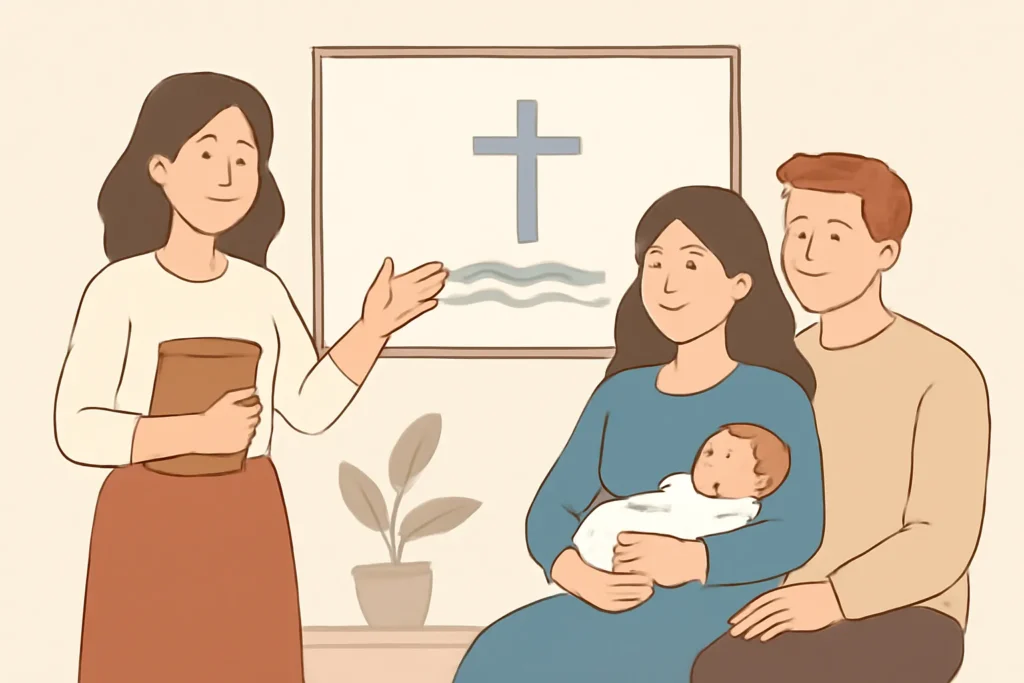
Preparing for your child’s baptism is a meaningful milestone for families. When you enroll in baptism classes for parents, you gain insights, guidance, and practical steps that help you approach the sacrament with confidence, clarity, and reverence. This comprehensive guide explores why these programs exist, what you can expect, how to choose the right program for your family, and how to make the most of the experience. Whether you are looking for infant baptism preparation or child baptism readiness courses, the goal remains the same: to prepare parents to support their child’s faith journey from day one.
Baptism classes for parents, also known as baptism preparation programs, are structured experiences offered by churches or faith communities to equip families with the theological, liturgical, and practical knowledge needed for the baptism of a child. These sessions are typically designed for moms, dads, and guardians who will play an active role in the child’s spiritual life. The format can vary—from in-person workshops to online modules or hybrid sessions—but the core purpose is consistent: to educate, equip, and encourage families as they welcome a child into the faith community.
Different churches may use variations of the same concept, including terms like parent-focused baptism classes, baptism training for families, baptism readiness seminars, or infant baptism preparation. Regardless of the label, the essential elements tend to be similar: an overview of baptism’s meaning, an explanation of the church’s rite, guidance on selecting godparents or sponsors, and practical steps to prepare for the ceremony and the months that follow.
Why participate in baptism classes for parents?
Clarity about the meaning of baptism within your tradition, including its spiritual significance and its place in your family’s faith journey.
Understanding the rites and the liturgy surrounding the ceremony, so you can participate with confidence and reverence.
Practical guidance on scheduling, godparent requirements, documentation, and the logistics of the day.
Formation for parenting in faith—ideas, activities, and resources to nurture religious formation in your home beyond the baptism day.
Community connection with other families who are at a similar life stage, creating a support network for spiritual growth.
Key topics typically covered in baptism preparation courses
Theological foundations
Most baptism classes for parents begin with a recap of what baptism represents within the faith tradition. Topics may include the nature of the sacrament, the symbolism of water, and the promises families are invited to make or reaffirm. Attendees learn how baptism relates to grace, faith, and the child’s future catechesis. For some traditions, this section also addresses the role of faith in the child’s life, the concept of original sin, and the community’s commitment to nurture a child’s faith.
Liturgical details
Participants explore the practical elements of the rite—the order of service, the use of oil (where applicable), the role of the godparents or sponsors, and the responsibilities of the parents during the ceremony. This portion helps families understand what will happen during the rite and how to participate with a sense of reverence and gratitude.
Godparents and sponsors
Because the role of the godparents or sponsors is central to many baptism rituals, classes devote time to explaining eligibility, responsibilities, and expectations. Families often discuss questions such as: Who can be a sponsor? What is required of a sponsor in this tradition? How should sponsors support the child’s faith formation after the baptism?
Practical topics commonly covered include choosing a date for the baptism, what documents are needed (proof of attendance at classes, baptismal certificates, sponsor forms), and any fees or donations associated with the ceremony. Sessions may also address scheduling around holidays, travel plans for family members, and contingency plans for emergency changes.
Family faith formation after baptism
Many programs emphasize that baptism is not a one-time event but the beginning of a lifelong faith journey. Expect to encounter ideas for ongoing catechesis, at-home faith practices, and church involvement that help your child grow in faith as they mature. Resources might include family devotion guides, children’s Bible stories, parent-focused discussion questions, and suggestions for annual milestones tied to the liturgical calendar.
How to choose the right baptism class for your family
Denominational alignment — ensure the program aligns with your church’s tradition (Catholic, Orthodox, Protestant, or another Christian community) and its particular theological emphases.
Format and accessibility — consider in-person vs. online options, single-session workshops vs. multi-session curricula, and evening or weekend availability to fit your family’s schedule.
Duration and pacing — some programs compress essential information into a 60–90 minute session, while others span several weeks with deeper exploration.
Language and inclusivity — look for programs offered in your preferred language and one that welcomes diverse family structures and backgrounds.
Credentialed instructors — classes led by pastors, catechists, or trained lay leaders with a clear understanding of the tradition can enrich the experience.
Follow-up resources — availability of take-home materials, online access to recordings, or ongoing parish programs that support continued formation.
When evaluating options, speak with church staff or volunteers, read program descriptions, and, if possible, attend an introductory session. Ask about the expectations for families who participate, including any commitments after the baptism day. The best program for your family is one that respects your beliefs, fits your schedule, and supports your faith goals for your child.
What to expect in a typical baptism preparation class
Structured sessions with a clear agenda, including teaching segments, reflective time, and opportunities to ask questions.
Interactive activities such as small-group discussions, scenario-based exercises, and role-play related to family faith practices.
Printed and digital resources—handouts, reading lists, parent guides, prayer templates, and suggested devotional activities for home use.
Assignments and reflections—some programs include brief reflections or light assignments to reinforce learning between sessions.
Community connection—a chance to meet other families who are preparing for baptism and to build mutual support networks.
While the specifics vary, most programs share the aim of helping parents feel prepared to participate meaningfully in the baptism rite and to begin fostering a faith-filled home life. If you are more comfortable with a self-paced approach, inquire about home-study baptism courses or virtual modules that you can complete on your own schedule.
What to bring and how to prepare for the class
Identification and documents—bring any required birth certificates, parent IDs, and sponsor or godparent information if requested by your church.
Questions—prepare a short list of questions about the ceremony, expectations of godparents, and any cultural or family considerations.
Calendars—have a calendar handy to schedule the baptism date and to plan post-baptism catechesis or family events.
Openness to discussion—come ready to engage in dialogue with instructors and other families; baptism classes thrive on shared experiences and curiosity.
Some families also find it helpful to discuss expectations with their spouse or partner beforehand, to align on the spiritual goals for their child and to agree on how they will nurture faith in the home after the ceremony.
Preparing for godparents or sponsors: a practical guide
For many traditions, the role of godparents or sponsors is a central element of the baptism. Classes frequently include guidance about selecting appropriate sponsors and meeting their responsibilities. Here are practical steps to prepare for this important decision:
Clarify requirements—understand the church’s criteria for sponsors, such as age, baptism status, and faith commitments.
Consult potential sponsors—discuss the role with prospective sponsors early in the process to ensure they are willing and able to participate in your child’s spiritual life.
Provide information—share expectations about sponsor duties, including attending the baptism, participating in future catechesis, and supporting the family in faith formation.
Submit forms on time—complete any sponsor declaration forms or letters required by the church well before the baptism date.
Remember that the sponsor’s commitment is a community promise to support the child’s faith journey. The baptism class discussion often helps families articulate what kind of Sponsorship will best serve the child and the family in the years ahead.
After the baptism: continuing faith formation
Many programs emphasize that baptism marks the beginning of a lifelong journey rather than the culmination of faith formation. To make the most of this milestone, consider the following steps:
Create a home faith routine—short daily or weekly practices (prayer, Scripture reading, bedtime blessings) that reinforce the message of baptism in everyday life.
Engage in parish life—participate in faith formation offerings, children's liturgy, family nights, or outreach activities that align with your family’s abilities.
Schedule ongoing catechesis—look for adult or family catechesis classes, sacramental preparation tracks, or age-appropriate faith formation opportunities for your child.
Document milestones—keep a baptism scrapbook or digital album that records prayers, readings, and meaningful moments tied to your child’s faith journey.
Churches often provide resources for families, including devotionals, parent groups, and seasonal programming tied to the liturgical calendar. Taking advantage of these offerings helps integrate faith into daily life and supports sustained spiritual growth for the child.
Common variations in baptism class formats
Because churches differ in tradition and practice, you may encounter a variety of formats under the umbrella of baptism classes for parents. Some of the common variants include:
Infant baptism preparation focused specifically on preparing parents for infant baptism, including infant-care considerations and family blessing prayers.
Family baptism workshops that bring siblings into the learning environment and encourage family participation in the rite and in faith formation.
Online baptism education—web-based modules or streaming sessions that parents can complete at home, often paired with virtual Q&A sessions.
Multi-session catechesis spanning several weeks to cover theology, liturgy, and practical steps in-depth.
Single-session orientation—a concise overview for families who want a quick but thorough introduction to the baptism rite and responsibilities.
Regardless of format, the best program is one that respects your beliefs, helps you grow as a family of faith, and provides clear, actionable guidance for your child’s baptism day and beyond.
Should you attend baptism classes for parents if you are exploring infant baptism?
Even if you are new to the faith tradition or are in the early stages of exploring infant baptism, participating in baptism preparation for parents can be valuable. Early exposure to the church’s understanding of baptism can inform decisions and help you prepare for meaningful conversations with pastors, sponsors, and family members. The program can also help you discern how you wish to raise your child in the faith, what commitments you are prepared to undertake, and what kind of faith community you would like to be part of as your child grows.
Tips for first-time participants: making the most of the experience
Arrive prepared with any required documents and a list of questions you want to ask.
Be open and reflective—these sessions are as much about personal growth and family formation as they are about the ceremony itself.
Engage with other families—building community can provide ongoing support as you navigate faith formation together.
Take notes—record key dates, sponsor requirements, and any commitments you’ve made for post-baptism faith formation.
Follow up—if you have additional questions after the class, don’t hesitate to reach out to the instructors or church staff.
Frequently asked questions about baptism classes for parents
What is the main goal of baptism classes for parents?
The main goal is to prepare families for the baptism ceremony and to provide guidance for ongoing faith formation within the home and church community.
Who should attend?
Typically both parents or legal guardians, and often godparents or sponsors, depending on the tradition and the specific program.
How long do these classes last?
Duration varies widely—from a single 60–90 minute session to multiple weeks with longer sessions. Check with your local church for the exact format.
Are these classes required?
Some traditions require completion of baptism preparation as a prerequisite to the ceremony, while others encourage participation as a recommended step.
Can I attend if I am not part of the church community?
Many churches welcome guests or new families to explore baptism preparation, though some programs may be restricted to registered members or those currently participating in parish life.
Practical checklist: preparing now for your child’s baptism
Identify the church where you want the baptism to take place and confirm the availability of a baptism preparation program.
Register early to secure a spot, especially in popular parishes or during peak seasons.
Gather sponsor information and ensure sponsors meet the church’s requirements before the class begins.
Coordinate with family—involve close family members in the planning and share your intentions for faith formation in the home.
Set expectations with your partner about how you will nurture faith after the baptism.
Conclusion: embracing the journey of baptism preparation
Participating in baptism classes for parents is more than a procedural step—it is a deliberate choice to integrate faith into your family’s daily life. By understanding the theological meaning of baptism, learning about the rite, preparing for sponsor commitments, and planning for ongoing faith formation, you lay a solid foundation for your child’s spiritual growth. The process invites you to reflect on your own beliefs, to engage with a supportive faith community, and to commit to stewarding your child’s faith journey with intentionality and love. Whether you describe the program as infant baptism preparation, baptism readiness training, or family baptism education, the ultimate aim remains the same: to welcome your child into the life of faith with confidence, joy, and reverence.
If you are preparing for your child’s baptism now, consider reaching out to your local church to inquire about upcoming baptism classes for parents, available formats, and how you can participate. You do not have to navigate this journey alone—your faith community can be a steady companion as you embark on this meaningful chapter in your family’s life.








Leave a Reply