Introduction: Why a Baptism Readiness Class Matters for Families
Baptism is a defining moment in the life of a family and a congregation. It marks a commitment,
a welcome into a faith community, and a public declaration of faith for many believers. For
families, the journey toward baptism is not simply a single ceremony; it is a process of
formation, learning, and shared preparation. A baptism preparation class or baptism education program provides the context, guidance, and practical
resources needed to approach this milestone with clarity and reverence.
In this practical guide, you will discover how a baptism readiness course can
support parents, guardians, and sponsors as they discern faith, articulate their beliefs,
and commit to a lifelong practice of nurture and worship. Whether your tradition emphasizes
infant baptism, believer’s baptism, or a parent-led initiation, the preparation experience
should be accessible, inclusive, and educational—not merely ceremonial. This article outlines
how to approach the process, what to expect from a program, and how families can engage in a
meaningful way that extends well beyond the day of baptism.
What is a Baptism Preparation Class?
A baptism preparation class is an organized educational experience offered by
churches or faith communities to help families understand the theological meaning of baptism,
clarify the responsibilities of parents and sponsors, and prepare participants for the practical
and liturgical aspects of the baptism ceremony. Depending on the tradition, the class may be
labeled as a baptism prep, a baptism education program, or a baptism readiness course.
The goals of these programs generally include:
Clarifying beliefs and the church’s understanding of baptism and its meaning within a life of faith.
Equipping families with practical knowledge about the baptism service, including what will happen during the ceremony and how to participate.
Building community by connecting families with sponsors, godparents, and fellow participants.
Fostering spiritual formation through direction on prayer, scripture reading, and household faith practices.
Discussing responsibilities such as parenting in faith, ongoing church involvement, and commitment to spiritual growth.
Key components typically included in the curriculum
Overview of baptismal theology and the church’s stance on infant baptism vs. believer’s baptism.
Explanation of godparents or sponsors, their role, and how to select appropriate partners.
Guidance on liturgical elements of the baptism ceremony, including water symbolism and vows.
Discussion of family worship practices, devotions, and daily rhythms that reinforce faith at home.
Practical planning for the baptism day, including logistics, attire, and pastoral support.
Benefits of a Baptism Readiness Program for Families
Participating in a well-structured baptism preparation class yields benefits that go
beyond the ceremony itself. Families often experience greater confidence, a clearer sense of
purpose, and a supportive community that can accompany them through the early years of faith
formation.
Clarity and expectations: Families learn what is required, what is optional, and what the church expects. This helps prevent misunderstandings and builds trust between parents, sponsors, and church leaders.
Faith formation at home: The curriculum typically includes practical family devotions, Bible readings, and prayers that families can use between sessions and long after the ceremony.
Support networks: Participants connect with other families, sponsors, and church staff, creating a network of encouragement and accountability.
Pastoral guidance: Instructors and mentors provide individualized advice, addressing questions about faith, spirituality, and community life.
Liturgical literacy: Families gain familiarity with the language and rituals of worship, which enhances participation and reverence during the baptism service.
When to Start: Timing Considerations for Baptism Preparation
Timing for beginning a baptism preparation class varies by tradition, the age of the child, and
the schedule of the local church. Some families may begin well in advance of the baptism date,
while others join a shorter, accelerated program closer to the ceremony. Here are general
considerations to guide your planning.
Infant baptism typically requires planning several weeks to months ahead to allow for multiple sessions, sponsor conversations, and a thorough understanding of the commitments involved.
Believer’s baptism often occurs after a period of catechesis or confirmation preparation, which might take a few weeks to a few months depending on the denominational standards.
For families who are new to the church, enrolling in a family faith formation track that includes baptism preparation alongside broader spiritual formation can be beneficial.
Early communication with the pastor, catechist, or baptism coordinator helps ensure a smooth schedule that accommodates family needs (work, school, caregiving responsibilities).
Curriculum Overview: What Is Typically Covered in a Baptism Readiness Course
A robust program balances theology, liturgy, and practical guidance. While each church may tailor its
content to its own tradition, most quality baptism education programs include the
following core areas.
Core topics
The meaning of baptism in the Christian faith, including symbolism, cleansing, regeneration, and new life.
The role of faith in parenting and the responsibility of nurturing a child’s spiritual life.
The relationship between baptism and church membership, and what it means to participate in a faith community.
Godparents and sponsors: their vows, commitments, and supportive role in spiritual development.
Community and worship: how baptism fits into regular church life, worship, and sacramental rhythm.
Spiritual formation and practical guidance
Home devotion practices such as daily prayers, Scripture reading, and faith-based conversations with children.
Discipleship and service: introducing children to acts of love, charity, and church life as everyday faith practice.
Ethical foundations and moral formation in a family’s routine and decisions.
Pastoral care: how to access support from clergy, mentors, and church leaders during and after baptism.
Godparents and sponsors
Roles and responsibilities in spiritual guidance, attendance at milestone events, and ongoing support.
Choosing wisely with criteria such as faith consistency, proximity, and a capacity for mentoring.
Legal and canonical considerations (as applicable): some traditions require sponsor statements or eligibility criteria.
Logistics and ceremony planning
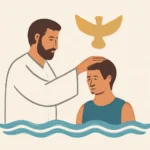
Water symbolism, mode of baptism (immersion, pouring, or sprinkling) as dictated by tradition.
Attire, photographs, and reception plans associated with the baptism event.
Communion and reception aftercare, if included in the church’s practice.
Record-keeping: baptism certificates, church rolls, and family contact information for future milestones.
Practical Tips for Families Preparing for Baptism
The preparation period should be a time of growth, dialogue, and intentional faith practice. Here are
practical steps families can take to maximize the value of a baptism preparation class, whether
you are participating in an baptism prep course at a local church, engaging in an infant baptism readiness program, or pursuing a baptism education track through a faith community.
Ask questions early: Do not hesitate to bring up concerns about beliefs, practicalities, or the role of godparents.
Involve the family: Include older children or teens in age-appropriate discussions so everyone understands the meaning of baptism.
Engage sponsors: Hold separate conversations with godparents to align expectations, boundaries, and the practicalities of their role.
Plan a home devotion routine: Start a simple daily or weekly practice such as a short family prayer, a scripture reading, or a blessing ritual at meals.
Document your journey: Keep notes or a simple journal about what you learn, questions you ask, and how your family’s faith life is growing.
What to Bring to a Baptism Preparation Class
Preparing to attend a baptism readiness session often requires gathering certain documents and
bringing practical items that help personalize the experience. While specific requirements vary by
church tradition, here is a helpful checklist to consider.
Identification for parents and, if required, sponsors.
Child’s birth certificate or baptismal intent documents, if applicable.
Questions you want to ask the instructor or pastor about the baptism ceremony.
Notes on family history or prior sacraments that may be relevant to the discussion.
Calendar and scheduling information to plan the baptism date, rehearsal, and related events.
Common Questions and Answers About Baptism Preparation
Many families have questions when they start exploring a baptism readiness program or
an infant baptism class. The following Q&A section provides concise guidance
on typical concerns.
What is the purpose of a baptism preparation class?
The class aims to clarify beliefs, prepare families for the ceremony, and support ongoing faith formation.
Is attendance mandatory for godparents?
Many churches require or strongly encourage sponsors to participate in at least part of the program, or to complete a separate orientation.
Can non-members or visitors join the class?
Often yes, but some churches prioritize registered members or those planning baptism within their own faith community.
What if we are not ready for baptism yet?
Most programs welcome families who are still discerning. The class can serve as a path toward clarity rather than a binding commitment.
How long does the process typically take?
Most programs run several weeks, but accelerated options may exist. Plan for a timeline of 4–12 weeks depending on the tradition.
Variations by Denomination and Format: Different Models of Baptism Preparation
Across Christian traditions, baptism preparation can take different forms. Understanding these
variations helps families navigate the process while respecting doctrinal specifics.
Infant baptism prep class (common in Roman Catholic, Orthodox, Anglican, and some Protestant churches): focuses on the child’s spiritual upbringing, parents’ vows, the role of godparents, and the community’s responsibilities.
Believer’s baptism readiness (common in Baptist, Pentecostal, and some non-denominational communities): emphasizes personal confession of faith, repentance, and a conscious decision to follow Christ.
Hybrid programs: some churches offer blended tracks that address both infant baptism and mature faith formation for families who may later teach the faith to their children.
Online or hybrid formats: due to logistics or accessibility, some programs provide video lessons, virtual discussions, and in-person gatherings.
Intergenerational classes: designed to include parents, children, teens, and grandparents in a shared exploration of baptism and faith.
Planning and Logistics: How to Organize a Baptism Preparation Program at Your Church
For churches considering starting or improving a baptism education program,
thoughtful planning is essential. Below are practical steps to organize an effective and inclusive
process that respects diverse family situations.
Establish a planning team including clergy, lay leaders, parents, and sponsors who have firsthand experience with baptism preparation.
Define goals and scope: clarify whether the program covers infant baptism, believer’s baptism, or both, and set measurable outcomes such as participant understanding, worship engagement, and readiness for the ceremony.
Set a schedule that accommodates work, school, and caregiver responsibilities. Consider weeknight sessions or weekend options, with clear cancellation policies.
Develop a flexible curriculum that can be adapted for different ages, backgrounds, and languages. Include opportunities for questions, reflection, and small-group discussion.
Ensure accessibility: provide translations, child care, wheelchair access, and accommodations for participants with special needs.
Provide materials such as handouts, devotionals, suggested readings, and a glossary of baptism-related terms.
Train instructors: equip volunteers with a shared framework, classroom etiquette, and sensitivity to diverse beliefs within the congregation.
Sample Timeline: A Practical 6–8 Week Plan for a Family Baptism Readiness Experience
A well-paced timeline helps families prepare without feeling rushed. The following sample plan is
designed to be adaptable for different denominations and contexts. It emphasizes progression from
understanding to application and culminates in a meaningful baptism celebration.
Week 1: Introduction and Foundations — Overview of baptism’s meaning, the church’s stance on baptism, and an orientation to the program. Icebreakers help families connect and share hopes for the journey.
Week 2: Beliefs and Covenant — Discuss the nature of faith, the covenant with God and the church, and how baptism signals a commitment to a faith community.
Week 3: The Baptismal Rite — Explore the elements of the ceremony, the symbolism of water, the vows, and what witnesses can expect during the service.
Week 4: Godparents and Sponsorship — Delve into the role of sponsors, how to select suitable mentors, and how sponsors can participate before, during, and after the baptism.
Week 5: Family Faith Practices — Introduce home devotion ideas, prayer routines, Scripture engagement, and spiritual disciplines fit for busy families.
Week 6: Practical Preparations — Cover logistics: baptism date, location, attire, documentation, and contingency plans; practice the baptismal vows through role-play.
Week 7: Rehearsal and Reflection — Conduct a rehearsal, address last-minute questions, and discuss how to support ongoing faith formation after the baptism.
Week 8: Celebration and Ongoing Formation — Baptism day, reception or fellowship afterward, and a roadmap for continued faith development with ongoing classes or small groups.
Inclusive Considerations: Making Baptism Preparation Accessible to All Families
A truly effective baptism preparation class or program should strive to be
inclusive and welcoming to families from diverse cultural, linguistic, and socio-economic
backgrounds. Consider the following practices:
Language access: provide translation services or multilingual materials to serve immigrant families and non-native speakers.
Affordability and logistics: keep materials low-cost or free and provide childcare or family-friendly spaces to reduce barriers to participation.
Equity and respect: honor different spiritual backgrounds and encourage questions without judgment.
Adaptive pedagogy: use varied teaching methods (lectures, discussions, storytelling, visual aids) to meet different learning styles.
Conclusion: Sustaining Faith Beyond the Baptism Day
A baptism preparation class is not merely a precursor to a ceremony; it is a
doorway into a lifelong journey of faith for families. When done well, these programs equip
parents to shepherd their children toward a living faith that is practiced at home, in the church,
and in the world. By emphasizing theological clarity, practical readiness, and ongoing formation,
churches can help families approach baptism with confidence, gratitude, and a sense of shared
purpose.
If you’re a family considering baptism, or a church leader seeking to enhance your baptism education program, begin with a clear vision: a program that welcomes questions, supports families of all backgrounds, and invites lifelong participation in the life of the faith community. Remember that baptism, at its heart, is an act of belonging, a commitment to a journey of faith, and a shared joy that can strengthen family bonds across generations.





Leave a Reply