America Prayer: How Prayer Brings Hope, Unity, and Healing
America Prayer: How Prayer Brings Hope, Unity, and Healing
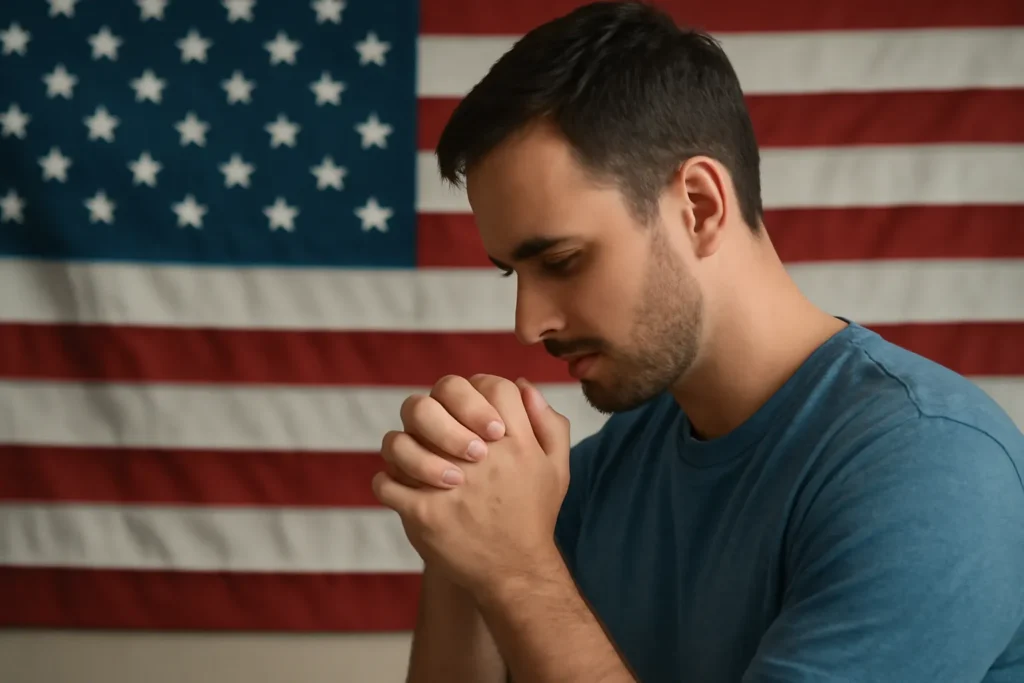
The phrase America Prayer evokes a broad and evolving practice across a diverse nation. From quiet personal moments to large public ceremonies, the American prayer tradition—in its many forms, languages, and rituals—has shaped how people imagine hope, how communities pursue healing, and how a divided nation can seek common ground. This article explores prayer in America as more than a private act; it is a social practice that sustains resilience, fosters connection, and invites reflection on shared values. By looking at history, contemporary life, and the contours of different communities, we can better understand how American prayer traditions contribute to hope, unity, and healing for individuals and for the nation as a whole.
The practice of prayer in the United States is not monolithic. It spans denominations, faith traditions, secular spaces, and civic rituals. In the broad sense, the national practice of prayer includes congregational worship, spontaneous intercessions in moments of crisis, quiet personal devotion, and organized interfaith gatherings. Across rural and urban settings, in small towns and major cities, people engage in prayer in ways that reflect local culture, history, and identity. Because the country hosts a wide spectrum of belief systems—Christian, Jewish, Muslim, Buddhist, Hindu, Indigenous spiritualities, and secular humanist perspectives—the phrase America prayer culture also denotes a pluralistic conversation about how communities talk to the sacred, how they listen to one another, and how they translate reverence into action.
Historical Threads of Prayer in America
Colonial Roots and Religious Pluralism
The earliest American prayer practices emerged from communities that settled this land with a mix of religious commitments. Colonial congregations often anchored civic life, and prayer meetings served as both spiritual sustainment and social glue. The idea that citizens could live with moral responsibility, guided by conscience and reverence, has long shaped the rhetoric around the American prayer tradition as a form of communal discipline and shared purpose. In this period, the line between church and city life was porous; prayer was a central feature of town meetings, educational institutions, and early charitable efforts.
The Great Awakenings and the Expansion of Prayer Voices
The Great Awakenings amplified the sense that prayer could mobilize moral courage and social transformation. American prayer history began to include revival movements that emphasized personal conversion, communal accountability, and hopeful futures. During these eras, prayer became a resource for empowerment—especially for marginalized groups seeking dignity, justice, and opportunity. While styles and languages varied—from fiery sermons to contemplative supplications—the underlying impulse was the same: to address suffering, to call for mercy, and to imagine a better common life through divine guidance.
Public Prayer and National Moments
The 19th and 20th centuries saw the institutionalization of public prayer as a communal practice. Towns and cities often designated times for prayers at the start of the day or during crises. The emergence of national events—such as presidential memorials, war-time supplications, and later the National Day of Prayer—made prayers in America a shared ritual that could unite diverse communities around a common civic purpose. In this sense, the American prayer tradition evolved from intimate gatherings into public ceremonies that offered solace and a sense of national belonging.
America Prayer and Hope: How Prayer Inspires Resilience
Across the country, American prayer acts as a source of hope in the face of hardship. When communities confront disaster, illness, or collective grief, prayer provides a space where sorrow can be acknowledged, courage can be summoned, and futures can be imagined anew. The idea that prayer can lift spirits, clarify priorities, and strengthen resolve has been echoed in countless testimonies from people of different faith traditions and backgrounds.
Personal resilience: Individuals report that moments of prayer help them endure pain, manage fear, and find inner steadiness during transitions such as job loss, illness, or the death of loved ones.
Civic endurance: Communities experiencing natural disasters or economic shocks often organize prayer services that reinforce solidarity, coordinate relief, and sustain long-term recovery efforts.
Hope through symbolism: National symbols and rituals—flags, monuments, and public readings—are often anchored by prayers that honor memory while envisioning a more just and peaceful future.
In the American religious landscape, the phrase the language of prayer in the United States frequently centers on reconciliation and renewal. The American prayer tradition invites people to admit vulnerability, seek guidance, and commit to compassionate action. When communities describe their hope-filled prayers, they are not merely expressing wishful thinking; they are articulating practical commitments to support the vulnerable, to repair what is broken, and to invest in the common good.
Unity is not a simple state but an ongoing practice. In a nation as diverse as the United States, the question of how prayer in America can foster unity often centers on how to honor difference while seeking shared meaning. The modern American prayer tradition is enriched by voices from many faiths and by movements that emphasize common ground. Public prayers, interfaith services, and collaborative community projects demonstrate that American prayer can be a bridge, not a barrier.
Interfaith Collaboration and Shared Sacred Space
Interfaith prayer services and cooperative service projects illustrate a path toward unity through prayer. When Jewish, Christian, Muslim, Hindu, Buddhist, and Indigenous leaders come together to pray for peace, the event becomes more than a moment of piety; it becomes a practice of listening, learning, and acting together. These gatherings emphasize a shared longing for safety, dignity, and fairness, and they model a form of civic virtue where people recognize the moral claim of the other.
Public Rituals and National Identity
The American approach to civic prayer—whether in the context of the National Day of Prayer, presidential commencements, or public memorials—remains a delicate balance between inclusion and tradition. Supporters argue that public prayer affirms moral suasion and reinforces shared values; critics warn that exclusive or sectarian imprints can alienate minority communities. The effective path forward is a pluralistic prayer culture that welcomes diverse voices while preserving the dignity of public life. When public prayers acknowledge suffering, celebrate courage, and name common responsibilities, they contribute to a sturdier sense of national unity.
America Prayer and Healing: Personal and Community Health
Healing is a central aim of the American prayer tradition, both on the individual level and within communities. American prayers that focus on healing address physical pain, emotional woundedness, social rifts, and systemic cracks in the social fabric. By naming injury, expressing compassion, and offering practical support, prayer becomes a catalyst for recovery and renewal.
In many households and faith communities, prayer is paired with routines of care: listening to others, practicing forgiveness, and cultivating gratitude. The act of praying can help individuals manage chronic illness, cope with trauma, and rebuild a sense of control after upheaval. The language of healing prayer often includes requests for comfort for the afflicted, strength for caregivers, and wisdom to navigate challenging medical or emotional terrains.
Community Healing through Service
Healing in the public square frequently emerges from acts of service inspired by prayer. Communities organize meal ministries, mental-health outreach, food banks, housing assistance, and educational programs guided by a sense of moral obligation cultivated through prayerful reflection. In this sense, the healing power of prayer in America is not purely spiritual; it translates into concrete action that relieves suffering and rebuilds trust.
Tragedy has often sharpened the focus of American prayer life. In the wake of disasters or mass violence, prayer services provide solace, but they also become platforms for accountability, reconciliation, and renewal. Communities that mobilize around shared beginnings—memorials, fundraisers, counseling centers—can transform collective mourning into careful, courageous rebuilding. The healing power of communal prayer lies in its capacity to acknowledge pain while inviting possibilities for repair, better policies, and lasting solidarity.
Forms and Practices of Prayer Across the Nation
The nation hosts a remarkable array of prayer forms. By exploring public, private, interfaith, and cultural dimensions, we gain a clearer sense of how American prayer practice operates in everyday life.
Public Prayer
Public prayer in the United States often accompanies civic life. It appears in school graduation ceremonies (where allowed by law and custom), city council meetings, sports events, and national commemorations. The practice has evolved to emphasize inclusion, where possible, and to recognize the secular nature of most public institutions. Public prayers can be brief and non-denominational, or they can offer space for multiple faith perspectives, inviting participants to reflect on shared moral concerns such as service, justice, and compassion.
Private Prayer
Private prayer remains a cornerstone of the American spiritual landscape. In homes, cars, bedrooms, and personal study spaces, individuals engage in prayers that express gratitude, seek guidance, and request comfort. The private sphere allows for a range of modalities—from contemplative silence to spoken supplication, from devotional readings to journaling that records prayers and answered hopes. This intimate dimension is essential because it anchors public life in a sense of inner moral discipline.
Interfaith Expressions
Interfaith prayer practices have grown in visibility and influence. Interfaith centers, college campuses, and city-wide initiatives provide forums where people of diverse faiths can share prayers for peace, healing, and justice. These spaces emphasize listening, mutual respect, and the belief that common ethical commitments—such as protecting human dignity and promoting the welfare of the vulnerable—can unite people across differences.
Cultural Variations
Within the United States, regional and cultural variations color the American prayer tradition. For example:
Black church traditions emphasize gospel music, prophetic exhortation, and communal lament as vehicles for hope and resilience.
Hispanic and Latinx Catholic communities blend Marian devotions, novenas, and celebrations of feast days with contemporary social teaching to address community needs.
Jewish prayer networks center on Sabbath liturgy, daily prayer, and communal support during times of crisis.
Indigenous spiritual practices link landscape, ancestors, and stewardship, often expressing healing through ritual renewal and cultural memory.
Muslim communities bring daily prayers (salat) and communal Iftar gatherings into public life during significant occasions, contributing to a broader conversation about hospitality and care for the vulnerable.
Together, these variations illustrate how American prayer”s pluralism creates a robust ecosystem where different pathways toward hope, unity, and healing coexist and enrich one another.
Institutions—from churches and mosques to universities and nonprofits—shape how prayer in America is taught, practiced, and remembered. The media also plays a crucial role by reporting on prayer events, analyzing the social impact of spiritual practices, and highlighting stories of compassion that emerge from religious communities. When media coverage foregrounds interfaith cooperation, humanitarian response, and constructive civic engagement, it supports a vision of America’s prayer life as a public good—one that helps people imagine a more just and caring society.
A diverse democracy inevitably contends with disagreements about the proper place of religion in public life. Debates over the separation of church and state, religious expression in schools, and the inclusive framing of public prayers can be contentious. Critics may worry that public ceremonies privilege certain traditions or exclude others, while advocates argue that public prayer can nurture moral reflection and communal solidarity when carried out with respect and openness. In the best manifestation, the American prayer tradition is self-reflective enough to revise itself, ensuring that hope, unity, and healing remain accessible to all citizens, regardless of their beliefs.
America Prayer to Build Community
Across the nation, individuals and groups describe their practice of American prayer as a way to anchor community life in shared values. This line of thinking leads to several practical patterns:
Prayerful service: Volunteerism and acts of mercy often emerge from prayerful motivation, turning spiritual insight into tangible help for neighbors in need.
Historic memory: Memorial prayers honor those affected by tragedy and remind the living of moral responsibilities to prevent future harm.
Education and dialogue: Schools, churches, and interfaith groups host dialogues that use prayer as a lens for exploring ethics, justice, and social harmony.
Civic imagination: Prayers that imagine better policies—such as improved healthcare access, environmental stewardship, and educational opportunity—can translate into practical advocacy.
For readers who want to engage more deeply with the theme of America prayer and its transformative potential, here are practical suggestions that honor diversity while cultivating shared purpose.
Practice listening: In any gathering, reserve time for listening to voices different from your own. Prayer is strengthened when it becomes an act of listening as well as speaking.
Name common values: Identify universal ethical concerns—dignity, mercy, justice, compassion—and frame prayers around concrete commitments to address them.
Serve together: Translate prayer into service by joining interfaith volunteer projects, community kitchens, or disaster relief efforts.
Honor memory while inviting renewal: Create moments of remembrance that acknowledge pain but also propose paths toward healing and reconciliation.
Format inclusively: When leading public prayers, offer inclusive language and invite speakers from diverse traditions to share reflections on common good.
America Prayer
The way we speak about prayer matters. Terms like American prayer tradition, prayer in the United States, and the national practice of prayer each carry nuance. Using varied language helps acknowledge the multiplicity of voices, while still focusing on the shared aims of hope, unity, and healing. When we speak about the practice of prayer in America, we invite more people to see themselves as participants in a living, evolving story—one in which faith, conscience, and civic life intersect to shape a more humane society.
The American prayer tradition is not a solved equation but an ongoing practice. It is a living language through which people articulate longing, confront suffering, and commit to acts of care that benefit the common good. By considering the threads of history, the diversity of communities, and the practical outcomes of shared prayer, we can see how prayer in America consistently points toward hope, unity, and healing. In a nation marked by complexity, contradiction, and constant change, the capacity of America’s prayers to transcend division and inspire compassionate action remains one of its most hopeful strengths. Whether through solitary moments of devotion or large-scale interfaith gatherings, the practice of prayer in this country continues to be a source of light, a call to responsibility, and a reminder that the path to a more just and peaceful future depends, in part, on the daily choices we make to care for one another.
In short, America prayer—in all its forms and variants—embodies a vision of belonging that goes beyond mere belonging to a single tradition. It is a living mosaic of beliefs, rituals, and commitments that, at their best, invites everyone to participate in shaping a shared life. As the nation grows and changes, the practice of prayer in America can continue to be a unifying force—one that holds together diverse communities, supports the vulnerable, and sustains the courage needed to pursue a more hopeful, just, and healing future.







Leave a Reply