Every baptism Sunday is a meaningful moment in the life of a church community. It marks a transition from tradition to new life, from individual devotion to corporate witness, and from water to witness in the world. This guide offers a broad spectrum of baptism Sunday ideas and practical guidance designed to be adaptable to diverse traditions, ages, and settings. Whether you are planning for infant baptisms, adult baptism, or reaffirmation of faith, these concepts emphasize reverence, inclusivity, and lasting memory.
Before the first ceremony, take time to articulate a clear theme and vision for the day. A thoughtful theme helps the whole service feel cohesive and meaningful rather than a series of discrete moments. Consider the following steps as a blueprint for shaping your planning process:
Define the core message: What do you want the congregation to learn, celebrate, or commit to as they witness this baptism?
Engage key stakeholders: Invite pastors, parents, sponsors, and youth leaders to share expectations, concerns, and hopes for the day.
Balance reverence and celebration: Baptism is both sacred and joyful; plan a rhythm that respects the solemn elements while inviting grateful praise.
Consider denominational norms: If your tradition has specific liturgical patterns, ensure ideas align with doctrinal standards while offering fresh expressions where appropriate.
Design a family-friendly approach: Ensure activities, language, and spaces are accessible to children and guests without diminishing the spiritual seriousness of the moment.
Creative Worship Ideas for Baptism Sunday
A worshipful Sunday can be enriched with intentional creativity. The aim is to honor the sanctity of the moment while inviting participants to engage their senses, imaginations, and faith commitments. Below are broad categories of creative worship ideas you can adapt to your context.
Water and Symbolism Practices
Blessing of the waters: Have a brief liturgy where a bucket, font, or pool is blessed and named with a meaningful scripture passage or reflection. Invite all who are gathered to contemplate what the water represents—purity, cleansing, new life.
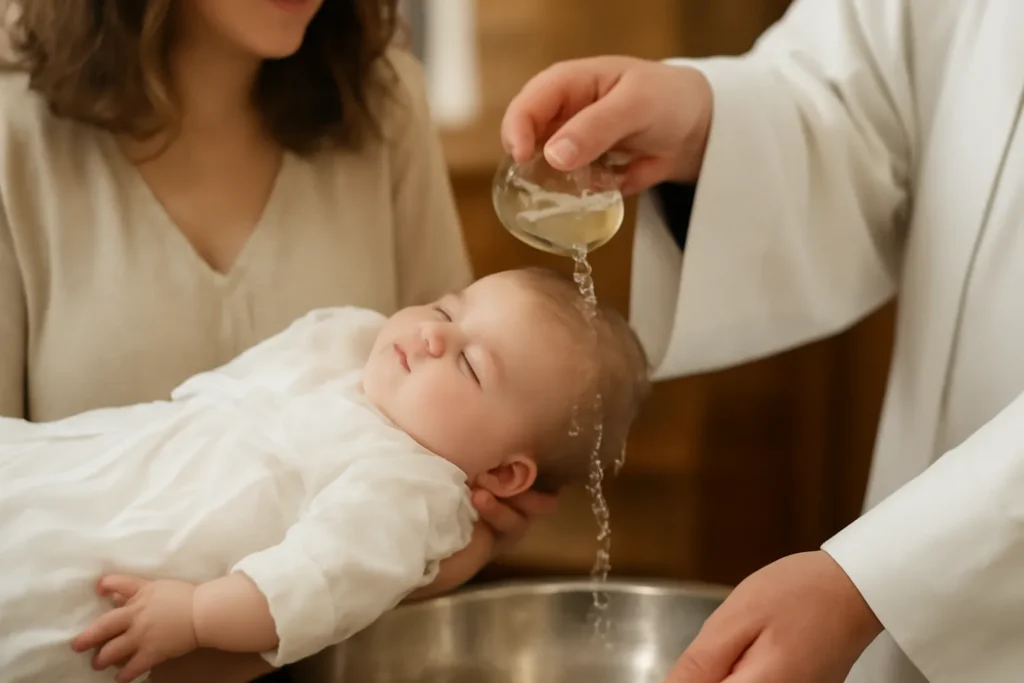
Pouring or immersion symbolism: Depending on tradition, you might include a pouring rite (pour of water on the candidate or a symbolically poured chalice) or a short immersion moment. Consider inviting family or sponsors to participate in symbolic gestures that reflect their support.
Water-themed art: Place a large, simple sculpture or art installation representing flowing water, rivers, or living water. Allow the art to serve as a focal point for meditation during the service.
Water blessing station: Create a small, quiet space with bowls of water, cards with prayers, and a station where attendees can dip their fingers in water as a reminder of baptismal vows.
Music and Liturgy
Hymns and songs about baptism: Select songs that speak to identity in Christ and the gift of new life. Consider including a congregation-friendly call-and-response or line-by-line responsive readings.
Anthem alternatives: If your choir is small, use a quartet or trio for a contemplative piece that accompanies the moment of baptism rather than a large ensemble.
Responsive readings: Prepare short scripture readings or contemplative poems that the congregation can echo, emphasizing themes of cleansing, new birth, and community.
Moment for silent reflection: Pair a quiet musical instrumental with a minute of silence so individuals can reflect on their own commitments and gratitude.
Teaching and Reflection Moments
Brief catechesis for families: A concise, age-appropriate teaching snippet can be integrated into the service to help children and parents articulate what baptism means.
Testimonies or witness stories: Invite the baptismal candidates or their sponsors to share a short reflection on what faith means to them and how Baptism shapes their daily lives.
Prayer stations: Create a few simple stations with prompts like gratitude, forgiveness, or service, allowing attendees to pray in small groups or quietly on their own.
Gathering and Fellowship Ideas
A Baptism Sunday should extend beyond the sacramental moment to the fellowship and hospitality of the church family. Thoughtful gathering strategies deepen relationships and celebrate the communal nature of baptism.
Post-service reception: Offer light refreshments that are easy to serve and share, such as finger foods, fruit, and small desserts. Consider a “family-style” gathering area with seating that encourages conversation.
Photo backdrops: Create a baptism-themed photo backdrop with an uplifting quote or scripture, plus props tied to the day’s theme. Ensure there is a photographer or designated volunteer to capture moments without disrupting the ceremony.
Guest book or memory cards: Provide cards for guests to write blessings or prayers for the baptized person or family. Place a card box at the exit for easy collection.
Family albums and memory lanes: Set up a station with a timeline or album pages highlighting milestones in the family’s faith journey, encouraging guests to engage with the story behind the baptism.
Educational and Catechetical Elements
Educational components help families and congregants understand baptism more deeply. Balanced teaching reinforces the significance while linking it to daily living and church life.
Post-Baptism Teaching Sessions
Short catechesis series following the service, focusing on questions like “What is baptism?” “What does it mean to belong to the church?” and “How can we support new believers?”
Family-oriented workshops: Offer optional breakouts for parents and children with crafts or activities that explore baptism themes, such as calling, identity, and service.
Adult education tracks: If your church includes adult baptism or reaffirmation, provide a follow-up program exploring faith commitments, spiritual disciplines, and baptism as ongoing discipleship.
Families and Sponsors: Roles and Responsibilities
Clear expectations: Outline the roles of parents, godparents/sponsors, and the church community in supporting the baptismal journey.
Prayer partnerships: Encourage sponsors to be prayer partners, not just ceremony participants, helping the candidate grow in faith.
Home reflection guides: Provide simple devotionals or questions families can use in the weeks after the baptism to reinforce commitments made on that day.
Decor and Atmosphere
The ambiance of a baptism Sunday should reflect purity, renewal, and hopeful anticipation. Decorations can be meaningful without becoming distracting, and they can be tailored to your space and culture.
Symbolic banners: Use banners with water imagery, such as rivers, waves, or droplets, and scripture verses about new life and identity in Christ.
Light and color symbolism: Soft blues and whites often convey purity and new beginnings, while warm gold accents can symbolize divine grace. Consider a color palette that matches your church’s liturgical rhythm.
Cross and water motifs: Integrate crosses with water imagery to visually connect belief and sacrament, perhaps through a decorative cross near the font or a water-themed floral arrangement.
Minimalist centerpieces: Choose simple arrangements that do not obstruct sight lines or the ceremony’s sacred moments, allowing the baptism to stay central.
Calm and uplifting palettes: Combine soft blues, whites, and greens to evoke calm and renewal.
Seasonal accents: Align decor with the liturgical season or nearby holidays—e.g., pastel tones for spring, richer earth tones for autumn—while keeping the symbolism clear.
Accessible design: Ensure decor leaves clear walkways, recognizable signage, and inclusive seating for families with strollers or mobility needs.
Congregational engagement: Invite volunteers to help assemble and adjust decor on the morning of the service, turning setup into a collaborative lay-led moment.
Effective planning translates baptism Sunday ideas into a smooth, meaningful experience. Use the following checklist as a practical guide to coordinate logistics, safety, and worship flow.
Timeline and Coordination
6–8 weeks out: Confirm date, candidate(s), sponsors, and service time. Assemble planning team and assign roles (liturgy, music, hospitality, tech).
4–6 weeks out: Draft the order of service, including the baptism rite, prayers, and any testimonies. Begin coordinating music selections and readings.
2–3 weeks out: Finalize decor, photo backdrop, reception plan, and child-friendly elements. Prepare a brief catechetical moment for the congregation.
1 week out: Conduct a run-through with participants, officials, and volunteers. Verify accessibility needs, safety protocols, and livestream arrangements if applicable.
Day of: Early setup, sound check, designated arrival times for families, a brief debrief after the service to note any adjustments for future weekends.
Equipment, Safety, and Accessibility
Font and water safety: Ensure the baptismal font or baptismal pool is stable, clean, and clearly marked. If using a portable font, confirm secure placement and non-slip surfaces.
Sound and lighting: Test mic levels for the candidate, family members giving testimonies, and readers. Maintain comfortable lighting that supports the solemnity of the moment while enabling visibility for cameras or livestream.
Accessibility: Provide seating with wheelchair access, assistive listening devices if needed, and clear signage for restroom and family spaces.
Photography and recording: Establish guidelines for photography and video, including where photographers will stand, when flash is appropriate, and consent from families.
Community and Outreach
Baptism Sunday can be a powerful invitation to the wider community, including guests who are exploring faith or returning to church life. Thoughtful outreach ensures guests feel welcomed and included.
Invites and Guest Experience
Personalized invitations: Send warm, faith-centered invitations to family, friends, neighbors, and potential newcomers, including a brief explanation of baptism and what to expect during the service.
Welcoming rituals: Train ushers to greet guests warmly, provide a simple program, and offer a brief orientation for first-time attendees.
Quiet spaces: Create a welcoming area where guests can reflect, pray, or talk with a pastor or volunteer if they have questions about baptism or the church.
Follow-up connections: After the service, send a brief appreciation note and an invitation to ongoing learning opportunities, small groups, or upcoming baptisms.
Technological and Media Elements
In addition to live participation, technology can broaden the reach of a baptism Sunday to remote attendees and preserve memories for years to come.
Reliable livestream setup: Ensure stable streaming with clear audio for remote viewers. Include captions if possible and provide a simple program for online participants.
Editing and sharing highlights: After the service, offer a short highlight video that can be shared with families and in church communications, keeping privacy considerations in mind.
Digital guest book: Create an online guest book or prayer wall where online attendees can leave words of blessing for the baptized family.
Online resources: Post the liturgy, readings, and a short reflection from the pastor on the church website for families to revisit.
Memory Keepsakes and Baptism Albums
Printed memory book: Compile photos, a baptism date, scripture passages, and reflections into a keepsake that families can treasure.
Digital keepsakes: Create shareable digital versions of the baptism program or a short video montage honoring the moment.
Sponsor and family mementos: For sponsors or families, consider small keepsakes such as a personalized prayer card or a bookmark with the baptism date and verse.
Variations of Baptism Sunday Ideas Across Denominations
Baptism practices vary significantly among denominations, yet the communal impulse to welcome new members remains strong. The following variations offer semantic breadth while respecting doctrinal differences.
Infant, Child, and Adult Baptisms
Infant baptisms: Often involve sponsors, a baptismal blessing, and a naming or dedication portion. Decorate the font area to emphasize new life and family identity.
Child baptisms: May include a short catechesis segment for the family, and a child-friendly sermon or story that connects to the baptism theme.
Adult baptisms: Typically include a more extended testimony session, a clarified articulation of faith statements, and a robust catechetical follow-up plan.
Ecumenical and Interfaith Considerations
Interfaith hospitality: If guests represent diverse religious backgrounds, include a brief, respectful explanation of baptism’s meaning within your tradition.
Shared rituals: In some settings, symbolically shared water rituals or commitments to serve the community can bridge differences while honoring your own doctrine.
Joint similes and stories: Use common scriptural or moral themes—such as cleansing, new life, and belonging—to connect with a broad audience without compromising doctrinal integrity.
Closing Reflections and Spiritual Significance
The value of baptism Sunday ideas lies not only in the beauty of the moment but in the ongoing invitation to a life shaped by grace. As you plan, remember that the day is both a public declaration and a private invitation—an invitation to growth, service, and steadfast faith. The best Sundays are those where everything—prayer, music, teaching, and fellowship—converges toward that one truth: God’s love is poured out, and the community responds by embodying that love in concrete acts. By weaving together creative expressions with strong pastoral care, you can craft a baptism Sunday that remains memorable without becoming ceremonial theater, offering a lasting reminder of what it means to live as a beloved child of God.
In summary, baptism Sunday ideas can be organized around several core pillars: a clear theme, reverent worship, meaningful symbolism, welcoming hospitality, thoughtful education, and durable memory-making. Use these sections as a flexible toolkit, adapting a few pieces at a time to fit your church’s culture, space, and resources. When families and first-time guests leave with a sense that they have witnessed something sacred and also felt affirmed as part of a welcoming community, the day has achieved its deepest purpose: to celebrate transformation, to encourage ongoing discipleship, and to honor the faith journey that begins and grows through baptism.







Leave a Reply