What Are the Requirements for Baptism? A Complete Guide
Baptism is a foundational rite in many Christian communities, marking entry into the faith journey and the
church family. While the exact requirements can vary by tradition, there are common elements that guide
prospective believers and families through the process. This guide explains the typical prerequisites,
the differences among major traditions, and practical steps you can take to prepare for baptism with
confidence. Throughout this article, key ideas are highlighted with bold text to help you
recognize the most important concepts at a glance.
Foundational Concepts and Why They Matter
Before diving into specific requirements, it helps to understand the central ideas that undergird baptism
across most Christian groups. At its core, baptism is a rite of initiation that publicly
expresses faith in Jesus Christ, signals repentance and new life, and welcomes the individual into the
communal life of the church. In many traditions, baptism is understood to be a means of grace, a sign of
cleansing from sin, and a pledge to live in accordance with Christian teaching.
Because baptism is both a personal commitment and a communal sacrament, its requirements often balance inner disposition (such as faith or desire to follow Christ) with external actions
(such as instruction, vows, and the ceremony itself). The result is a practice that can be deeply personal
yet firmly anchored in church life and doctrine. Below are the most common elements that shape what is
required in many denominations.
Common Elements Across Traditions
Although there are notable differences among churches, several elements recur in the baptismal process. These
elements form the backbone of most baptism requirements:
Faith or explicit desire: In many traditions, there is either a personal profession of faith
or, in the case of infants, a represented faith through parents and sponsors who intend to raise the child
in the faith. In some settings, the candidate’s intent to be baptized is essential.
Water used in a ritual act: Whether by immersion, pouring, or sprinkling, water
is central to the act of purification and new life.
Trinitarian formula in the Catholic, Orthodox, Anglican, and many Protestant traditions:
baptism is typically performed “in the name of the Father, and of the Son, and of the Holy Spirit.” Some
groups may have variations, but the recognition of the Triune God is a common thread.
Instruction and catechesis: Most traditions require some teaching about faith, prayer, the
meaning of baptism, and how to live as a member of the Christian community before and/or after the
ceremony.
Community and sponsors: A baptism often involves a faith community and, in many cases,
sponsors or godparents who vow to support the candidate in Christian living and spiritual growth.
Infant Baptism: What Parents and Sponsors Commit To
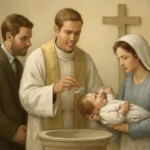
Infant baptism is a distinctive practice in several denominations. When babies are baptized, the child is
welcomed into the church and the community makes commitments on the child’s behalf. The parents’ role is
central, and in many traditions, the role of sponsors or godparents is equally important. The requirements
for infant baptism are typically a blend of instruction for parents, a vote of
confidence by the church, and a desire to raise the child in the faith.
Catholic and Orthodox Perspectives on Infant Baptism
In the Catholic and Eastern Orthodox traditions, infant baptism is a common and
cherished practice. Typical requirements include:
Parental consent and commitment: Parents promise to raise the child in the faith and
to teach them moral and spiritual formation according to the church’s teaching.
Godparents: One or two godparents (sponsors) who meet age, faith, and suitability criteria
and who commit to supporting the child’s Catholic or Orthodox upbringing.
Pre-baptism catechesis: Parents (and, in some places, godparents) often attend a
preparation session or class to learn about the meaning of baptism, the faith, and the responsibilities
involved.
Rite performed with proper form: The baptism itself follows the formal rite, usually
with water, the Trinitarian formula, and related prayers, often accompanied by anointing with oil in some
traditions.
Pastoral suitability: The church confirms that there are no canonical impediments present
and that the family is connected with a parish or intends to participate in parish life.
Other traditions within the Orthodox family may emphasize continuous baptism and
a strong emphasis on the theology of grace, with a similar trajectory of catechesis for the parents and
sponsors. While procedures may differ in minor ways, the core ideas—welcoming a child into the faith and
the community, and the responsibility of the family and church to nurture the child—remain central.
Protestant and Anglican Approaches to Infant Baptism
Many Protestant denominations practice infant baptism as a sign of God’s grace and the
parents’ commitment to raise the child in the faith, even while many also practice believer’s baptism for
older children or adults who have made a personal profession of faith. Typical elements may include:
Parental and church involvement: Parents pledge to teach biblical truths and to nurture
the child in a Christian home and church community.
Church instruction: Some traditions require or strongly encourage baptismal
preparation classes for families, covering faith basics, the meaning of baptism, and church life.
Godparents: In some Anglican or Protestant contexts, sponsors are still asked to play a role
in the child’s spiritual upbringing.
Recognition of faith development: The congregation affirms the child’s entry into the
church, with an understanding that the child will come to personal faith as they grow older.
Believer’s Baptism and Adult Converts
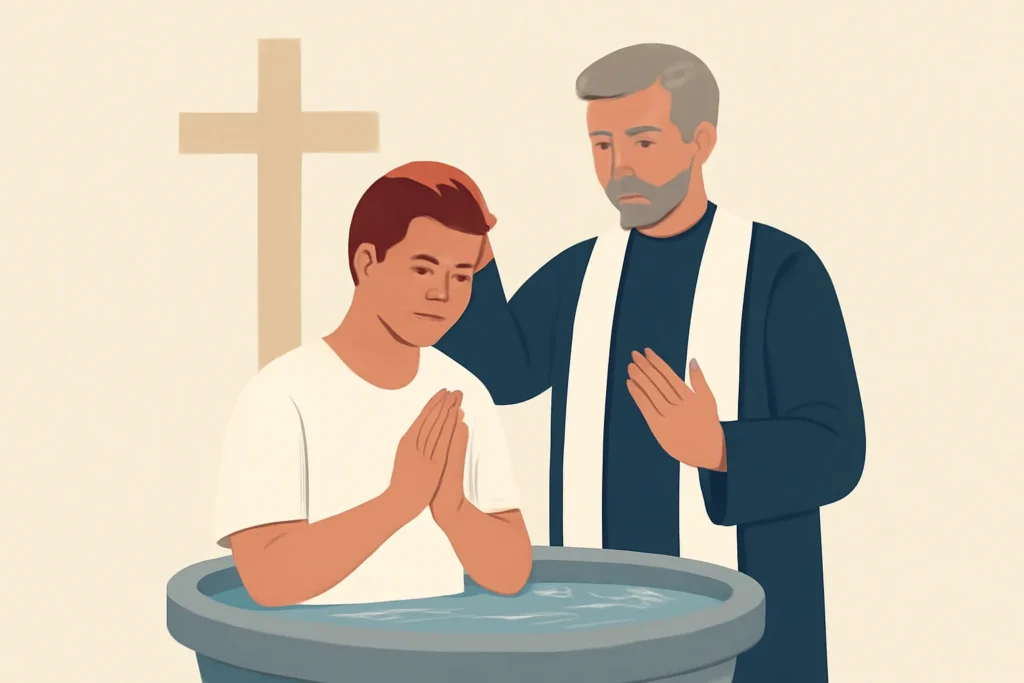
Believer’s baptism emphasizes a personal profession of faith in Jesus Christ and a conscious decision to
live as a disciple. In traditions that practice this form of baptism, the candidate is typically an adult or
an older child who can articulate faith and repentance. The process centers on personal faith
and public testimony of that faith through the baptismal act.
Key Characteristics of Believer’s Baptism
Explicit confession of faith: The candidate expresses belief in Christ and a desire to
follow Him.
Repentance and conversion: There is an emphasis on turning away from sin and toward
God’s ways as part of the baptismal decision.
Immersion or alternative rite: Many churches practicing believer’s baptism favor full
immersion, though some use sprinkling or pouring depending on the tradition and local practice.
Public declaration: The act is often a public ceremony within the worship service, signaling
to the faith community that the person has chosen Christ.
Preparation for Believer’s Baptism
Preparation usually involves a period of learning about the gospel, Christian ethics, and church life.
Participants may engage in:
Gospel study: Understanding who Jesus is, what He accomplished, and why baptism matters.
Faith assessment: Reflection on one’s own faith, repentance, and commitment to Christ.
Mentorship or accountability: Guidance from a pastor, mentor, or mature believer in the
faith.
Participation in worship and community life: Often, there is an integration period
where the candidate participates in church life before the baptism day.
Preparation and Catechesis: Classes and Mentorship
Regardless of whether baptism is infant or believer’s, most traditions emphasize catechesis
or formal instruction as a fundamental requirement. This education helps candidates understand the
significance of baptism, the basic beliefs of the church, and the responsibilities of Christian living.
The Gospel: A clear explanation of salvation by grace through faith in Jesus Christ.
The meaning of baptism: Cleansing from sin, new life, and incorporation into the body of
Christ.
Christian ethics: How to live as a disciple in daily life, relationships, and work.
Prayer and spiritual disciplines: Practices like prayer, Scripture reading, and worship.
Church membership: Understanding what it means to belong to a local church and participate
in its mission.
Practical Details: Who Can Be Baptized and By Whom
The practical side of baptism involves questions about eligibility, the mode of baptism, and who administers
the rite. These factors often depend on the denomination, local church policy, and the specific
circumstances of the candidate or family.
Age and ability to understand: Infants versus older children or adults.
Religious upbringing: Some churches require a commitment to participate in church life
and receive ongoing instruction.
Free will and desire: In believer’s baptism, a conscious decision to follow Christ is
typically required.
The form of baptism can vary. Common modes include:
Immersion: Full submersion in water, often associated with believer’s baptism.
Pouring or sprinkling: Water poured over the head or sprinkled on the
candidate, used in some infant baptisms and other settings.
Trinitarian pronouncement: The minister speaks the baptismal formula, invoking the name of
the Father, Son, and Holy Spirit.
What to Expect on the Day of Baptism
The baptism ceremony itself is a meaningful moment in which the church witnesses the candidate’s or family’s
commitment. While the exact order of service differs across traditions, several common elements are often present:
Scripture readings and prayers that reflect God’s promise and grace.
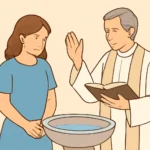
Renunciations and vows: In infant baptism, parents and sponsors vow to raise the child in the
faith; in believer’s baptism, the candidate makes a personal profession of faith and commits to following Jesus.
Water rite: The actual act of baptism, whether by immersion, pouring, or sprinkling.
liturgical words: The officiant speaks the formula and pronounces the recipient as a member
of the church.
Celebration and reception: The congregation offers welcome and support for the new member’s
spiritual journey.
After Baptism: Ongoing Faith Formation and Involvement
Baptism is not a one-time event but the beginning of a lifelong journey. Following baptism, most churches
encourage ongoing formation through Sunday worship, small groups, catechesis, and service opportunities.
The ongoing life of faith often includes:
Continued catechesis and Bible study to deepen understanding of faith.
Prayer life and personal devotion as daily practices that nurture growth.
Participation in the sacraments or ordinances and church ministries.
Community accountability: Regular fellowship, mentorship, and accountability within the church
body.
Common Questions About Baptism Requirements
Because baptism practices vary, many people have questions about what is required in their local church.
Here are answers to some frequently asked questions that can help you navigate the process with clarity.
Is baptism necessary for salvation?
Different traditions hold different theological emphases. Some teach that baptism is a means of grace
and essential to the Christian life, while others emphasize faith in Christ as the key step, with
baptism following as a obedient response. In most cases, baptism is seen as an important and transformative
act that confirms one’s faith and unites the believer with the community of believers.
Can infants be baptized if the family is not affiliated with a church?
In many places, infant baptism is offered through a local parish or church community that accepts families
into the life of the congregation. If you are exploring this path, you will typically be invited to participate
in a preparation session, establish regular church attendance, and identify sponsors. If you are outside a
church context, you may consider joining a local church to participate in ongoing catechesis and community
life before proceeding with baptism.
Do I need to be baptized by a particular denomination?
Some traditions require baptism to be administered by a minister within that church family. Others are more
flexible, allowing baptism by Lutheran, Anglican, Catholic, Orthodox, or other recognized ministers who are
in communion with the church’s doctrine. The key is alignment with the local church’s understanding of baptism
and its place in the life of faith and community.
What role do godparents or sponsors play?
Godparents or sponsors serve as spiritual mentors and witnesses to the baptism, especially in infant baptism.
They commit to supporting the child’s Christian upbringing and to helping the parents fulfill their promises.
Eligibility criteria for sponsors typically include being a baptized believer in good standing with the church,
of a certain age, and in a life position capable of fulfilling their vows.
What if I have concerns about the timing or readiness?
It is normal to have questions about readiness. If you’re not sure whether you are ready for baptism, speak with
a pastor, priest, or church staff member. Most churches appreciate candid conversations about faith, background,
and expectations, and they can help you embark on a path that respects your pace and the church’s teachings.
Whether you are preparing for infant baptism, seeking believer’s baptism as an adult, or supporting a family
through the process, a practical roadmap can help you stay organized and focused:
Identify your tradition and locate the local church that aligns with your beliefs about baptism.
Attend a baptism class or orientation to learn the theology, the rite, and the responsibilities
involved.
Discuss eligibility with church leadership to understand any prerequisites and scheduling needs.
Complete any required instruction (catechesis, Bible study, or confirmation of faith).
Choose sponsors or lieutenants of faith who will support you or your child in the spiritual journey.
Prepare emotionally and spiritually by prayer, Scripture, and participation in the church community.
Schedule the baptism date and review any post-baptism commitments with the church.
No matter which path you follow, remember that baptism is both a sacred gift and a lifelong invitation. The
requirements you meet today lay a foundation for a sustained, growing relationship with God and with the
people who make up the church body. If you are unsure where to start, reach out to a local church and ask
for guidance. Most communities are ready to walk with you in this meaningful journey.






Leave a Reply