Baptism is a foundational practice in many Christian communities. At its simplest,
it is a public act that identifies a person with Jesus Christ and with the community of believers.
Across traditions, baptism is described as a w unquestionably meaningful rite that
communicates a person’s faith, commitment, and entry into the body of Christ. While the outward act
involves water, the deeper significance is often spoken of in terms of grace, faith, and new life.
There are variations in how baptism is performed—by immersion, by pouring, or by sprinkling—and
there are differences in who should be baptized and when. Yet in most Christian thought, baptism
serves as a symbolic or sacramental sign that points to a larger reality: a transition from an old
life to a new life in Christ. In this article, we explore getting baptized as a Christian
from multiple angles: what it means, who participates, how it happens, and what comes after.
Why People Choose to Be Baptized
People choose to undergo baptism for many reasons, but several themes recur
across traditions. Here are common motivations you may encounter when considering receiving baptism or when guiding others through the process.
Obedience to Christ: Many Christians see baptism as a direct command of Jesus and
a way to follow his example. In the gospel accounts, Jesus himself underwent baptism and commissioned
his followers to make disciples and baptize them.
Public declaration of faith: Baptism is a tangible, public step that announces
a personal decision to trust Jesus and to live according to his teachings. It marks the transition
from a private belief to a shared commitment with a faith community.
Identification with the church: By participating in baptism, a person becomes part
of the church’s family, receiving a recognized entry into the ongoing story of God’s people.
Symbolic cleansing and new life: In many traditions, water symbolizes cleansing from sin
and the beginning of a new life in Christ. The imagery of death and resurrection is often evoked to
describe what baptism represents spiritually.
Spiritual assurance: For some, baptism is a milestone that confirms a decision made in the
heart and provides spiritual assurance through the community's witness and God’s grace.
Traditions and Denominations: How Baptism Is Viewed
Across Christian traditions, there are distinct understandings of baptism and
different practices around how it is performed. It can be helpful to distinguish two broad
questions: who is baptized? and how is the rite performed? The answers vary by
tradition and culture.
Infant Baptism vs Believers’ Baptism
Some churches practice infant baptism, in which babies or young children are
baptized as a sign of God’s grace and the family’s commitment to raise the child in the faith.
Other churches practice believers’ baptism, or baptism upon a person’s own profession
of faith, typically after they understand and commit to following Jesus.
Mode of Baptism: Immersion, Pouring, or Sprinkling
Different traditions emphasize different methods:
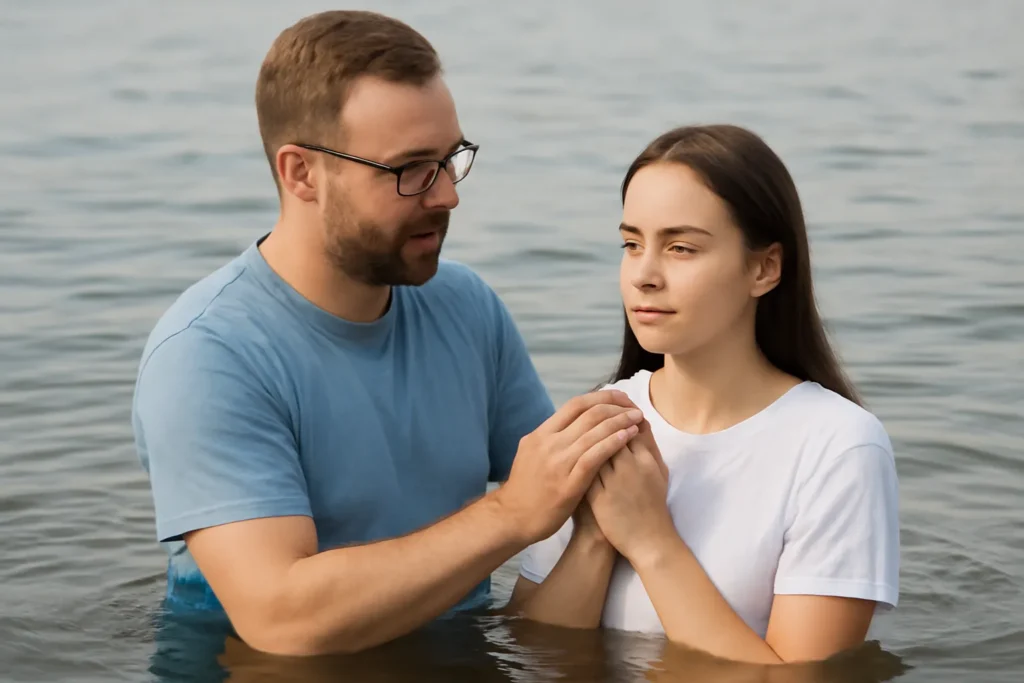
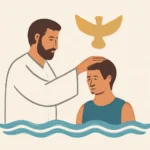
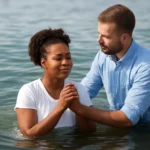
Immersion—the person is fully submerged in water. This mode is common in many
evangelical and Baptist communities and is often seen as a vivid sign of dying and rising with Christ.
Pouring—water is poured over the person’s head, typically several times. This
mode is prevalent in many mainline Protestant churches and is valued for its practicality and symbolic emphasis on the outpouring of grace.
Sprinkling—a light sprinkling of water, often used in traditional Catholic and Orthodox settings.
Regardless of the mode, the essential aim is to declare a person’s faith and their entry into the
community of Christ. When you explore getting baptized as a Christian, you will
often encounter a blend of doctrinal interpretation and local church practice that shapes the
exact procedure.
Preparation for the baptism ceremony varies by tradition, but common threads include laying a
spiritual foundation, understanding the meaning of the rite, and aligning with a community
that supports a life of faith. The preparation process may involve study, prayer, and
conversations with church leaders or mentors.
Who Should Prepare?
In infant baptism contexts, parents and godparents typically prepare by
learning about the faith, the responsibilities of parenting in a Christian home, and the
meaning of the sacrament. In believers’ baptism contexts, the individual
preparing for baptism should demonstrate an understanding of the gospel, repentance, and a
desire to follow Jesus.
Educational classes or small-group discussions about the Bible, baptism, and the Christian life.
Personal reflection on faith, forgiveness, and commitments to live in harmony with
Christian teachings.
Mentor conversations with a pastor, priest, or spiritual guide who can answer questions
and provide pastoral support.
Public commitments to join a local church community and participate in its life.
The ultimate goal of preparation is not merely to complete a checklist, but to cultivate a genuine
sense of belonging to Christ and to a community of believers who will walk with you in your
faith journey.
Steps for the Baptism Service: A Practical Roadmap
While ceremony details differ, a typical pathway for the baptismal rite follows a
recognizable sequence. Below is a practical overview of the steps you might encounter when
preparing for the baptismal act.
Reflection and profession: The candidate or parents publicly affirm belief in
Jesus Christ and the intention to follow him. This may include a short personal testimony or
declaration of faith.
Renunciation of sin and allegiance to Christ: The candidate renounces evil and
professes loyalty to God, often through a vow or a short statement of faith.
Declaration before the church: The congregation is invited to witness the decision and
to support the new believer or the child in their growth in faith.
Participation in the baptism rite: The actual act—immersion, pouring, or sprinkling—
is performed by an ordained minister or a designated person within the tradition. In many churches,
adults may be immersed or have water poured or sprinkled on them as a sign of cleansing and new life.
Prayer and blessing: The service typically includes prayers of blessing, asking God to
empower the new believer for obedience and service, and to sustain the baptized community as a whole.
Incorporation into the church family: After the ritual, the baptized person is often welcomed
into church membership, with ongoing opportunities for catechesis, worship, and service.
If you are guiding someone through the baptismal process, remember that the
language used by your tradition matters. Some phrases emphasize grace, others emphasize
covenantal responsibility. Understanding the language helps participants feel respected and
included in the conversation about what it means to belong to Christ and to a local church.
What Happens During the Baptism Service
The baptism service is often a centerpiece of a church gathering, both because of its
theological significance and its pastoral impact. Here is a closer look at the elements you
may encounter during a baptism ceremony in many Christian communities.
Public Witness
One of the primary features is public witness. Baptism proclaims a decision to
trust Christ and to follow him. Because it is done in front of a faith community, it also
invites accountability, mentorship, and supportive relationships that can help sustain a life
of discipleship.
Water is the central symbol. Depending on the tradition, the water may be used for immersion,
poured over the head, or sprinkled on the person. The water stands for cleansing, renewal, and
the new life that begins in Christ.
Naming and Blessing
The baptismal rite often includes naming the person and invoking the blessing of the Trinity—Father,
Son, and Holy Spirit. This invocation reminds participants that baptism is not merely a private gesture
but a incorporation into the life of the triune God and the Spirit-filled church.
Community Commitment
The gathered community is invited to welcome the newly baptized and to commit to supporting
their spiritual growth. This shared responsibility reflects the belief that baptism initiates a mutual
relationship between the believer and the church.
After Baptism: Living as a Baptized Christian
Baptism marks a significant turning point, but it is not a single milestone in isolation. It is the
beginning of a lifelong journey of faith, growth, and service. Here are some practical ways people
live out their identity after the baptismal act.
Ongoing Faith Formation
After receiving believers’ baptism, many Christians pursue regular
Bible study, prayer, mentorship, and participation in church education programs. Strengthening
your understanding of Scripture helps ensure that your faith remains informed and lived out in daily life.
Community and Service
Baptism is also a call to active involvement in the church community. This may include serving in
ministries, participating in worship, and sharing your gifts with others. The goal is to reflect
the love of Christ through acts of service and relational integrity.
In many traditions, baptism is paired with other rites, such as the Lord’s Supper (or Communion),
as ongoing means of grace. While the two rites are distinct, they often function together in a
Christian rhythm of faith, nourishment, and worship.
Living the Covenant
For families and individuals who practice infant baptism, baptism is part of a
covenant that includes raising the child in a faith-filled home and participating in the life of the
church. For those who were baptized as adults, it is a confirmation of a personal covenant with
God and a commitment to follow Jesus for a lifetime.
Common Questions About Baptism
Is baptism necessary for salvation?
Views on salvation and baptism vary. In some traditions, baptism is viewed as essential as an
outward sign of inward grace. In others, baptism is accepted as an important but not strictly
salvific rite that confirms faith already professed in the heart. If you are exploring getting baptized as a Christian, your church’s teachings will guide you on this
question, taking into account the Bible, tradition, and the church’s theological emphasis.
Can children be baptized?
Many churches practice infant baptism or baptism in early childhood as a
means of welcoming children into the covenant community and promising to raise them in the faith.
Other churches dedicate a child or postpone baptism until a person is old enough to articulate a
personal belief. The best path is usually discussed with a pastor or church leader who understands
the denomination’s practice and theology.
What if I was baptized as an infant in a different tradition?
Some people seek baptism in a new church after adolescence or adulthood because they have found
a tradition whose teaching better aligns with their understanding of the gospel. In many cases, churches
recognize prior infant baptisms; in others, a believer’s baptism may be requested to reflect personal
profession of faith. This decision is best discussed openly with the receiving church leadership.
What should I say or do during the ceremony?
Every church has its own wording and cues, but a few elements are common. You will likely be asked
to confess your belief in Jesus, renounce sin, and declare loyalty to God. You may be invited to share
a brief personal testimony or respond to questions about your faith. Listen attentively, speak clearly,
and remember that the ceremony is designed to celebrate a meaningful step in your spiritual life.
Glossary of Key Terms
Baptism: A ritual involving water that signifies entry into the Christian faith and the worshiping community.
Water baptism: The use of water in the baptism rite, which may involve immersion, pouring, or sprinkling.
Believers’ baptism: Baptism administered to someone who professes personal faith in Christ.
Infant baptism: Baptism of an infant or young child, often with parental sponsorship and a commitment to raise the child in the Christian faith.
Credobaptism: Another term for baptism based on personal confession of faith (the believer’s baptism).
Paedobaptism: Baptism of infants or young children, typically within a covenantal framework.
Immersion: A mode of baptism in which the person is submerged in water.
Pouring and Sprinkling: Modes of baptism where water is poured over the head or sprinkled on the person.




Leave a Reply