Beatitudes Catholic Explanation: A Practical Guide — What They Are and Why They Matter
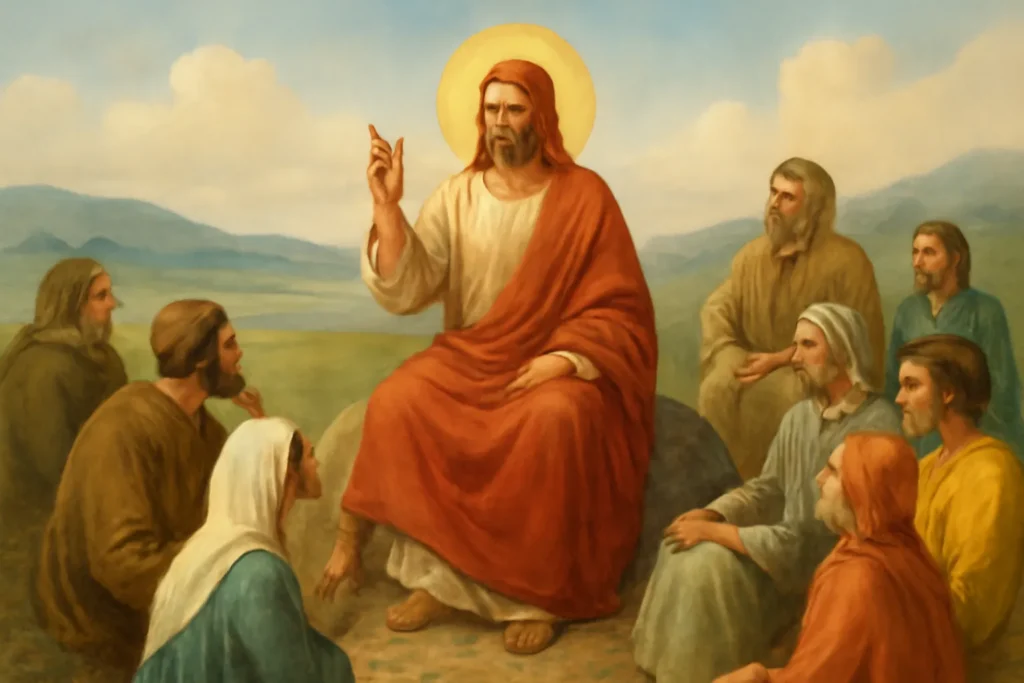
The Beatitudes are more than a poetic list of blessings. In Catholic teaching, they are a compact, revolutionary map for Christian living. They originate in Jesus’ Sermon on the Mount and sit at the heart of the Gospel message as a guide to happiness that is not dependent on external success or worldly prestige. This article offers a thorough, practical Catholic explanation of the Beatitudes, using the phrase beatitudes catholic explanation to reflect the tradition’s own articulation while expanding into daily application, spiritual formation, and liturgical life. Viewers often encounter the Beatitudes as both a spiritual summons and a concrete program for action. This guide seeks to illuminate how Catholics interpret, pray with, and live out the eight Beatitudes in a modern world that constantly tests discipleship.
Foundations of the Beatitudes: Context, Language, and Theological Significance
To understand the beatitudes catholic explanation, it helps to situate them in their biblical and theological context. The Beatitudes appear in the Gospel of Matthew (5:3–12) as part of the larger Sermon on the Mount, a discourse that presents Jesus as a new Torah teacher whose words reinterpret and deepen the moral life of God’s people. In Luke 6:20–23, a shorter version exists, sometimes called the Lukan Beatitudes, which shares themes but emphasizes different circumstances of blessing. Catholic interpretation emphasizes several core ideas:
Blessing is not mere happiness or sentiment; it is a bestowed divine favor that aligns the person with God’s reign.
The phrase “kingdom of heaven” or “kingdom of God” signals a present reality and a future fulfillment—already begun in Christ and yet not yet complete. This is often described in Catholic doctrine as the tension between the “already” and the “not yet.”
The Greek term makários, often translated as “blessed,” carries connotations of inward joy and security that do not depend on external conditions. The Catholic beatitude explanation emphasizes that true blessedness comes from a right relationship with God and with neighbor.
Living the Beatitudes is discipleship in action: they describe the attitudes and actions by which a follower of Christ becomes a witness to the Gospel in daily life.
Thus, the beatitudes catholic explanation invites believers to see happiness as a fruit of grace and virtue rather than accumulation of wealth, status, or popularity. It also invites Christians to examine how their own desires, attachments, and choices either align with or resist the pattern Jesus teaches. For Catholics, this explanation is not merely abstract speculation; it is a practical program tied to prayer, sacraments, virtue formation, and communal life.
Key terms in the Catholic beatitude interpretation
Detachment or poverty of spirit—a freedom from inordinate attachment to material goods or personal security that opens space for trust in God.
Mourning—not merely sadness, but a deep spiritual sorrow for sin, brokenness in the world, and the ways in which human life falls short of God’s plan.
Meekness—often misunderstood as weakness; in Catholic teaching, it is strength under control and a readiness to yield to God’s will and to bless others.
Righteousness or justice—a desire to live in fidelity to God’s law and to pursue the common good, especially for the vulnerable.
Mercy—an active, practical compassion that seeks the relief of others and reflects God’s own mercy toward us.
Purity of heart—a unified intention toward God, undivided by deceit, sin, or divided loyalties.
Peacemaking—a vocation to heal divisions, reconcile relationships, and cultivate social harmony in trust in Christ.
Persecution for righteousness’ sake—a reminder that fidelity to Christ may carry cost, yet the reward is participation in Christ’s own sufferings and triumph.
The Eight Beatitudes: Catholic Explanation with Practical Life Examples
The Catholic beatitudes catholic explanation presents each beatitude as a doorway into a distinctive way of living the Gospel. Below, each beatitude is presented with its key teaching and concrete ways to practice it in daily life, in prayer, and within the parish and family. The aim is not to cheapen the promises but to show how the promises of Jesus become real through disciplined faith, hope, and charity.
“Blessed are the poor in spirit, for theirs is the kingdom of heaven.”
In Catholic teaching, being poor in spirit means recognizing one’s dependence on God and detaching from the illusion that wealth, success, or status can fulfill the deepest longings of the heart. The kingdom of heaven is not a reward for those who have accumulated things, but a gift granted to those who acknowledge their need for God. In practical terms, this beatitude invites the Christian to cultivate a spirit of gratitude, to share resources with those in need, and to resist the idolatries of consumerism. A practical daily practice could include a regular look at one’s finances, a deliberate choice to tithe or donate, and a habit of contentment that guards against envy. A Catholic beatitudes explanation in the lived life shows up in prayerful trust, especially during moments of financial stress, and in solidarity with the poor and marginalized.
“Blessed are those who mourn, for they shall be comforted.”
This beatitude invites a spiritual stance toward sorrow: mourning becomes not a sign of weakness but a path to deeper consolation in God. In Catholic practice, mourning includes mourning for sin, for injustice, and for human suffering. The promise of comfort is realized in God’s mercy and in the companionship of the Body of Christ. Practical applications include praying with lament, seeking reconciliation, offering support to those who grieve, and entering into the Church’s liturgical rites (like the R models for Ash Wednesday, Holy Week, and Memorial Masses) that accompany sorrow with the hope of resurrection.
“Blessed are the meek, for they shall inherit the earth.”
Meekness is often misunderstood as passivity. In Catholic understanding, meekness is strength under control, generosity of spirit, and a readiness to serve others. It is a posture toward God and neighbor that resists temper, pride, and coercive power. The practical Catholic beatitudes explanation invites believers to practice patience in conflict, to refuse revenge, and to pursue justice through peaceful means, including dialogue, advocacy for the vulnerable, and acts of mercy in communities and workplaces.
“Blessed are those who hunger and thirst for righteousness, for they shall be satisfied.”
This beatitude centers on a longing for justice in alignment with God’s will. Catholic life seeks righteousness in personal conduct, social structures, and civic life. It translates into integrity in all relationships, care for the oppressed, and a commitment to truth-telling, transparency, and accountability. In daily practice, this might mean honest work, supporting fair labor practices, and participating in parish and diocesan initiatives that promote human dignity and the common good.
“Blessed are the merciful, for they shall obtain mercy.”
Mercy in Catholic teaching is not a one-way street; it is a dynamic exchange of compassion that flows from God to us and through us to others. The beatitude points to acts of mercy—practical charity, forgiveness, and ongoing care for those who suffer. The Catholic beatitudes explanation shows mercy in action through sacramental life (confession, Eucharist), spiritual exercises, and ongoing service to neighbors—especially those on the margins. This is why Catholic social teaching emphasizes generosity, hospitality, and a readiness to help without counting the cost.
“Blessed are the pure in heart, for they shall see God.”
Purity of heart involves an undivided love for God, free from duplicity and divided loyalties. The Catholic explanation highlights integrity in intention and action, a heart oriented toward God’s will, and a commitment to truth. Practical steps include regular examination of conscience, cultivating virtuous friendships, avoiding moral compromises, and maintaining a consistent prayer life that keeps God at the center. Purity of heart enables a person to recognize God’s presence in ordinary moments and to see the world through the lens of God’s love.
“Blessed are the peacemakers, for they shall be called children of God.”
Peacemaking in Catholicism means reconciliation, justice, and the restoration of harmony in relationships and communities. It calls Christians to become active agents of peace: to de-escalate conflicts, to build bridges across divides, and to work for social harmony rooted in human dignity and Gospel values. Catholic practice often translates this into family peace initiatives, neighborhood outreach, dialogue across cultures, and participation in conflict-resolution ministries within parishes. The beatitude explains that true peace is a fruit of charity, fidelity to truth, and boldness in addressing injustice.
“Blessed are those who are persecuted for righteousness’ sake, for theirs is the kingdom of heaven.”
Persecution for righteousness’ sake acknowledges that fidelity to Christ can carry a cost. The Catholic beatitudes explanation frames this not as a grim fate but as a share in Christ’s own experience of suffering with thereby hope. Believers are invited to endure with grace, to maintain integrity under pressure, and to witness to the Gospel through patient endurance and steadfast love. In practical terms, this may mean standing up for truth in difficult circumstances, supporting those persecuted for conscience and faith, and trusting in God’s ultimate vindication and the promise of the heavenly reward.
Living the Beatitudes: A Practical Guide for Catholics
With the eight beatitudes in view, Catholic life can be shaped by concrete practices that embody the beatitudes catholic explanation in daily routines. This section offers a practical toolkit for turning contemplation into action, so that the Beatitudes inform prayer, relationships, work, and parish life.
Daily habits rooted in the Beatitudes
Begin each day with a brief prayer that names one beatitude to imitate and one area of vulnerability to seek grace.
Practice detachment by simplifying possessions, giving generously, and recognizing that God’s provision is not exhausted by material wealth.
In difficult moments, choose meekness and calm, seeking to understand others rather than winning a quarrel.
Seek righteousness in small choices: honesty at work, fair dealings with others, and advocacy for the vulnerable.
Make mercy a daily habit: forgive a grievance, perform a random act of kindness, and accompany someone through a period of pain or loneliness.
Guard the heart with sincerity: avoid duplicity, cultivate purity of purpose in friendships, and foster a prayerful interior life.
Be a peacemaker at home, in school, at work, and in online spaces by promoting dialogue, listening with empathy, and offering constructive mediation.
Stand firm in righteousness even when it costs something, remembering that the “kingdom of heaven” is the ultimate reward.
Prayer, sacraments, and liturgy as supports for the Beatitudes
Participate in the Eucharist as the source and summit of Christian life, drawing strength to live the Beatitudes through grace received.
Frequent the Sacrament of Reconciliation to renew conversion and heal wounds that hinder detachment, mercy, and purity of heart.
Use the Rosary or other contemplative prayers to reflect on each Beatitude, turning contemplation into concrete action.
Attend liturgies that emphasize mercy, justice, and peace—especially during Lent and the Easter season—so that prayer and action are integrated.
Living the Beatitudes in community
Engage in parish ministries that serve the poor, the mourning, the sick, and the marginalized, so that mercy becomes visible in communal life.
Participate in group discernment or small faith communities that study the Beatitudes, share experiences, and encourage accountability in virtue formation.
Support social outreach programs: food pantries, shelters, disaster relief, and advocacy for just labor practices.
Foster a culture of hospitality in the family and parish so that strangers and those in distress encounter God’s welcome through your actions.
Historical and Theological Dimensions of a Beatitudes Catholic Explanation
The beatitude teaching has always carried a deep theological anthropology in Catholic thought. The life of the disciple is shaped not by a list of “do this, avoid that” but by a formative journey in which grace—received in the Church’s sacraments, prayer, and sacred tradition—transforms the person from inside out. A robust beatitudes catholic explanation integrates:
Faith as assent to God’s revelation and as trust in God’s promises, even when life is hard.
Hope oriented toward the coming fullness of the Kingdom, which sustains perseverance in trial.
Charity expressed in concrete acts of love and justice for others, especially the poor and vulnerable.
Historically, church Fathers and teachers—such as Augustine, Thomas Aquinas, and later Catholic social thinkers—have stressed that the Beatitudes reveal the character of the Christian life and give voice to a way of life that orders all other desires toward God. They have been interpreted not as escapist ideals but as a robust, holistic formation that engages mind, heart, and hands in the service of God and neighbor.
Common Questions About the Beatitudes: Clarifying the Catholic Explanation
In discussing a beatitudes catholic explanation, it’s natural to encounter questions. Here are some frequent concerns and concise clarifications:
Are the Beatitudes impossible to practice? Not for Catholics. They describe a heroic path, but grace empowers the journey. The Church teaches that God’s grace strengthens human freedom to respond with virtue.
Do the Beatitudes oppose earthly happiness? No. They redefine happiness as a deep, durable joy grounded in God’s presence, even amid suffering. They show that God’s vision of happiness surpasses worldly measures.
How do the Beatitudes relate to social justice? The Beatitudes and Catholic social teaching are complementary. The cry for justice, mercy, and peace is deeply embedded in their invitation to care for the poor, the mourning, and the persecuted.
What is the relationship between the Beatitudes and charity? Charity animates all eight Beatitudes. Each beatitude calls for acts of love that reflect God’s mercy and truth in daily life.
A Glossary of Terms for the Beatitudes in Catholic Practice
In Catholic spirituality, the beatitudes catholic explanation culminates in a lived witness to the Gospel. They are not distant ideals but a real invitation to be formed as Christians who trust God, weep with others, and work for justice and peace. This guide has shown that the Beatitudes are opened through prayer, strengthened by the sacraments, and proven in daily acts of mercy and faithfulness. By embracing the poor in spirit, mourning with compassion, remaining meek, hungering for righteousness, showing mercy, purifying the heart, making peace, and bearing the cost of following Christ, Catholics participate in Christ’s own life and become a sign of hope in a world longing for true happiness. The practical guide offered here, rooted in the Church’s tradition, can help believers move from acquaintance with the Beatitudes to a participatory life in which the Kingdom of Heaven becomes real in neighborhoods, workplaces, parishes, and families.









Leave a Reply