Bible Cure: A Comprehensive Guide to Spiritual Healing and Biblical Remedies
Across centuries, believers have sought bible cure for ailments that touch body, mind, and spirit. This article offers a thorough, educational overview of how the Bible speaks about healing, the variety of biblical remedies, and how those timeless practices can be understood today. While the biblical cure is rooted in faith, it is not a substitute for medical advice or treatment, but a complementary path that can unite prayer, virtue, and care within a holistic lifestyle. Readers will encounter terms such as scriptural healing, divine healing, and biblical remedies as we explore a durable framework for spiritual renewal and practical action.
What is a Bible Cure?
The phrase bible cure encompasses more than a single miracle. It refers to a set of practices and attitudes found in Scripture that Christians have historically understood as channels for healing—physical, emotional, and spiritual. Variations on this theme—such as biblical cure, scriptural healing, and divine healing—share a common conviction: God cares for human suffering, and faith, obedience, and community play roles in the healing journey. In this guide, we will emphasize:
Spiritual healing as a foundational aspect of cure, involving restoration of relationship with God and others.
Physical healing as a possible outcome of God’s mercy, often intertwined with faith and actions of care.
Mental and emotional healing as a result of renewing the mind, peace from God, and supportive communities.
Practical disciplines such as prayer, fasting, confession, and service that prepare the heart for healing.
Foundations: What Scripture Teaches About Healing
Old Testament Foundations
In the Hebrew Bible, healing is frequently linked to God’s covenant faithfulness, repentance, and obedience. Stories of healing often occur in the context of restoration—restoring health, community, and purity. Key ideas include:
The sovereignty of God in health and illness, reminding readers that healing is ultimately a divine act.
The role of righteous living, ethical conduct, and communal responsibility in creating an environment where healing can be pursued.
The use of symbols and rituals—anointing, restoration, and cleansings—as outward expressions of inward renewal.
New Testament Highlights
In the New Testament, divine healing is central to Jesus’ ministry and the early Christian experience. Jesus often linked healing with faith, forgiveness, and the coming of the Kingdom. Notable themes include:
The authority of Jesus to heal physical diseases and spiritual afflictions alike.
The comfort that faith brings, sometimes accompanied by a clear instruction to believe and act.
The early church’s practice of prayer for the sick, laying on of hands, and anointing with oil as signs of communal care and divine mercy.
Mechanisms of Healing: How the Bible Describes Cure
The biblical concept of cure often transcends a single cause. It can involve:
Faith and prayer as catalysts that align the heart with God’s purposes and invite divine mercy.
Repentance and confession that remove barriers to healing, cleansing guilt, and restoring inner peace.
Fasting and spiritual disciplines that recalibrate priorities and magnify dependence on God.
Community and lay on of hands as tangible acts of support, encouragement, and intercession.
Sacraments and holy meals that nourish the soul and fortify faith.
It is important to recognize that scriptural healing frequently emphasizes conversion, reconciliation, and wholeness over merely eradicating symptoms. The goal is holistic restoration—body, mind, spirit, and relationships—within God’s redemptive plan.
Practical Biblical Remedies: An Outline of Acts and Practices
Prayer and Faith
Prayer stands at the center of the bible cure toolkit. It is both dialogue with God and a posture of trust. Elements include:
Addressing God with honesty about needs, fears, and hopes.
Persistence in petition while surrendering outcomes to God’s wisdom.
Aligning requests with God’s revealed will and character, as understanding grows through Scripture.
In the Bible, prayer often coexists with action. Believers are encouraged to pray with supplication and to pursue practical steps that reflect their faith. For example, returning to a healthier routine, seeking medical advice when appropriate, and cultivating a spirit of gratitude are all compatible with earnest prayer.
Fasting is frequently paired with healing in Scripture as a means of humbling the heart before God and focusing spiritual attention. Coupled with repentance, fasting can deepen contrition, awaken conscience, and heighten sensitivity to God’s guidance. This practice is not a formula, but a spiritual discipline that can reorient priorities toward God’s purposes.
Anointing and Laying on of Hands
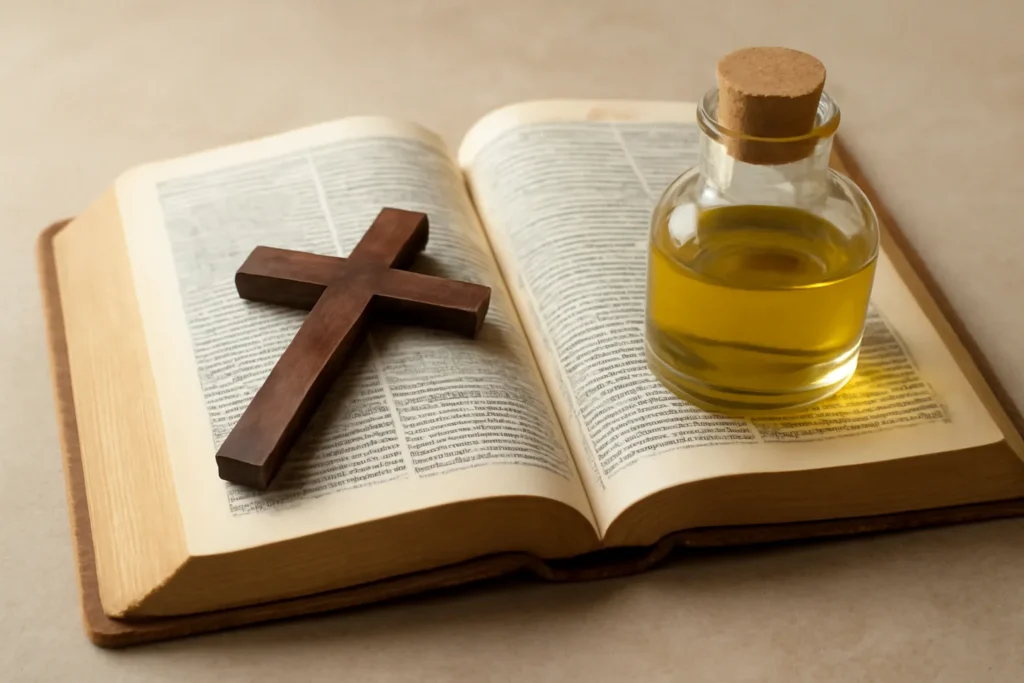
Both the Old and New Testaments describe the use of anointing with oil and laying on of hands as symbolic acts denoting communion, blessing, and intercession. In many Christian traditions, these acts are part of prayer for healing, supporting the afflicted, and confirming the faith of the community that God cares about the whole person.
Sacraments and Communion
Sacred meals and rites—such as the Lord’s Supper in Christian practice—are seen as means of grace that strengthen believers, remind them of Christ’s healing work, and renew hope in God’s promises. Participating in these sacraments can be a spiritual remedy for weary hearts and anxious souls.
Scripture Meditation and Confession
Immersing the mind in Scripture can bring mental and emotional healing by renewing interpretation, transforming fear into faith, and offering new patterns of thought. Confession of sins, when practiced in humility and accountability, can dissolve guilt and restore peace.
Lifestyle and Stewardship
Healthy living—balanced nutrition, regular sleep, exercise, and stress management—finds a supportive role in a biblical framework. Stewardship, mindfulness, and community service are not mere prescriptions for moral virtue; they are integral to a life oriented toward healing and wholeness.
Holistic Health: The Bible and Mental Well-Being
The Bible speaks to the human person as an integrated being—body, soul, and community. This perspective supports a holistic approach to healing that honors emotional and mental health as essential components of cure. Notable themes include:
Peace that surpasses understanding as a mental and spiritual state arising from trust in God.
Addressing fear, anxiety, and depression through prayer, community, and spiritual disciplines.
Encouragement to replace worry with worship, gratitude, and acts of service that redirect attention off self-centered distress.
In counseling, education, and pastoral care today, the language of spiritual healing is often combined with secular approaches to mental health. Readers should view biblical guidance as a complementary resource that can enhance resilience while seeking professional help when needed.
Many readers ask how biblical remedies relate to contemporary healthcare. The healthiest stance is integrative: maintain open communication with medical professionals, pursue evidence-based treatment, and bring faith-based practices into the care plan where they are helpful. Key principles include:
Viewing prayer and medical treatment as partners rather than opponents.
Recognizing that miraculous healing, while affirmed in Scripture, is not guaranteed in every case, and that God’s will may involve ongoing illness or recovery over time.
Using spiritual disciplines to support healing processes—especially when dealing with chronic conditions or emotional distress.
In practical terms, families might adopt routines that blend medical adherence with spiritual practices: meditating on healing-focused verses, practicing Sabbath rest, incorporating praise and gratitude, and seeking pastoral care alongside clinical care.
A Practical Guide: Steps to Seek Spiritual Healing
For readers who want a structured path toward a bible cure-oriented journey, the following steps offer a pragmatic framework. They are not guarantees of outcomes, but they describe a posture of faith and action that many have found helpful:
Assess your need honestly: Screen for physical symptoms, emotional strain, and spiritual burden. Prayerfully name what you want God to address.
Seek God through Scripture: Read passages that speak to healing, comfort, and restoration. Journal insights and how they apply to your life.
Confess and repent where needed: Acknowledge patterns that hinder healing, including guilt, bitterness, or unresolved conflict.
Engage in prayer with others: Invite trusted friends or a pastor to lay hands in prayer, ask for intercession, or simply share your burden.
Practice appropriate disciplines: Include fasting, confession, meditation on God’s promises, and acts of mercy as part of your routine.
Incorporate practical care: Follow medical advice, adopt healthier habits, obtain rest, and manage stress through constructive activities.
Evaluate progress gently: Reflect on changes in body, mind, and spirit over time, and adjust practices as needed with spiritual discernment and medical counsel.
Common Questions and Myths
In exploring the biblical cure tradition, several questions often arise. Here are concise clarifications to common myths and concerns:
Is healing always dramatic? No. Biblical healing ranges from sudden miracles to gradual restoration, often through steady spiritual formation and faithful living.
Does prayer replace doctors? Not typically. The Bible presents prayer as a powerful companion to medical care, not a substitute when professional treatment is necessary.
Can faith guarantee healing? Faith is a relational stance toward God, not a guarantee of physical outcome. It can, however, foster hope, resilience, and grace in suffering.
Is healing only about physical health? No—the biblical concept of healing is comprehensive, addressing body, mind, spirit, and social well-being.
Resources for Further Study
If you wish to deepen your understanding of scriptural healing and biblical remedies, consider a mix of study and devotional materials. Suggested avenues include:
Bible study guides focusing on healing passages from both the Old Testament and the Gospels.
Devotional books on faith, prayer, and healing practices that emphasize integration with daily life.
Historical surveys of Christian healing movements and how different traditions interpret biblical remedies.
Resources on pastoral care that address sickness, suffering, and resilience with spiritual sensitivity.
When exploring these resources, look for materials that clearly distinguish between divine sovereignty, biblical instruction, and the realities of medical science. The most fruitful approach combines reverent study with practical wisdom and compassionate care.
Case Studies and Scriptural Illustrations
Scripture provides numerous narratives that illustrate how healing operates within faith. While each account is unique, several patterns recur:
Jesus’ healing ministry often followed a declaration of faith or an act of mercy, highlighting the divine mercy at work.
Laying on of hands and prayer frequently accompanies healing requests, signaling communal involvement and spiritual solidarity.
Healing frequently brings restoration beyond the individual, impacting relationships, family life, and public witness.
These patterns remind readers that healing is not merely about symptom relief but about a broader restoration that aligns life with God’s purposes. Such narratives can inspire personal hope and communal care as people seek God’s healing presence in everyday life.
Constructing a Personal Practice of Spiritual Healing
Building a sustainable practice around biblical healing involves intentionality and community. Consider these practical ideas to cultivate a balanced approach to healing aligned with biblical principles:
Daily scripture engagement that includes passages about healing, restoration, and hope.
Regular prayer times that invite God to search the heart and guide decisions about health and well-being.
Community accountability with friends, mentors, or a church body to provide encouragement and practical support.
Healthy habits such as nutrition, sleep, exercise, and stress management as part of stewardship of the body.
Grace-filled forgiveness and reconciliation to reduce emotional burden and promote inner peace.
By combining these practices, a person can create a robust ecosystem for healing that honors God, fosters resilience, and respects medical care. The result is a practical manifestation of spiritual healing in daily life, often described as a biblical remedy that supports lasting wholeness.
Conclusion: Embracing a Comprehensive View of Bible Cure
The concept of a bible cure invites believers into a comprehensive conversation about healing. It recognizes that God cares for the whole person—body, mind, and spirit—and that healing can emerge through faith, disciplined practice, and communal care. By embracing the terms biblical cure, scriptural healing, and divine healing, readers gain a versatile vocabulary for navigating suffering and seeking renewal. Remember that the biblical perspective on healing is not an either/or proposition with medicine; rather, it is an invitation to partner with God through prayer, obedience, and love, while also seeking appropriate professional care when needed.
As you explore this path, may you find encouragement in the timeless truth that healing in the Bible is ultimately about restoration—restoration to God, to others, and to your rightful place in creation. May the practice of spiritual healing and biblical remedies empower you to walk in hope, pursue wholeness, and grow in faith as you seek God’s presence in every season of life.








Leave a Reply