Introduction: Opening to Hope through a Catholic Approach to Healing Prayer
In the journey of confronting cancer, many people turn to a distinct and enduring source of strength: Catholic prayer for healing. This is not just a set of words spoken aloud; it is a faith-based practice that seeks hope, meaning, and spiritual comfort while acknowledging that healing may take many forms—physical, emotional, relational, and spiritual. The phrase “Cancer Healing Prayer Catholic” encompasses a family of devotional traditions, liturgical rituals, and personal disciplines designed to accompany patients, families, and caregivers on the road toward peace, resilience, and trust in God’s plan. This guide offers a comprehensive overview of how Catholic believers approach healing prayer in the face of cancer, including practical practices, sacred rites, and the pastoral resources available in parishes, hospitals, and Catholic communities.
What This Guide Means by a Catholic Perspective on Healing
The expression catholic cancer healing prayers covers several layers. At its core, it is about inviting God into the broken places of life and recognizing that God’s love is a force for transformation, mercy, and grace. The Catholic understanding of healing does not pretend that illness is painless or unimportant; instead, it invites believers to trust that God meets us in weakness, sustains us with grace, and invites us to cooperate with healing in ways that honor the dignity of every person. In this sense, the practice can be described as a faith-based pathway to hope and spiritual comfort that complements medical treatment and palliative care, rather than replacing them.
Foundations: The Biblical and Catholic Traditions Behind Healing Prayers
Healing prayers in the Catholic tradition rest on a rich well of Scripture, sacramental life, and the witness of the saints. Several biblical passages are frequently cited in the practice of healing prayer, and they provide ethical and theological grounding for a Catholic approach to cancer care. The passages emphasize the power of faith, the role of community intercession, and the availability of God’s mercy to those who seek it.
Anointing of the Sick: Rooted in James 5:14-15, this sacrament is a vital Catholic practice for those facing serious illness. It offers prayers for healing, strength, and forgiveness, and it is not limited to a single moment but can be part of ongoing spiritual care during cancer treatment.
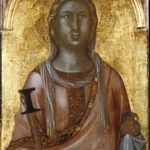
Intercession of the Saints: The Catholic tradition invites the faithful to ask for the intercession of saints known for compassion and healing, such as St. Peregrine and Our Lady of Lourdes, whose stories of healing through prayer inspire confidence that heaven supports earthly suffering.
Divine Mercy and Eucharistic Devotion: Prayer practices like the Divine Mercy Chaplet or Eucharistic Adoration are central to experiencing the tenderness of God’s mercy and presence in suffering.
Hope through the Paschal Mystery: The death and resurrection of Christ provide a transformative frame for suffering, reminding believers that life has meaning beyond illness and that endurance can bear fruit in union with Christ’s saving work.
Key Catholic Prayers and Traditions in the Cancer Context
To understand catholic cancer healing prayers, it helps to become familiar with several well-loved practices that people turn to in hard times:
Novenas for Healing: Extended prayer cycles that seek Mary’s or a saint’s intercession over a nine-day or nine-week period, often focusing on perseverance, courage, and trust in God’s will.
Rosary and the Luminous, Sorrowful, Joyful mysteries: Meditative prayer that centers on the life of Christ and Mary, inviting calm, perspective, and spiritual insight in the face of fear.
Divine Mercy Chaplet: A devotion asking for divine mercy for the sick, the dying, and all who suffer, enfolded in a rhythm that fosters surrender to God’s compassion.
Intercessory Prayers: Community or family prayers that lift up the needs of a cancer patient, often read aloud in parish settings or prayed as a family petition.
How to Pray: A Practical Guide to Catholic Cancer Healing Prayer
Engaging in healing prayer can take many forms, from personal daily practice to structured liturgies in hospital chapels or parish communities. The following roadmap offers practical steps that can be adapted to different circumstances, whether you are a patient, a family member, or a caregiver.
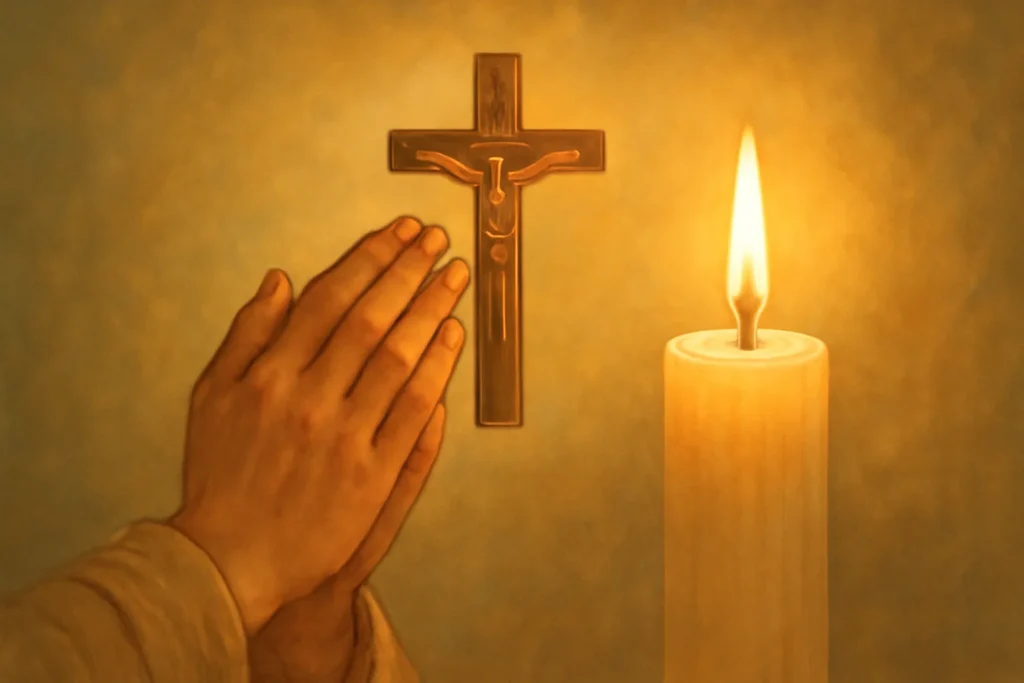
Set a quiet space: Create a calm environment free of distracting noises. Light a candle, place a crucifix or icon nearby, and invite God to accompany you in the moment.
Invite God into the situation: Acknowledge the reality of cancer, the pain, and the fear, while opening your heart to God’s presence and love.
Choose a prayer form: Use a traditional Catholic prayer, a rosary, the Divine Mercy Chaplet, a novena, or a simple, spontaneous conversation with God.
Include others: Invite family, friends, or a parish community to pray with you. The Church teaches that the communion of saints intercedes on behalf of the sick.
Offer intentions with honesty: Name your hopes—the healing you seek, the grace to endure, and the acceptance of God’s will for your life and stages of treatment.
End with a blessing or an act of faith: Close with a short prayer, a favorite verse, or a blessing from a priest when possible.
Specific Practices for Healing Prayer in Catholic Tradition
Below is a non-exhaustive inventory of devotional tools and practices commonly used in Catholic contexts to support cancer patients and their families. Each practice has its own focus and texture, and many people combine several to tailor a path that fits their spiritual temperament and medical reality.
Hospital Chaplaincy: The Catholic hospital chaplain is a key resource for spiritual care, providing sacraments, prayers, and companionship during treatments, surgeries, or end-of-life decisions.
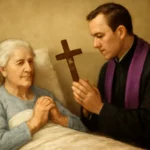
Anointing of the Sick (and Viaticum): When requested, this sacrament offers grace, healing, and strength for the journey, often combined with confession and Holy Communion as part of ongoing spiritual care.
Holy Communion and Eucharistic Adoration: Receiving the Eucharist can be a profound source of spiritual nourishment, especially when physical strength is limited; adoration allows silent, sustained prayer before the Blessed Sacrament.
Blessings and Litanies: Reciting litanies of saints or specific blessings for healing can be comforting, providing structure and a sense of solidarity with the broader faith community.
Novena for Healing: A structured nine-day or nine-week prayer focusing on healing, help, courage, or the patient’s specific needs, often addressed to Mary or a chosen patron saint.
Intercessory Prayer Circles: Groups of family, friends, or parishioners who gather to pray for a patient’s healing and peace, sometimes sharing testimonies of hope and resilience.
Prayers for Healing: Sample Texts and Everyday Language
Crafting a healing prayer for cancer can blend traditional language with personal petition. Here are sample formats you can adapt. They respect Catholic liturgical sensibilities while remaining accessible for daily use.
Sample Novena Prayer (Original Text)
“O Mary, Mother of mercy and comfort, our hearts ache with the weight of illness. Intercede for [Name], that every cell of their body may be restored to health if it is Your holy will. Grant perseverance in treatment, courage in fear, and peace in pain. May your tender motherly protection shield them from despair, and may all who walk this path know the presence of your love. We place our trust in your Son, who heals and sustains us, now and at the hour of our need. Amen.”
Sample Intercessory Prayer
“Heavenly Father, we ask for Your grace to overspread [Name] with healing and strength. Guide the hands of the medical team, grant wisdom to decisions, and grant peace to family and caregivers. If healing is Your will, grant restoration; if not, grant the courage to endure and the grace to find joy in small mercies. We ask this through Christ our Lord. Amen.”
Special Devotions: Rosary, Divine Mercy, and Marian Prayers for Cancer Patients
Devotions like the Rosary and the Divine Mercy Chaplet are particularly meaningful for many Catholics facing cancer. They provide rhythm, consolation, and a sense of spiritual companionship with Mary and Jesus in times of deep uncertainty.
Rosary: Meditative prayer that invites contemplation of the mysteries of Christ’s life and Mary’s role in salvation history. People often pray the sorrowful or joyful mysteries with a specific intention for healing and comfort.
Divine Mercy Chaplet: A devotion centered on Jesus’s mercy, asking for relief from suffering and the transformation of fear into trust. It is especially meaningful during crisis moments in cancer care.
Marian Prayers: Invocations to Mary, Mother of the Church, for protection, intercession, and a sense of maternal care amid illness and medical decisions.
Integrating Prayer with Medical Care: A Holistic Approach
Many Catholic families and patients find that a holistic approach to healing—one that integrates prayer with conventional medicine, nutrition, physical therapy, and psychosocial support—offers the best chance for hope and well-being. Catholic teaching emphasizes the dignity of the whole person: body, soul, mind, and relationships. This view aligns with modern patient-centered care, which recognizes that emotional and spiritual health strongly influence physical outcomes and quality of life.
Respect for medical decisions: Prayer does not replace medical advice. Instead, it asks for grace to understand and follow recommendations, and to navigate complex decisions about treatment options, side effects, and goals of care.
Support for caregivers: Prayer can sustain spouses, children, and other caregivers who bear burdens of responsibility, fear, and fatigue, helping them stay present and compassionate.
Spiritual assessments in care plans: Some Catholic health care providers incorporate spiritual needs assessments to tailor pastoral care, prayer resources, and sacramental access to patients’ conditions.
Spiritual Comfort: Meaning-Making and Resilience in the Face of Cancer
Cancer can challenge a person’s sense of meaning, purpose, and hope. Catholic prayer for healing invites patients and families to engage in a process of meaning-making—finding God’s presence in suffering, clarifying personal values, and strengthening relationships. This process can foster resilience, not by denying pain, but by transforming it through faith, community, and hope in God’s love.
Finding purpose: Some patients discover new ways to serve others during treatment, such as volunteering, sharing a personal testimony, or mentoring others who face illness.
Restoring relationships: Family prayers and reconciliations can help repair strains caused by illness, creating a more supportive home environment for healing.
Grief and loss: Catholic faith provides liturgies and rituals for mourning, with the belief that God holds all suffering within the broader narrative of salvation.
Saints as Companions: The Intercession of Healers in Catholic Tradition
In Catholic devotion, intercession by saints offers a spiritual companionship for those facing cancer. St. Peregrine, often invoked for healing from cancer and other serious illnesses, is a prominent example. Our Lady of Lourdes is another emblematic figure whose apparitions and miracles sustain the faith of those who seek physical healing and spiritual comfort. While saints are not substitutes for medical care, their stories provide examples of perseverance, courage, and trust in God’s mercy.
Common Myths and Realities about Catholic Healing Prayer
To approach healing prayer in a balanced way, it is helpful to distinguish between wishful thinking and theological teaching. Here are some common concerns and clarifications:
Myth: Prayer guarantees a cure for cancer. Reality: Prayer is a spiritual practice that invites trust in God, but it does not promise a specific medical outcome. It can bring peace, courage, and spiritual healing regardless of bodily healing.
Myth: Praying more means less medical care. Reality: Prayer can accompany medical treatment. The Church encourages seeking competent medical care while remaining open to God’s grace in all experiences.
Myth: Suffering is always punishment. Reality: Catholic theology views suffering as redemptive when united to Christ, and a conduit for growth in love, rather than a random punishment.
Local parishes and Catholic health care systems often organize resources to support cancer patients through prayer, sacraments, and pastoral care. Services may include:
Pastoral visits from a priest or lay ecclesial minister who prays with patients and offers spiritual counsel.
Group prayer gatherings or parish-based prayer teams that focus on healing intentions and provide mutual encouragement.
Faith-sharing meetings where patients and families reflect on Scripture passages, share testimonies, and discuss how prayer shapes daily life during treatment.
Education on sacraments and how and when to request Anointing of the Sick or Holy Communion in hospital or home settings.
A Practical Guide for Families: Supporting a Loved One with Cancer through Prayer
Families often want practical steps to support a loved one’s spiritual life while navigating medical procedures. The following approach can help families integrate prayer into daily life with compassion and respect for patient autonomy.
Ask about preferences: Inquire about whether the patient desires prayer, sacraments, or specific devotional practices, and respect any boundaries about discussing illness in public settings or at work.
Establish a routine: Create a gentle daily practice, such as a short morning prayer, a rosary during waiting periods, or a quiet moment for reflection after treatment sessions.
Coordinate with clergy and chaplains: If possible, invite a priest or chaplain to visit, offer the sacraments, or provide spiritual guidance aligned with medical plans.
Harness community support: Organize a rotating prayer schedule among family, friends, and parish members to ensure sustained spiritual support without overwhelming the patient.
Respect medical realities: Use prayer as a source of strength and acceptance while continuing medical follow-through and honest conversations with the healthcare team.
End-of-Life Perspectives: Dignity, Faith, and Pastoral Care
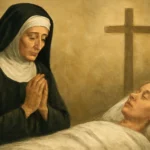
When cancer advances to life-limiting stages, Catholics may turn to prayers and rites that honor the dignity of the person and prepare for the possibility of death with hope in eternal life. The Anointing of the Sick, the Viaticum, Reconciliation, and Holy Communion can provide spiritual comfort and a sense of closeness to Christ at the end of life. The goal in such moments is not to hasten death but to offer grace, courage, and the assurance that God remains with the patient and family in every moment of the journey.
Stories of Hope: Real-Life Experiences with Catholic Cancer Healing Prayer
Stories from patients and families who practice catholic cancer healing prayer often highlight how faith sustains endurance, fosters gratitude, and deepens family bonds. While each story is unique, several common themes emerge:
Peace amid uncertainty: Prayer provides a steady center when treatment plans change or fear resurfaces.
Strength for daily life: Small acts of prayer or devotional practices become anchors for living well day to day.
Grace in community: Shared prayers and parish involvement create a network of compassionate support.
Spiritual growth: Suffering becomes an invitation to deepen faith, hope, and trust in God’s mercy.
Access to spiritual care often depends on the setting: parish life, hospital chaplaincy, or retirement or hospice programs. Some reliable resources include:
Local parish websites or office staff who can connect you with a priest or pastoral associate for prayer and sacramental care.
Hospital chaplaincy: Many accredited Catholic hospitals have chaplain services available to patients, families, and staff at no extra cost to the patient.
Diocesan Catholic organizations that coordinate healing prayer initiatives, retreat days, or support for caregivers.
Saints’ devotional communities that offer novenas and prayer circles focused on healing and mercy.
Educational resources about how to discuss faith and healing with medical teams, including guidelines for spiritual care in oncology departments.
If You Are Hosting a Prayer Time: A Quick, Respectful Format
If you are organizing a small prayer gathering for someone with cancer, here is a simple format that respects the patient’s needs and safety:
Begin with a short greeting and a moment of silence to invite God’s presence.
Offer a brief reading from Scripture that speaks to healing, endurance, or faith in God’s mercy.
Invite participants to share intentions briefly if they wish, and then pray aloud in a circle, with one person offering a closing blessing.
Close with a sacramental reminder, such as a blessing or a short prayer to Mary or the saints.
Conclusion: A Path of Hope, Healing, and Spiritual Comfort
The Catholic tradition offers a rich and compassionate framework for cancer healing prayer catholic, one that honors the sacred dignity of every person and recognizes the complex reality of illness. This path emphasizes hope, not as a certainty of bodily healing but as the deep assurance of God’s presence, mercy, and love. It invites patients, families, and caregivers to engage in rituals that strengthen faith, foster resilience, and build community—while remaining grounded in the practical realities of medical care and informed decision-making. Whether through the sacrament of the Anointing of the Sick, the restorative cadence of the Rosary, the mercy of the Divine Chaplet, or the quiet support of parish prayer, Catholic healing prayer can be a powerful companion on the cancer journey—an enduring source of spiritual comfort and hope for today and for tomorrow.
Appendix: Quick Reference Guide to Key Terms and Practices
Anointing of the Sick: A sacrament given to the seriously ill or those undergoing major procedures, offering grace, comfort, and spiritual healing.
Viaticum: The Eucharist given to a Catholic who is near death, as food for the journey into eternal life.
Novena: A dedicated period of prayer, often nine days, seeking the intercession of Mary or a saint for healing or a specific grace.
Divine Mercy Chaplet: A devotion focusing on God’s mercy for the sick and suffering, often recited using beads and a standard set of prayers.
Our Lady of Lourdes and St. Peregrine: Saints revered for healing intercession and compassionate care in Catholic tradition.
Intercessory prayer: Prayers offered on behalf of another person, asking God to grant healing, strength, or peace.



Leave a Reply