Laying on of Hands — Biblical Meaning, Significance, and Practices
Laying on of Hands — Biblical Meaning, Significance, and Practices
Bible Dictionary · prácticas
Laying on of Hands — Biblical Meaning, Significance, and Practices
prácticas Laying on of Hands
The laying on of hands is a biblical practice involving placing hands on a person for a specific spiritual purpose. It signifies blessing, healing, commissioning, or imparting the Holy Spirit. Throughout Scripture, this act symbolizes authority, recognition, and divine transfer of power or blessing. It is a profound gesture that connects the physical act with spiritual meaning across different contexts in the Bible.
The term derives from the Greek word 'cheirománeō', meaning 'to lay hands' or 'to stretch out the hand'. The Greek root 'cheir' means 'hand', and 'māneō' means 'to remain or stand firm'. Over time, this term evolved to emphasize the act of physically placing hands on someone as a sign of blessing or empowerment, becoming a main symbol of divine authority in biblical tradition. The Hebrew equivalent, 'semikhah', also signifies the act of ordination or consecration through the laying on of hands, emphasizing its sacred and authoritative nature.
Key Bible Verses
Mark 6:5
Jesus was unable to perform many miracles in His hometown because of their lack of faith, but He laid hands on a few sick people and healed them.
This verse highlights early instances of Jesus using the laying on of hands for healing, illustrating its significance as a method of divine healing.
Acts 8:17
Peter and John laid hands on new believers, and they received the Holy Spirit, demonstrating the practice of imparting spiritual blessing through hands.
This verse shows the laying on of hands as a means of conferring the Holy Spirit to believers, a key aspect of church initiation rites.
1 Timothy 4:14
Paul encourages Timothy not to neglect the gift given through prophecy and the laying on of hands, emphasizing the importance of this practice in spiritual leadership.
This passage underlines the role of laying on hands in commissioning and affirming leaders in the early church.
Theological Significance
Theologically, the laying on of hands signifies divine authorization and empowerment. In the Old Testament, it was used for blessing, consecration, and ordination, as seen with priests and kings. In the New Testament, it continues as a key act for healing, the imparting of the Holy Spirit, and commissioning believers for service. This practice symbolizes the transfer of spiritual authority and the visible acknowledgment of divine calling. It underscores the continuity of God's covenantal presence and power across biblical history, reinforcing themes of divine approval and spiritual legitimacy.
Across Christian Traditions
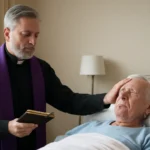
Catholic and Orthodox traditions view the laying on of hands as a sacred sacrament, especially in ordination, confirmation, and healing rites, emphasizing its sacramental and divine authority. Many Protestant denominations see it primarily as a symbolic act of blessing, prayer, and spiritual commissioning, often emphasizing faith and the Holy Spirit’s power over the physical act. Evangelicals frequently practice laying on of hands during prayer for healing or spiritual empowerment, viewing it as a biblical model but not a formal sacrament. Each tradition maintains that while the act is rooted in Scripture, its understanding and application can vary based on doctrinal perspectives.
Application in Christian Life
Christians today can apply this concept by praying for others through the laying on of hands, especially for healing, comfort, or guidance. It can be practiced in personal prayer, community worship, or during special ceremonies like ordinations or confirmations. Practitioners see it as an act of faith and obedience to Jesus’ command to heal and bless others. It also encourages believers to recognize spiritual authority and to entrust others to God's power through prayer. This act fosters a tangible connection to God and a sense of community and spiritual authority within the church.
The earliest biblical references to laying on of hands date back to Genesis, where it was used for blessing Isaac and Jacob. Historically, this act influenced laying on of hands in medieval ordination ceremonies and the development of sacramental practices across Christian traditions.
Frequently Asked Questions
Is the laying on of hands necessary for healing?
While the Bible shows it used in healing practices, it is not necessary for healing as God can heal through prayer alone (James 5:14-15). It is a meaningful symbolic gesture that accompanies faith and prayer.
Can anyone lay hands on someone for blessing or prayer?
Yes, generally all believers are encouraged to pray and lay hands on others as an act of faith, following Jesus' example (Mark 16:18). However, specific roles like clergy may have particular responsibilities and prayers.
Is laying on of hands a sacrament in all denominations?
No, it is considered a sacrament in Catholic and Orthodox traditions, while many Protestant and Evangelical churches see it as an important but non-sacramental practice for blessing and empowering believers.