Anointing of Sick Sacrament: Meaning, Significance, and How It Is Administered
Anointing of Sick Sacrament: Meaning, Significance, and How It Is Administered
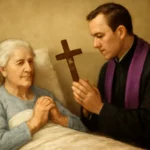
The Anointing of the Sick is one of the Church’s most ancient and significant sacraments. Also known historically as the unction of the sick and, in older practice, Extreme Unction, this rite gathers parishioners around someone facing serious illness, old age, or the dangers of death to bring the grace and mercy of God into their life. In Catholic theology, and in many other Christian traditions, the rite is a powerful sign of God’s presence with the suffering, offering consolation, strength, and, when it is God’s will, physical or spiritual healing. This article explores the meaning, significance, and practical administration of the sacrament of the anointing of the sick, using variations of terminology to reflect its breadth across traditions while staying grounded in its core Catholic understanding.
The central purpose of the sacrament of the Anointing of the Sick is to bring grace into the life of a person who is gravely ill or near death, to strengthen them to endure illness or suffering, and to provide spiritual healing and comfort. It is not merely a ritual of physical healing; it is a rite of spiritual renewal. The anointing is a sign that God is near in times of weakness and vulnerability, and it invites the community to intercede on behalf of the sick person.
Grace and consolation: The sacrament confers grace that helps the recipient bear their pain and anxiety with faith, hope, and charity. It is a gift of comfort that accompanies suffering rather than eliminates it automatically.
Strength for the journey: Illness can be a path toward greater dependence on God, humility, and conversion. The anointing supports that spiritual journey by strengthening the person’s trust in divine mercy.
Union with Christ: Through the laying on of hands and the anointing with oil, the recipient is drawn into a deeper union with Christ in his own passion and endurance.
Physical and spiritual healing: While many people inquire about physical healing, the primary intent of the rite is the spiritual healing of the soul and the strengthening of faith. In God’s plan, healing may be holistic—bodily, mental, and spiritual—or it may be a grace that sustains the person in their suffering and prepares them for eternal life.
Forgiveness of sins when possible and reconciliation if feasible: In Catholic understanding, if the person is conscious and can confess, the rite is often connected with reconciliation or confession; if confession isn’t possible due to grave illness, the sacrament still offers the grace of forgiveness in line with the Church’s mercy, entrusting the dying to God’s mercy.
Preparation for death or for a life-threatening event: The anointing is closely linked with the Church’s pastoral care near the end of life, helping the person (and their family) to live and die in faith.
Historical Development and Terminology
Throughout the history of the Church, this sacrament has been called by several names that reflect its evolving understanding. The term “Extreme Unction” is an older designation that emphasizes the gravity of the moment when a person approaches death, although today it is understood to be a broader healing sacrament for those who are seriously ill, rather than solely a last rites practice. The phrase “unction of the sick” is another traditional designation that highlights the use of anointing oil (unction) as a sign of healing grace. In many Christian communities, especially within the Catholic and Orthodox traditions, the practice has continued to adapt to new pastoral realities, but the core elements—oil, laying on of hands, and prayers of intercession—remain central.
Liturgical evolution and ecumenical breadth
In the Catholic Church, the rite is part of the sacramental economy alongside the Eucharist and Penance, serving as a means of grace when illness threatens life or health.
In the Eastern Orthodox and many Eastern Catholic churches, a similar practice exists under the banner of Holy Unction or Anointing, typically administered with multiple anointings on different parts of the body, and often extending to a broader liturgical context during illness and before death.
In some Anglican and other Protestant traditions, forms of anointing with oil may appear in healing services or as part of pastoral care, though the theological understanding of “sacrament” may differ from that in the Catholic Church.
Significance for Individuals, Families, and Communities
The Anointing of the Sick is deeply pastoral. It speaks to the dignity of every person who bears illness and fragility and to the church’s responsibility to care for the whole person—body, soul, mind, and spirit. The sacrament is not a private ritual alone; it involves the faith community, the celebrating priest, and often the family and friends who gather to pray and support the sick person.
Pastoral care in parish life: The sacrament reinforces the truth that illness and suffering are not isolated struggles but concerns of the Christian community. The faithful are invited to accompany the sick person, offering prayers, visits, and practical help as part of living faith.
Hope amid suffering: The grace of the sacrament can renew hope, not by erasing suffering, but by transfiguring it through faith and the presence of Christ who offers comfort in weakness.
Preparation and reconciliation: When possible, the sacrament is linked with confession and communion, guiding the ill toward reconciliation with God and with others, and toward Holy Communion if they are able to receive it.
Support for families: It provides a meaningful moment for family members to witness spiritual care, to reflect on life and mortality, and to recommit to caregiving with compassion and patience.
When the Sacrament Is Generally Administered
The Anointing of the Sick is ordinarily offered to those who are gravely ill, facing major surgery with serious risk, or in old age when health is failing. It is not limited to those who are in immediate danger of death; it is also a way to accompany people through difficult illnesses, long hospitalizations, or chronic conditions that threaten life. It can be administered more than once if the person’s condition worsens or if they experience renewed illness. The sacrament is also especially appropriate when death seems imminent or when the person experiences a crisis of health that disrupts daily life.
Considerations for timing
Severity and prognosis: When illness or surgery presents a significant risk to health or life, the sacrament becomes relevant.
New or ongoing health challenges: A reoccurring health crisis or a new diagnosis can be occasions for reception of the sacrament.
Before major procedures: Some families opt to celebrate the anointing prior to surgery to secure spiritual strength and divine grace.
Near the end of life: As death approaches, the sacrament is closely connected with the reception of viaticum (the Eucharist given as nourishment for the journey to eternal life), when appropriate and possible.
Ritual Structure: How the Anointing of the Sick Is Administered
The rite is a carefully structured liturgy that combines visible signs with sacred prayers. Although the exact wording may vary by rite and jurisdiction, the essential elements are shared across traditions. Here is a practical overview of the typical order and components.
Preparation: The priest or authorized minister prepares the space, the calendar of the parish’s liturgical life, and the Oil of the Sick, which is blessed at the Chrism Mass or by the bishop for the year.
Greeting and invitation: The minister welcomes the sick person and family, explains the purpose of the sacrament, and invites them to participate with faith and trust in God’s mercy.
Prayers for healing and strength: The assembly offers intercessions for healing, comfort, and deliverance from fear and despair.
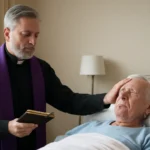
Minister’s laying on of hands: A visible sign of the Church’s invocation of the Holy Spirit and the transmission of grace by the Holy Spirit through the community and the minister.
Anointing with the Oil of the Sick: The priest makes the sign of the cross on the forehead and on the hands of the ill person while praying the words of the form, which express the petition for healing, strength, and mercy.
Words of the form: The form typically petitions God to grant strength, forgiveness of sins where possible, peace, and salvation for the person in illness.
Communal prayers and, if possible, Holy Communion: The rite may be accompanied by the reception of the Eucharist if food has not been omitted and if the person is in a state to receive it.
Concluding blessing: The minister blesses the sick person and the family, sending them forth with grace and courage to endure and to continue their Christian journey.
Where the oil is applied
The Oil of the Sick is applied primarily to the forehead in the form of a cross and, in many Western rites, to the hands or other parts of the body to emphasize the grace of healing that God provides to the whole person. The number of times the oil is applied and the specific sequence may differ among liturgical traditions, but the symbolism remains consistent: oil as a sign of strengthening, healing, and the Holy Spirit’s presence in human weakness.
Role of the minister and the community
The Minister: The sacrament is normally administered by a priest, or by a bishop in the case of special circumstances, who acts as the Church’s conduit of grace.
The Community: Family and friends participate through faith and intercession. Their presence reinforces the sense that illness does not place the person outside the communion of the Church; rather, illness invites a more vivid experience of the Body of Christ in need of love and support.
Practical Considerations: What to Expect During the Celebration
For many families, the Anointing of the Sick is a profound moment that blends solemn liturgy with personal care. Here are some practical considerations to help prepare for and participate in the sacrament.
Preparation: If possible, discuss with the parish priest or pastoral staff about timing, especially if a hospital or home setting is involved. Provide the patient’s health information, religious preferences, and any special intentions for prayers.
Inclusion of family members: Encourage family, friends, and caregivers to participate. Their presence models Christian compassion and solidarity.
Communication about expectations: Explain that the purpose is to receive grace and strength, not merely to seek physical healing. This helps manage expectations and avoids misunderstanding about outcomes.
Follow-up care: The sacrament is one moment in ongoing pastoral care. Plan for continued prayer, visits, and spiritual support after the rite.
Variations Across Denominations: Similarities and Differences
While the core signs—oil, laying on of hands, prayers—are common to many Christian traditions, the theological framing and practical applications can differ. Here are some broad observations about how different communities approach the practice.
Catholic: The Anointing of the Sick is a fully sacramental act, distinct from Confession and Holy Communion, but it may be connected with both when circumstances permit. The emphasis is on the mercy and grace of God, the healing of soul and body, and the preparation for life’s final journey.
Eastern Orthodox: The rite is often called Holy Unction and may involve multiple oilings on various parts of the body. The practice emphasizes communal prayer for healing and forgiveness, with a strong sacramental sense of the life of the Church as a hospital for souls.
Anglican and some Protestant Communities: The practice varies. Some traditions emphasize healing as a major facet of pastoral care, while others may treat the rite as primarily pastoral or symbolic. In some contexts, the rite is more closely associated with the broader healing service rather than a formal sacrament with a fixed set of signs.
Common Questions about the Anointing of the Sick
Who can receive this sacrament?
Anyone who is gravely ill, facing major surgery with risk, or in old age and experiencing significant health challenges may be eligible. The sacrament can be received more than once if the person’s condition changes or worsens.
Is the sacrament only for the dying?
No. While it is often associated with end-of-life care, its primary purpose is to strengthen and console those who are seriously ill, not only those who are near death. It is appropriate in many stages of illness, including preoperative situations and long-term illnesses.
Does this sacrament forgive sins?
Forgiveness of sins can be part of the broader pastoral care, especially if confession is possible. If confession cannot be made due to illness, the Church’s mercy is invoked, and grace is given in keeping with the patient’s disposition and the Church’s teaching on forgiveness.
What is the role of the Eucharist in this sacrament?
Reception of the Eucharist (the Blessed Sacrament) may accompany the Anointing of the Sick if the person is able to receive it. In cases of grave illness or death, the sacrament of the Eucharist may be given as viaticum to prepare the soul for the journey to eternal life.
Who can perform the rite?
The ordinary minister is a priest, who administers the sacrament in its canonical form. In very exceptional circumstances, and under the guidance of the Church’s discipline, parts of the rite may be facilitated in coordination with parish leadership, especially when access to a priest is limited.
Healing, Suffering, and the Spiritual Life
A central theme in the theology of the Anointing of the Sick is the redemptive meaning of suffering. The Church does not merely "pray away" illness; rather, it invites the afflicted to offer their pain in union with Christ. This perspective can transform a difficult illness into an experience of deeper faith and dependence on God’s mercy. The grace conferred by the sacrament helps believers to endure hardship with courage and hope, while remaining open to God’s will.
Pastoral benefits
Solidarity: The faithful witness to the sick person that the Church is with them in their anguish and that God’s love does not abandon them.
Spiritual resilience: The grace given through the sacrament can fortify the person against despair and fear, helping them face illness with a steadfast heart.
Relational healing: The community’s prayers and support can heal rifts, bring reconciliation, and renew relationships strained by illness and fear.
Conclusion: The Lifegiving Presence of Christ in Illness
In its deepest sense, the Anointing of the Sick is a proclamation of faith: God is with us in our fragility, and grace is available precisely when we are most vulnerable. It is a tangible sign of the Church’s mission to accompany the sick, to offer prayer and care, and to remind the faithful that life in Christ transcends the boundaries of illness and death. By embracing this sacrament, believers participate in the ongoing mystery of healing—an invitation to trust in the Lord’s mercy, to find strength in community, and to place oneself in God’s hands as the journey through illness continues. Whether the outcome is physical healing, spiritual renewal, or peaceful acceptance, the Anointing of the Sick bears witness to the fullness of God’s care for every human life.
Key terms to remember: Anointing of the Sick, sacrament, Oil of the Sick, Laying on of Hands, Chrism Mass, Extreme Unction, viaticum, reconciliation, healing, grace, mercy, suffering, faith, community.








Leave a Reply