Anointing Oil — Biblical Meaning, Significance, and Practices
Anointing Oil — Biblical Meaning, Significance, and Practices
Bible Dictionary · prácticas
Anointing Oil — Biblical Meaning, Significance, and Practices
prácticas Anointing Oil
Anointing oil is a sacred oil used in biblical times for consecration, healing, and sanctification. It symbolizes the Holy Spirit's presence and divine appointment, often used to consecrate priests, kings, and sacred objects. The oil represents purification and the empowerment of God's chosen individuals for service. Its use underscores themes of blessing, dedication, and divine authority in Scripture.
The Hebrew term for anointing oil is 'mishchá,' derived from the root meaning 'to smear or pour.' The Greek equivalent is 'aleipho,' meaning 'to anoint' or 'spread over.' Over time, the term evolved to emphasize the act of setting apart someone or something as sacred, highlighting its spiritual and ceremonial importance in biblical contexts. The derivation reflects the oil's dual role as a tangible means of consecration and a symbol of divine endorsement.
Key Bible Verses
Exodus 30:22-25
God commands Moses to make a sacred anointing oil with specific ingredients to consecrate the tabernacle and its furnishings, symbolizing God's presence in the sacred space.
This passage is key as it establishes the original biblical recipe and the importance of oil in sanctifying the holy objects and space.
1 Samuel 10:1
Samuel anoints Saul as the first king of Israel, symbolizing divine selection and empowerment through the anointing oil.
Highlights the role of anointing oil in marking divine appointment and authority of leaders.
James 5:14
The Apostle James instructs believers to anoint the sick with oil in prayer for healing and spiritual blessing.
Demonstrates the continued spiritual significance and use of anointing oil in New Testament practices related to healing and care.
Theological Significance
Anointing oil signifies the presence and empowerment of the Holy Spirit, serving as a divine endorsement of leadership, service, and sanctity. In the Old Testament, it rooted the consecration of priests, prophets, and kings, establishing a divine authority. In the New Testament, the concept expands to spiritual empowerment and healing, symbolizing believers' reception of God's Spirit. The use of oil reflects the overarching biblical theme of sanctification, setting individuals apart for God's purpose. It underscores the continuity of God's covenantal relationship and His ongoing process of sanctification through the Holy Spirit.
Across Christian Traditions
Catholic tradition emphasizes the sacramental aspect of anointing oil, especially in sacraments like Confirmation and the Anointing of the Sick. Protestants often view it as a symbolic act representing the Holy Spirit's presence and divine calling but may not practice formal anointing rituals. Orthodox Christianity holds to the sacred and sacramental use of oil, particularly in sacraments and blessing rites. Evangelicals may interpret anointing oil more symbolically, emphasizing faith and prayer over physical application, though some groups practice literal anointing as a sign of spiritual blessing.
Application in Christian Life
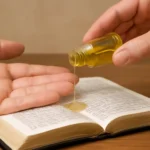
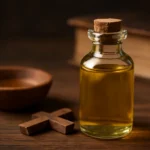
Christians today may use anointing oil in prayers for healing, protection, or spiritual empowerment. It is often applied during sacraments, such as confirmation or anointing services, to symbolize dedication to God. believers might also keep a small vial of oil as a reminder of God's presence and promise. Practically, some use it in personal prayer times, believing it invites God's blessing and the Holy Spirit's guidance in their daily lives.
The original biblical anointing oil recipe included rare ingredients like myrrh and cinnamon, emphasizing its preciousness and sacredness. Historically, the use of oil in religious ceremonies predates Christianity, appearing in ancient Egyptian and Middle Eastern cultures, illustrating its universal symbolism of divine blessing and power.
Frequently Asked Questions
What is the biblical significance of anointing oil?
It symbolizes the Holy Spirit's presence, divine appointment, and sanctification, serving as a sign of God's blessing and authority (Exodus 30:22-25; 1 Samuel 10:1).
Can anointing oil be used for healing today?
Yes, many Christians believe in the spiritual power of anointing oil for healing as instructed in James 5:14, combining prayer with the act of anointing.
Is anointing oil only a Catholic or Orthodox practice?
No, various Christian denominations, including Protestants and Evangelicals, utilize anointing oil symbolically or sacramentally, rooted in biblical practices.