Bible Eating Explained: Meaning, Practices, and Biblical Context
Among the many themes that run through the Bible, the motif of eating stands out as a powerful way to describe communion, nourishment, obedience, and revelation. Bible eating is not merely about physical sustenance; it is also a metaphor for accepting God's Word, participating in covenant relationships, and anticipating future feasts with God. In this article, we will explore bible eating in its literal, symbolic, and theological dimensions, survey notable biblical examples, and discuss how these ancient ideas inform spiritual practice today. We will use variations of the phrase to capture the breadth of the concept, from eating the Word to the bread of life, and from covenant meals to the Lord’s Supper.
What is Bible Eating?
To understand bible eating, it helps to distinguish between literal meals in biblical contexts and symbolic or theological eating that speaks to spiritual nourishment. In many passages, food acts as a bridge between the human and divine realms: a shared meal seals a covenant, a daily provision sustains faith, and a prophetic word is described as something to be consumed. This multifaceted idea is sometimes called eating the scroll or eating the Word, a vivid image of internalizing and savoring God’s message rather than simply hearing it aloud.
Literal eating in biblical culture
In the ancient Near East and in the Hebrew Bible, meals are not mere calories; they are acts of hospitality, fellowship, and belonging. When Abraham hosts strangers (Genesis 18) or when Israel shares the Passover meal (Exodus 12), eating is a tangible sign of blessing and covenant fidelity. The act of gathering around bread and wine or roasted meat is a way of saying, “We belong to one another under God.” In these contexts, the covenant meal becomes a ritual that binds participants to promises, laws, and shared identity.
Symbolic and theological dimensions
Beyond the table, bible eating often points to intake of God’s Word as spiritual food. When Ezekiel is commanded to eat the scroll (Ezekiel 3:1–3), the vision portrays the prophet’s reception and internalization of divine instruction. Jesus’ teaching about the bread of life (John 6) uses physical bread as a metaphor for eternal nourishment that endures beyond temporary hunger. The Bible thus presents eating as both a concrete, physical act and a metaphor for faith that digests and lives by God’s revelation.
Biblical Instances of Eating and Meals
Several key biblical episodes illustrate bible eating in different genres—narrative, law, gospel, and apocalypse. Each instance shows how food interfaces with divine-human relationships, covenant, and meaning.
Manna from heaven as daily bread (Exodus 16). The Israelites are instructed to gather enough daily portions, underscoring dependence on God’s provision and trust in God’s timing.
Passover meal and the unleavened bread (Exodus 12; Leviticus 23). The annual feast binds households to a narrative of liberation, obedience, and the remembrance of God’s saving act.
Showbread on the table in the Tabernacle/Temple (Leviticus 24; 1 Samuel 21). The bread represents ongoing fellowship with God, its arrangement signaling ritual purity and sacred space.
Loaves and fishes feeding miracles (Matthew 14; Mark 6; Luke 9; John 6). Jesus uses physical sustenance to point to a greater form of nourishment—his own person and mission.
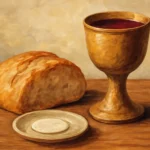
The Last Supper and the institution of the Lord’s Supper (Luke 22; 1 Corinthians 11). Bread and wine become ongoing signs of remembrance, sacrifice, and communion with Christ’s body and blood.
Eating the Word in Ezekiel and Revelation (Ezekiel 3; Revelation 10). The act of consuming scrolls or little books symbolizes acceptance and internalization of divine revelation, even when it is challenging to swallow.
Peter’s vision and dietary reform (Acts 10). The removal of ceremonial food barriers invites Gentiles into the people of God, reframing how food functions in a new covenant era.
Eating as covenant sign and communal practice
Throughout Scripture, meals function as covenant signs that declare mutual commitment between God and people. A shared meal is both a memory of what God has done (redemption, creation, providence) and a declaration of ongoing allegiance. When the people of God eat together—whether in the wilderness, at Passover, or around the table of the church—the act embodies fellowship, solidarity, and the expectation of divine blessing.
Meaning and Theological Context
The practice and imagery of eating in the Bible are deeply embedded in theology. They reveal how people relate to God, understand revelation, and live out ethical commitments. Here are some core threads that connect bible eating to larger biblical themes.
A recurring motif is that meals seal and celebrate fellowship with God. The parts of a sacrificial feast, the bread in the Tabernacle, and the Passover lamb all point to a God who invites his people to dine with him. The covenant meal is a way of saying, “We belong to you, and you belong with us.” The New Testament reframes this motif in terms of community and Eucharist, where the church gathers to remember Christ’s sacrifice and to recommit to his teachings.
Dietary laws, purity, and the shift to a universal gospel
The dietary laws in Leviticus—what is clean or unclean—functioned to uphold holiness and distinctness for Israel. In the New Testament, these boundaries are reshaped as the gospel expands beyond a single ethnicity. Passages like Mark 7 (where Jesus cautions against making moral or ceremonial purity a matter of external eating) and Acts 10 (Peter’s vision about clean and unclean animals) show a movement from ritual purity toward a focus on inner cleanliness and faith. This shift does not erase the theme of eating as nourishment; rather, it reframes it as a sign of spiritual inclusion and ethical responsibility toward others, particularly the marginalized and non-Jewish peoples who become part of God’s people.
Many passages treat God’s words as food for the soul. The metaphor of eating the Word suggests that scripture should be absorbed, pondered, and lived out. The Old Testament books of the Prophets frequently present the people’s action or inaction as a kind of symbolic eating—receiving, refusing, or neglecting God’s instruction. In the New Testament, Jesus embodies the Word in human form, and believers are urged to feed on him by faith, obedience, and trust. The imagery of the bread of life ties the nourishment of physical bread to the nourishment that sustains eternal life.
Communion, remembrance, and anticipation
The Lord’s Supper (often called communion or Eucharist) is the central Christian practice that keeps the rhythm of memory and expectation. By partaking of bread and cup, Christians participate in Christ’s redemptive work and anticipate the future feast in the kingdom. This practice has both personal and communal dimensions: it feeds faith individually, while it unites the church in shared identity and mission.
Practical Applications for Believers Today
How does this ancient imagery translate into modern Christian life? There are several practical implications for personal devotion, church practice, and ethical living that flow from the concept of bible eating.
Eating the Word: personal discipline
Daily scripture reading as a meal: set aside time to “eat” the Word with intentionality, not just a quick glance. The goal is savor, not speed.
Reflection and application: after reading, write a brief meditation or prayer about how the Word should shape decisions, attitudes, and actions.
Memorization and meditation: commit key verses to memory to allow the nourishment of Scripture to shape daily life.
Communion and worship: corporate rhythm
Gathering for the Lord’s Supper as a weekly or monthly reminder of Christ’s sacrifice and presence.
Participation in shared meals within the church or family, recognizing hospitality as a spiritual discipline that mirrors biblical meals.
Hospitality as mission: welcome guests, the newly connected, and the vulnerable to the table, embodying the inclusive scope of the gospel.
Ethics of eating and hospitality
The Bible’s attention to meals includes hospitality, justice, and mercy. Principles from this tradition encourage believers to:
Share food with those in need, modeling God’s generosity.
Be mindful of dietary restrictions, cultural differences, and health considerations when hosting others.
Avoid stumbling blocks in communal settings by practicing thoughtful, inclusive meals that reflect unity in Christ.
Several passages challenge readers to interpret the symbolism of eating carefully. For example, the exhortation to eat the scroll or the little book in Ezekiel and Revelation can prompt questions such as: What kind of knowledge is being internalized? What obedience does it require? How should believers respond to difficult or uncomfortable revelations? In grappling with these questions, Christians can seek a balance between reverent awe and practical application.
To capture the breadth of the theme, here are common expressions and concepts related to bible eating, presented with brief explanations.
Eating the Word—internalizing scripture as food for the soul.
Bread of life—Jesus’ teaching about spiritual sustenance that leads to eternal life (John 6).
Eating the scroll—accepting God’s revelation even when it is challenging (Ezekiel 3:1–3).
Showbread and holy bread—bread placed before God in worship as a symbol of fellowship.
Manna as daily bread—a metaphor for God’s daily provision and faithfulness (Exodus 16).
Passover feast—a covenant meal that tells of liberation and obedience.
The Last Supper—institution of a perpetual meal that binds the church to Christ’s sacrifice.
Communion and Eucharist—two terms for the ongoing practice of sharing bread and wine in remembrance and anticipation.
Covenant meal—the broader idea that meals symbolize and seal divine-human agreements.
A meal with the marginalized—the biblical ethic of hospitality that extends grace and inclusion to outsiders.
How the Image of Eating Shapes Biblical Theology
Viewed through a broader lens, the motif of eating contributes to several theological pillars in the Bible:
Providence and trust—like daily manna, God sustains his people through ordinary means, inviting ongoing reliance.
Revelation and assimilation—God’s words are not only heard but consumed and integrated into life, transforming thinking and behavior.
Community and fellowship—shared meals model unity and mutual care, reflecting the body of Christ in the church.
eschatology and anticipation—the final feast in the kingdom and the ongoing practice of communion point to future hope and social justice, as food security and hospitality are rightly ordered in God’s coming reign.
“Bible eating” is more than a quaint metaphor—it is a multifaceted way of describing how people encounter God through nourishment, word, and table. From the literal meals that marked Israel’s journey and the rituals of the Tabernacle to the symbolic and sacramental meals of the church, eating in Scripture reveals a God who provides, invites, and binds his people through shared meals and shared knowledge. The bread of life invites believers to find sustenance not only in physical bread but in obedience to God’s Word and participation in the life of the community. In the end, the biblical vision of eating is not about indulgence or mere ritual; it is about rediscovering the rhythm of daily dependence on God, savoring his revelation, and living out the generosity and hospitality that reflect his character.
As you reflect on this topic, consider how you might cultivate a habit of eating the Word daily, participate more fully in communal meals that strengthen faith and fellowship, and practice hospitality in ways that honor the biblical pattern of covenant meals and gracious inclusion. In all these ways, the ancient practice of eating becomes a way to grow in wisdom, grace, and obedience, and to anticipate the great banquet that God has promised for his people.









Leave a Reply